Conversation starters
Ready to bring up at dinner.
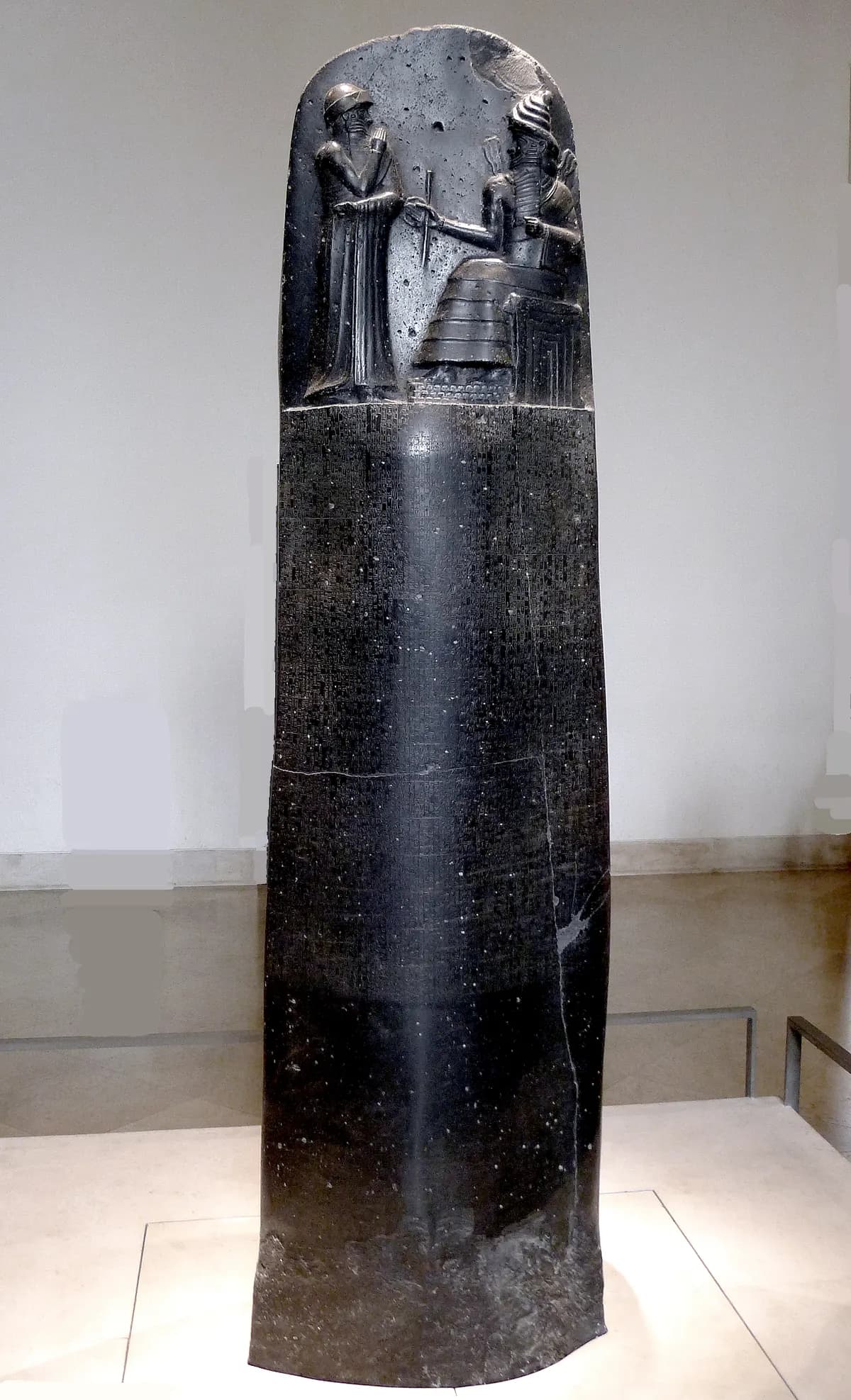
“An eye for an eye” was a step forward
Hammurabi’s 3,800-year-old law code sounds brutal, but it was an attempt to make punishment proportionate, public and predictable.
“Can machines think?”: Turing’s 1950 question
Alan Turing opened a 1950 paper with that question, then replaced it with a test, and answered Ada Lovelace by name.
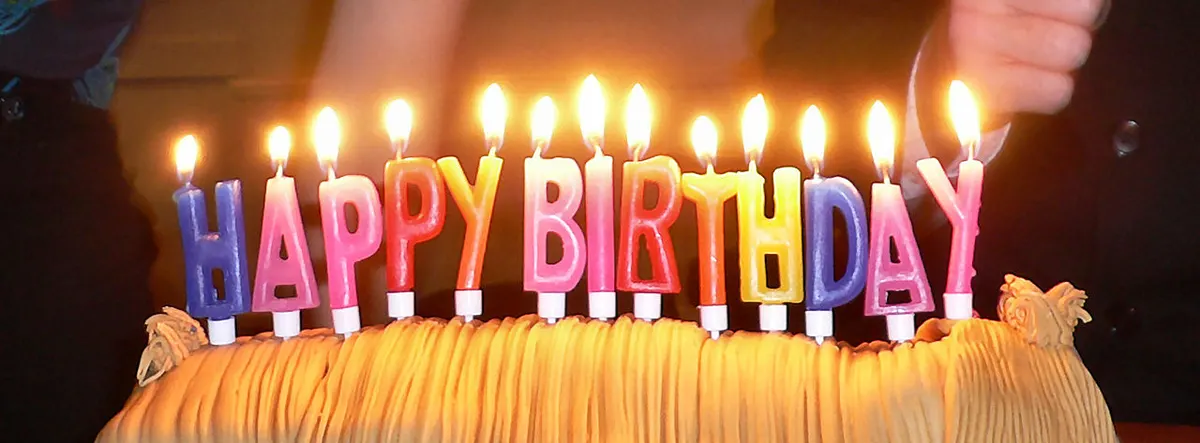
“Happy Birthday” was copyrighted until 2015
For decades, a company collected around $2 million a year in licensing fees for the world’s most-sung song. Then a court found the claim was never valid.
“Kazakh” and “Cossack” are the same word
The name of the Kazakh people most likely means a free wanderer, and the Cossacks of Ukraine and Russia share the same root.
“Ye Olde Shoppe” was always pronounced “the”
The “Y” in “Ye Olde” is a lost English letter, þ (thorn), in disguise. Nobody ever said “yee”.

A Hollywood star patented a secret radio system
In 1942 the film actress Hedy Lamarr and the composer George Antheil patented a frequency-hopping system for guiding torpedoes. The Navy shelved it, but its principle lives on in modern wireless technology.

A noodle dish whose name has 58 strokes
Xi’an’s wide, hand-pulled biangbiang noodles are written with one of the most complex Chinese characters in use. It wasn’t in any dictionary, and only entered Unicode in 2020.
A skateboard, a bottle of juice, and a 43-year-old hit
In 2020 a man skateboarded to work drinking cranberry juice and lip-syncing Fleetwood Mac. The video sent “Dreams”, released in 1977, back into the US Top 20.
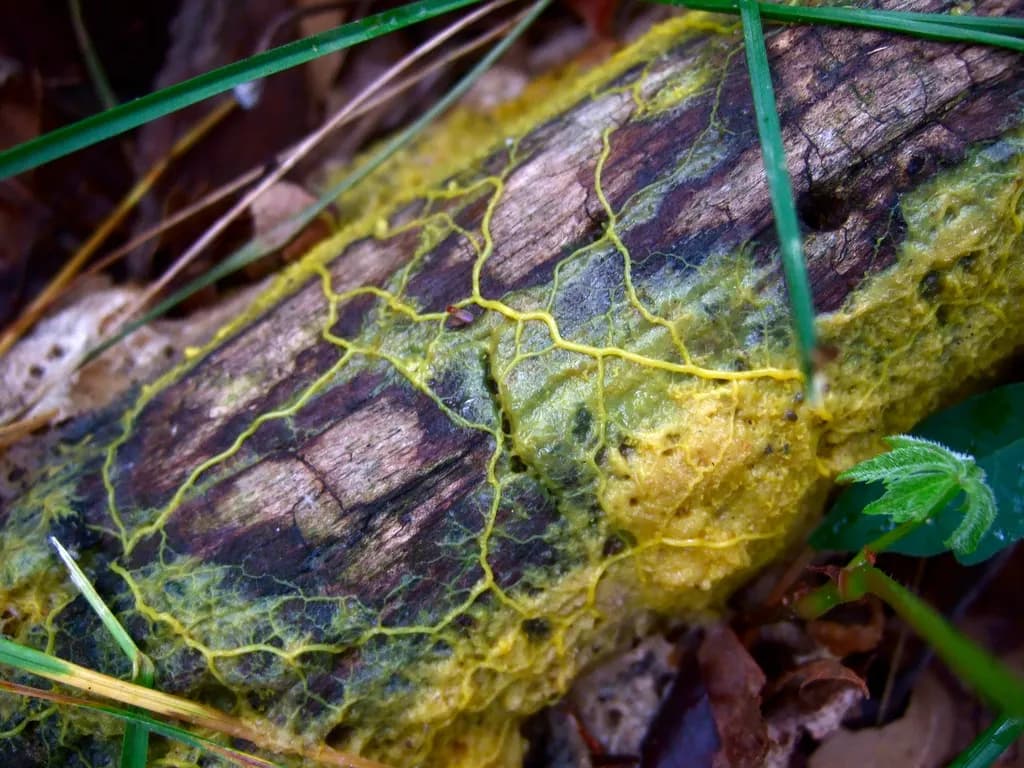
A slime mould designed the Tokyo rail network
Scientists put oat flakes where Tokyo’s cities are. A brainless single-celled organism grew a network remarkably like the real railway.
A volcano gave us Frankenstein
A massive eruption in Indonesia in 1815 caused a cold, stormy summer in Switzerland, which kept a group of writers indoors telling ghost stories.
AI got its name from a summer workshop proposal
In 1955 four researchers asked for funding for “a 2-month, 10-man study of artificial intelligence”, confident they could make a significant advance in one summer.
AI has gone through “winters” before
In 1970 a founder of AI predicted human-level machines within three to eight years. Within a few years funding collapsed, and it collapsed again in the late 1980s.
An 18-year-old’s failed medicine set off a fashion craze
In 1856 a student trying to make a malaria drug produced a purple stain instead, and within two years Europe was wearing mauve.
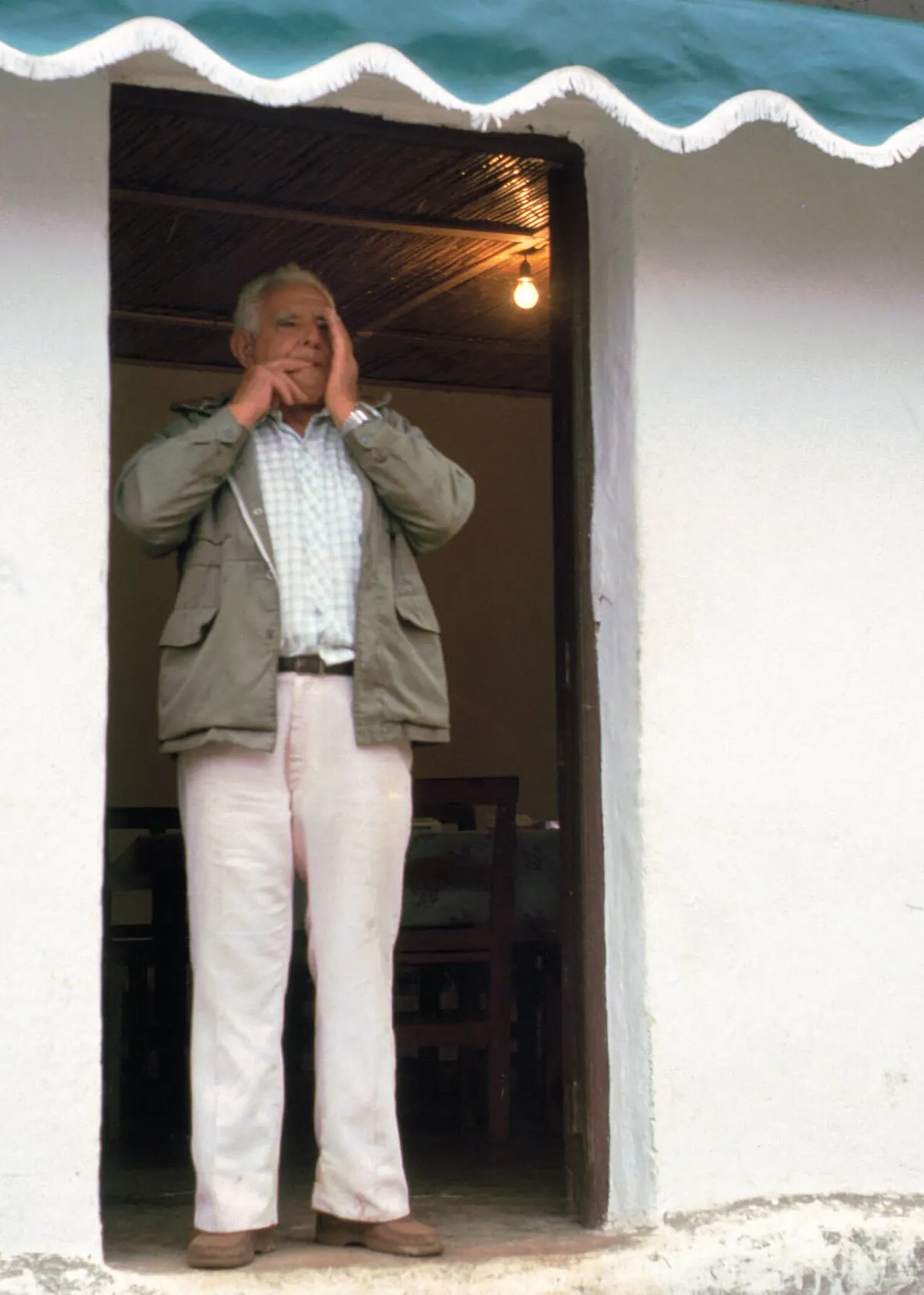
An island where people speak Spanish by whistling
On La Gomera in the Canary Islands, Spanish is whistled across ravines, and every schoolchild learns how.
Basque is related to no other language on Earth
Spanish, French, English, Russian and Hindi are all distant cousins. Basque, spoken between Spain and France, is no one’s cousin at all.

Before 1492, Italy had no tomatoes and Thailand had no chillies
Many “ancient” national dishes depend on ingredients that crossed the Atlantic after Columbus. Some of them are surprisingly recent.
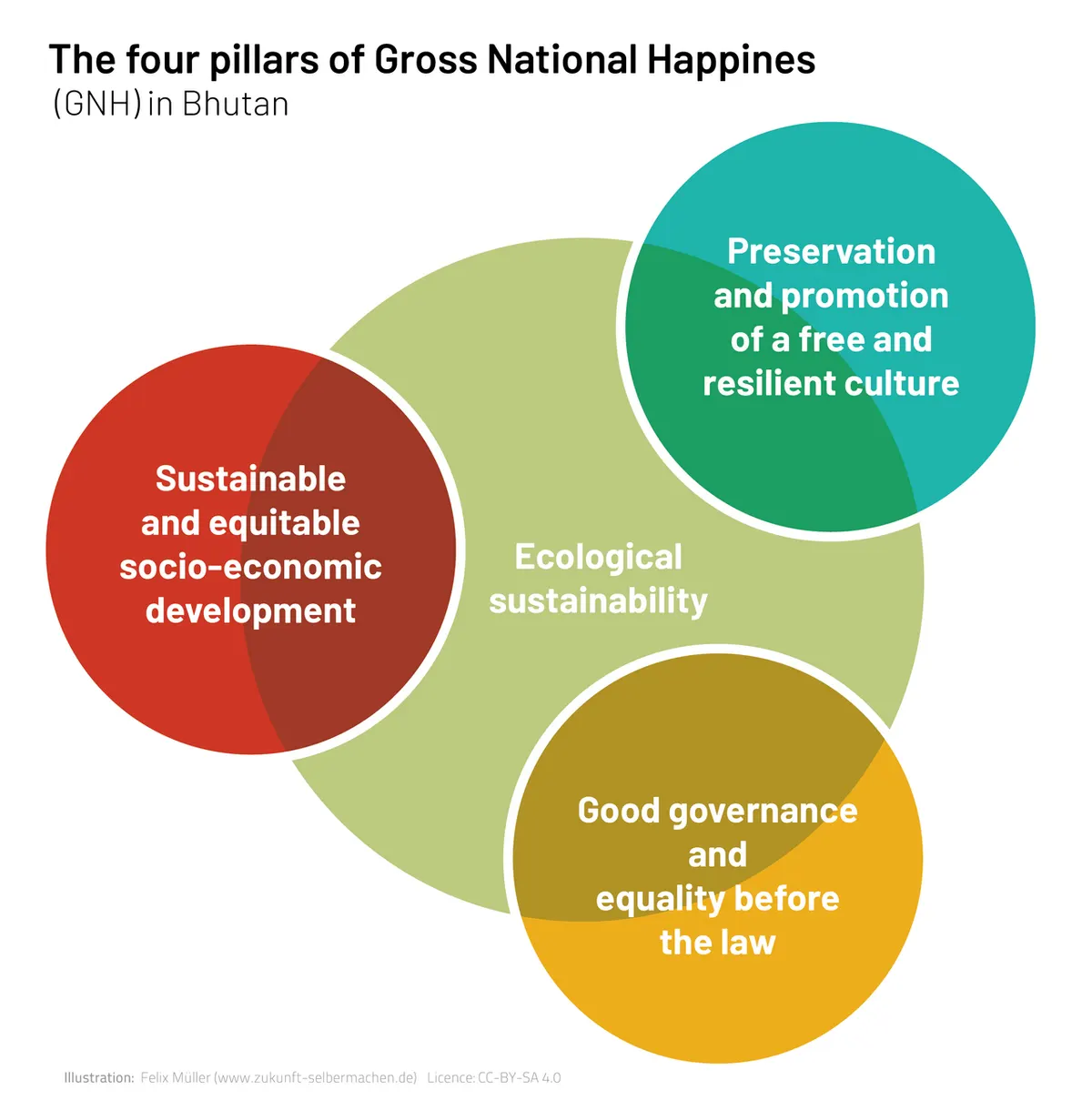
Bhutan measures Gross National Happiness
In 1972 Bhutan’s young king declared that happiness mattered more than GDP. The idea reached the UN, and also attracted serious criticism.
Born Shinto, married Christian, buried Buddhist
Japan has more religious adherents than people. Most of the population is counted as both Shinto and Buddhist, yet most say they have no personal faith.
Brutalism isn’t named after being brutal
The architectural style people love to hate takes its name from the French for “raw concrete”.
Buffalo buffalo Buffalo buffalo…
“Buffalo buffalo Buffalo buffalo buffalo buffalo Buffalo buffalo” is a grammatically correct English sentence.
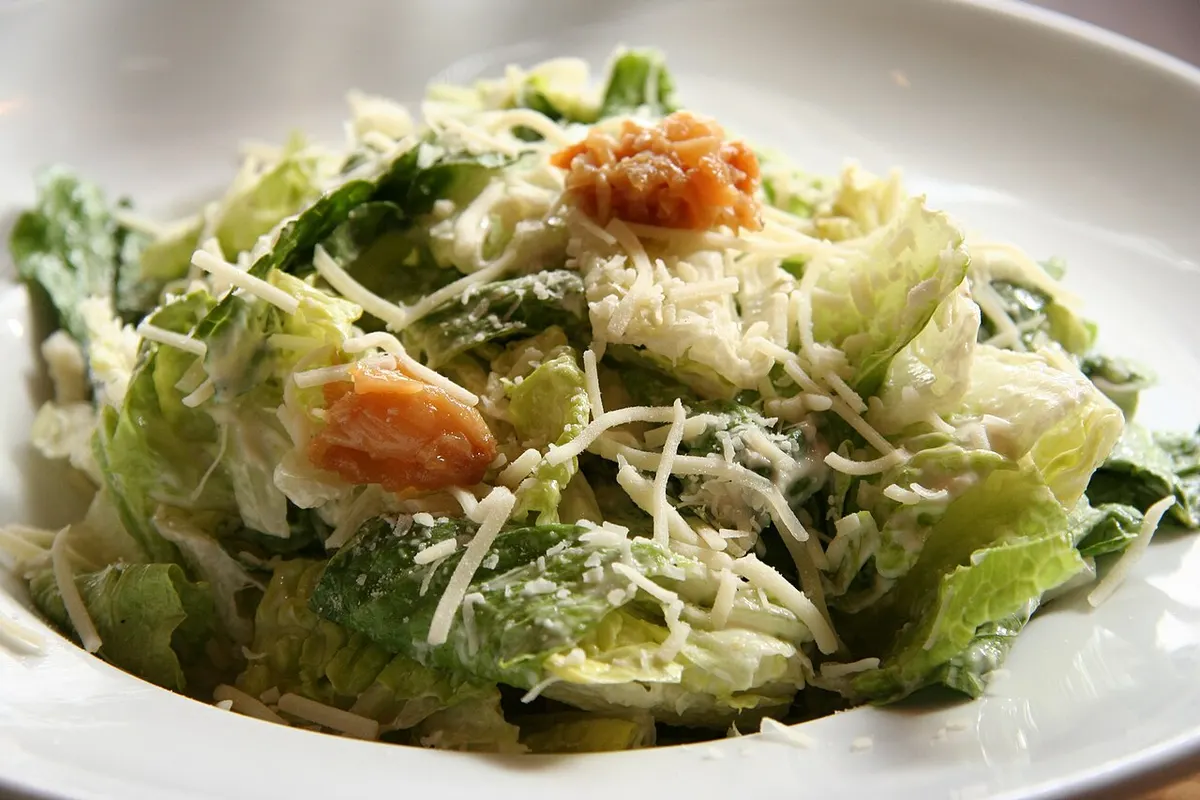
Caesar salad was invented in Mexico
It has nothing to do with Julius Caesar. It was improvised in Tijuana in the 1920s by an Italian-American restaurateur named Caesar Cardini.
Carrots used to be purple
The earliest cultivated carrots were purple and yellow. The orange carrot became dominant in the Netherlands, and a famous patriotic explanation for it is probably a myth.
Chekhov’s gun: what the quote really said
Every writer knows the rule that a gun on the wall must go off. The sources say it was spread across three different remarks.
Chesterton’s fence: ask why it’s there before you tear it down
A 1929 essay gave us one of the most useful rules for anyone who wants to change something: understand it first.
China owns nearly every giant panda on Earth
The pandas in zoos from Washington to Vienna are on loan. China charges rent, and even cubs born abroad belong to Beijing.
China spans five time zones but uses one
All of China runs on Beijing time. In the far west, the sun can rise after 10 a.m. in winter, so many people unofficially keep their own clock.
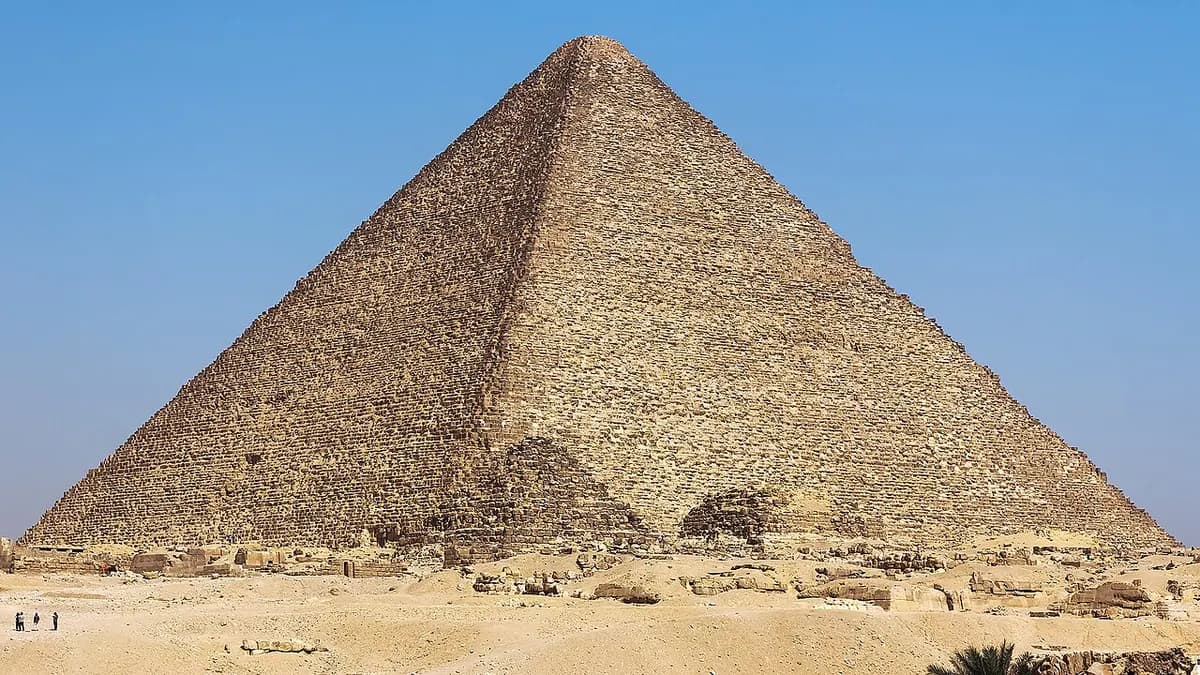
Cleopatra lived closer to the Moon landing than to the pyramids
The Great Pyramid was already about 2,500 years old when Cleopatra was born. Ancient history is much longer than it feels.
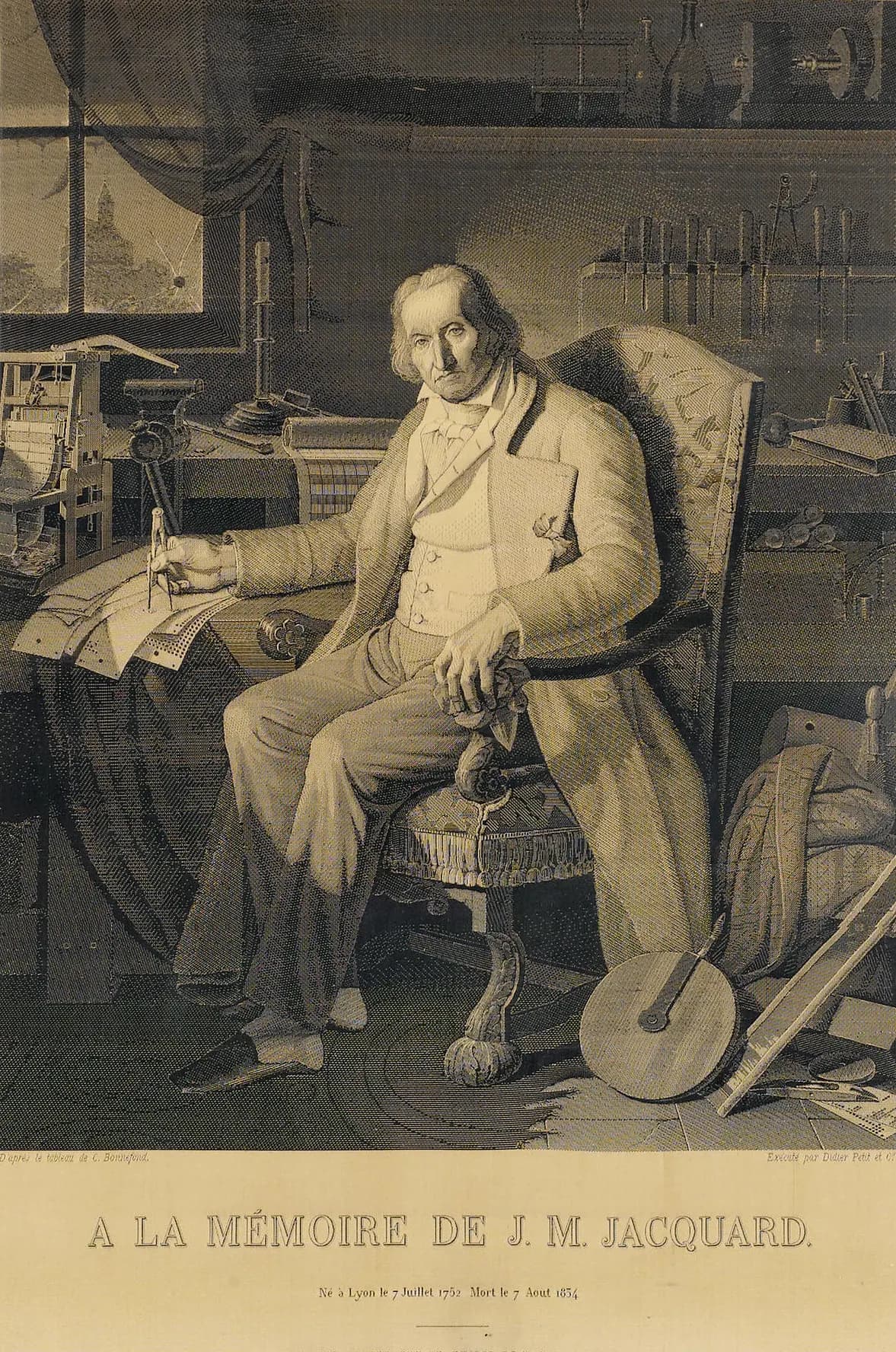
Computers began as looms
The first machine controlled by punched cards was not a calculator. It wove silk.
Do skirts really get shorter when the economy booms?
The “hemline index” says hemlines rise with stock prices. It’s usually credited to an economist in 1926, who didn’t actually propose it.
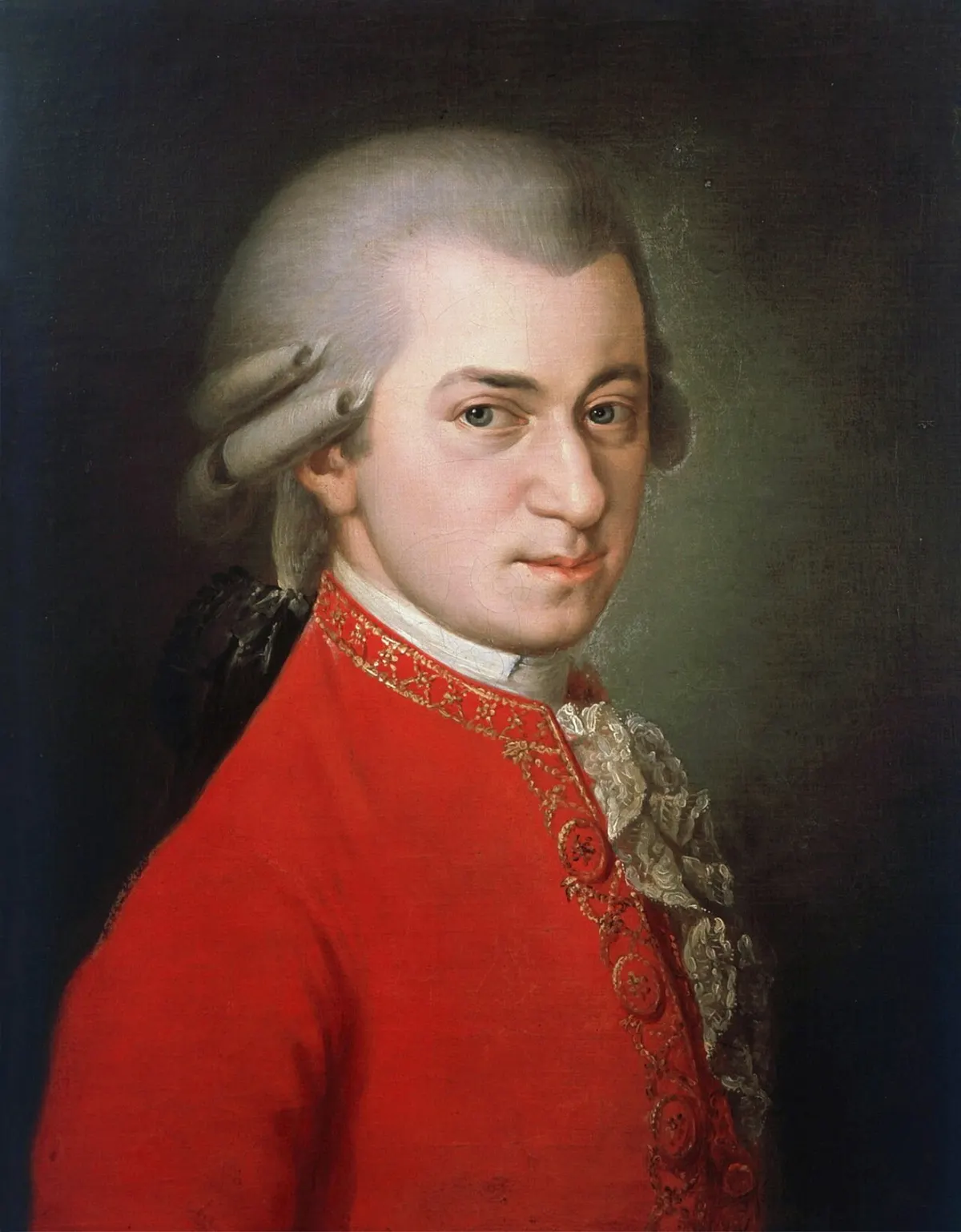
Does listening to Mozart make you smarter?
A small 1993 experiment about spatial puzzles turned into the belief that Mozart makes babies clever. The science never said that.
Esperanto has native speakers
An invented language from 1887 has around a thousand people who grew up speaking it from birth, and both Hitler and Stalin persecuted it.

Every apple you have eaten comes from Kazakhstan
The main wild ancestor of the domestic apple still grows in forests in the mountains around Almaty, a city whose name is often linked to the Kazakh word for apple.
Fortune cookies are Japanese, by way of California
You won’t find fortune cookies in China. They descend from a Kyoto cracker, reached America through Japanese immigrants, and were taken over by Chinese restaurants during World War II.
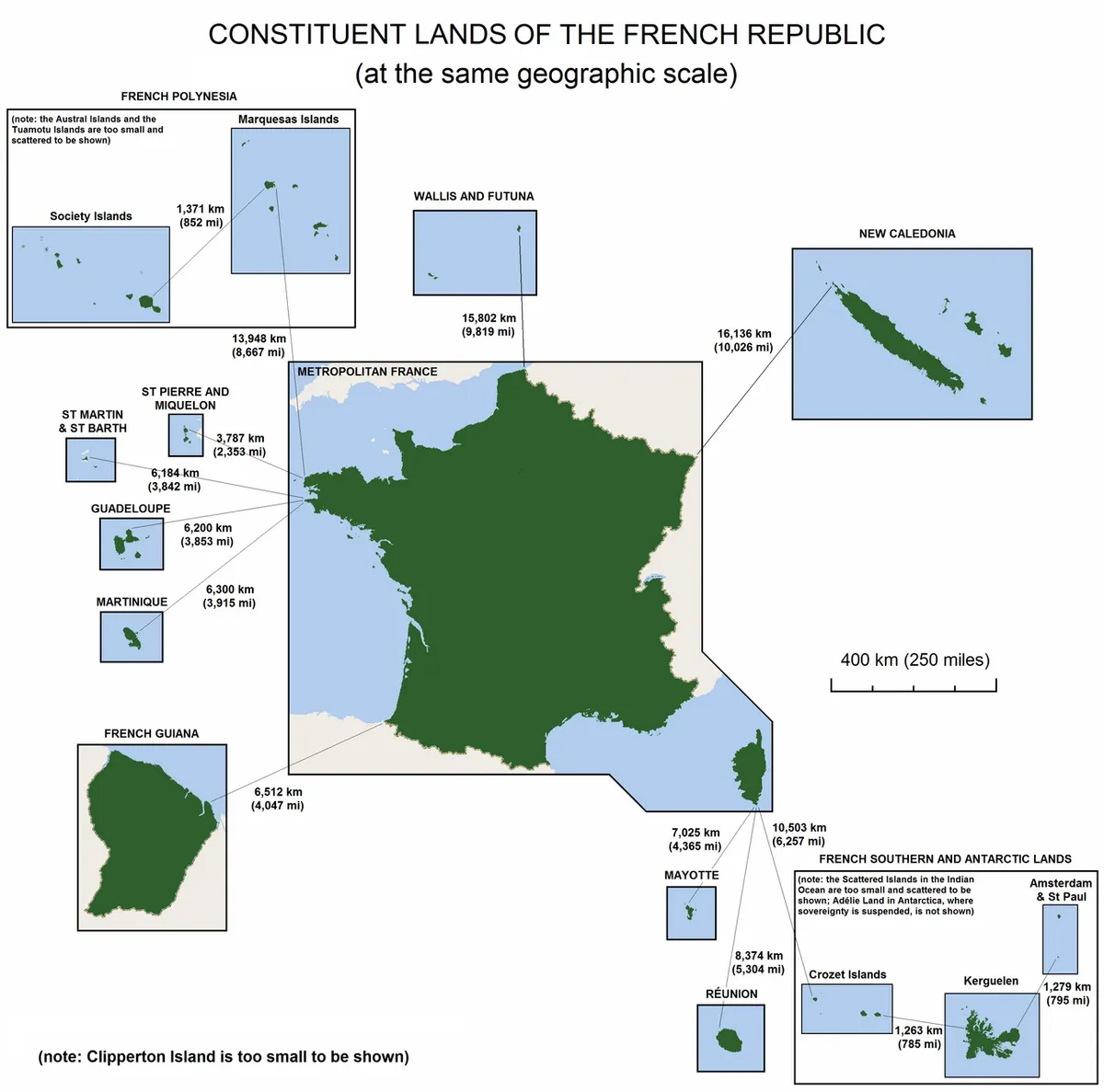
France has more time zones than any other country
Not Russia, not the United States: France. And mainland France itself runs an hour ahead of where its geography says it should, because of 1940.
From a bedroom GPU to ChatGPT
In 2012 a neural network trained on two gaming graphics cards in a student’s bedroom crushed an image-recognition contest. Ten years later, chatbots built on the same lineage reached the public.

General Tso’s chicken is unknown in General Tso’s home province
America’s favourite Chinese takeaway dish was invented in Taiwan, sweetened in New York, and was too sweet to sell in Hunan.
How a meat-eater’s body survives on bamboo
The giant panda is a bear with a carnivore’s gut, eating a plant it can barely digest. It survives by eating almost constantly and spending almost no energy.
How trends spread, from royal courts to TikTok
For a century, the theory was that fashion trickled down from the rich. Then it started bubbling up from the street, and now it moves sideways through algorithms in weeks.
In 1958 the Navy said its neural network would one day be conscious
The first trainable neural network, the perceptron, was announced as the embryo of a computer that would “walk, talk, see, write, reproduce itself and be conscious of its existence”.
In a Kazakh home, a half-empty cup is a compliment
Kazakh hosts pour tea only part-way, so they can keep refilling it while you stay and talk. A cup filled to the brim can be a polite hint.
In a room of 23 people, two probably share a birthday
It sounds impossible with 365 days to choose from, but the odds pass 50% with just 23 people and reach 99.9% with 70.
In Britain, it’s an offence to handle salmon in suspicious circumstances
It sounds like a joke law. It’s real, it’s still in force, and it has a sensible purpose.
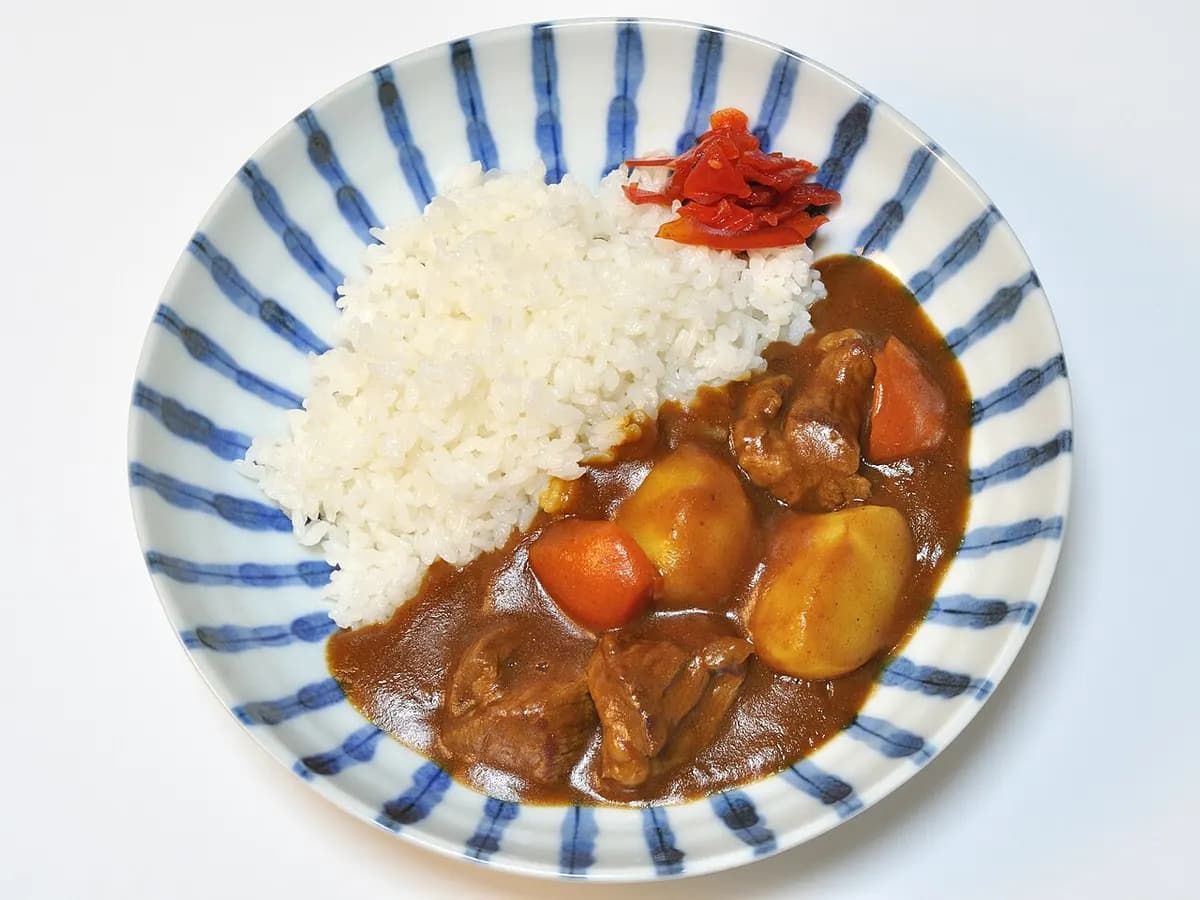
Japan learned curry from the British Navy
Japanese curry came from India by way of the British, was adopted by the Japanese navy to fight a deadly vitamin deficiency, and is still served on navy ships every Friday.
Jesus was probably born “Before Christ”
The AD system was invented in 525 by a monk who got the date slightly wrong. Most historians place Jesus’s birth around 6–4 BC.
Kazakh has been written in three alphabets in a century
Kazakh moved from Arabic script to Latin in 1929, to Cyrillic in 1940, and is moving back to Latin today. Kazakhs in China still use the Arabic script.
Kazakh names that tell a story
A girl named Ulbolsyn carries a message: “let the next one be a boy”. Traditional Kazakh names record wishes, fears, wars and the day a child was born.
Kazakhstan brought half of a dying sea back to life
The Aral Sea was once the world’s fourth-largest lake. Soviet irrigation drained it into a desert, but a dam built by Kazakhstan in 2005 revived its northern part, and the fish came back.
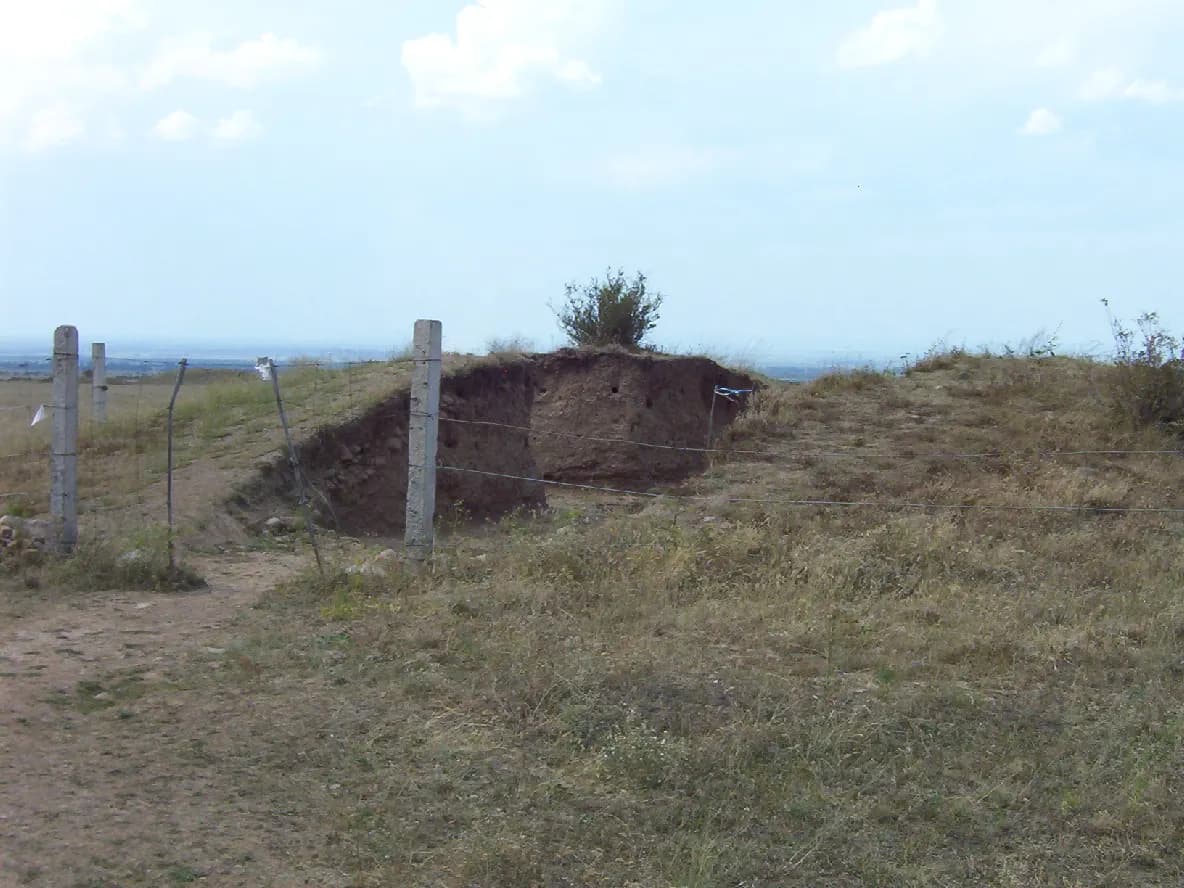
Kazakhstan’s national symbol might be a woman
The “Golden Man” on top of Almaty’s Independence Monument is a Saka warrior found in 1969 in a costume of about 4,000 gold pieces. Archaeologists still can’t say for sure whether the warrior was a man.
Ketchup started out as a fish sauce
Before it was red and sweet, ketchup was a salty, fermented fish brine from southern China, and later a British sauce made from mushrooms or walnuts.
Kiribati moved the International Date Line
Until 1995 Kiribati was split by the date line, so different parts of the country were on different days. So it moved the line.
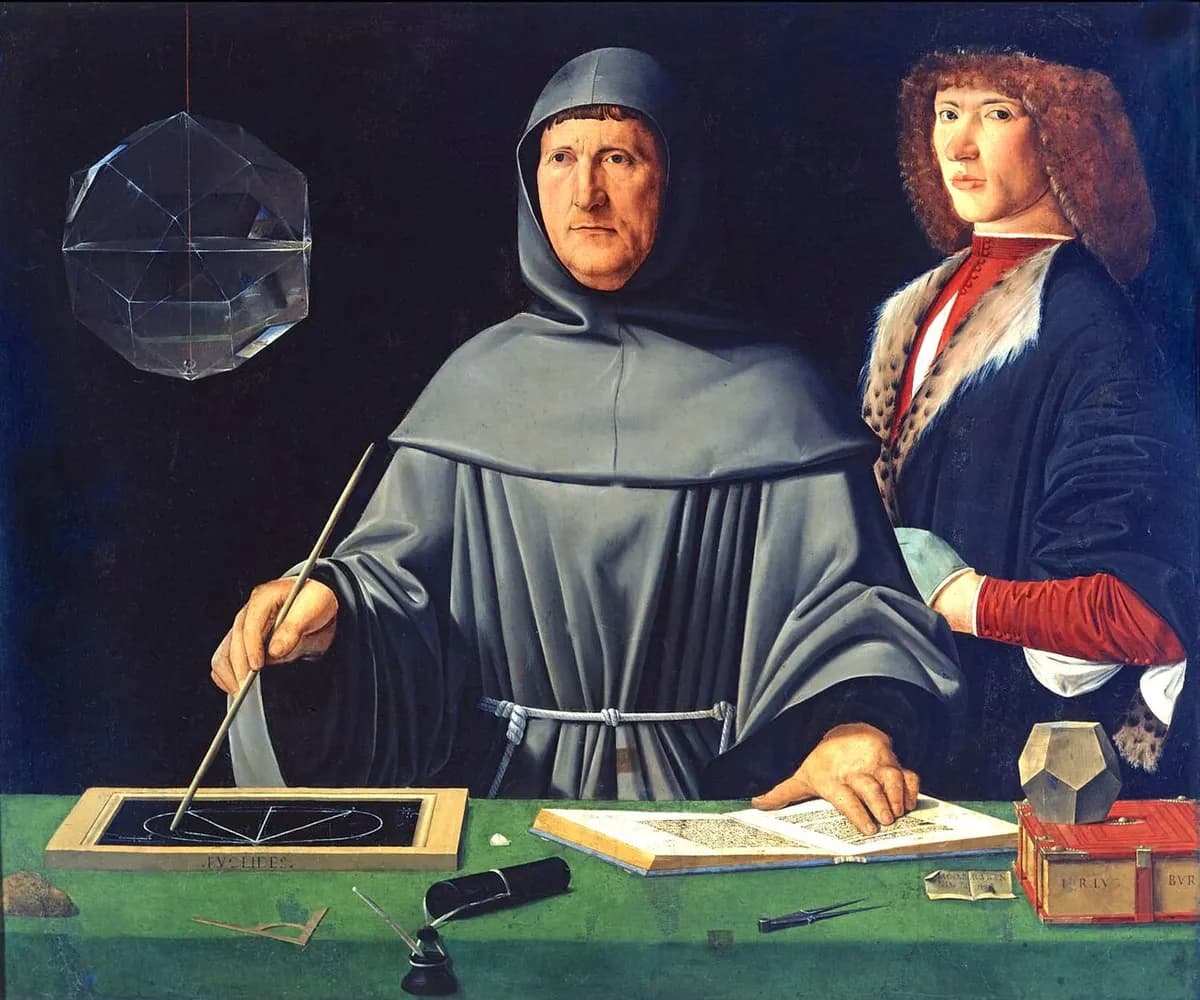
Leonardo’s math teacher wrote the first guide to accounting
The friar who taught Leonardo da Vinci mathematics also published the first printed guide to double-entry bookkeeping, the system nearly every company still uses.
Lorem ipsum is a mangled Cicero quote
Designers’ favourite placeholder text is a scrambled passage from a 2,000-year-old book about pain and pleasure.
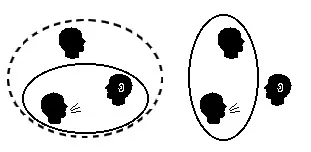
Many languages have two words for “we”
When you say “we’re going to dinner”, are you inviting the listener? English leaves it ambiguous. Hundreds of languages don’t.
Nepal’s flag comes with geometry instructions
It’s the only national flag that isn’t a rectangle, and Nepal’s constitution explains how to draw it, step by step, like a geometry exercise.
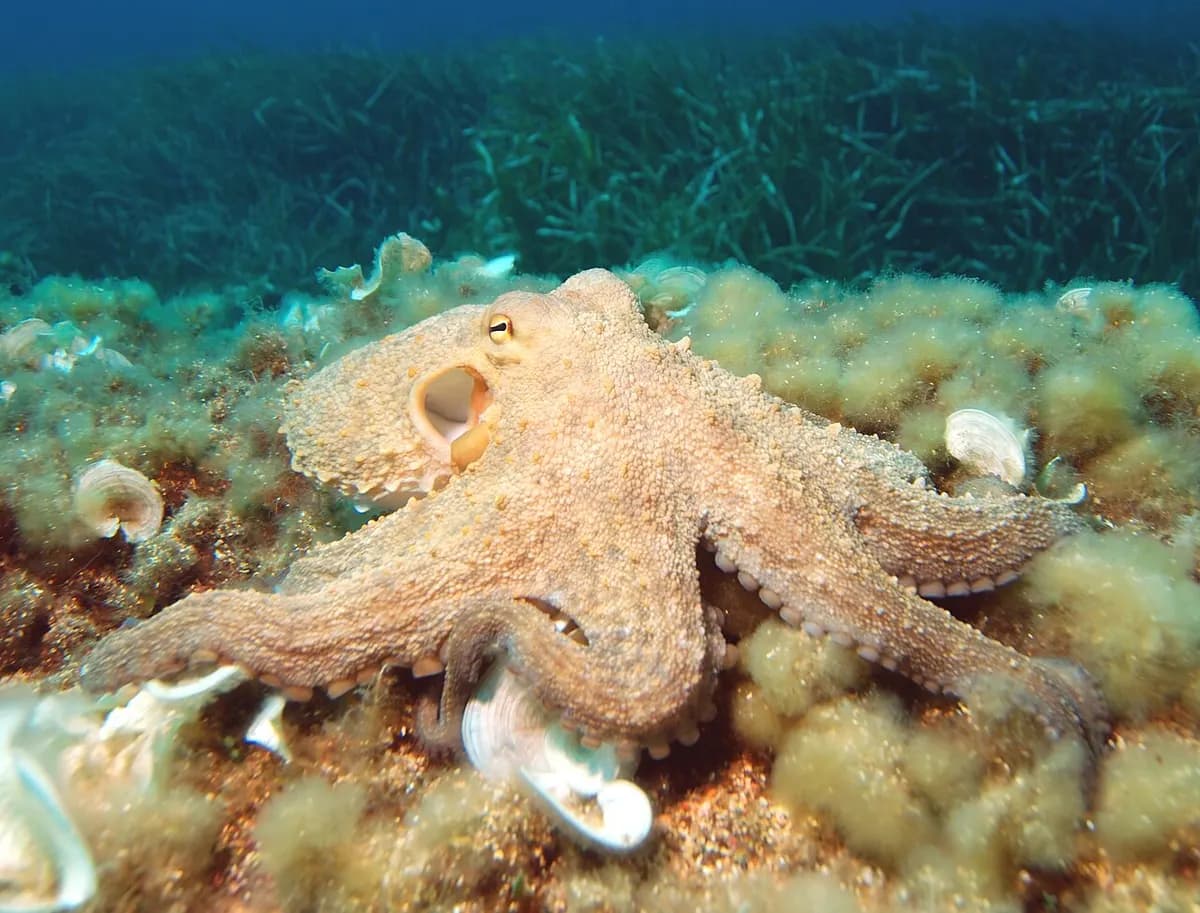
Octopuses have three hearts and blue blood
Two hearts pump blood through the gills, one pumps it to the body, and that one stops beating when the octopus swims.
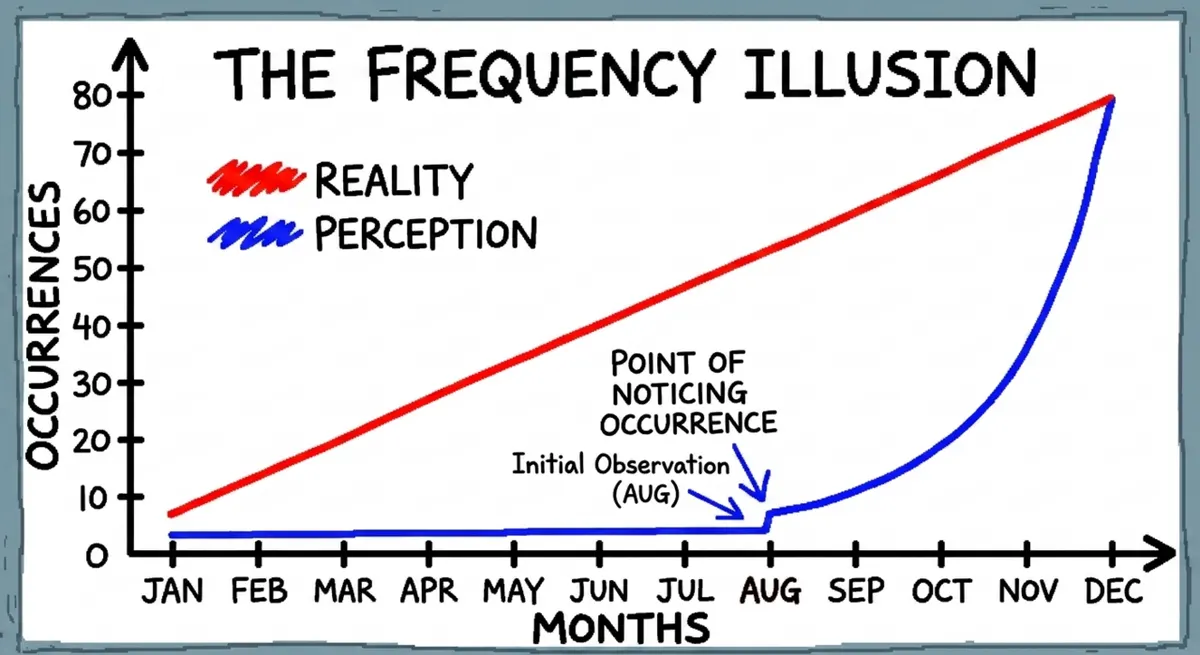
Once you notice something, it’s everywhere
You learn a new word, and the next day you see it three times. The world didn’t change; your attention did.
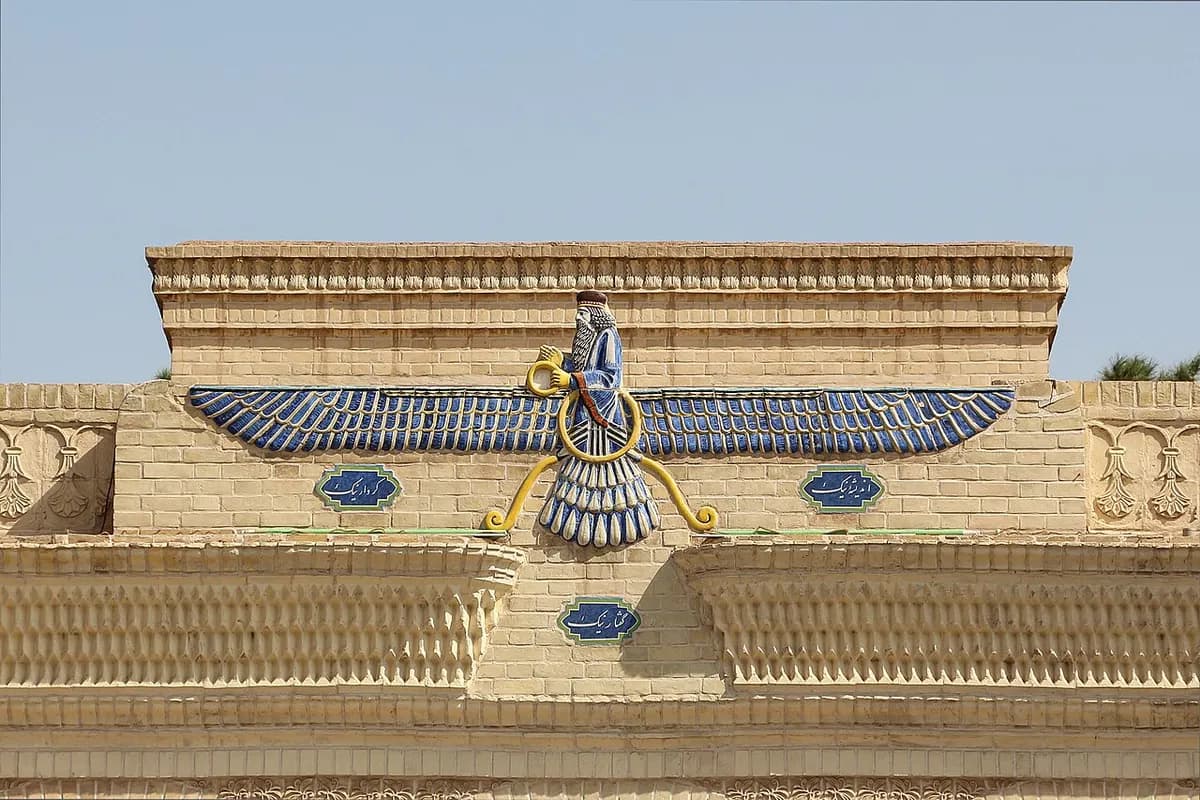
One of the oldest faiths, and Freddie Mercury’s
Zoroastrianism was once the state religion of Persian empires. Today it has perhaps 100,000–200,000 followers, among them the Parsi community into which Freddie Mercury was born.

Oxford University is older than the Aztec Empire
Teaching at Oxford was under way by 1096. Tenochtitlan, the Aztec capital, was founded in 1325.
Pandas are almost absent from classical Chinese art
Dragons, tigers, cranes and even crickets fill Chinese painting and poetry. The animal now synonymous with China barely appears at all.
Pink for girls and blue for boys is younger than your grandparents
A century ago a trade magazine told shops that pink was for boys. The colour code we treat as ancient only settled in the mid-20th century.
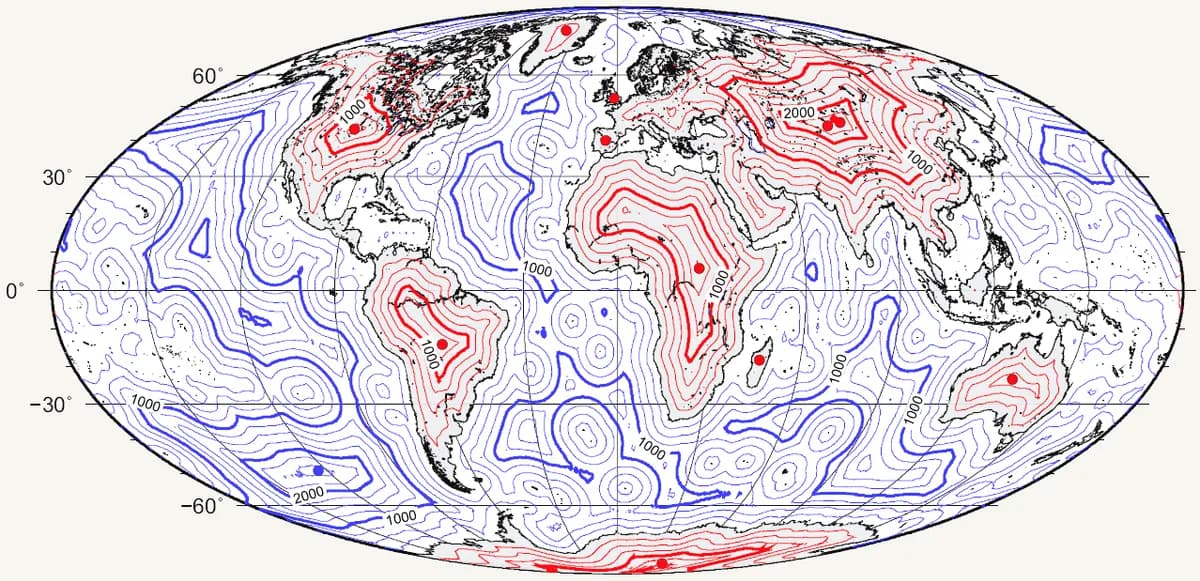
Point Nemo, where spacecraft go to die
There is a spot in the Pacific so remote that the nearest humans are often the astronauts passing overhead.
Sherlock Holmes never said “Elementary, my dear Watson”
The most famous line in detective fiction is not in any of Conan Doyle’s stories, though both halves of it are.
Sichuan pepper makes your lips buzz at 50 Hz
It isn’t a pepper and it isn’t hot. It makes your mouth tingle, and researchers found the tingling feels like a vibration of about 50 times a second.
Spicy isn’t a taste. It’s pain.
Chilli “heat” triggers the same receptor that detects a burn. Birds can’t feel it, and that seems to be the point.
Tea if by sea, chai if by land
Almost every language calls tea either “te” or “cha”, and which one it uses depends on how tea first arrived: by Dutch ship or by overland trade.
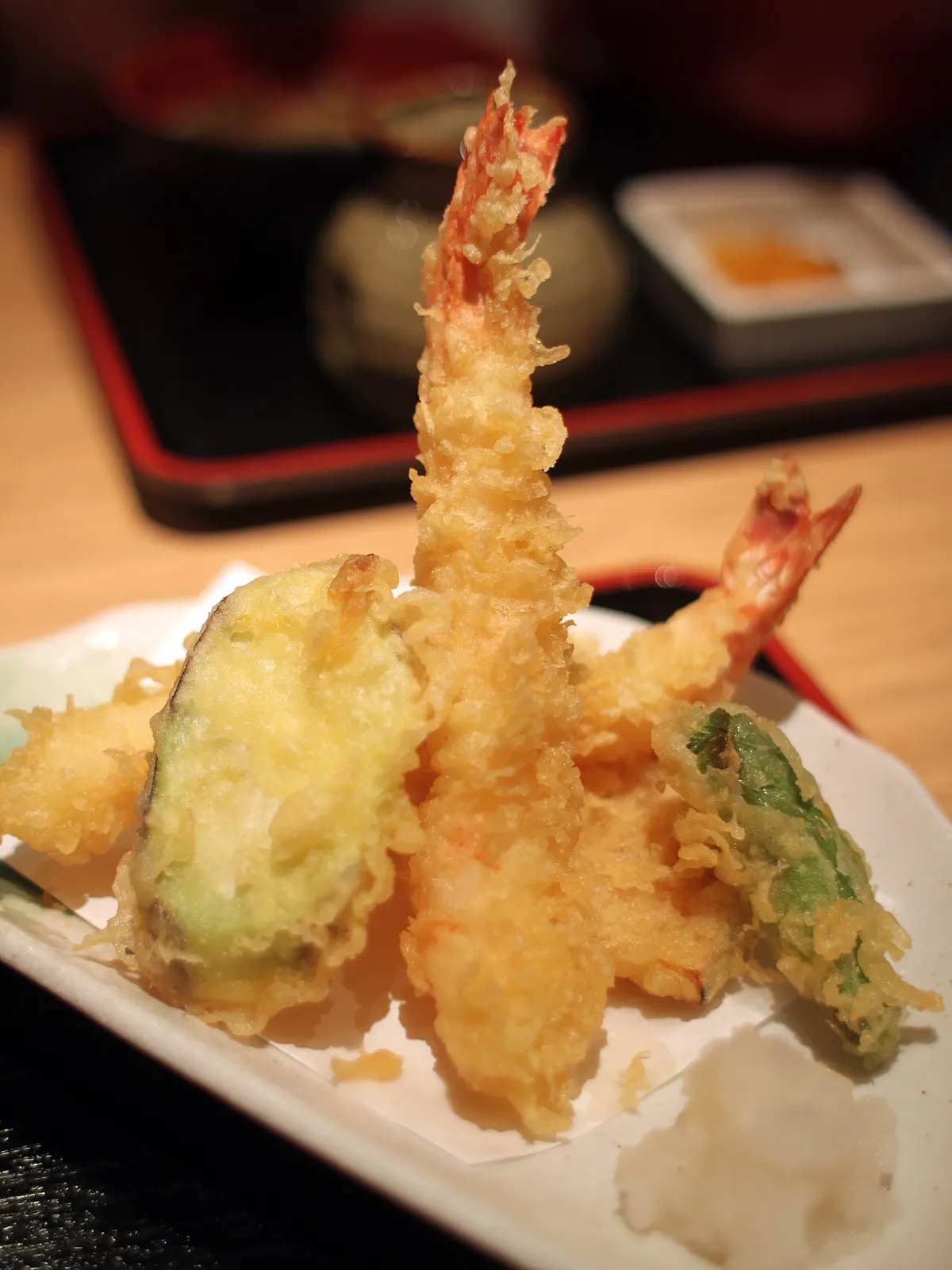
Tempura was brought to Japan by the Portuguese
One of Japan’s most iconic dishes arrived with Portuguese missionaries and traders in the 16th century, and its name may come from Latin.
The “last wild horse” descends from tamed horses of the Kazakh steppe
5,500 years ago, people at Botai in northern Kazakhstan were bridling horses and probably milking mares. Their horses’ descendants became Przewalski’s horse, long thought to be truly wild.
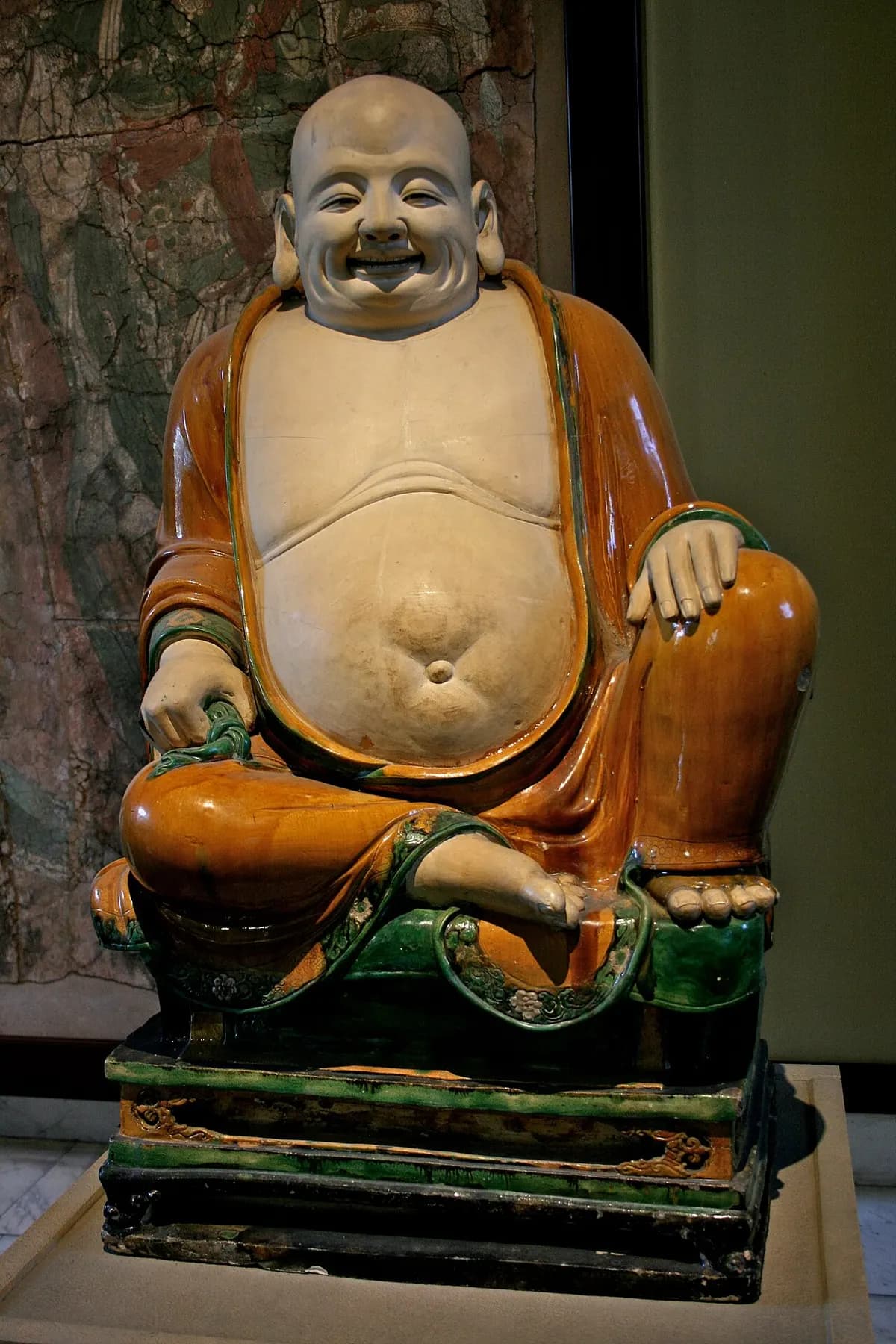
The “Laughing Buddha” isn’t the Buddha
The cheerful, round-bellied figure in restaurants and gift shops is Budai, a Chinese monk from about a thousand years ago, not Siddhartha Gautama.
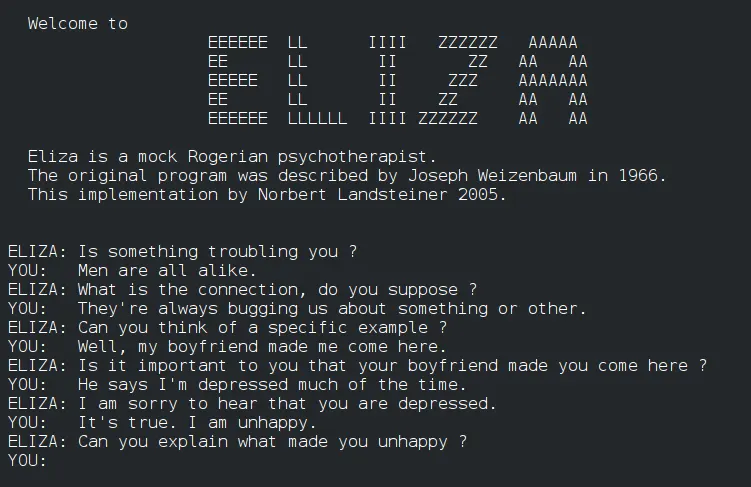
The 1960s chatbot people confided in
ELIZA just reflected your words back as questions. Its creator’s secretary still asked him to leave the room so she could talk to it in private.
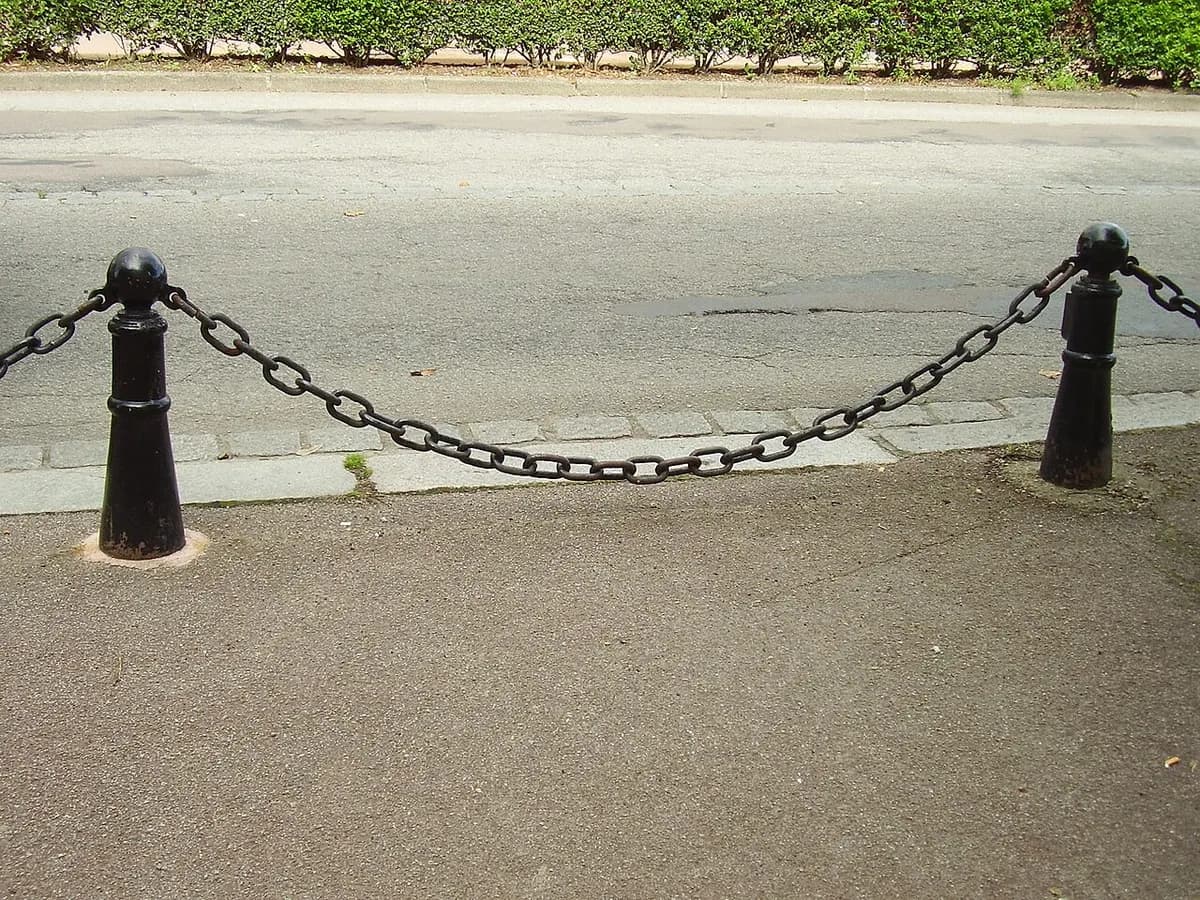
The arch that hangs upside down
Hang a chain from two points, photograph it, flip the picture, and you have the ideal shape for an arch.
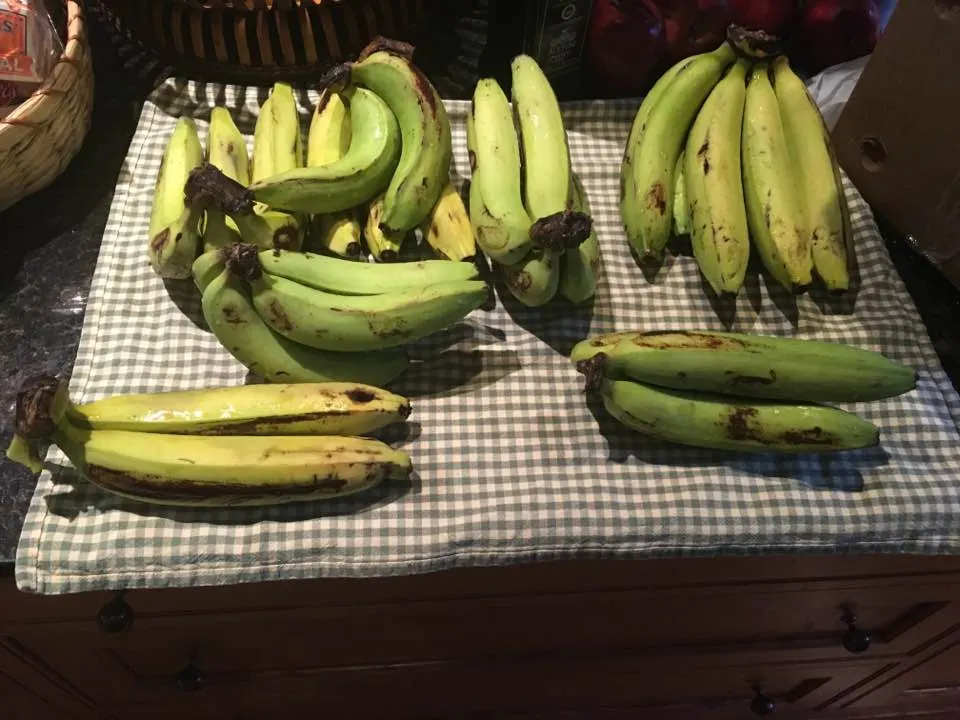
The banana your grandparents ate is gone
Until the 1950s, the world’s export banana was the Gros Michel. A fungus wiped it out, and the Cavendish we eat today may face the same fate.
The Bechdel test began as a joke in a comic strip
Three simple questions about a film started life in 1985, and the woman who thought of them wasn’t Alison Bechdel.
The Big Mac index
A 1986 joke in The Economist became one of the most cited ways to compare currencies, using the price of a hamburger.
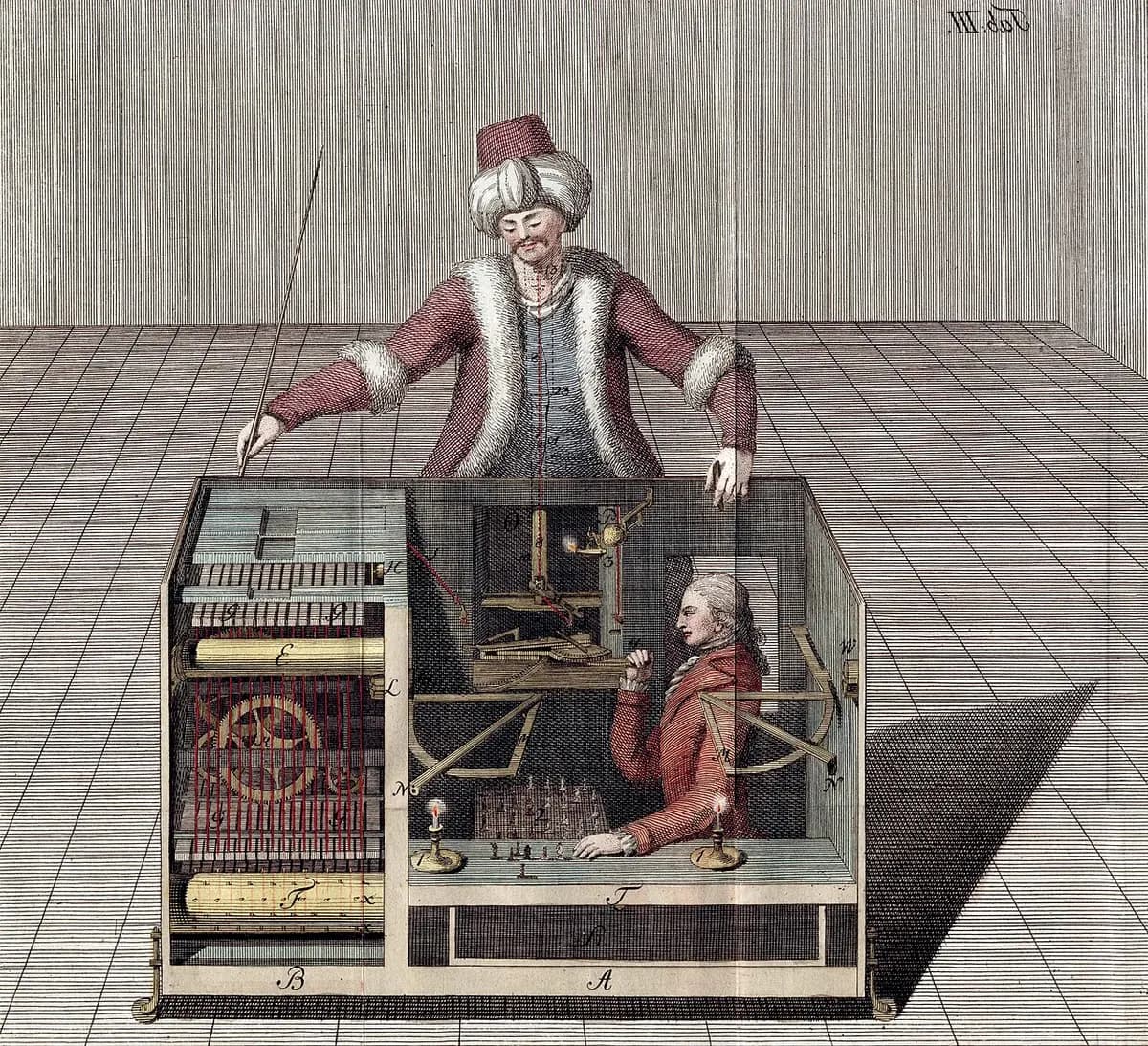
The chess-playing machine that had a man inside
From 1770, a turbaned mechanical figure beat players across Europe and America at chess. It was a brilliant hoax, and Amazon named a service after it.
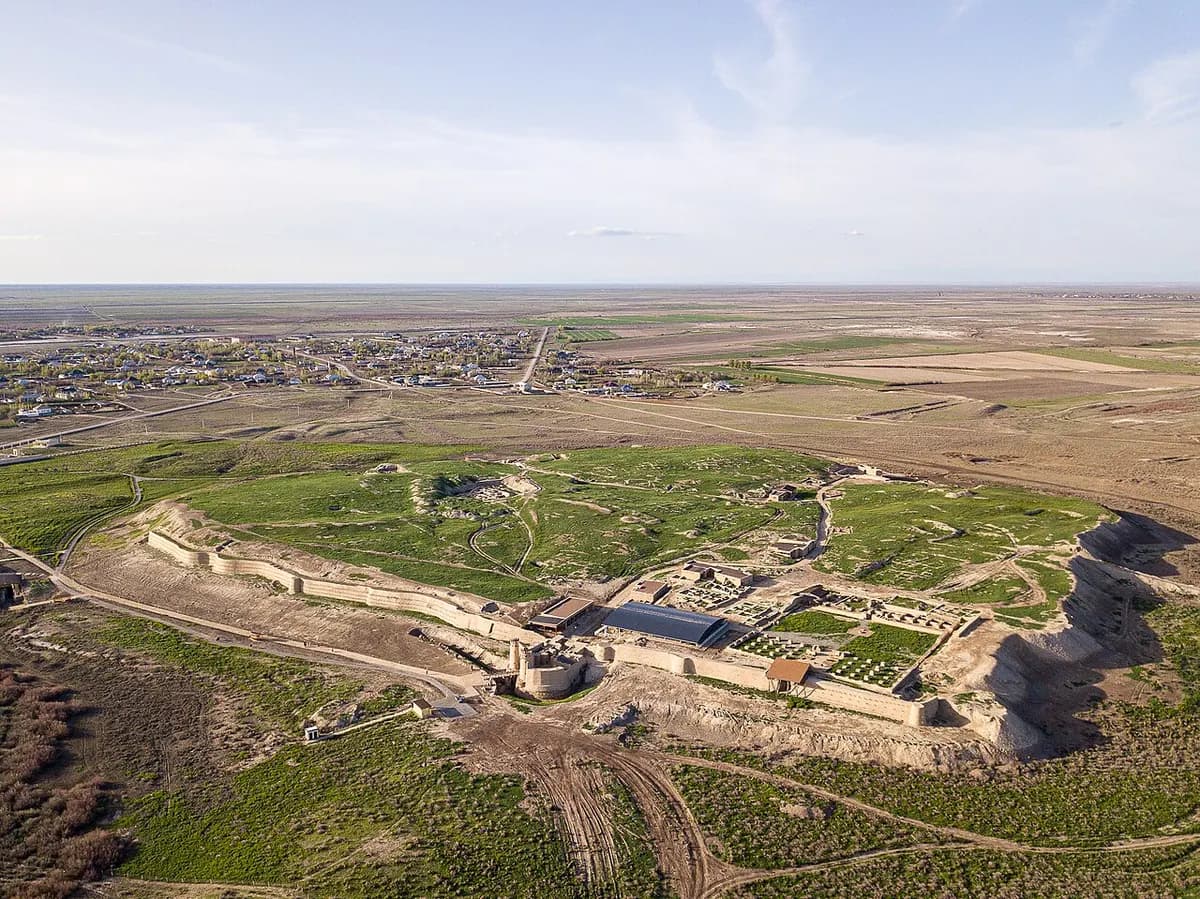
The city in Kazakhstan that provoked Genghis Khan
In 1218 the governor of Otrar, a Silk Road city in today’s southern Kazakhstan, executed a Mongol trade caravan. The insult launched one of the most destructive invasions in history.
The cobra effect: when rewards backfire
Pay people to kill pests and some of them will start breeding pests. The famous cobra version may be a legend, but the rat version in Hanoi really happened.
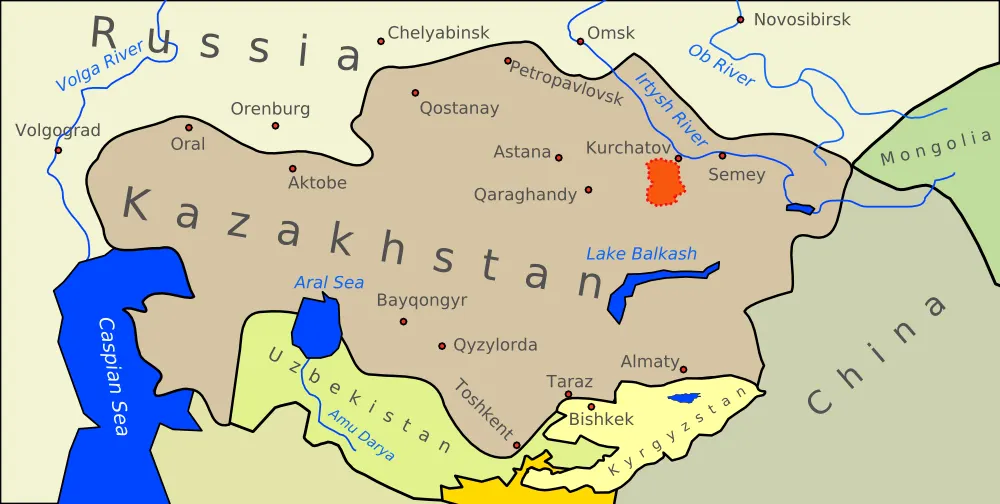
The country that gave up the world’s fourth-largest nuclear arsenal
The Soviet Union set off 456 nuclear explosions in Kazakhstan. After independence, Kazakhstan closed the test site and gave up about 1,400 nuclear warheads.
The croissant is Austrian (sort of)
France’s most famous breakfast pastry descends from the Viennese kipferl, brought to Paris by an Austrian entrepreneur around 1839.
The devil’s interval was never banned
The tritone is said to have been outlawed by the medieval Church as ‘the devil in music’. The phrase is real, but the ban looks like a story that grew in the retelling.
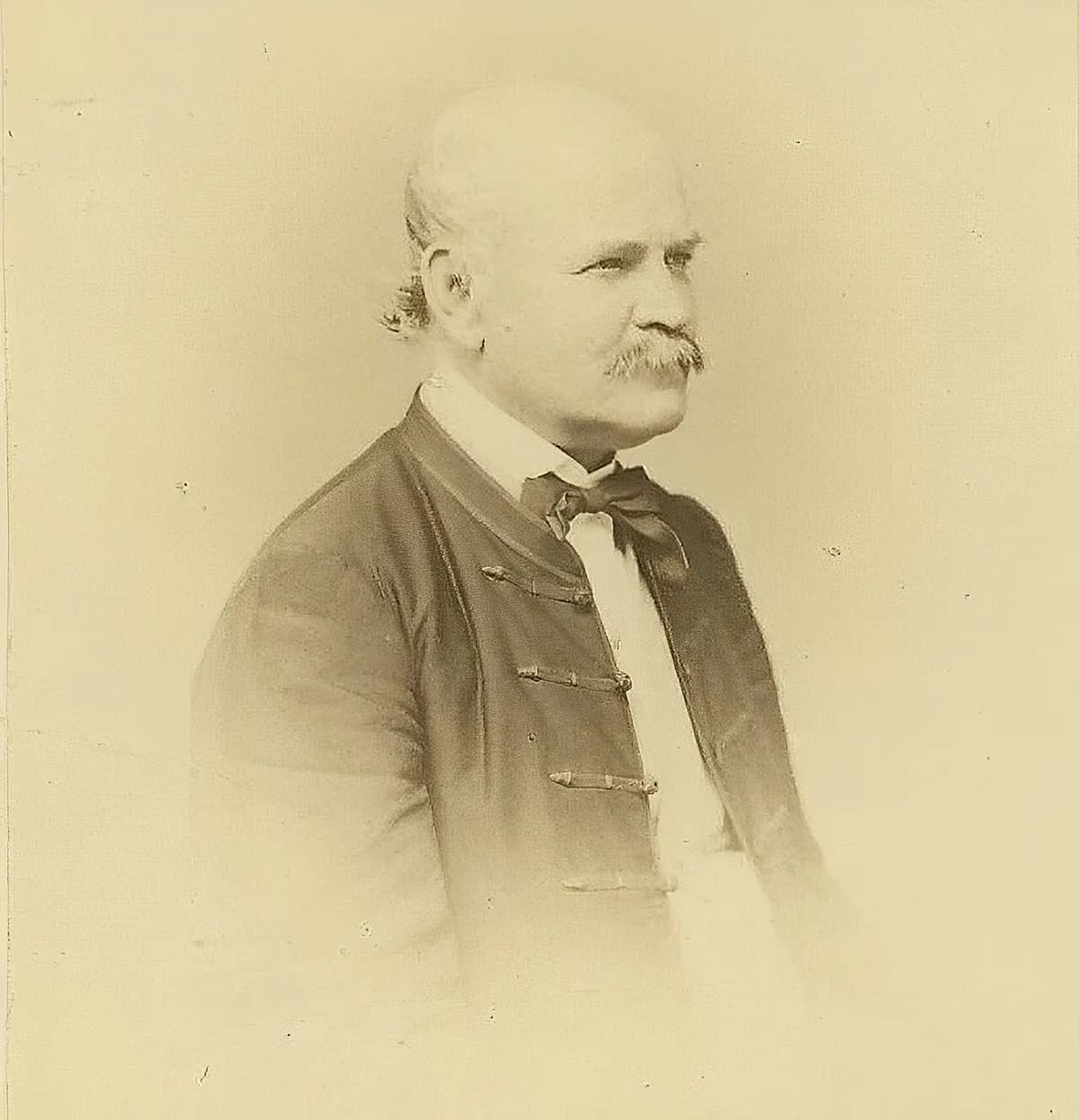
The doctor who said “wash your hands”
In 1847 Ignaz Semmelweis cut deaths on a Vienna maternity ward from about 18% to around 2% by making doctors wash their hands. The story of what happened next is more complicated than the legend.
The dream of thinking machines is thousands of years old
Long before computers, people imagined bronze giants, reasoning wheels and a language in which arguments could be settled by calculation.
The Dunning–Kruger effect is not what the internet says
It started with a bank robber who thought lemon juice made him invisible. The famous “Mount Stupid” chart was never in the paper.
The Earl of Sandwich probably wasn’t gambling
The sandwich is named after an 18th-century earl. The famous story that he invented it at the card table comes from a travel book’s gossip.
The first computer bug was an actual bug
In 1947 engineers found a moth stuck in a computer and taped it into the logbook. The word “bug” was already older than that.
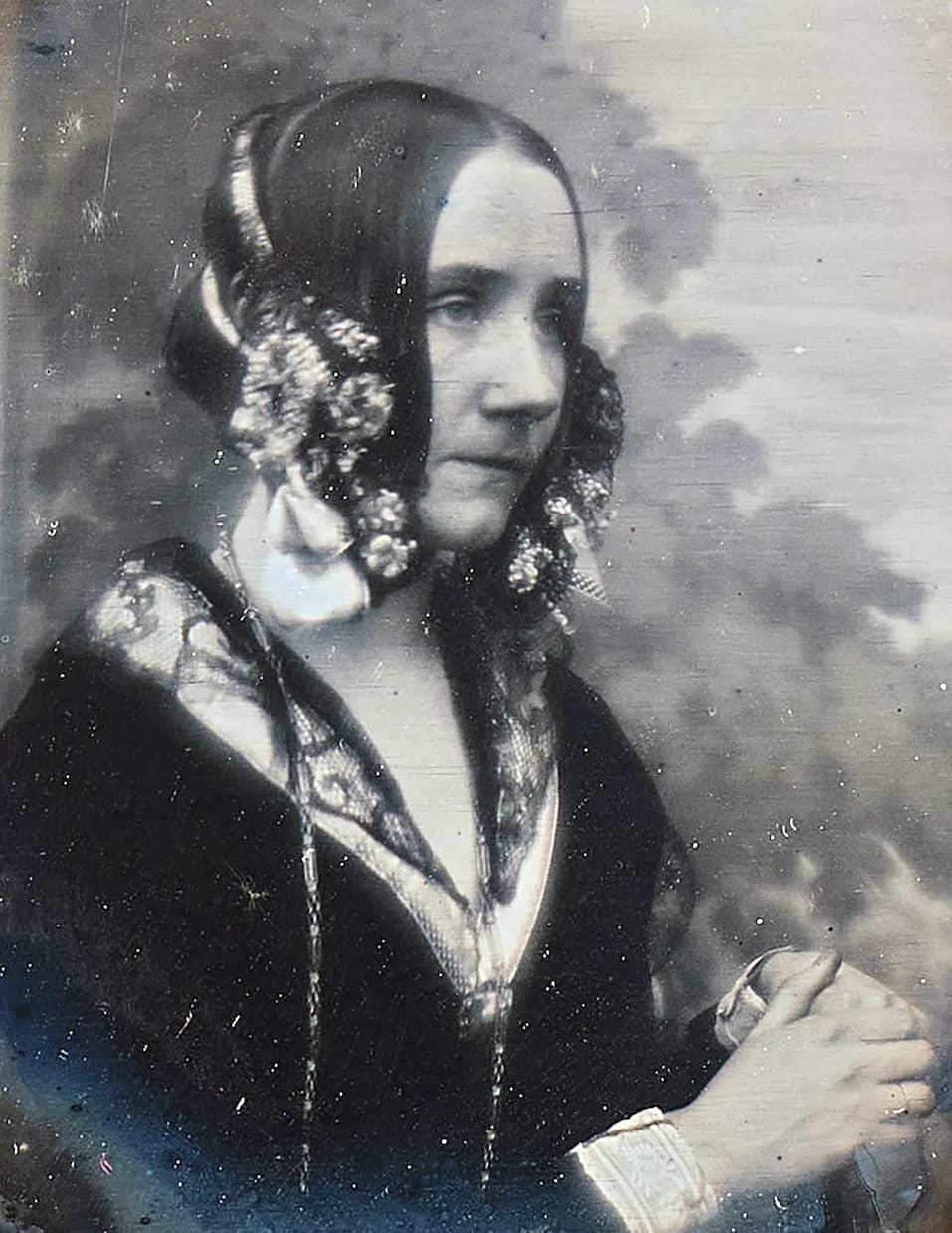
The first computer programmer was a poet’s daughter
In 1843, a century before electronic computers, Ada Lovelace wrote out a program and imagined machines making music.
The first human in space took off from Kazakhstan
Sputnik and Yuri Gagarin both launched from Baikonur, on the Kazakh steppe. Today Russia rents the cosmodrome, and the town around it, from Kazakhstan.
The Kazakh bride who renames her husband’s family
By custom, a Kazakh daughter-in-law does not say the names of her husband’s elder relatives aloud. Instead she invents a respectful nickname for each one.
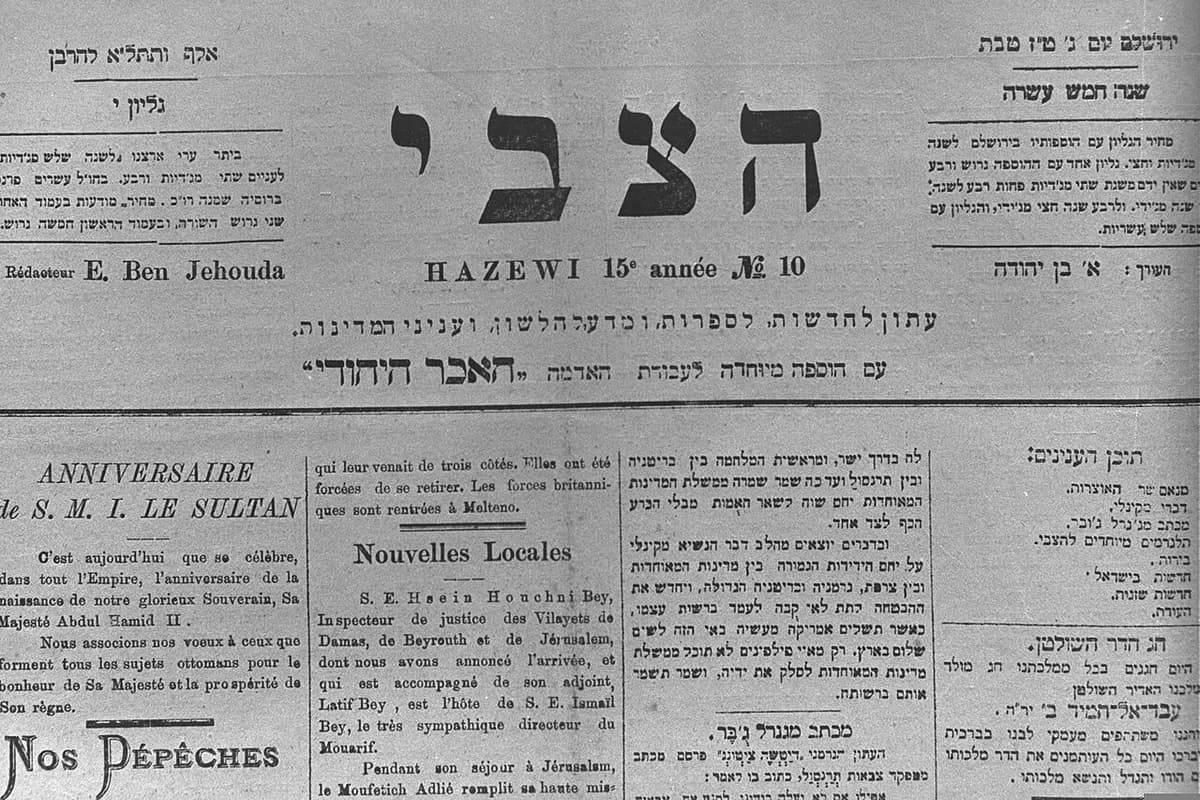
The language that came back after 1,700 years
For about 1,700 years nobody spoke Hebrew as a mother tongue. Then, in 1882, a baby in Jerusalem became its first native speaker in modern times.
The man behind the Miranda warning
“You have the right to remain silent” is named after Ernesto Miranda. He won his Supreme Court case and was convicted again anyway.
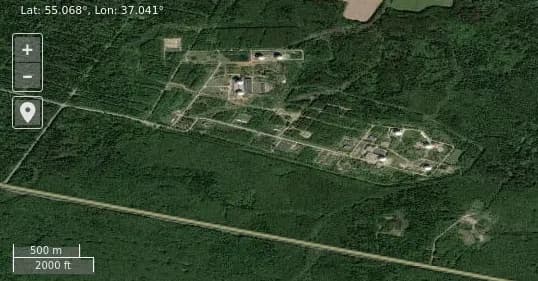
The man who decided the missiles weren’t real
In 1983 a Soviet early-warning system reported five American nuclear missiles on their way. The officer on duty, Stanislav Petrov, judged it a false alarm, and he was right.
The mixtape we sent to the stars
Two spacecraft leaving the solar system carry a gold-plated record with whale song, a kiss, 55 greetings and Chuck Berry’s “Johnny B. Goode”.
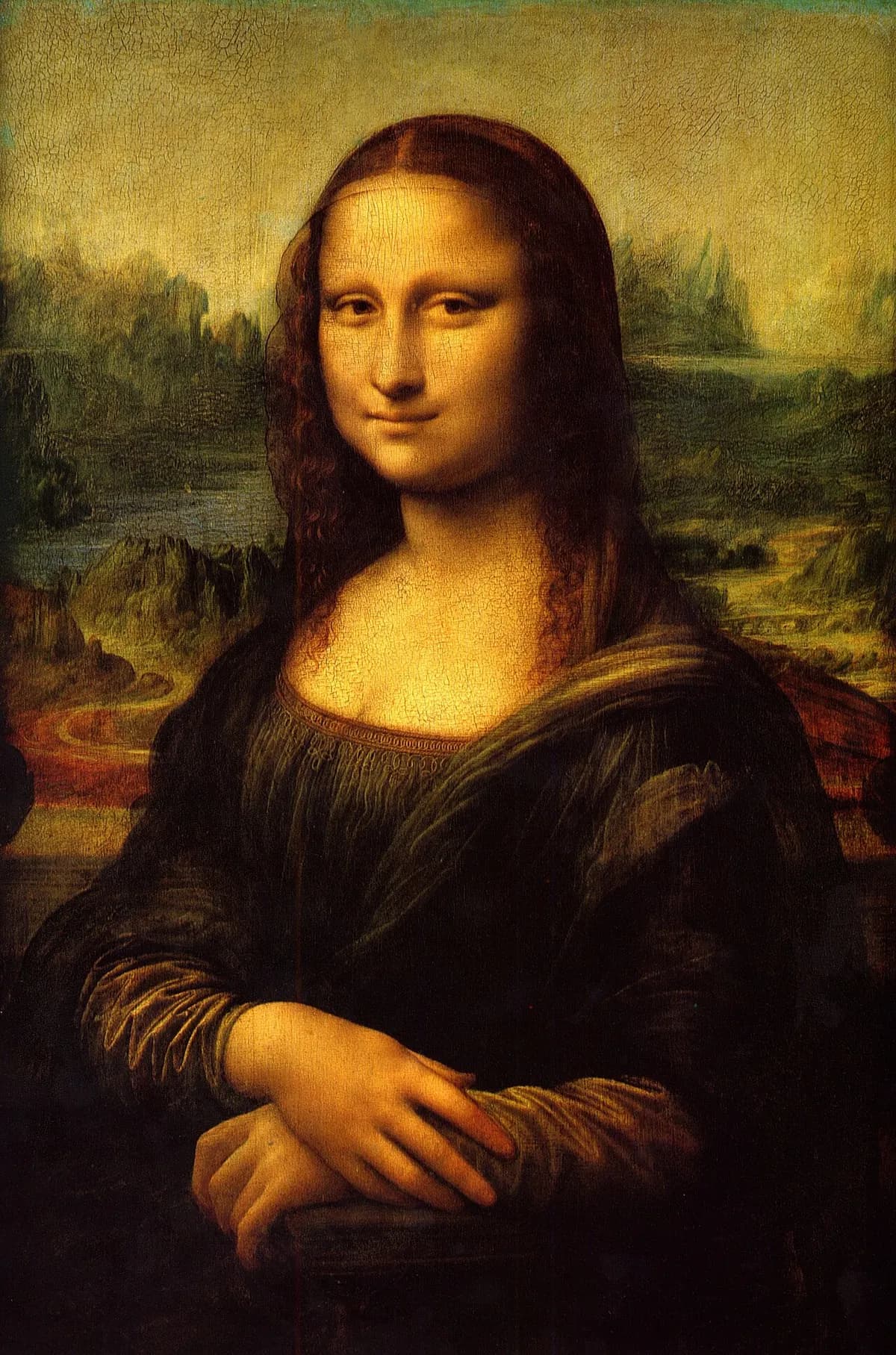
The Mona Lisa became famous by being stolen
In 1911 a handyman walked out of the Louvre with the Mona Lisa under his smock. The two years it was missing turned it into the most famous painting in the world.
The novel with no letter E
In 1969 Georges Perec wrote a whole French novel without using the most common letter in the language. Then someone translated it into English, keeping the rule.
The Pale Blue Dot
In 1990, from about 6 billion kilometres away, Voyager 1 turned around and photographed Earth. We take up less than a pixel.
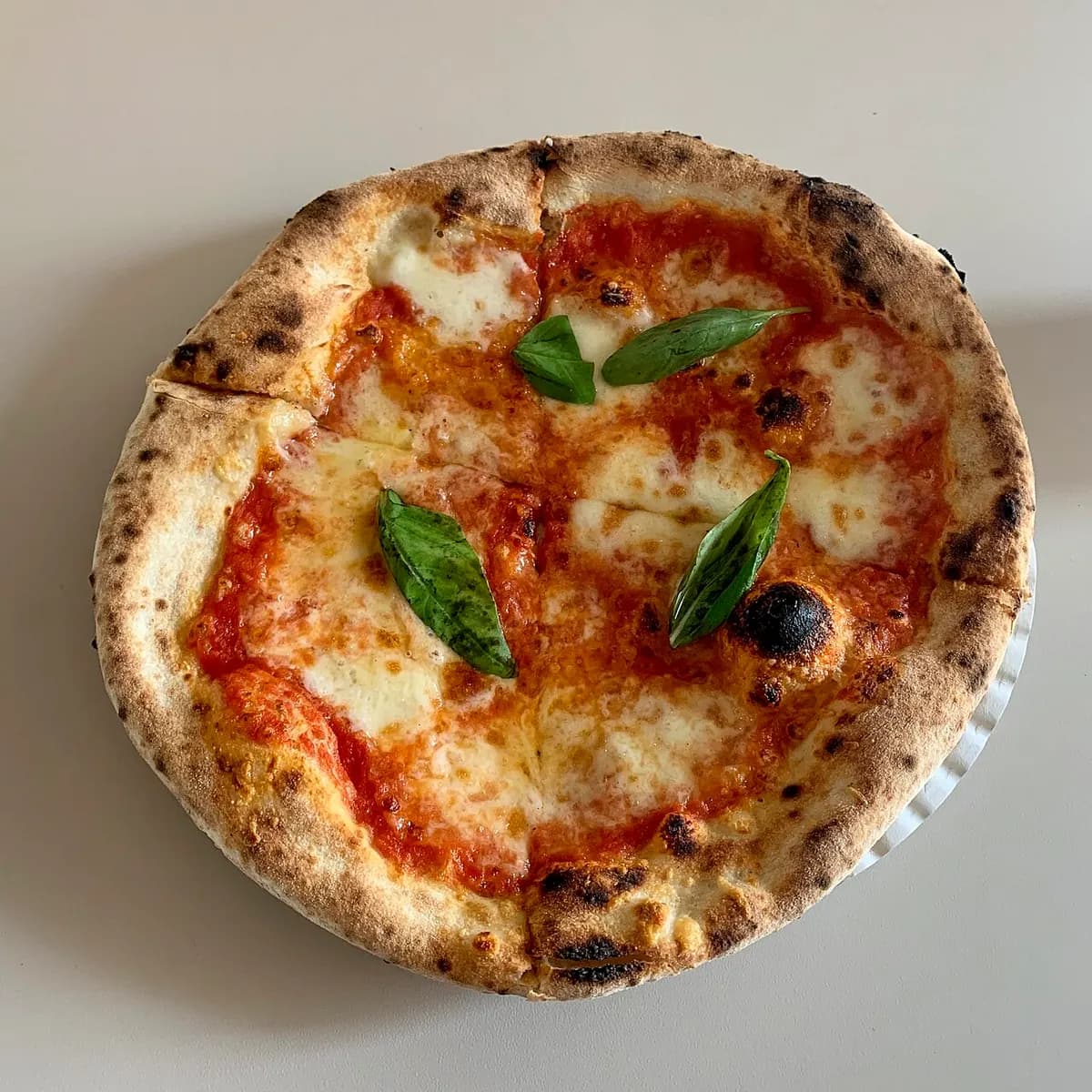
The pizza Margherita story is probably a myth
Every pizzeria tells it: in 1889 a Naples pizzaiolo invented a red, white and green pizza for Queen Margherita. Historians have found little evidence it happened.
The Post-it Note came from a failed glue
A 3M chemist made an adhesive that barely stuck. It took six years and a slipping hymn-book bookmark to find a use for it.
The same face, three different emotions
A 1920s Soviet experiment showed that audiences read emotion into an actor’s blank face, depending on the shot that came before it.
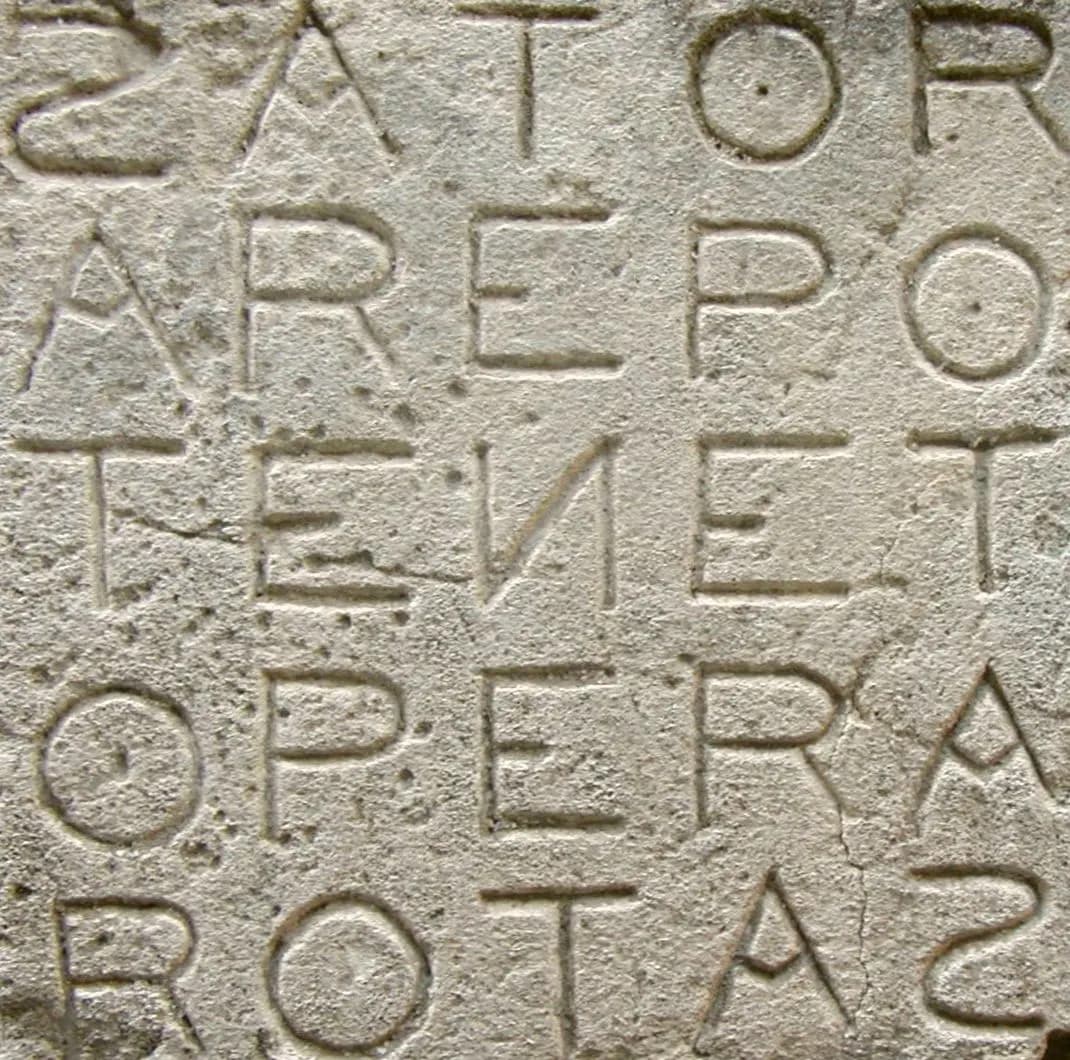
The Sator Square
A five-word Latin puzzle scratched on a wall in Pompeii reads the same in four directions. Nobody agrees on what it means.
The scream that has been in hundreds of films
One man’s scream, recorded for a 1951 western, turns up in Star Wars and Indiana Jones. It is named after a character who barely appears.
The Ship of Theseus
If you replace every plank of a ship one by one, is it still the same ship? And if someone builds a second ship from the old planks, which one is the original?
The snail in the ginger beer
A woman in Paisley, a bottle of ginger beer and a snail that was never proved to exist became the case on which the modern law of negligence rests.
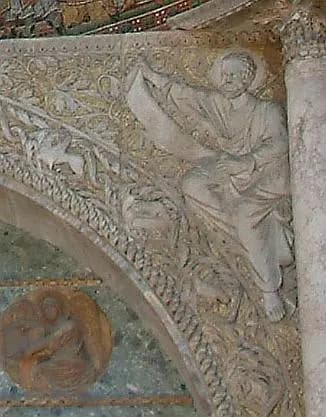
The spandrel: a by-product that looks like a purpose
Not every feature of a living thing was ‘designed’ for a job. Two biologists borrowed a word from cathedral builders to make the point, and then architects argued about whether they had the cathedral right.
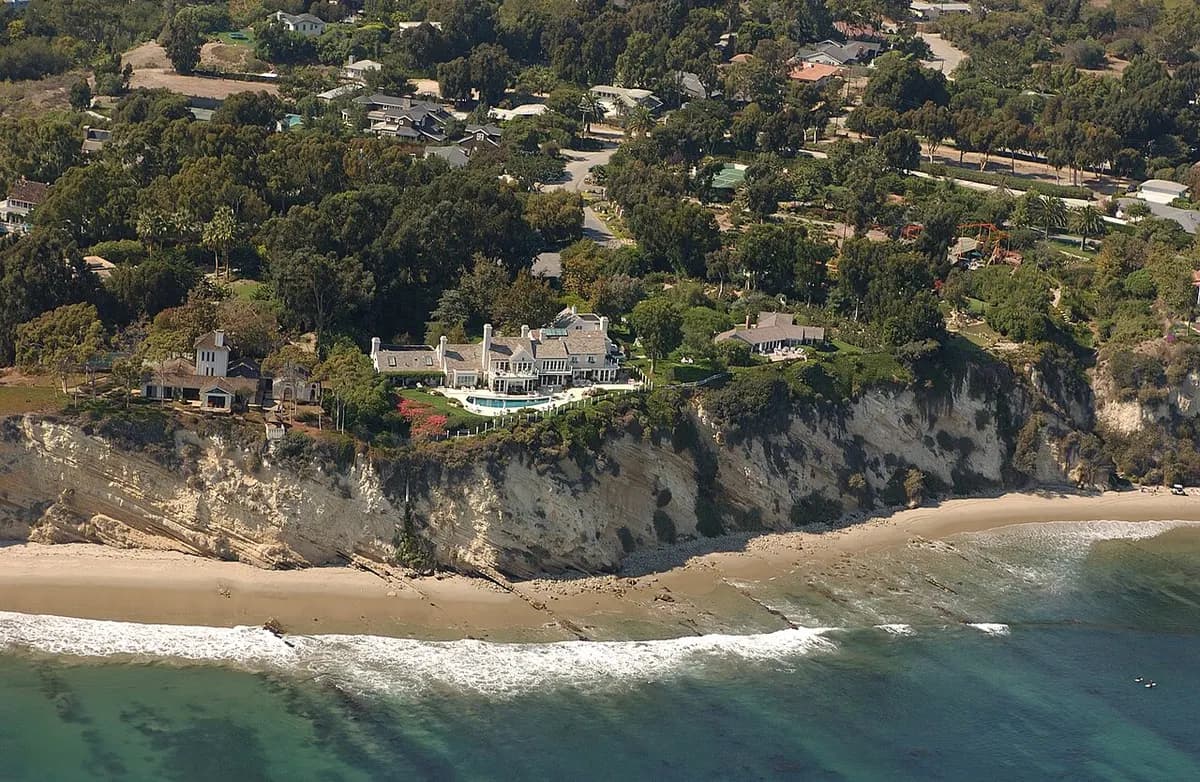
The Streisand effect
A photo of Barbra Streisand’s house had been downloaded six times. Then she sued to suppress it, and hundreds of thousands of people looked.
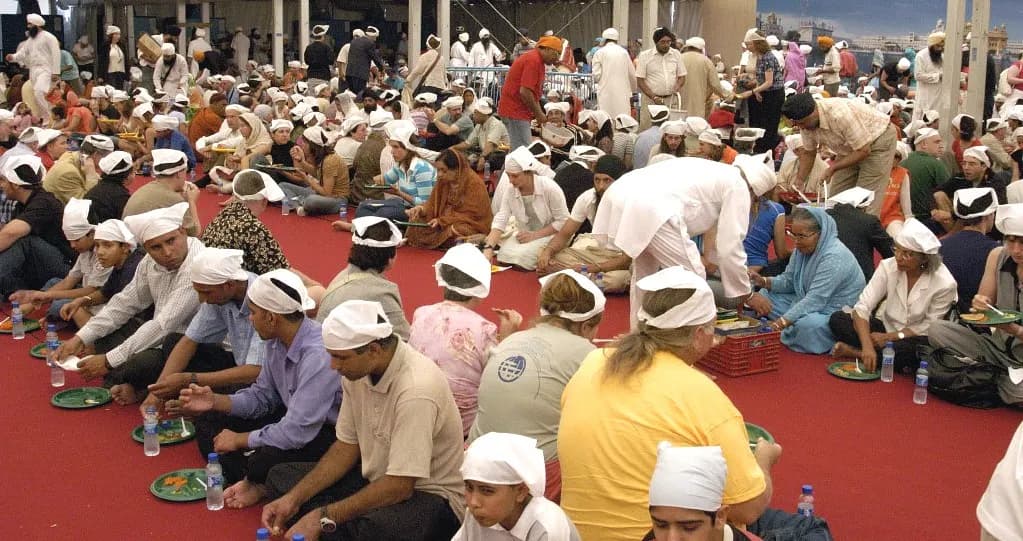
The temple kitchen that feeds tens of thousands every day, free
At the Golden Temple in Amritsar, anyone, of any religion, can sit on the floor and eat a free meal, cooked and served mostly by volunteers.

The Terracotta Army was found by farmers digging a well
In 1974 farmers near Xi’an dug into an army of more than 8,000 clay soldiers. The emperor’s tomb next to it has never been opened, and the soil around it contains unusually high levels of mercury.
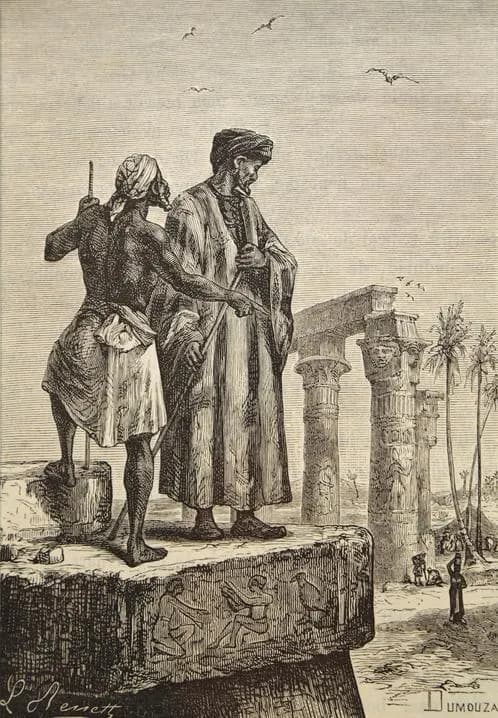
The traveller who went five times farther than Marco Polo
In 1325 a 21-year-old from Tangier set out on pilgrimage to Mecca. He came home 29 years later, having travelled an estimated 117,000 km.
The veil of ignorance
Design a society without knowing which person in it you will be, and watch what changes.
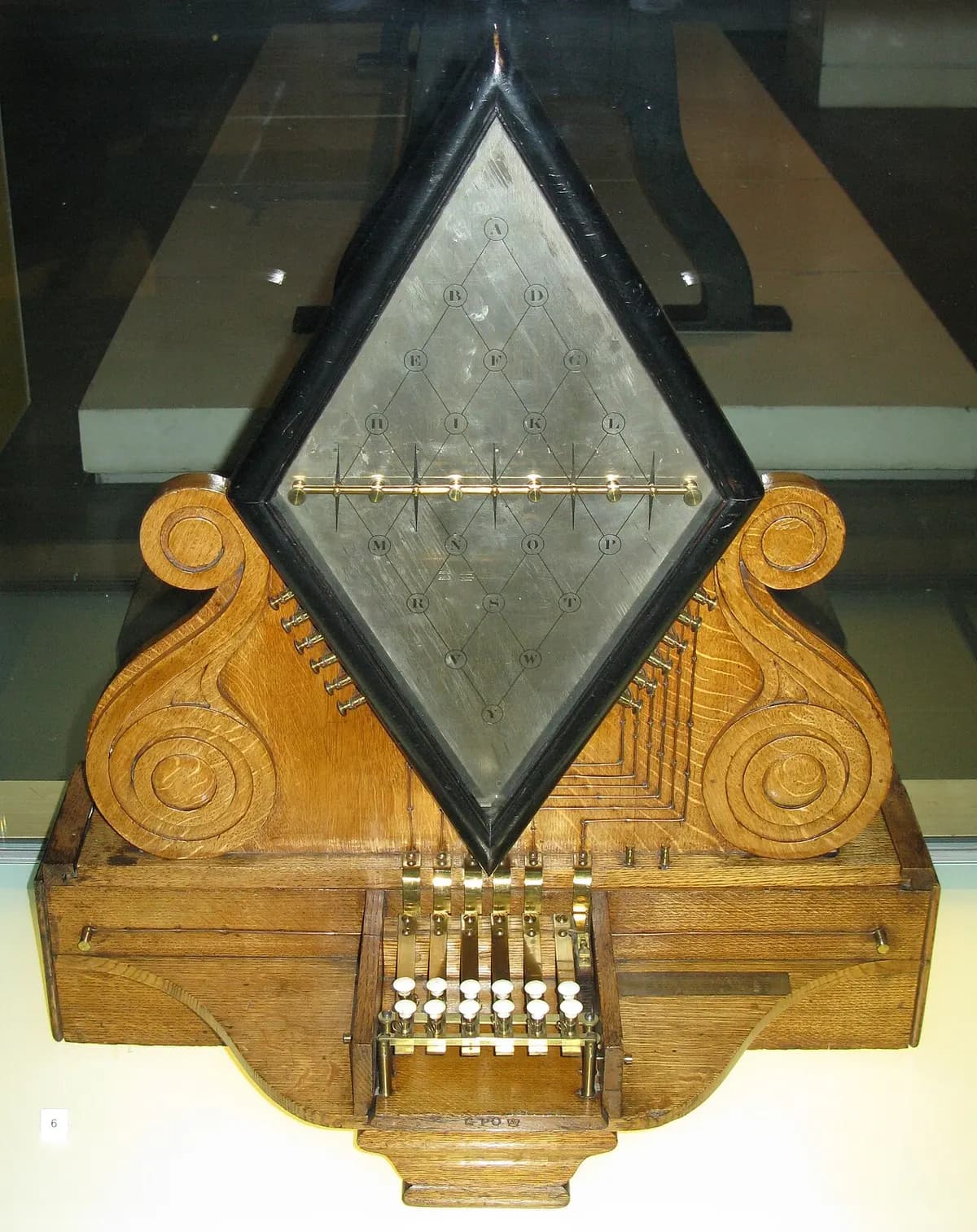
The Victorian internet
Long before email, the telegraph gave the 19th century online romance, hackers, slang and information overload.
Three meals a day is a fairly modern habit
In much of medieval northern Europe, people ate two main meals: a midday dinner and an early supper. Breakfast became normal because of towns, work and school.

Tulips are Central Asian, not Dutch
Long before the Netherlands made them famous, tulips were wild flowers of the Tian Shan and Pamir mountains, where many species still bloom every spring.
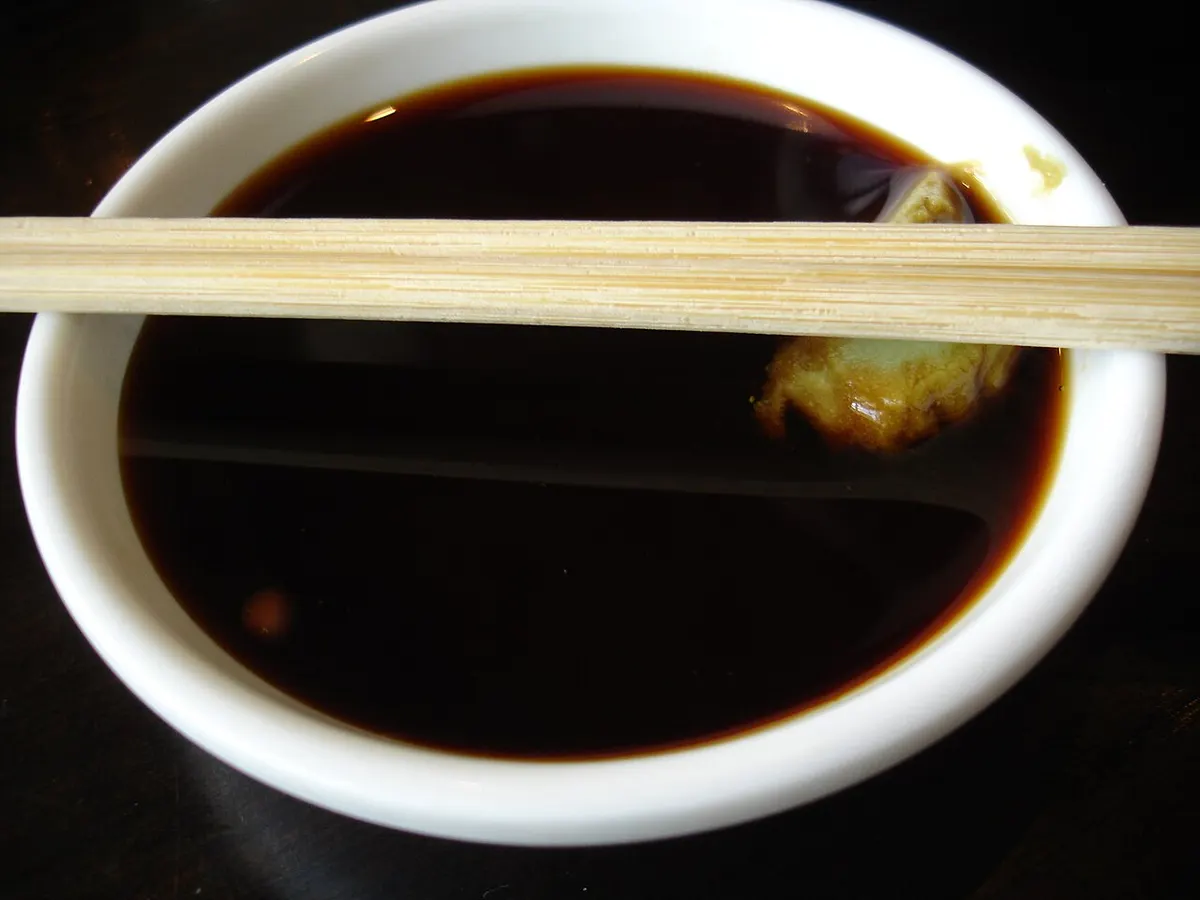
Umami: the taste discovered in a bowl of soup
In 1908 a Japanese chemist wondered why his wife’s seaweed broth tasted so good, and identified a fifth basic taste.
Venice stands on an upside-down forest
Under the palaces of Venice are millions of wooden stakes driven into the mud of the lagoon, some of them for more than a thousand years.
When a measure becomes a target
Hospitals cut waiting times by not counting patients. Schools teach to the test. The same law explains both.
Who lives in Xi’an’s Muslim Quarter
In the heart of an ancient Chinese capital is a mosque that looks like a Buddhist temple, run by a Muslim people descended partly from Silk Road traders.
Why “mama” sounds the same almost everywhere
Mandarin, Swahili, Persian and Spanish are unrelated, yet children everywhere call their mother something like “mama”. In Georgian, though, “mama” means father.
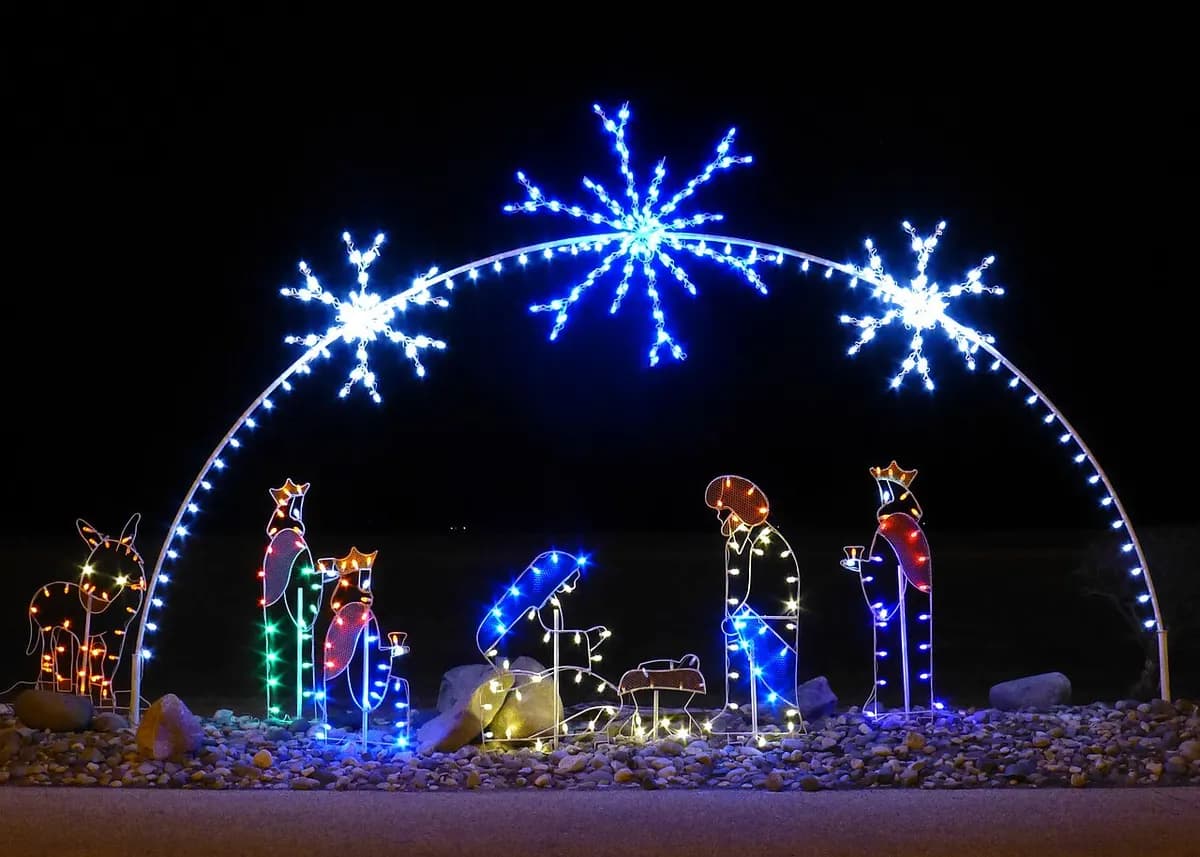
Why Christmas is on 25 December
The Bible never gives a date for Jesus’s birth. Historians have two main explanations for 25 December, and many Orthodox Christians celebrate on 7 January.
Why do we say “OK”?
The world’s most recognised word began as a deliberately misspelled joke in a Boston newspaper.
Why English spelling makes no sense
English spelling was frozen just as the language’s vowels were changing, so the spelling records an accent nobody has had for centuries.
Why lottery winners aren’t as happy as you’d think
We adapt to good fortune surprisingly fast. Psychologists call it the hedonic treadmill: you keep running and stay in the same place.
Why many Kazakhs can name seven generations of ancestors
A Kazakh child is traditionally expected to know seven fathers back, and the rule exists to prevent marriage between relatives.
Why Ramadan moves about 11 days earlier every year
The Islamic calendar follows the moon, not the sun, so Ramadan travels through every season in about 33 years.

Why the sky is blue, and not violet
Air scatters blue light more than red. By that logic the sky should be violet. Here is why it isn’t.
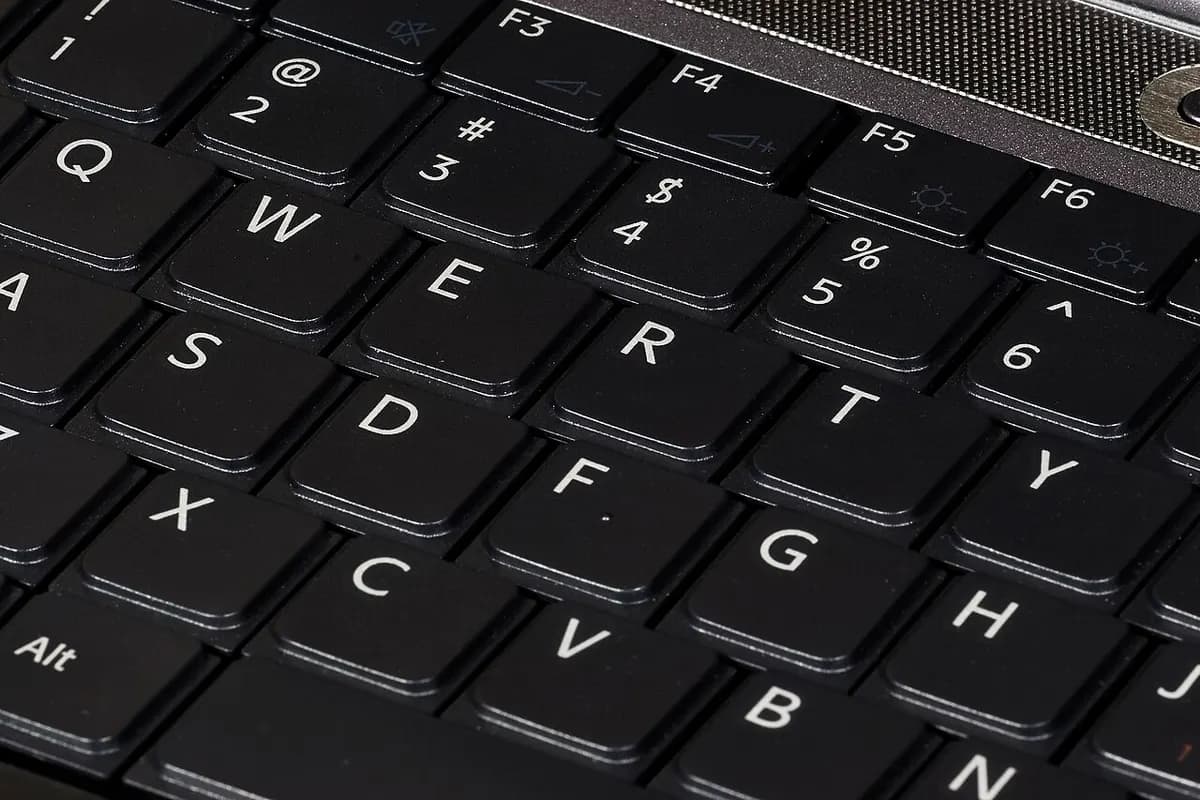
Why your keyboard says QWERTY
The layout you type on every day was designed for a machine that no longer exists, and the famous reason for it may be wrong.
Why your parents’ clothes look ridiculous, and your grandparents’ look charming
In 1937 a museum curator mapped how we feel about a style over time: “indecent” ten years early, “hideous” ten years late, “charming” after seventy.
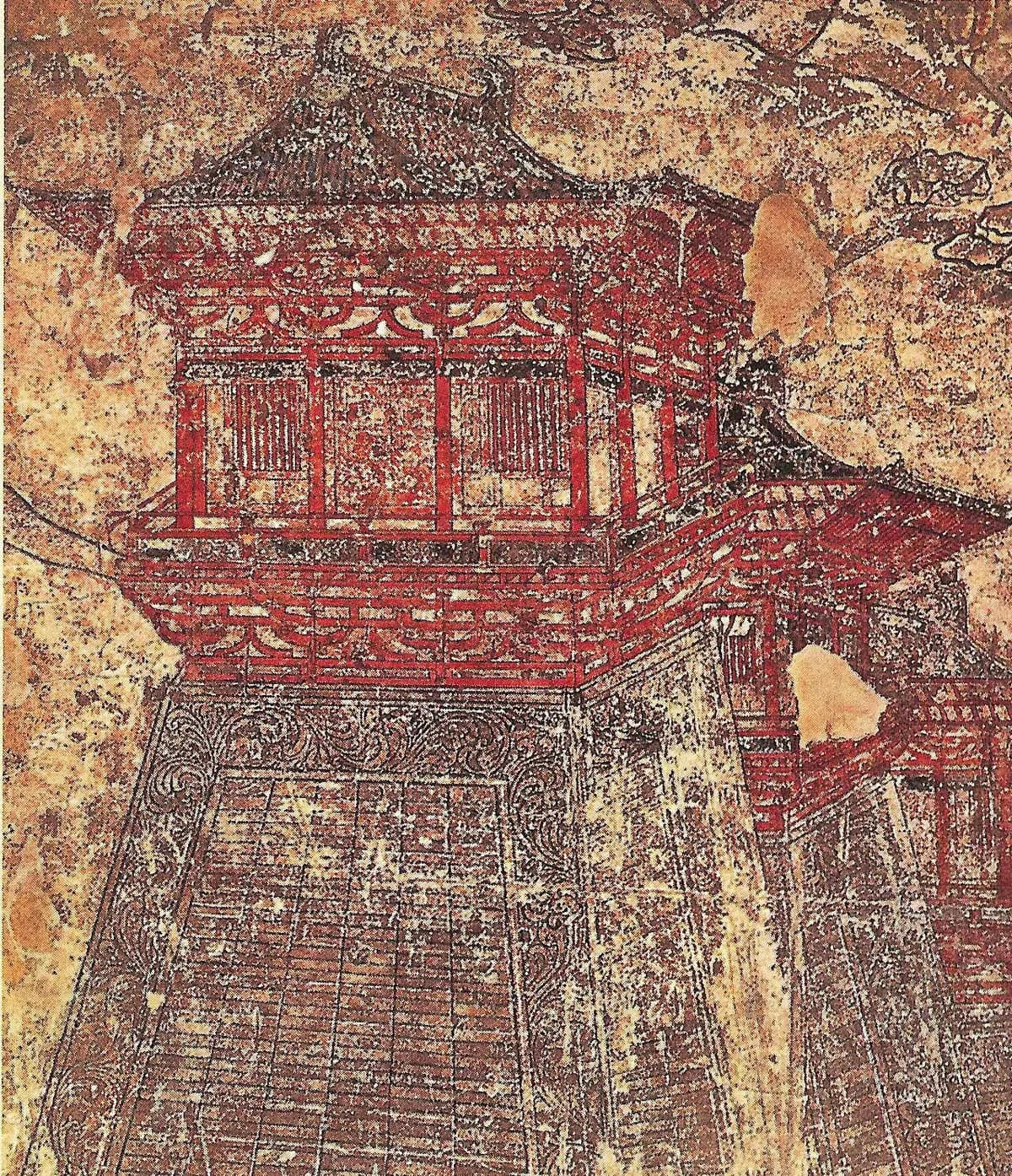
Xi’an was once one of the largest cities on Earth
Around 750, the city now called Xi’an was Chang’an: a “million-man city” at the eastern end of the Silk Road, home to Persians, Sogdians, Arabs and Christian monks.
You can’t see the Great Wall from the Moon
The famous claim was made in 1754, two centuries before anyone went to space. China’s first astronaut said he couldn’t see it.