Xi’an was once one of the largest cities on Earth
Around 750, the city now called Xi’an was Chang’an: a “million-man city” at the eastern end of the Silk Road, home to Persians, Sogdians, Arabs and Christian monks.
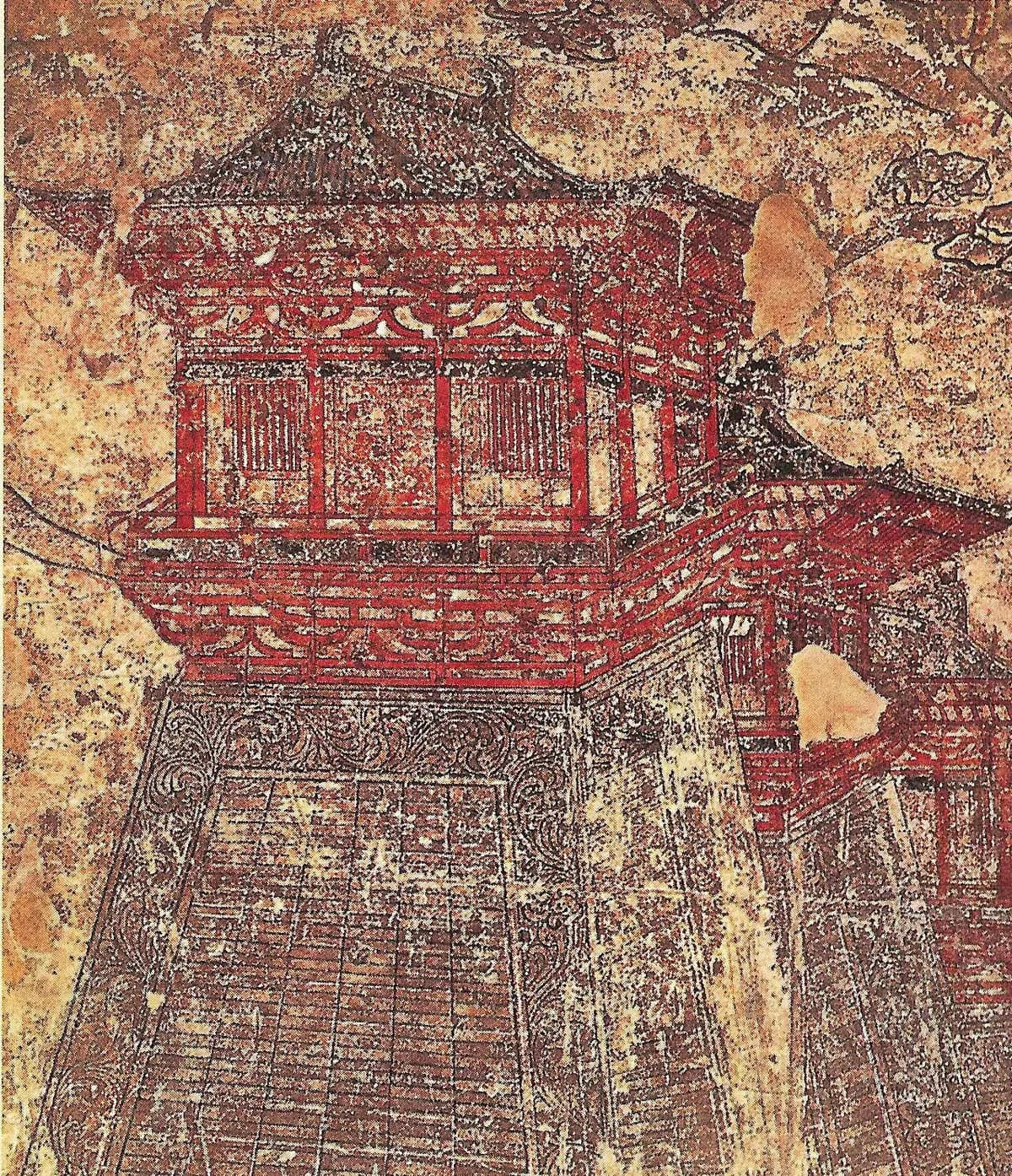
Xi’an means “Western Peace”, a name given in the Ming dynasty. For most of its history, the city was called Chang’an: “Perpetual Peace”.
A capital for a thousand years
Chang’an was the capital of several dynasties, including the Western Han and the Tang, between 202 BC and 907 AD. Chinese tradition often counts thirteen dynasties that ruled from the area, depending on how you count.
A million people
Around 750, Chinese records called Tang Chang’an a “million-man city”. Modern estimates put the population inside its walls at 800,000 to 1,000,000, with perhaps two million in the wider area. Along with Constantinople and Baghdad, it was one of the largest cities in the world.
The Tang city was laid out on a strict grid of walled wards, with two great markets:
- the East Market, for Chinese goods and crafts;
- the West Market, the Silk Road bazaar, where Persian and Central Asian merchants sold horses, jewels, glass and spices.
A cosmopolitan capital
At the eastern end of the overland Silk Road, Chang’an drew Sogdians, Persians, Arabs, Indians and monks of the Church of the East, Christians who reached China in the 7th century. Buddhism, Zoroastrianism, Manichaeism, Christianity and Islam all had communities there.
Many of them stayed. Their descendants are part of why Xi’an still has a large Muslim Quarter today.
Bring it up
“In the 8th century, Xi’an, then called Chang’an, was one of the biggest cities in the world, with Persians, Arabs and Christian monks living there.”
Follow the thread
- RelatedEvery apple you have eaten comes from Kazakhstan Silk Road traders and their animals helped carry apples out of Central Asia.
- Leads toWho lives in Xi’an’s Muslim Quarter Silk Road traders who settled in Chang’an became the ancestors of Xi’an’s Hui community.
- RelatedThe Terracotta Army was found by farmers digging a well The same region was the heart of China’s first empire, centuries earlier.
- In contrastOxford University is older than the Aztec Empire When Chang’an had a million people, Oxford didn’t yet exist.
- Related“Kazakh” and “Cossack” are the same word The steppe that the Kazakhs crossed was the same world of routes that fed the Silk Road cities.
- RelatedThe city in Kazakhstan that provoked Genghis Khan Otrar was one of the trading cities on the same Silk Road network.
- RelatedOne of the oldest faiths, and Freddie Mercury’s Zoroastrian Persians and Sogdians were among the foreign communities of Tang-era Chang’an.