Before 1492, Italy had no tomatoes and Thailand had no chillies
Many “ancient” national dishes depend on ingredients that crossed the Atlantic after Columbus. Some of them are surprisingly recent.
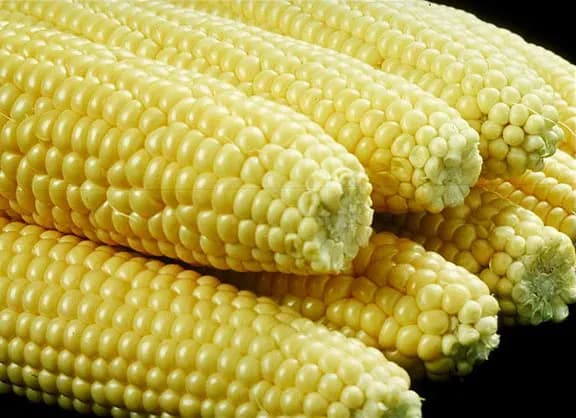
Picture Italian food without tomato sauce, Irish food without potatoes, Thai or Sichuan food without chillies, or Swiss chocolate. Before 1492, none of those were possible. Tomatoes, chillies, potatoes, maize, vanilla and cacao all come from the Americas.
The historian Alfred Crosby called the huge transfer of plants, animals and diseases between the hemispheres the Columbian exchange.
Italy and the suspicious tomato
The earliest Italian record of tomatoes is from 1548, when a basket arrived at the Medici household in Florence. But the plant is a relative of deadly nightshade, and many Europeans assumed it was poisonous. In Florence it was mainly a table decoration until the late 17th century. The first cookbook with tomato recipes was printed in Naples in 1692. Pairing tomato sauce with pasta came later still.
Chillies conquer Asia
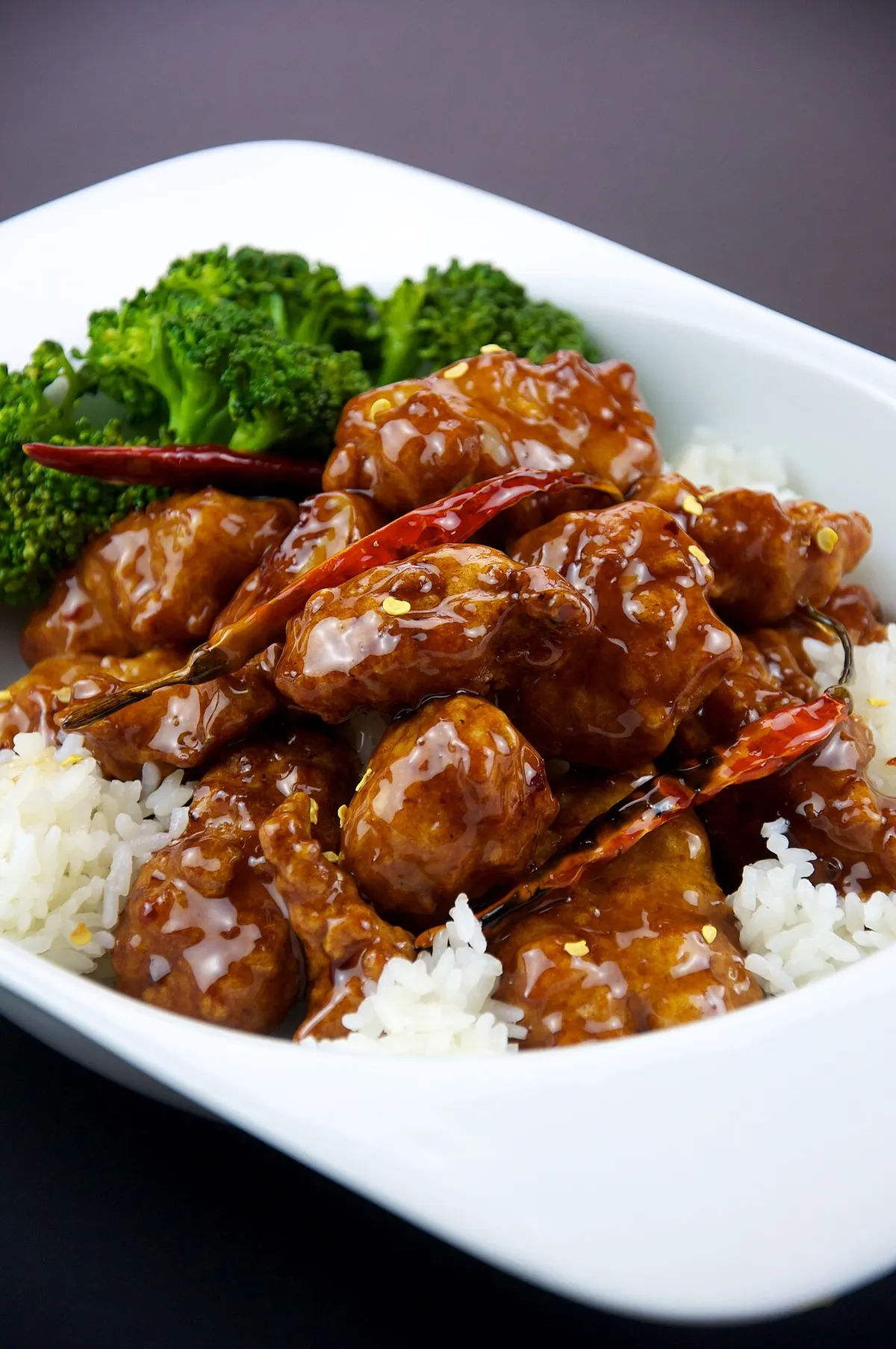
Chillies spread astonishingly fast. Portuguese and Spanish traders carried them to India, Southeast Asia and China during the 1500s. Within a few generations they were central to cuisines from Goa to Sichuan to Thailand.
Asian food wasn’t bland before that. Black pepper, native to India, plus ginger, galangal and Sichuan pepper all provided heat. On History Stack Exchange, people asking whether “all spicy food is from Latin America” are usually told exactly this: the chilli is American, but the love of heat is much older.
A useful takeaway: “traditional” and “ancient” are not the same thing. Many national dishes are only a few centuries old.
Bring it up
“Thai food had no chillies before the 1500s, and Italians mostly used tomatoes as decoration for over a century.”
Follow the thread
- RelatedEvery apple you have eaten comes from Kazakhstan Another case of a familiar food whose homeland is far from where people assume.
- RelatedSpicy isn’t a taste. It’s pain. Why chillies are hot, and why people around the world learned to love them.
- Leads toThe pizza Margherita story is probably a myth The Neapolitan pizza depends on an American fruit.
- RelatedCarrots used to be purple Another vegetable reshaped by human trade and selection.
- RelatedThe banana your grandparents ate is gone Global trade spreads crops, and the diseases that kill them.
- RelatedSichuan pepper makes your lips buzz at 50 Hz Sichuan pepper gave Chinese food its tingle long before chillies arrived from the Americas.
- RelatedTempura was brought to Japan by the Portuguese The same Portuguese ships carried chillies across Asia.
- RelatedThree meals a day is a fairly modern habit What we eat, like when we eat, is more recent than it feels.
- RelatedUmami: the taste discovered in a bowl of soup Ripe tomatoes, an American import, are one of Europe’s richest everyday sources of glutamate.