The banana your grandparents ate is gone
Until the 1950s, the world’s export banana was the Gros Michel. A fungus wiped it out, and the Cavendish we eat today may face the same fate.
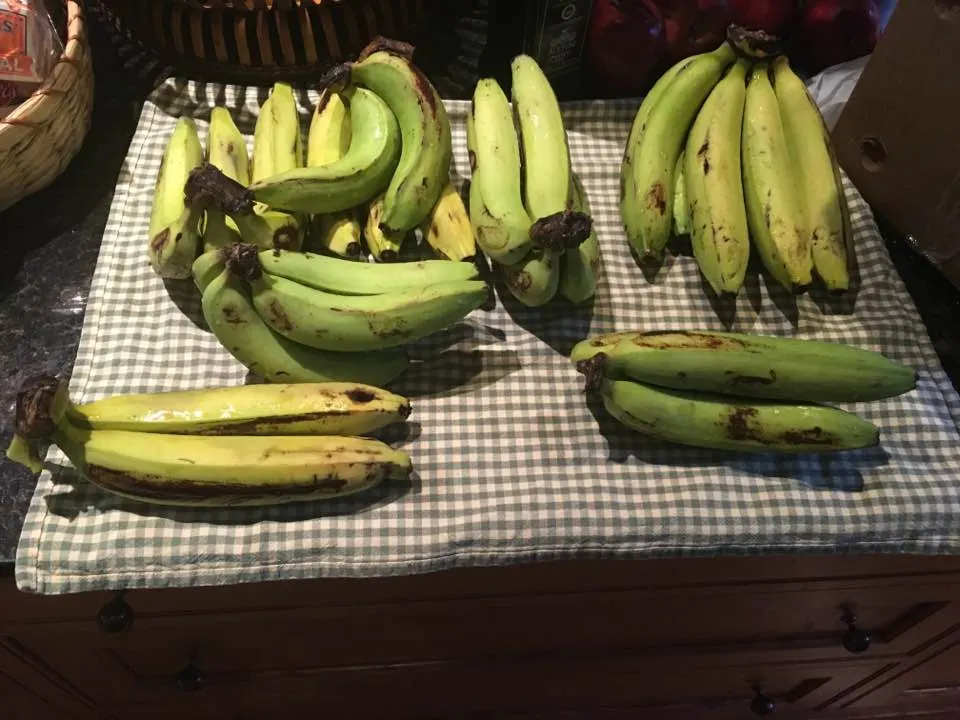
For the first half of the 20th century, the banana in shops in Europe and North America was the Gros Michel (“Big Mike”): bigger, thicker-skinned and, people said, sweeter than today’s banana.
A clone army
Commercial bananas don’t grow from seeds. They are propagated from cuttings, so every plant of a variety is genetically nearly identical. That makes plantations efficient, and extremely vulnerable.
In the 1950s, Panama disease, caused by the soil fungus Fusarium oxysporum, swept through Central American plantations. The Gros Michel had no resistance. By the 1960s exporters had switched to the Cavendish, which was resistant to that strain.
The flavour myth
A popular story, repeated in forum threads whenever bananas come up, says artificial banana flavouring tastes “wrong” because it was modelled on the Gros Michel. It’s a myth. The main flavouring compound, isoamyl acetate, is a simple chemical that was never based on a particular variety. It may just happen to be closer to the Gros Michel.
Memories of the old banana’s taste come mostly from personal accounts: grandparents remembering a bigger, sweeter fruit. That’s an anecdote rather than measured data, but it’s a widely shared one.
History repeating
A new strain, Tropical Race 4, now attacks the Cavendish. The world again depends on a single clone. The Gros Michel is still grown in some regions free of the disease, and you can find it if you look.
Bring it up
“The banana everyone ate until the 1950s was a different variety. A fungus wiped it out, and the one we eat now is at risk too.”