Nature
Animals, plants and other living strangeness.
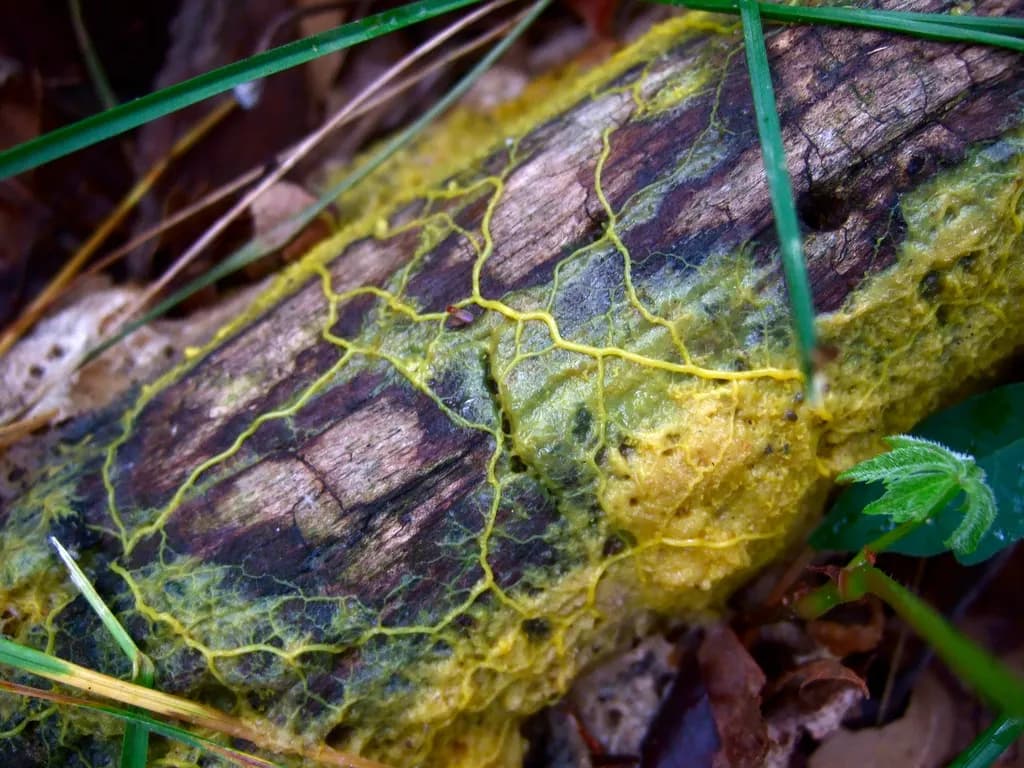
A slime mould designed the Tokyo rail network
Scientists put oat flakes where Tokyo’s cities are. A brainless single-celled organism grew a network remarkably like the real railway.
Carrots used to be purple
The earliest cultivated carrots were purple and yellow. The orange carrot became dominant in the Netherlands, and a famous patriotic explanation for it is probably a myth.
China owns nearly every giant panda on Earth
The pandas in zoos from Washington to Vienna are on loan. China charges rent, and even cubs born abroad belong to Beijing.
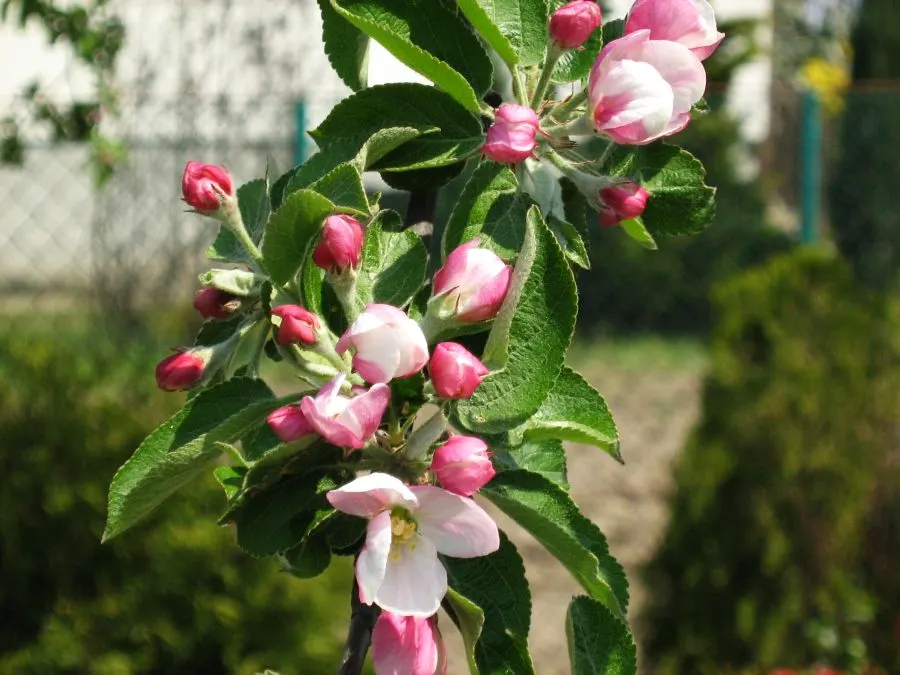
Every apple you have eaten comes from Kazakhstan
The main wild ancestor of the domestic apple still grows in forests in the mountains around Almaty, a city whose name is often linked to the Kazakh word for apple.
How a meat-eater’s body survives on bamboo
The giant panda is a bear with a carnivore’s gut, eating a plant it can barely digest. It survives by eating almost constantly and spending almost no energy.
In Britain, it’s an offence to handle salmon in suspicious circumstances
It sounds like a joke law. It’s real, it’s still in force, and it has a sensible purpose.
Kazakhstan brought half of a dying sea back to life
The Aral Sea was once the world’s fourth-largest lake. Soviet irrigation drained it into a desert, but a dam built by Kazakhstan in 2005 revived its northern part, and the fish came back.
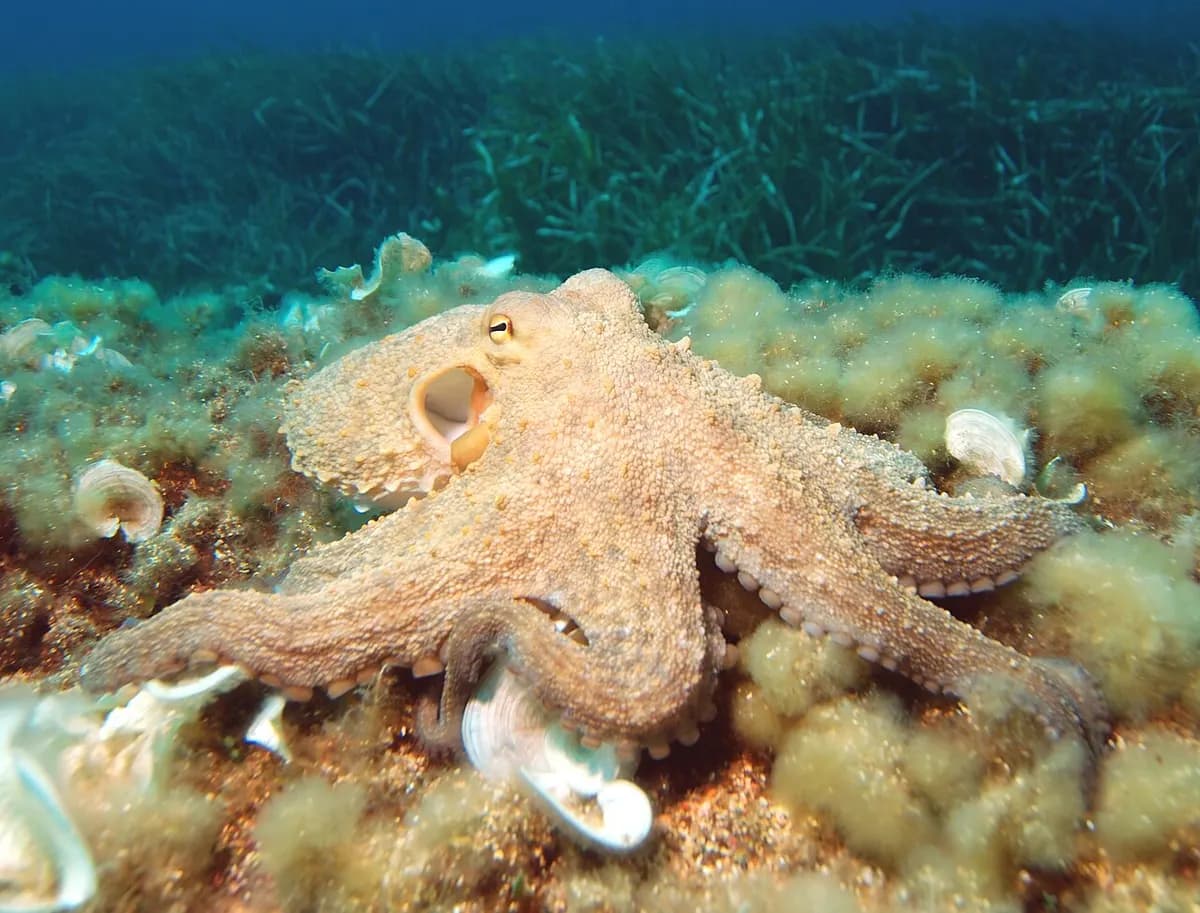
Octopuses have three hearts and blue blood
Two hearts pump blood through the gills, one pumps it to the body, and that one stops beating when the octopus swims.
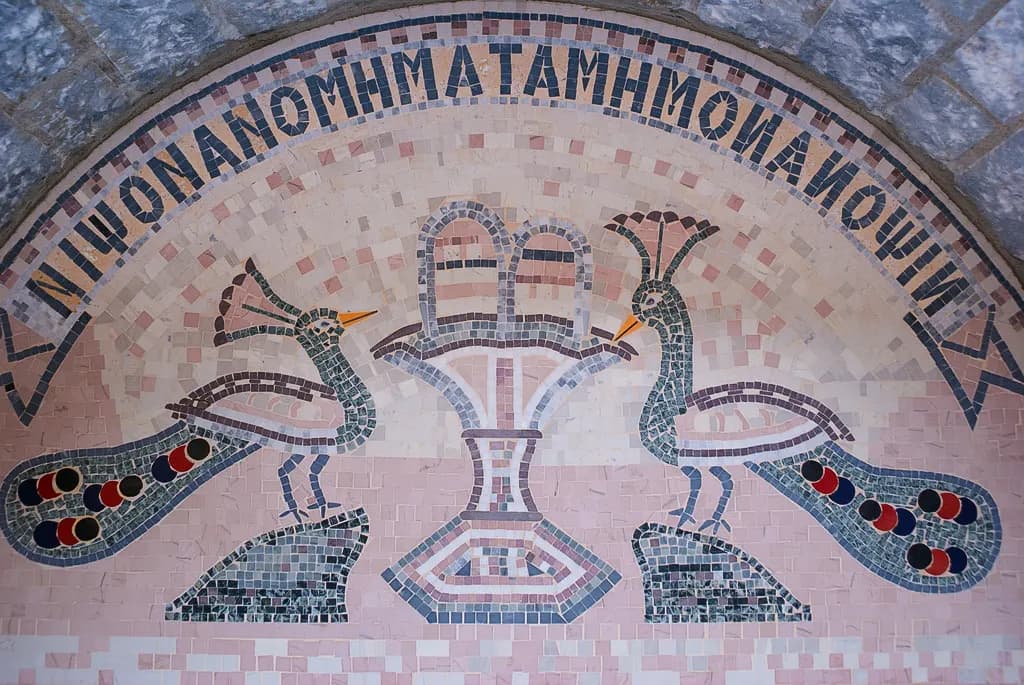
Palindromes are written into your DNA
“A man, a plan, a canal: Panama” has a molecular cousin: your genome is full of sequences that read the same in both directions.
Pandas are almost absent from classical Chinese art
Dragons, tigers, cranes and even crickets fill Chinese painting and poetry. The animal now synonymous with China barely appears at all.
Spicy isn’t a taste. It’s pain.
Chilli “heat” triggers the same receptor that detects a burn. Birds can’t feel it, and that seems to be the point.
The “last wild horse” descends from tamed horses of the Kazakh steppe
5,500 years ago, people at Botai in northern Kazakhstan were bridling horses and probably milking mares. Their horses’ descendants became Przewalski’s horse, long thought to be truly wild.
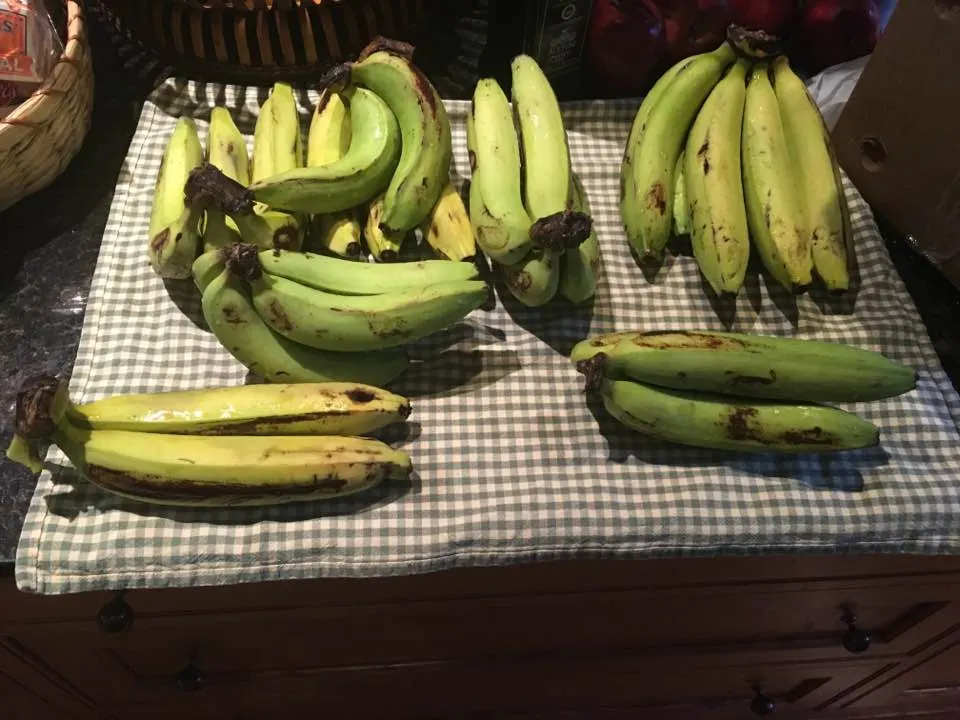
The banana your grandparents ate is gone
Until the 1950s, the world’s export banana was the Gros Michel. A fungus wiped it out, and the Cavendish we eat today may face the same fate.
The golden ratio is less magic than you’ve heard
φ ≈ 1.618 really does appear in sunflowers and pentagons. Most claims about the Parthenon, the Mona Lisa and “perfect beauty” are myths.
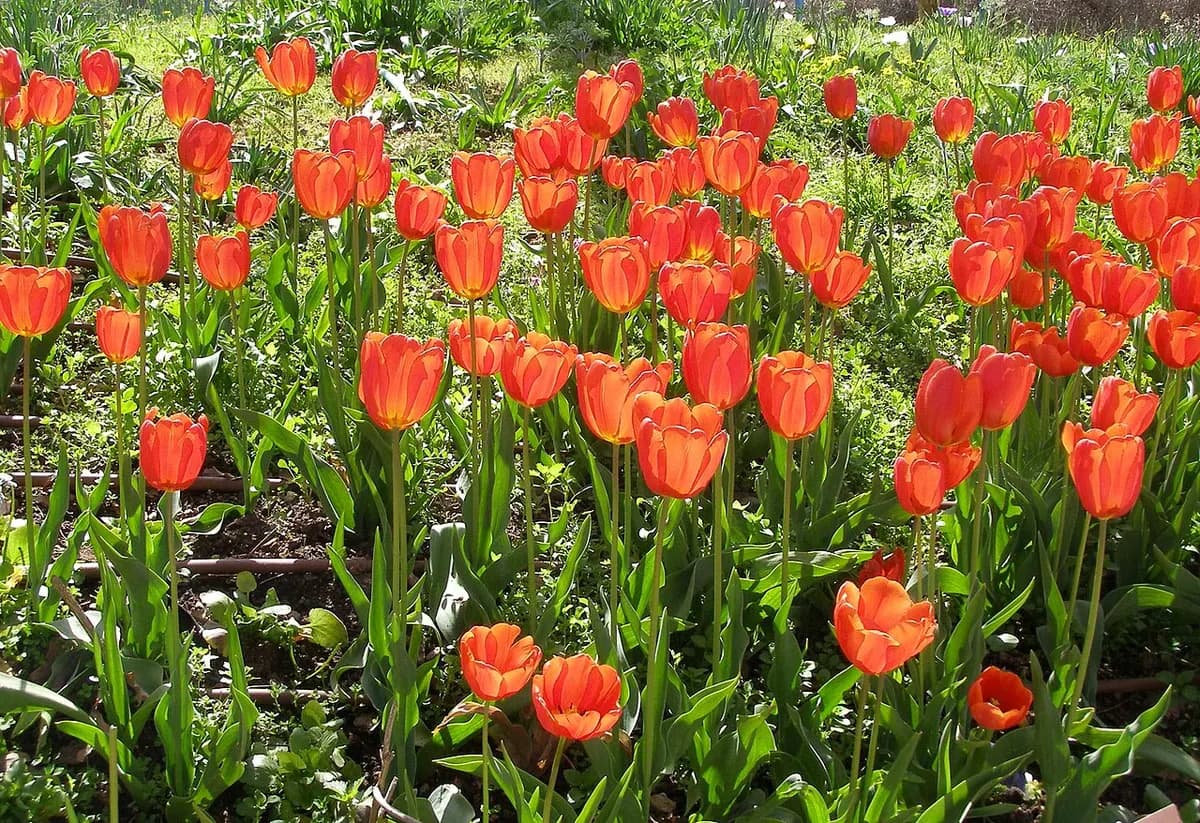
Tulips are Central Asian, not Dutch
Long before the Netherlands made them famous, tulips were wild flowers of the Tian Shan and Pamir mountains, where many species still bloom every spring.
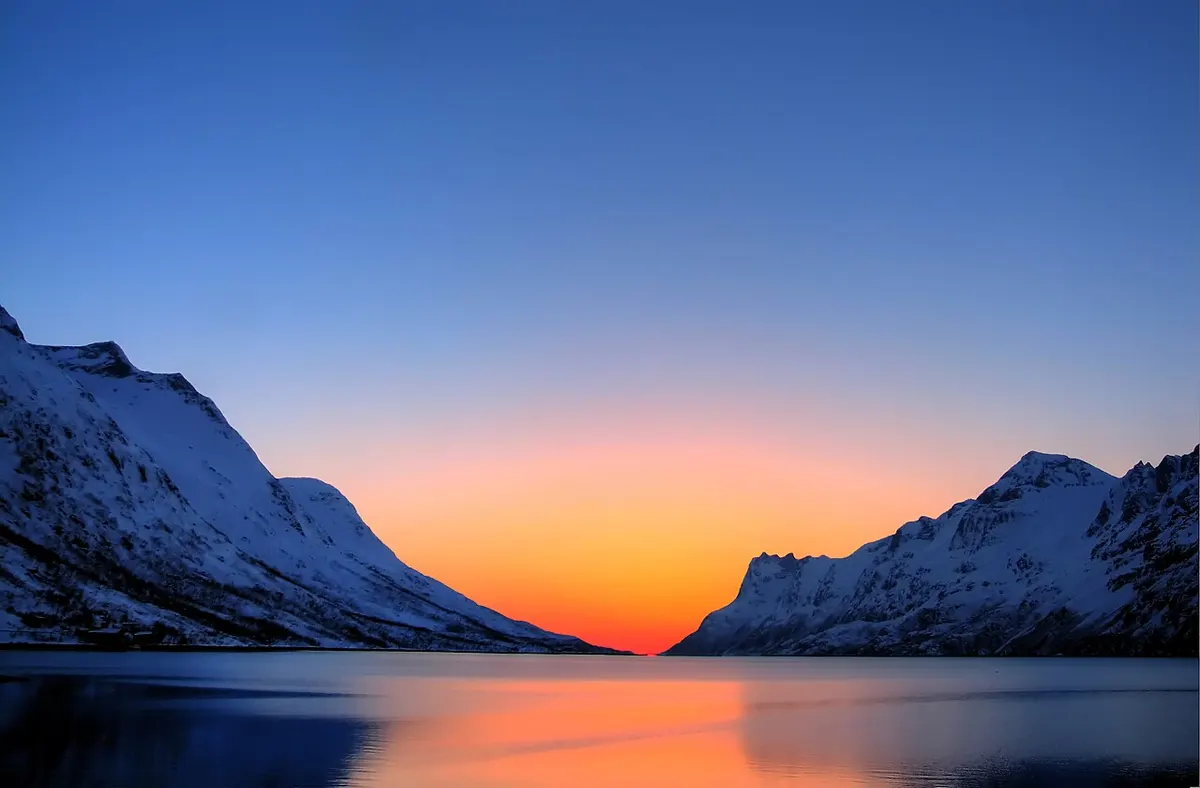
Why the sky is blue, and not violet
Air scatters blue light more than red. By that logic the sky should be violet. Here is why it isn’t.