Tulips are Central Asian, not Dutch
Long before the Netherlands made them famous, tulips were wild flowers of the Tian Shan and Pamir mountains, where many species still bloom every spring.
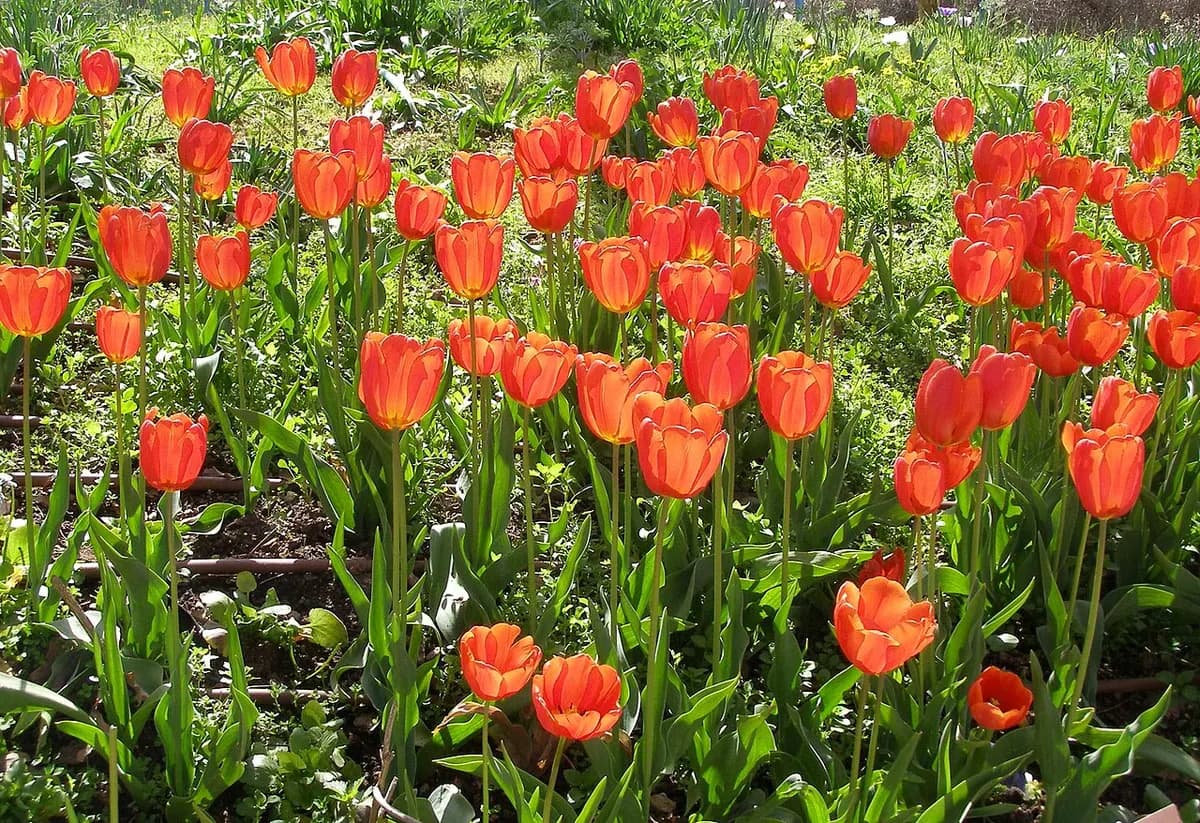
Ask where tulips come from and most people say the Netherlands. The Dutch made them famous, but tulips are wild plants of Central Asia. The centre of their diversity is the Pamir-Alai and Tian Shan mountains, a region that includes southern Kazakhstan, where wild species such as Tulipa greigii and Tulipa alberti bloom across the hills each spring.
The road west
Tulips were cultivated and loved in the Ottoman Empire, where they became a symbol of luxury and appeared in art and textiles. From there they reached Western Europe. The Flemish botanist Carolus Clusius grew them in Vienna in 1573 and, after moving to Leiden University, planted them there. They first flowered in the Netherlands in 1594.
Mania
Within forty years, rare tulip bulbs, especially “broken” ones with flame-like streaks of colour, were selling for extraordinary sums. Between 1634 and 1637 the trade became tulip mania, often called the first recorded speculative bubble, before prices collapsed in early 1637.
The streaks, it later turned out, were caused by a virus that weakened the bulbs.
How bad was it?
The traditional story says tulip mania ruined thousands and devastated the Dutch economy. The historian Anne Goldgar, who studied the archival records, argues that this was greatly exaggerated. Relatively few people were involved and few were ruined, and much of the drama came from moralising pamphlets afterwards. The bubble was real; the catastrophe is debated.
Next time you see a field of Dutch tulips, it’s worth remembering they started out as wild flowers on Kazakh mountainsides.
Bring it up
“Tulips aren’t originally Dutch. They’re wild flowers from the mountains of Central Asia, including Kazakhstan.”
Follow the thread
- Same patternEvery apple you have eaten comes from Kazakhstan Apples and tulips both trace their wild roots to the same Central Asian mountains.
- RelatedHow trends spread, from royal courts to TikTok Tulip mania is a classic case of a fashion turning into a speculative frenzy.
- RelatedDo skirts really get shorter when the economy booms? Another famous story linking fashion and the economy, where the details are more debated than the legend.