Economics
Incentives, prices and unintended consequences.
AI has gone through “winters” before
In 1970 a founder of AI predicted human-level machines within three to eight years. Within a few years funding collapsed, and it collapsed again in the late 1980s.
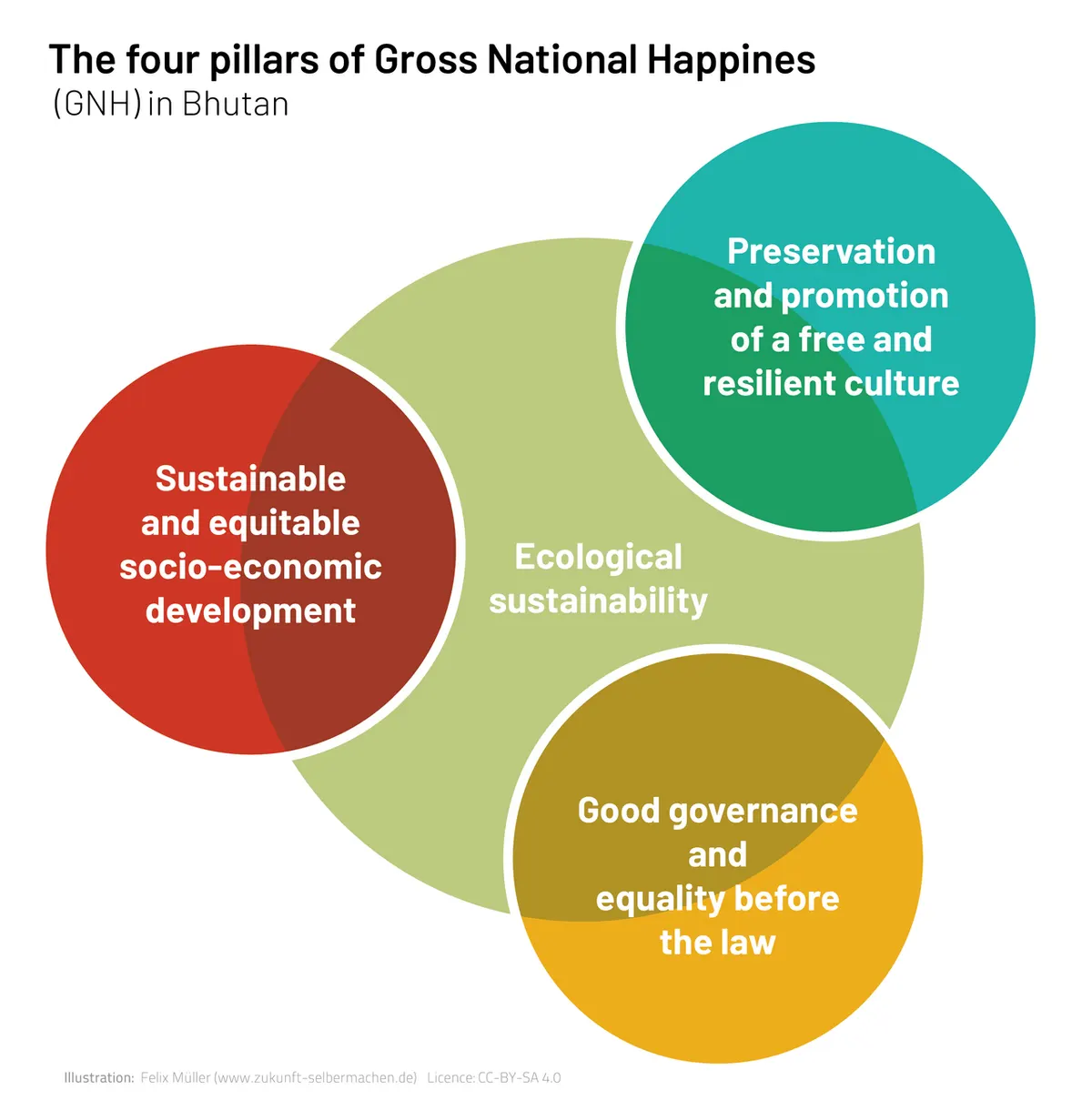
Bhutan measures Gross National Happiness
In 1972 Bhutan’s young king declared that happiness mattered more than GDP. The idea reached the UN, and also attracted serious criticism.
China owns nearly every giant panda on Earth
The pandas in zoos from Washington to Vienna are on loan. China charges rent, and even cubs born abroad belong to Beijing.
Do skirts really get shorter when the economy booms?
The “hemline index” says hemlines rise with stock prices. It’s usually credited to an economist in 1926, who didn’t actually propose it.
Fibonacci’s real legacy wasn’t the sequence
The rabbit puzzle made him famous, but Fibonacci’s real impact was teaching Europe to write numbers the way we do now.
Kazakhstan brought half of a dying sea back to life
The Aral Sea was once the world’s fourth-largest lake. Soviet irrigation drained it into a desert, but a dam built by Kazakhstan in 2005 revived its northern part, and the fish came back.

Leonardo’s math teacher wrote the first guide to accounting
The friar who taught Leonardo da Vinci mathematics also published the first printed guide to double-entry bookkeeping, the system nearly every company still uses.
The Big Mac index
A 1986 joke in The Economist became one of the most cited ways to compare currencies, using the price of a hamburger.
The cobra effect: when rewards backfire
Pay people to kill pests and some of them will start breeding pests. The famous cobra version may be a legend, but the rat version in Hanoi really happened.

Tulips are Central Asian, not Dutch
Long before the Netherlands made them famous, tulips were wild flowers of the Tian Shan and Pamir mountains, where many species still bloom every spring.
When a measure becomes a target
Hospitals cut waiting times by not counting patients. Schools teach to the test. The same law explains both.
Why lottery winners aren’t as happy as you’d think
We adapt to good fortune surprisingly fast. Psychologists call it the hedonic treadmill: you keep running and stay in the same place.