Tempura was brought to Japan by the Portuguese
One of Japan’s most iconic dishes arrived with Portuguese missionaries and traders in the 16th century, and its name may come from Latin.
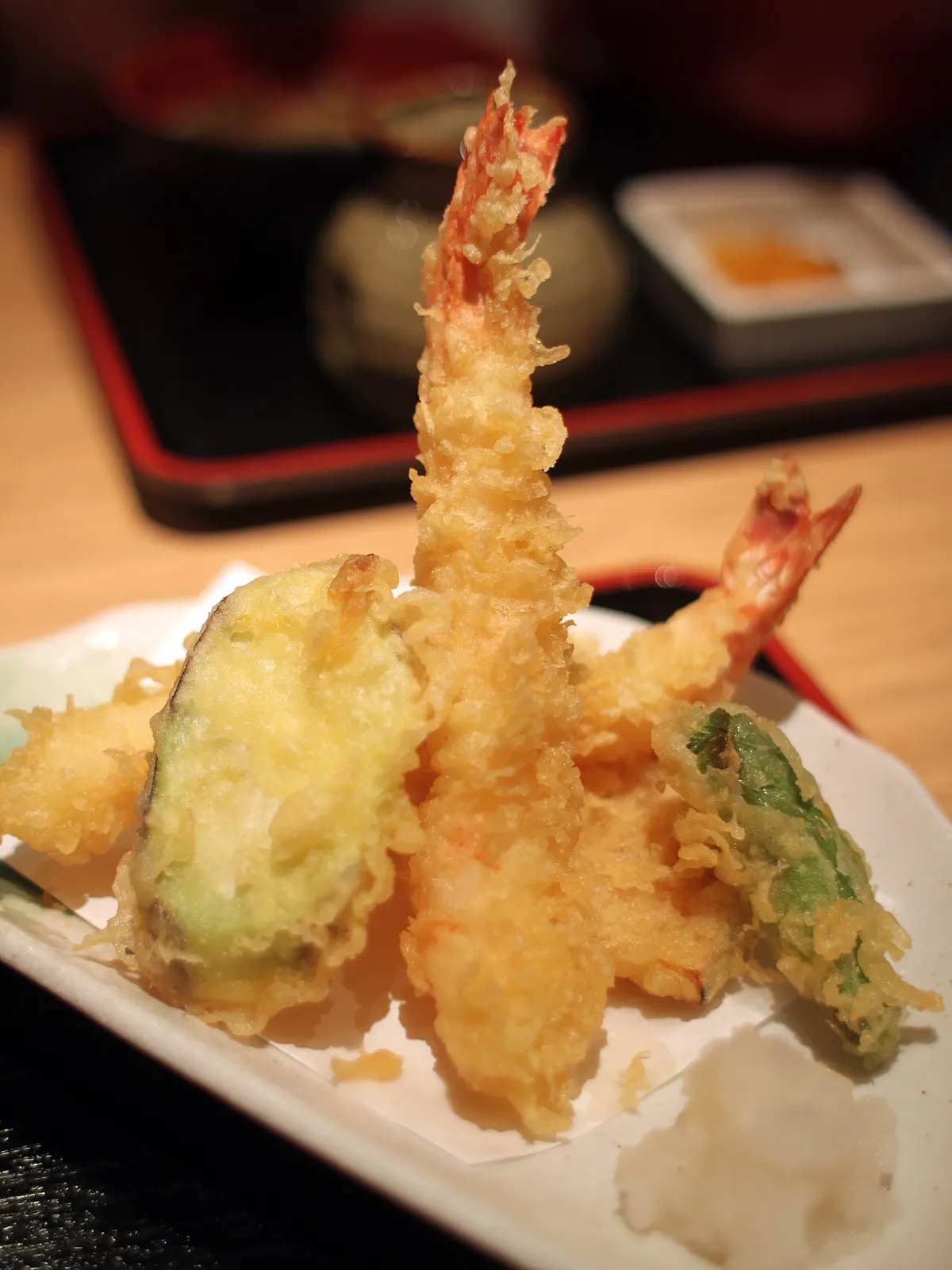
In 1543 a ship carrying Portuguese sailors landed on the Japanese island of Tanegashima, the first contact between Japan and Europe. Traders and Jesuit missionaries followed, and the port of Nagasaki became their base.
They brought guns, Christianity, bread and a cooking technique: dipping food in batter and deep-frying it.
Little fish from the garden
A likely ancestor of tempura is the Portuguese peixinhos da horta, “little fish from the garden”: green beans dipped in batter and fried until they look like small fried fish. It was a dish for days when Catholics abstained from meat.
The name
The most widely accepted theory says tempura comes from the Latin tempora, “times”, as in the quatuor anni tempora, the Ember Days: seasonal fasting days when Catholics ate fish and vegetables instead of meat. An alternative links it to Portuguese tempero, “seasoning”. The Latin explanation is better supported.
Becoming Japanese
During the Edo period the batter was simplified to flour, egg and cold water, and tempura became a popular street food in Edo (today’s Tokyo), sold from stalls alongside sushi and soba. The technique was foreign, but the light, crisp result is entirely Japanese.
Bring it up
“Tempura is originally Portuguese. The name probably comes from the Catholic fasting days when they ate fried vegetables instead of meat.”
Follow the thread
- RelatedTea if by sea, chai if by land The Portuguese carried words as well as food: chá through Macau, tempura to Japan.
- Same patternKetchup started out as a fish sauce Food words that travelled along trade routes and changed meaning on the way.
- RelatedJapan learned curry from the British Navy Another foreign dish that Japan adopted and made entirely its own.
- RelatedBefore 1492, Italy had no tomatoes and Thailand had no chillies The same Portuguese ships carried chillies across Asia.