Umami: the taste discovered in a bowl of soup
In 1908 a Japanese chemist wondered why his wife’s seaweed broth tasted so good, and identified a fifth basic taste.
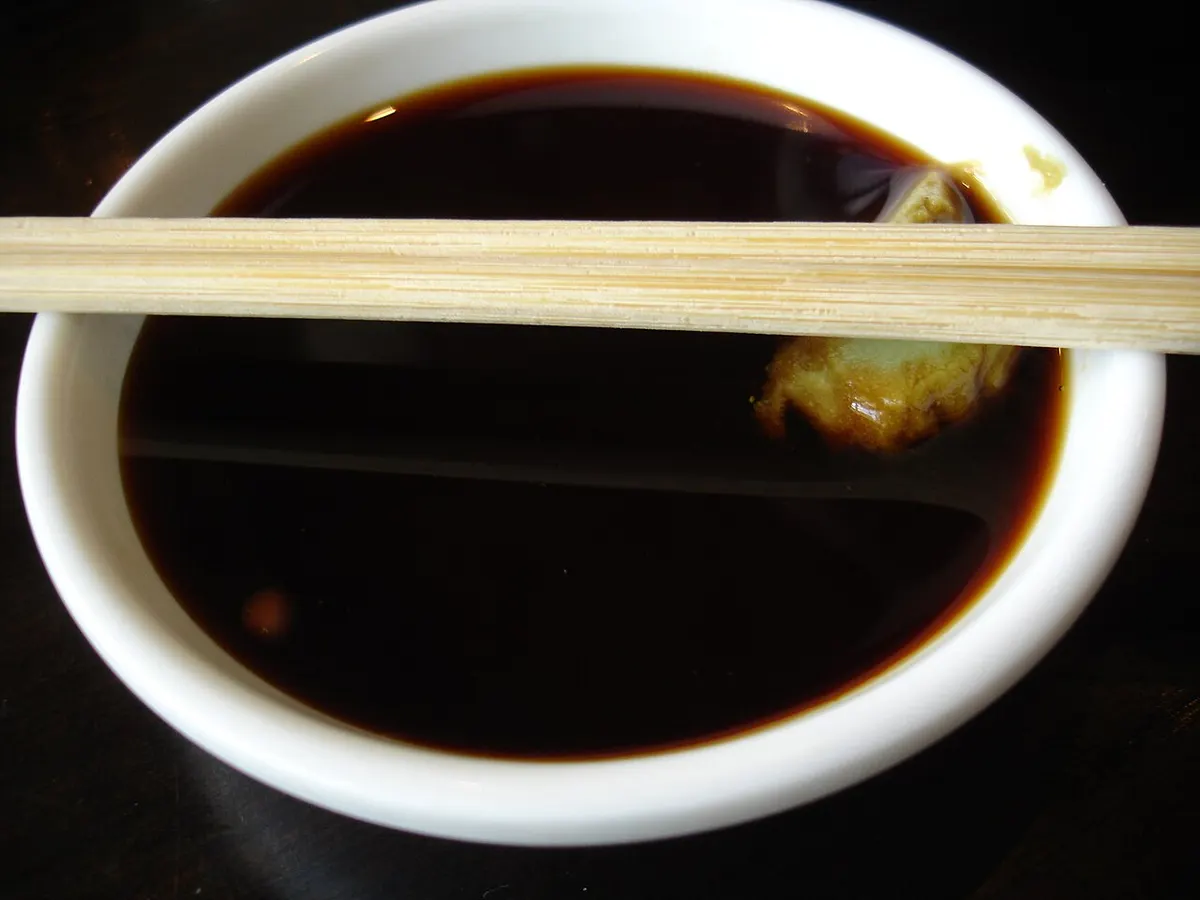
Western science long recognised four basic tastes: sweet, sour, salty and bitter. Kikunae Ikeda, a chemist at Tokyo Imperial University, was sure there was another one. It was the deep, savoury taste of dashi, the Japanese broth made from kombu seaweed.
In 1908 he worked out what caused it: glutamate, an amino acid. He named its taste umami, from umai, “delicious”. A popular account says the question came to him over a bowl of his wife’s soup.
From lab to shelf
In 1909 Ikeda and the businessman Saburōsuke Suzuki founded Ajinomoto and sold monosodium glutamate (MSG), the world’s first umami seasoning. Other researchers found more umami substances: inosinate in dried bonito flakes (1913) and guanylate in shiitake mushrooms (1957). They also found that combining them makes the taste much stronger, which is why dashi uses both kombu and bonito.
The long wait for acceptance
Western scientists were sceptical for most of the century. “Umami” was formally adopted as a scientific term in 1985, and receptors for it on the tongue were identified around 2000.
You already love it
Parmesan, ripe tomatoes, anchovies, soy sauce, mushrooms, cured ham and the ancient Roman fish sauce garum are all rich in umami. Many cuisines discovered it independently; Ikeda gave it a name.
Bring it up
“Umami was discovered in 1908 by a chemist analysing kombu broth, but Western scientists didn’t fully accept it as a basic taste until about 2000.”
Follow the thread
- RelatedSichuan pepper makes your lips buzz at 50 Hz Another case of a cuisine’s signature sensation being traced to a specific molecule and receptor.
- RelatedSpicy isn’t a taste. It’s pain. Two cases where a chemical in food was traced to a specific receptor on the tongue.
- RelatedKetchup started out as a fish sauce Fermented fish sauces, like ancient Roman garum, are umami bombs.
- RelatedBefore 1492, Italy had no tomatoes and Thailand had no chillies Ripe tomatoes, an American import, are one of Europe’s richest everyday sources of glutamate.
- RelatedHow a meat-eater’s body survives on bamboo Pandas lost their working umami taste receptor, the one that makes meat taste good.