People
Remarkable lives, and what they changed.
“Can machines think?”: Turing’s 1950 question
Alan Turing opened a 1950 paper with that question, then replaced it with a test, and answered Ada Lovelace by name.
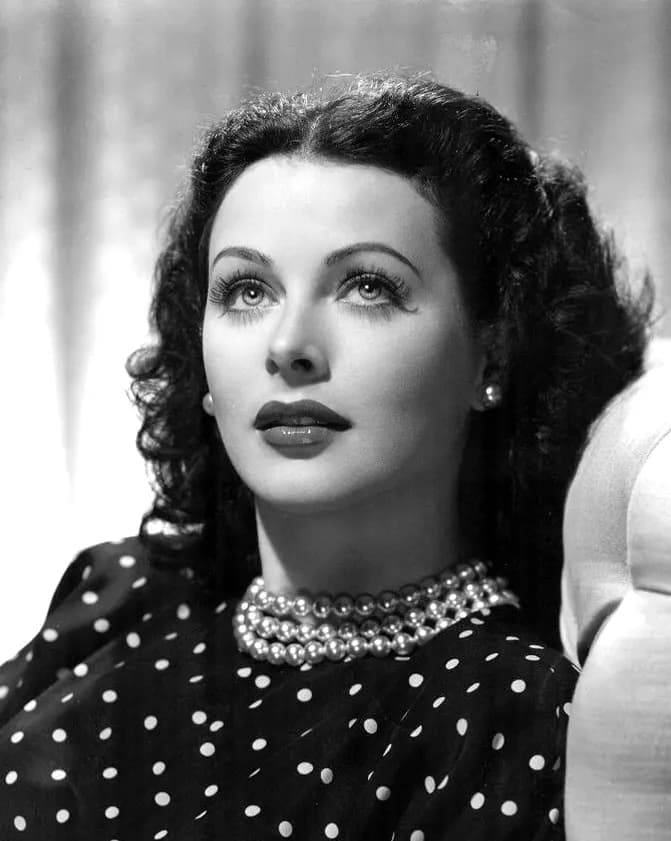
A Hollywood star patented a secret radio system
In 1942 the film actress Hedy Lamarr and the composer George Antheil patented a frequency-hopping system for guiding torpedoes. The Navy shelved it, but its principle lives on in modern wireless technology.
AI got its name from a summer workshop proposal
In 1955 four researchers asked for funding for “a 2-month, 10-man study of artificial intelligence”, confident they could make a significant advance in one summer.
Esperanto has native speakers
An invented language from 1887 has around a thousand people who grew up speaking it from birth, and both Hitler and Stalin persecuted it.
From a bedroom GPU to ChatGPT
In 2012 a neural network trained on two gaming graphics cards in a student’s bedroom crushed an image-recognition contest. Ten years later, chatbots built on the same lineage reached the public.

General Tso’s chicken is unknown in General Tso’s home province
America’s favourite Chinese takeaway dish was invented in Taiwan, sweetened in New York, and was too sweet to sell in Hunan.
In 1958 the Navy said its neural network would one day be conscious
The first trainable neural network, the perceptron, was announced as the embryo of a computer that would “walk, talk, see, write, reproduce itself and be conscious of its existence”.
Kazakh names that tell a story
A girl named Ulbolsyn carries a message: “let the next one be a boy”. Traditional Kazakh names record wishes, fears, wars and the day a child was born.
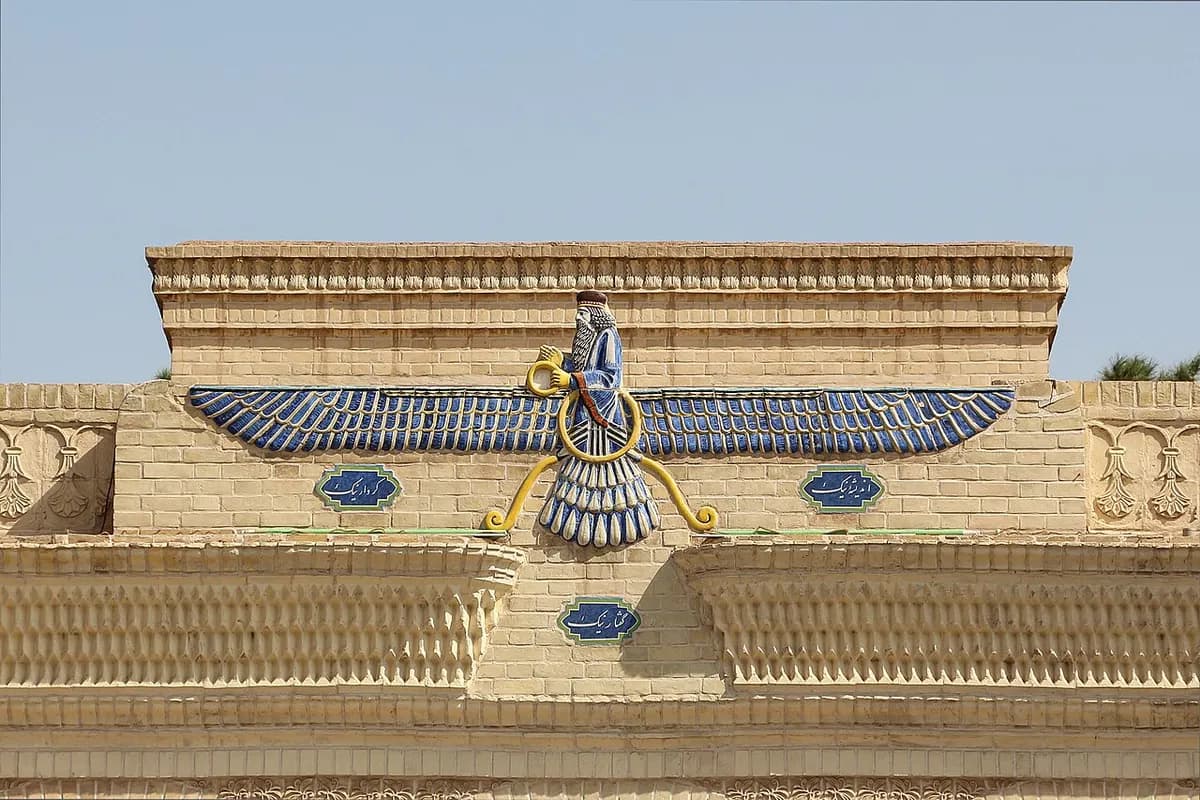
One of the oldest faiths, and Freddie Mercury’s
Zoroastrianism was once the state religion of Persian empires. Today it has perhaps 100,000–200,000 followers, among them the Parsi community into which Freddie Mercury was born.
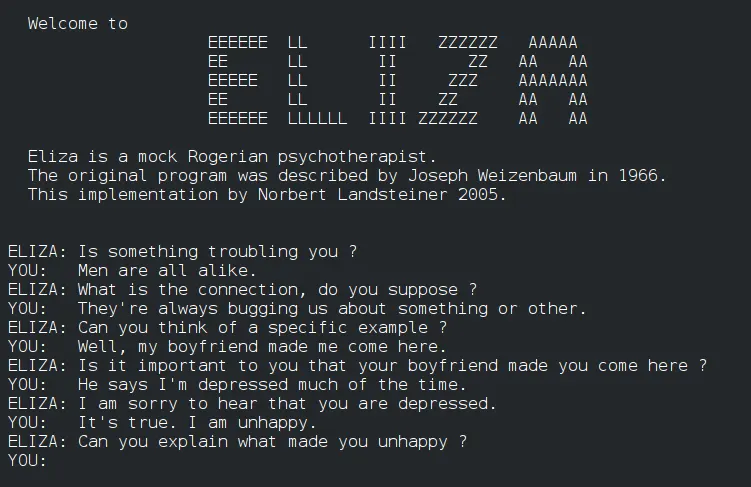
The 1960s chatbot people confided in
ELIZA just reflected your words back as questions. Its creator’s secretary still asked him to leave the room so she could talk to it in private.
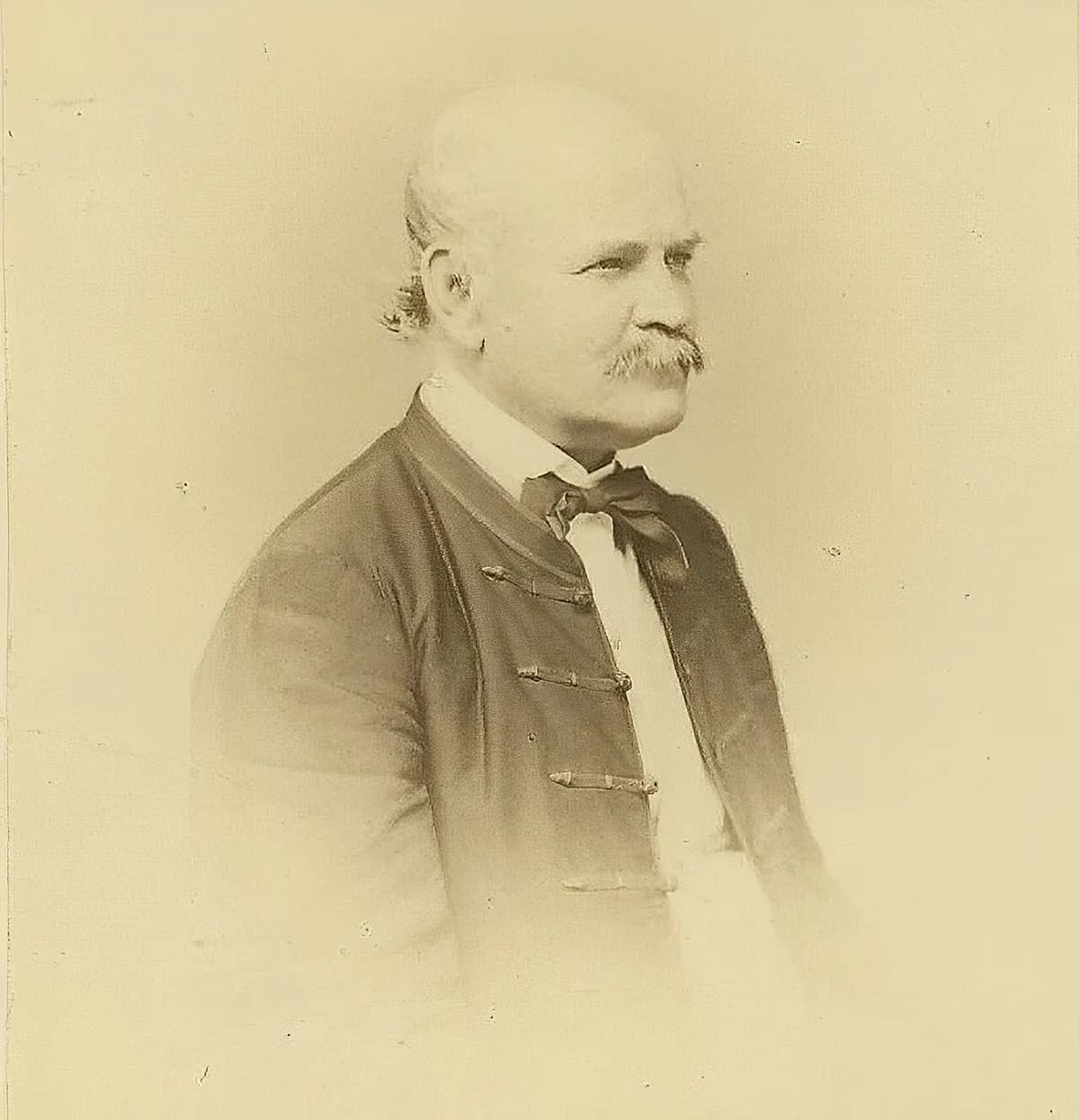
The doctor who said “wash your hands”
In 1847 Ignaz Semmelweis cut deaths on a Vienna maternity ward from about 18% to around 2% by making doctors wash their hands. The story of what happened next is more complicated than the legend.
The Earl of Sandwich probably wasn’t gambling
The sandwich is named after an 18th-century earl. The famous story that he invented it at the card table comes from a travel book’s gossip.
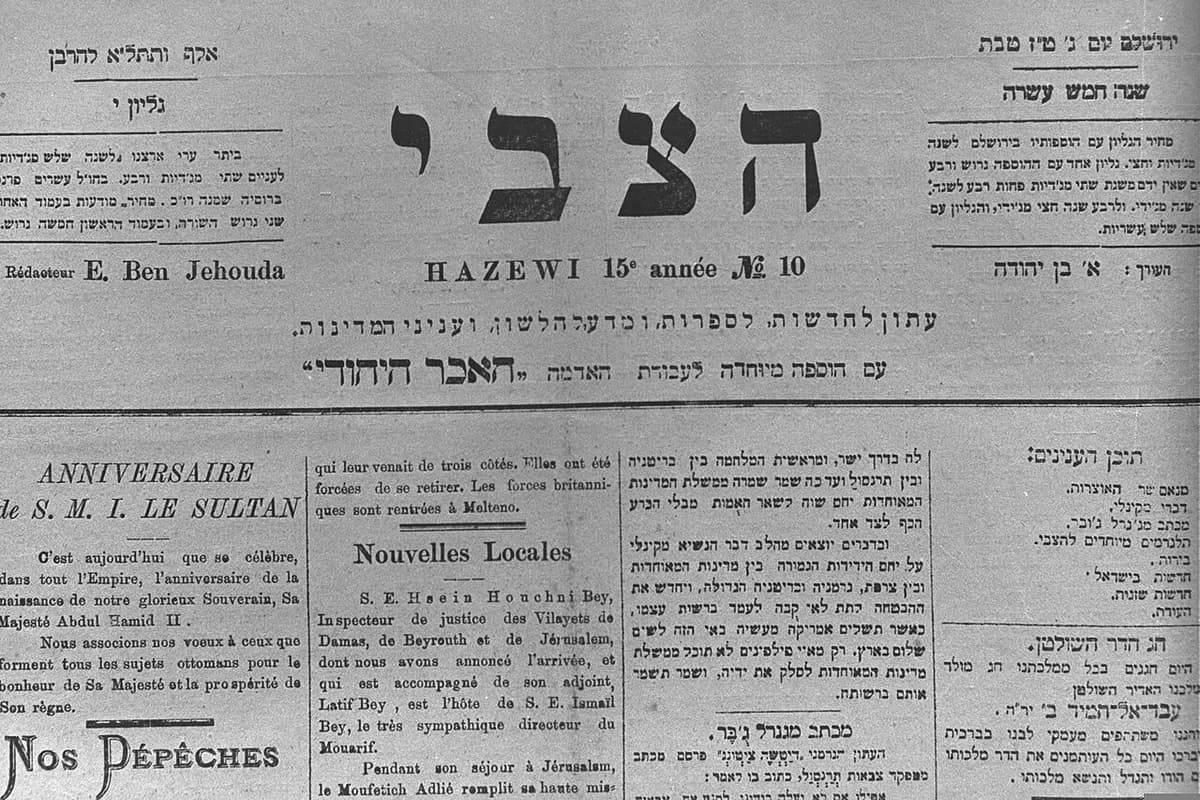
The language that came back after 1,700 years
For about 1,700 years nobody spoke Hebrew as a mother tongue. Then, in 1882, a baby in Jerusalem became its first native speaker in modern times.
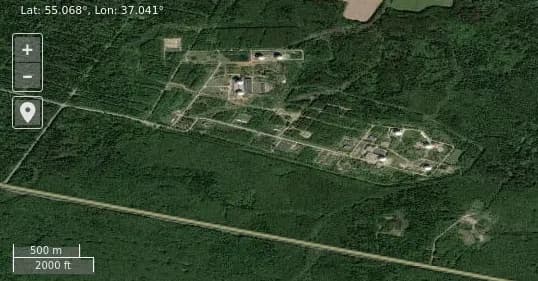
The man who decided the missiles weren’t real
In 1983 a Soviet early-warning system reported five American nuclear missiles on their way. The officer on duty, Stanislav Petrov, judged it a false alarm, and he was right.
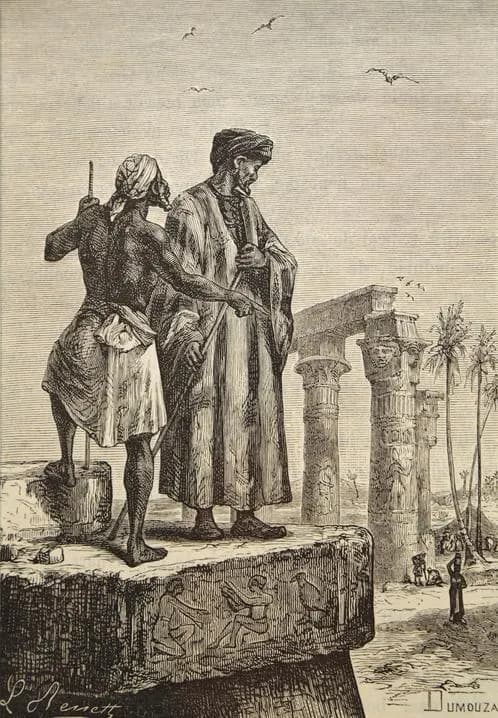
The traveller who went five times farther than Marco Polo
In 1325 a 21-year-old from Tangier set out on pilgrimage to Mecca. He came home 29 years later, having travelled an estimated 117,000 km.

Umami: the taste discovered in a bowl of soup
In 1908 a Japanese chemist wondered why his wife’s seaweed broth tasted so good, and identified a fifth basic taste.
Why many Kazakhs can name seven generations of ancestors
A Kazakh child is traditionally expected to know seven fathers back, and the rule exists to prevent marriage between relatives.