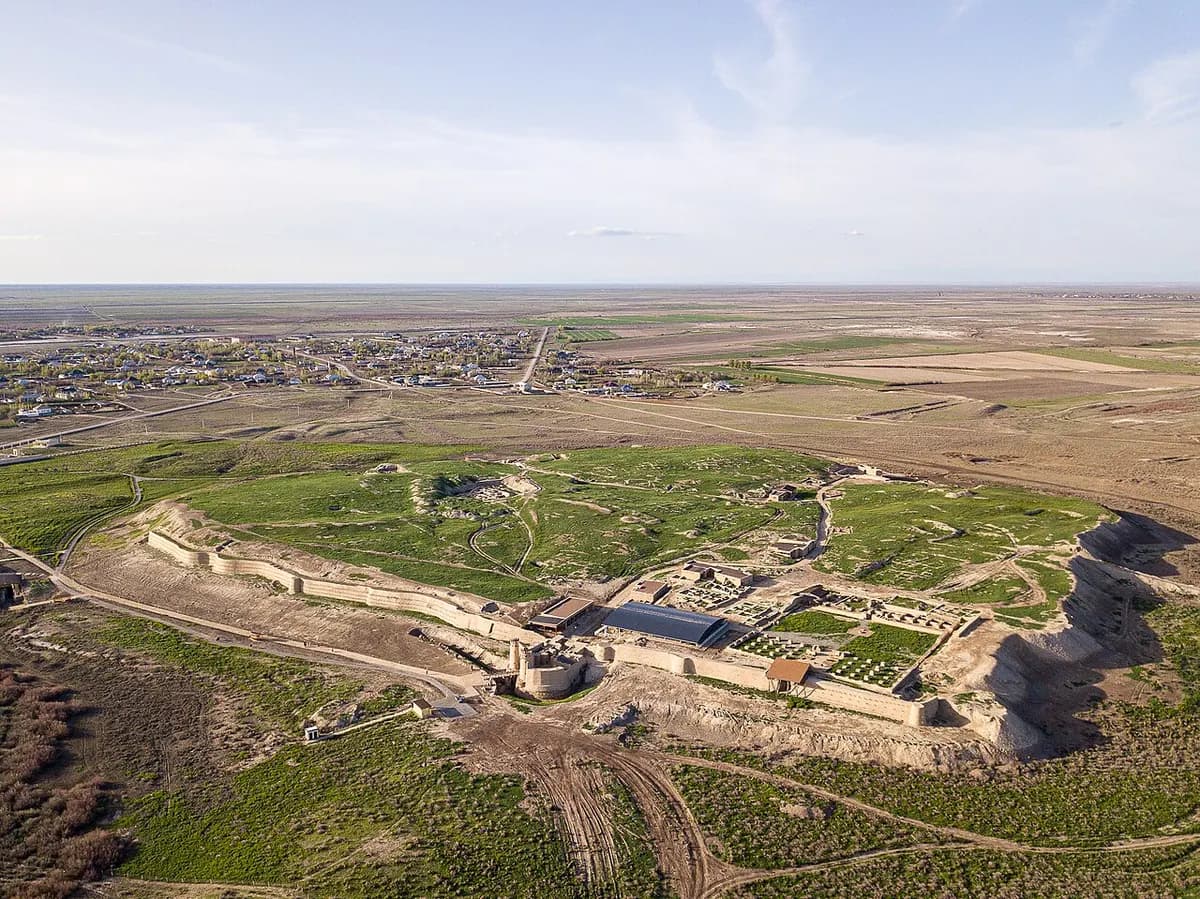
One of the oldest faiths, and Freddie Mercury’s
Zoroastrianism was once the state religion of Persian empires. Today it has perhaps 100,000–200,000 followers, among them the Parsi community into which Freddie Mercury was born.
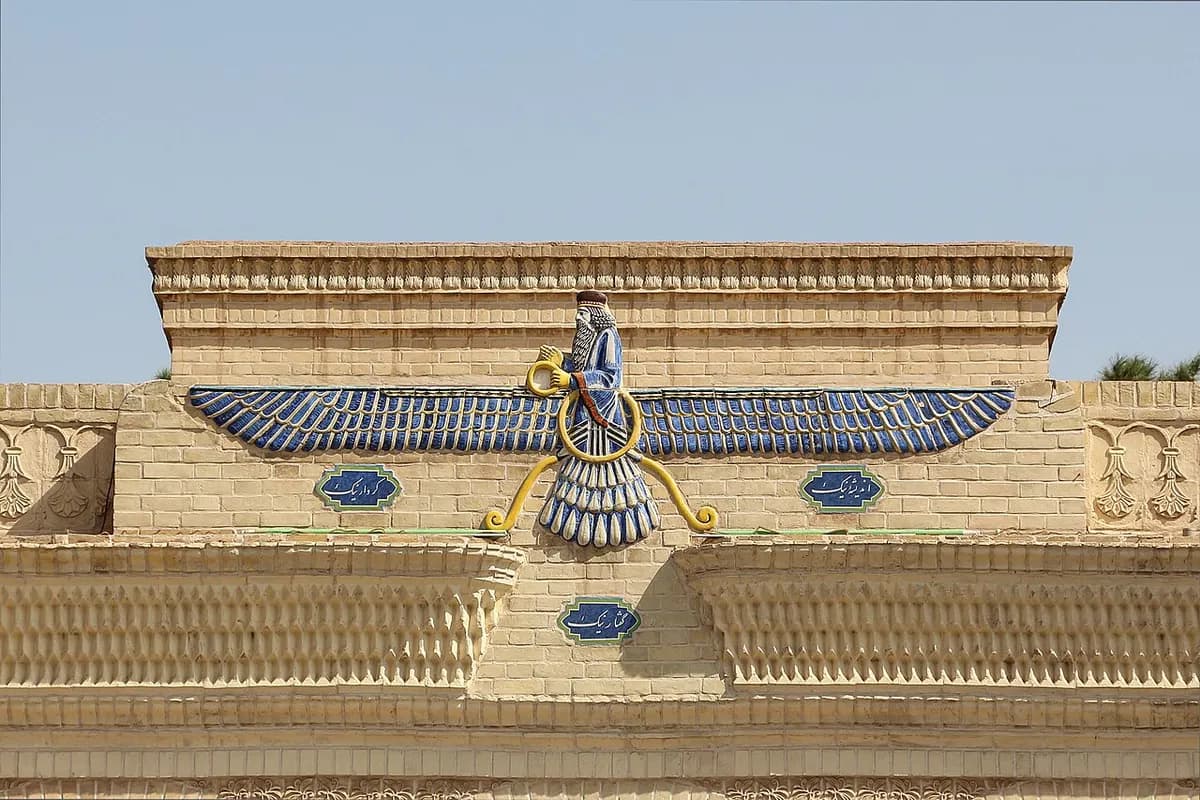
Zoroastrianism takes its name from the prophet Zarathustra (in Greek, Zoroaster). Scholars disagree about when he lived; estimates range across centuries, possibly back to the 2nd millennium BC. The religion was later the faith of great Persian empires.
Core ideas
- One supreme wise god, Ahura Mazda.
- A struggle between good and evil, in which humans choose sides.
- A simple ethical motto: good thoughts, good words, good deeds.
- Fire as a symbol of purity, kept burning in fire temples.
A shrinking community
After the Muslim conquest of Persia in the 7th century, Zoroastrians were gradually reduced to a minority. Many migrated to western India, where they became known as Parsis (“Persians”). Today estimates of followers worldwide start at about 110,000–120,000, with the largest groups in India, Iran and North America. Parsis include the Tata business family and, most famously, Freddie Mercury, born Farrokh Bulsara in Zanzibar to Parsi parents.
A big influence?
Ideas found in Zoroastrian texts, including a final judgement, the resurrection of the dead, heaven and hell, and a coming saviour, resemble ideas in Judaism, Christianity and Islam. Some scholars think Zoroastrianism influenced them, especially during the Persian period of Jewish history. Others think the influence is overstated, or ran in several directions. It’s one of the most interesting open questions in the history of religion.
Bring it up
“Freddie Mercury was born into a Parsi Zoroastrian family, part of one of the world’s oldest religions, now with only around a hundred thousand followers.”