Cuisine & Food
Dishes, ingredients and the history on your plate.
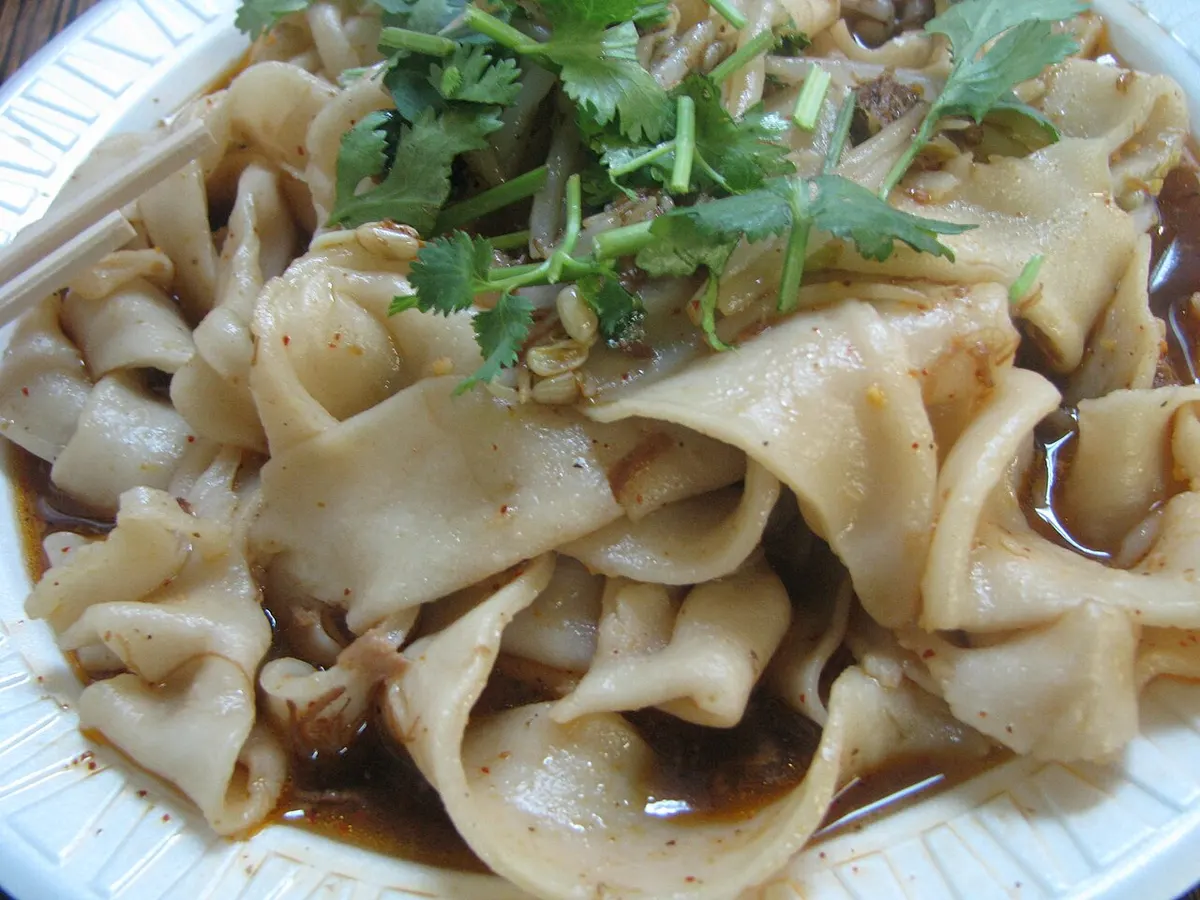
A noodle dish whose name has 58 strokes
Xi’an’s wide, hand-pulled biangbiang noodles are written with one of the most complex Chinese characters in use. It wasn’t in any dictionary, and only entered Unicode in 2020.
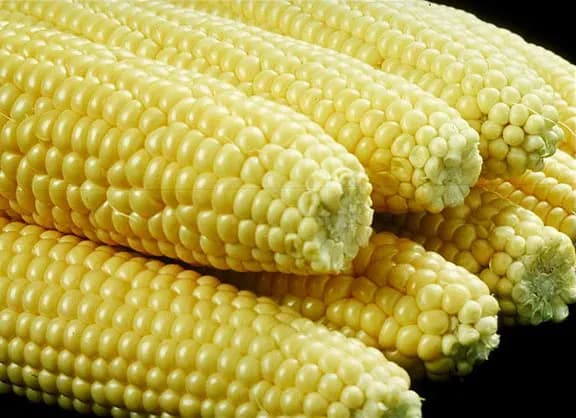
Before 1492, Italy had no tomatoes and Thailand had no chillies
Many “ancient” national dishes depend on ingredients that crossed the Atlantic after Columbus. Some of them are surprisingly recent.
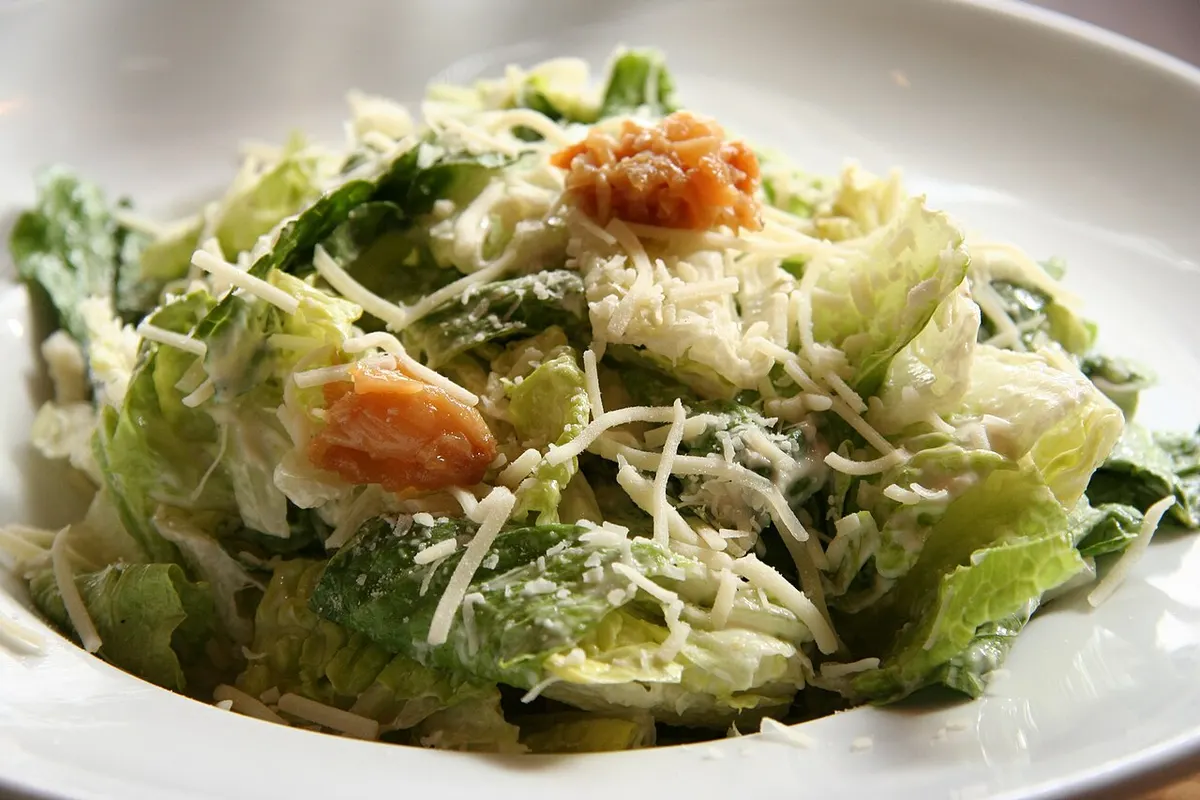
Caesar salad was invented in Mexico
It has nothing to do with Julius Caesar. It was improvised in Tijuana in the 1920s by an Italian-American restaurateur named Caesar Cardini.
Carrots used to be purple
The earliest cultivated carrots were purple and yellow. The orange carrot became dominant in the Netherlands, and a famous patriotic explanation for it is probably a myth.

Every apple you have eaten comes from Kazakhstan
The main wild ancestor of the domestic apple still grows in forests in the mountains around Almaty, a city whose name is often linked to the Kazakh word for apple.
Fortune cookies are Japanese, by way of California
You won’t find fortune cookies in China. They descend from a Kyoto cracker, reached America through Japanese immigrants, and were taken over by Chinese restaurants during World War II.
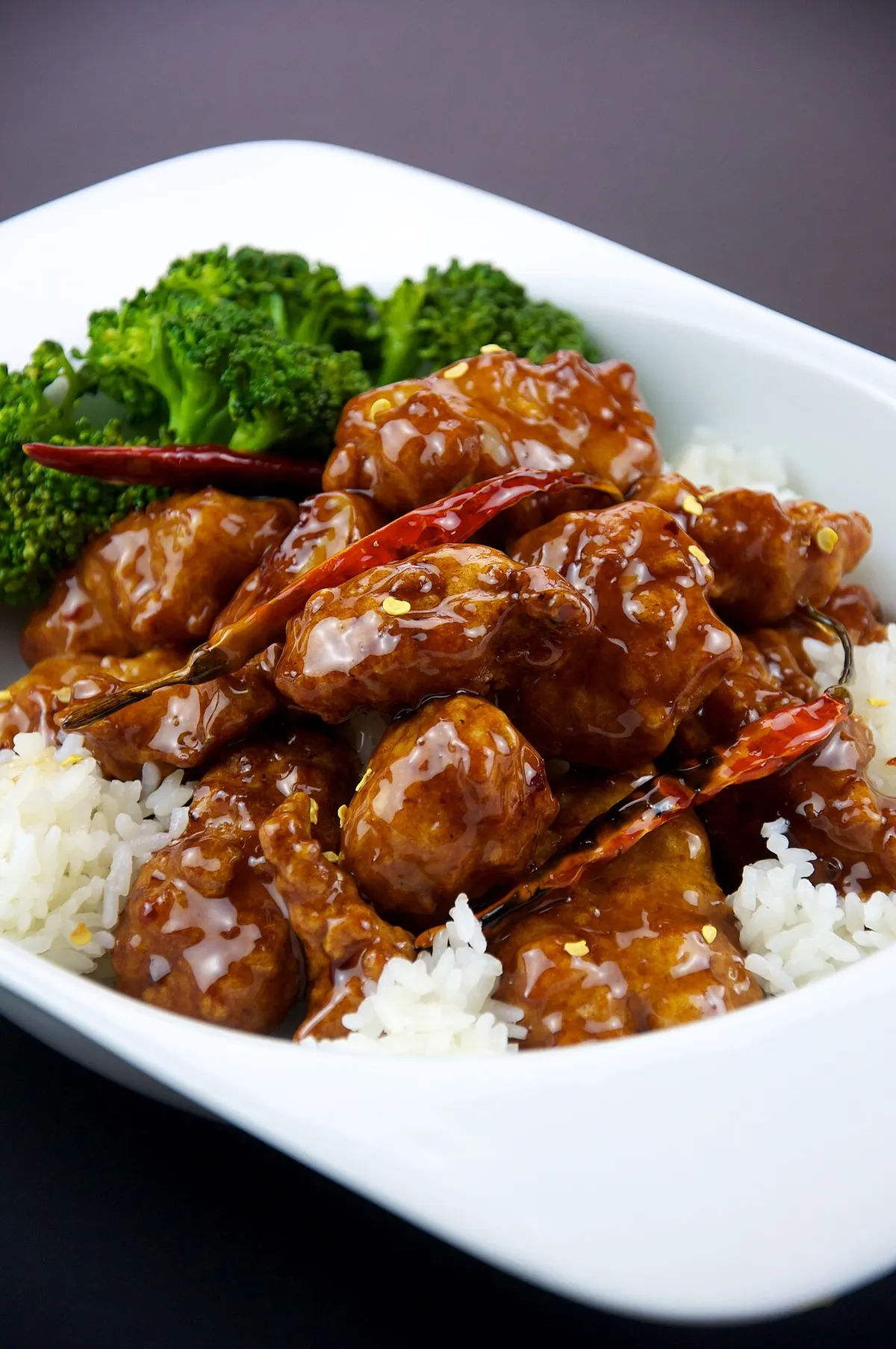
General Tso’s chicken is unknown in General Tso’s home province
America’s favourite Chinese takeaway dish was invented in Taiwan, sweetened in New York, and was too sweet to sell in Hunan.
In a Kazakh home, a half-empty cup is a compliment
Kazakh hosts pour tea only part-way, so they can keep refilling it while you stay and talk. A cup filled to the brim can be a polite hint.
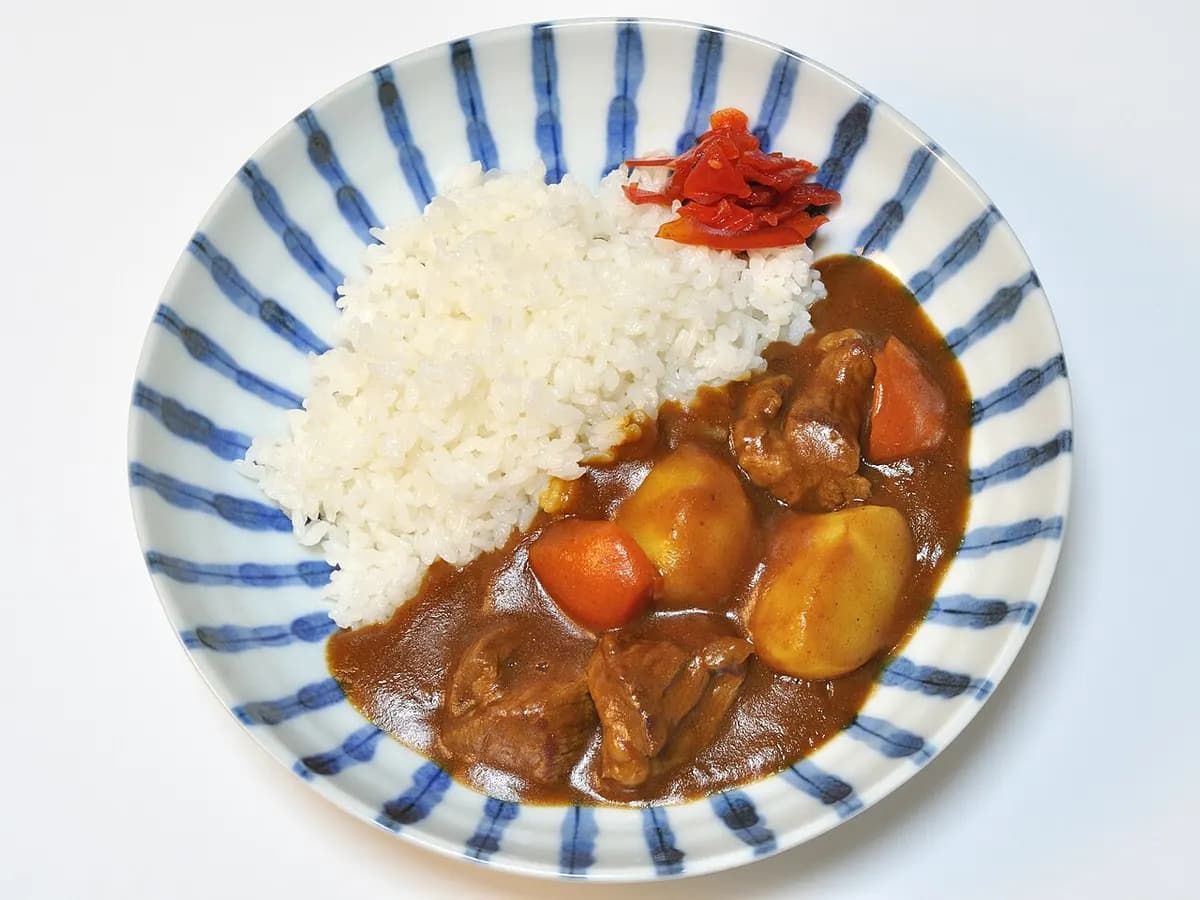
Japan learned curry from the British Navy
Japanese curry came from India by way of the British, was adopted by the Japanese navy to fight a deadly vitamin deficiency, and is still served on navy ships every Friday.
Ketchup started out as a fish sauce
Before it was red and sweet, ketchup was a salty, fermented fish brine from southern China, and later a British sauce made from mushrooms or walnuts.
Sichuan pepper makes your lips buzz at 50 Hz
It isn’t a pepper and it isn’t hot. It makes your mouth tingle, and researchers found the tingling feels like a vibration of about 50 times a second.
Spicy isn’t a taste. It’s pain.
Chilli “heat” triggers the same receptor that detects a burn. Birds can’t feel it, and that seems to be the point.
Tea if by sea, chai if by land
Almost every language calls tea either “te” or “cha”, and which one it uses depends on how tea first arrived: by Dutch ship or by overland trade.
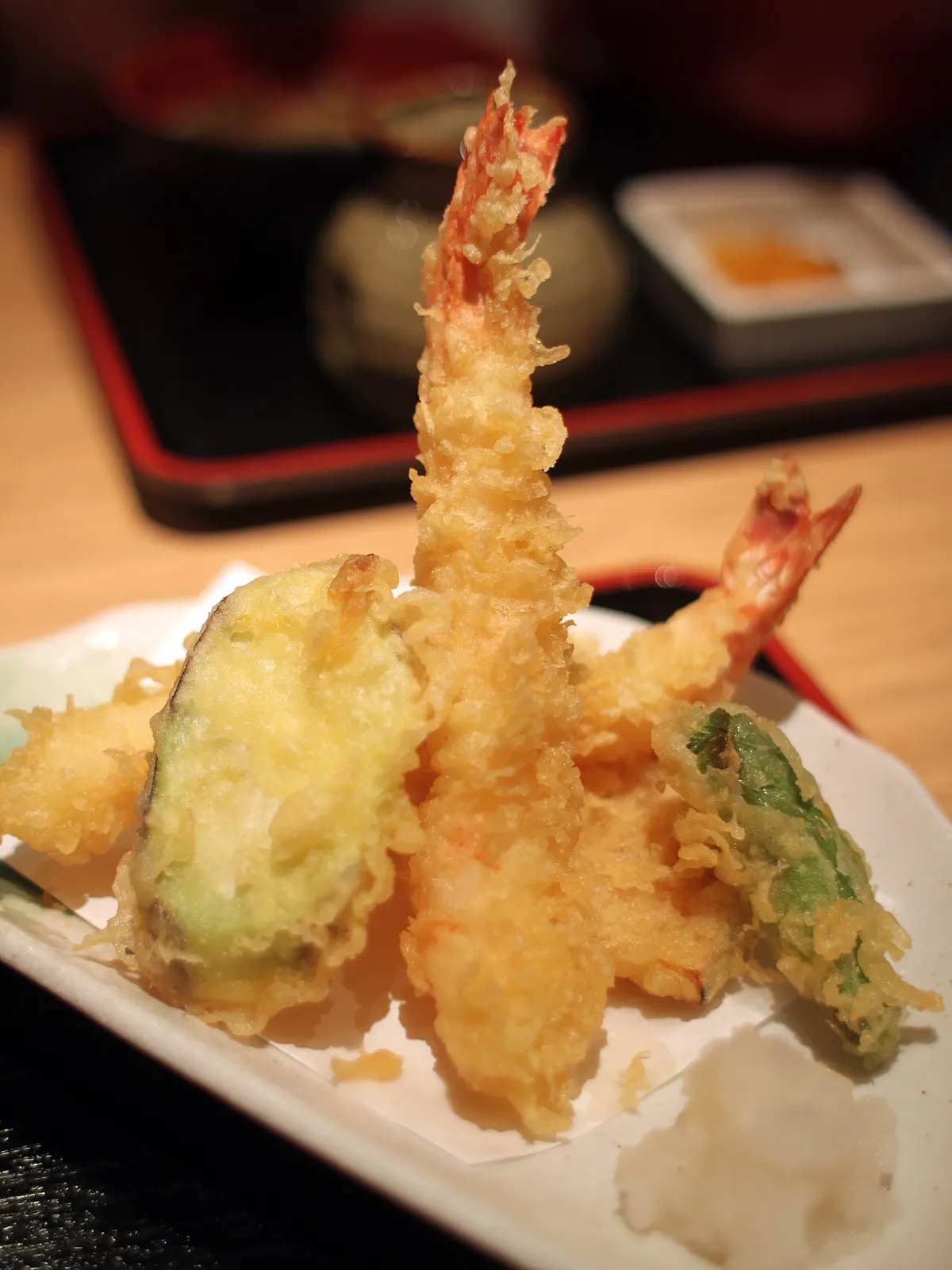
Tempura was brought to Japan by the Portuguese
One of Japan’s most iconic dishes arrived with Portuguese missionaries and traders in the 16th century, and its name may come from Latin.
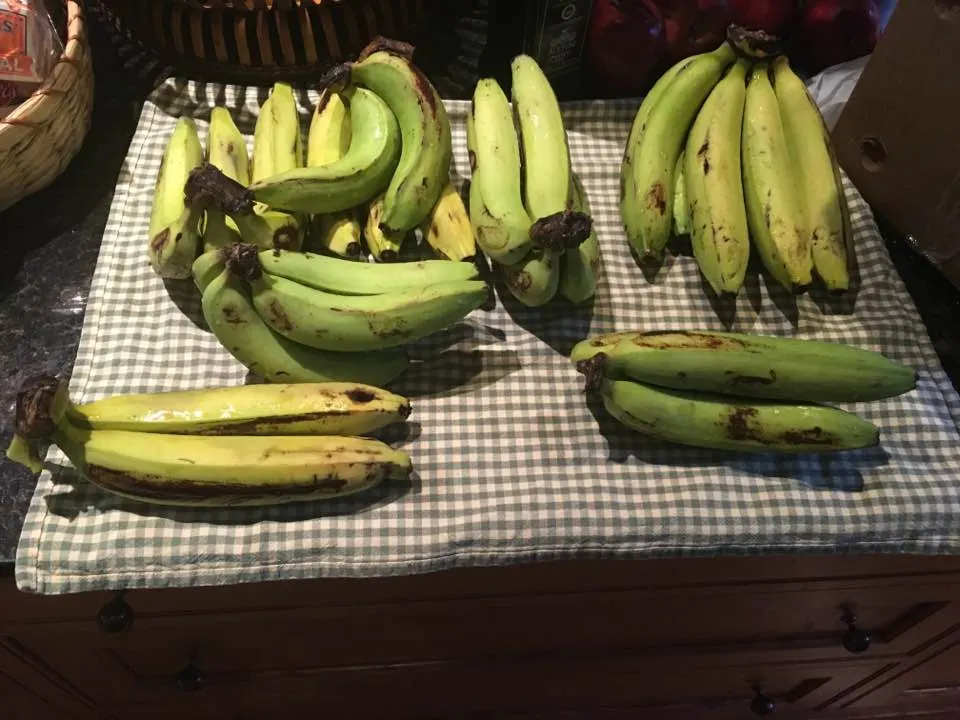
The banana your grandparents ate is gone
Until the 1950s, the world’s export banana was the Gros Michel. A fungus wiped it out, and the Cavendish we eat today may face the same fate.
The Big Mac index
A 1986 joke in The Economist became one of the most cited ways to compare currencies, using the price of a hamburger.
The croissant is Austrian (sort of)
France’s most famous breakfast pastry descends from the Viennese kipferl, brought to Paris by an Austrian entrepreneur around 1839.
The Earl of Sandwich probably wasn’t gambling
The sandwich is named after an 18th-century earl. The famous story that he invented it at the card table comes from a travel book’s gossip.
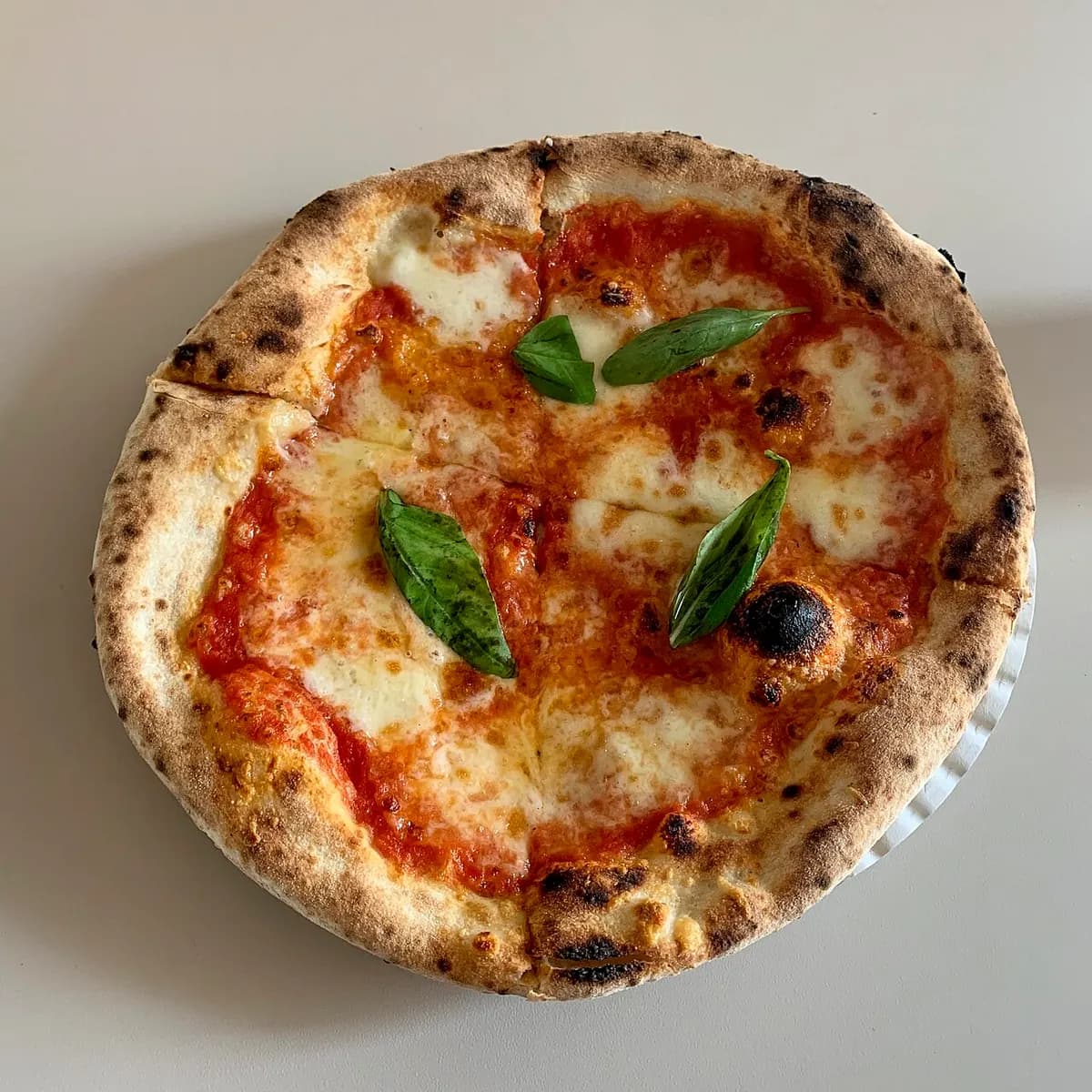
The pizza Margherita story is probably a myth
Every pizzeria tells it: in 1889 a Naples pizzaiolo invented a red, white and green pizza for Queen Margherita. Historians have found little evidence it happened.
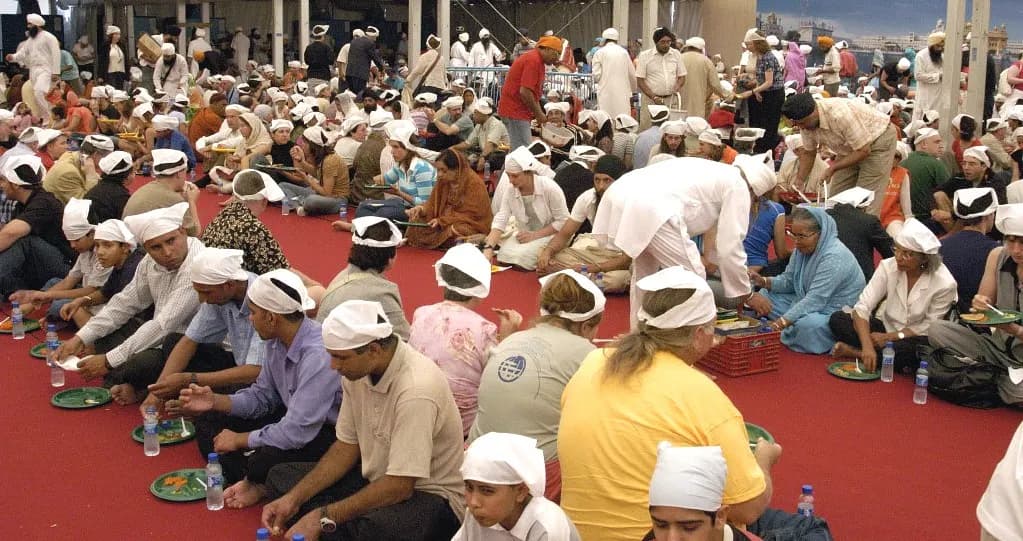
The temple kitchen that feeds tens of thousands every day, free
At the Golden Temple in Amritsar, anyone, of any religion, can sit on the floor and eat a free meal, cooked and served mostly by volunteers.
Three meals a day is a fairly modern habit
In much of medieval northern Europe, people ate two main meals: a midday dinner and an early supper. Breakfast became normal because of towns, work and school.
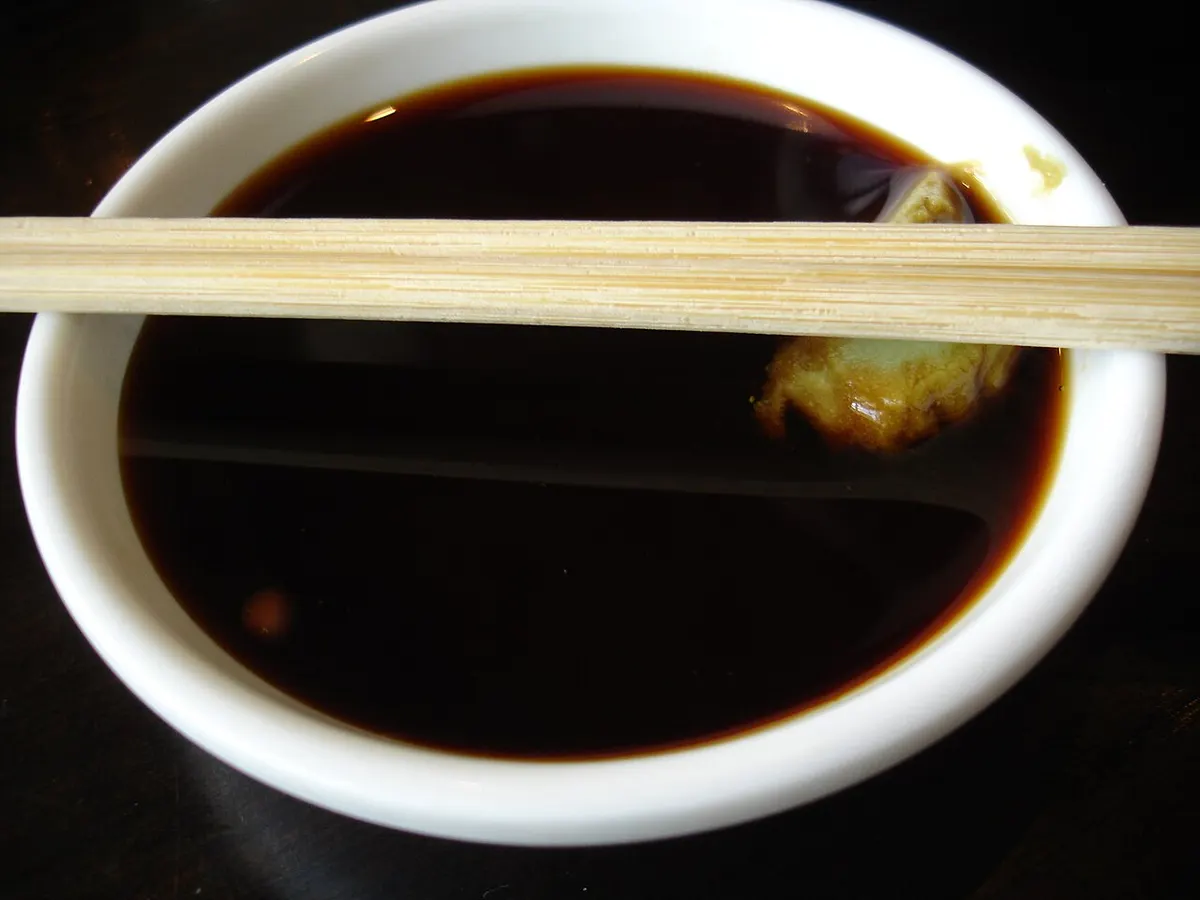
Umami: the taste discovered in a bowl of soup
In 1908 a Japanese chemist wondered why his wife’s seaweed broth tasted so good, and identified a fifth basic taste.
Who lives in Xi’an’s Muslim Quarter
In the heart of an ancient Chinese capital is a mosque that looks like a Buddhist temple, run by a Muslim people descended partly from Silk Road traders.