Language
Words, grammar and where they came from.
“Kazakh” and “Cossack” are the same word
The name of the Kazakh people most likely means a free wanderer, and the Cossacks of Ukraine and Russia share the same root.
“Ye Olde Shoppe” was always pronounced “the”
The “Y” in “Ye Olde” is a lost English letter, þ (thorn), in disguise. Nobody ever said “yee”.

A noodle dish whose name has 58 strokes
Xi’an’s wide, hand-pulled biangbiang noodles are written with one of the most complex Chinese characters in use. It wasn’t in any dictionary, and only entered Unicode in 2020.
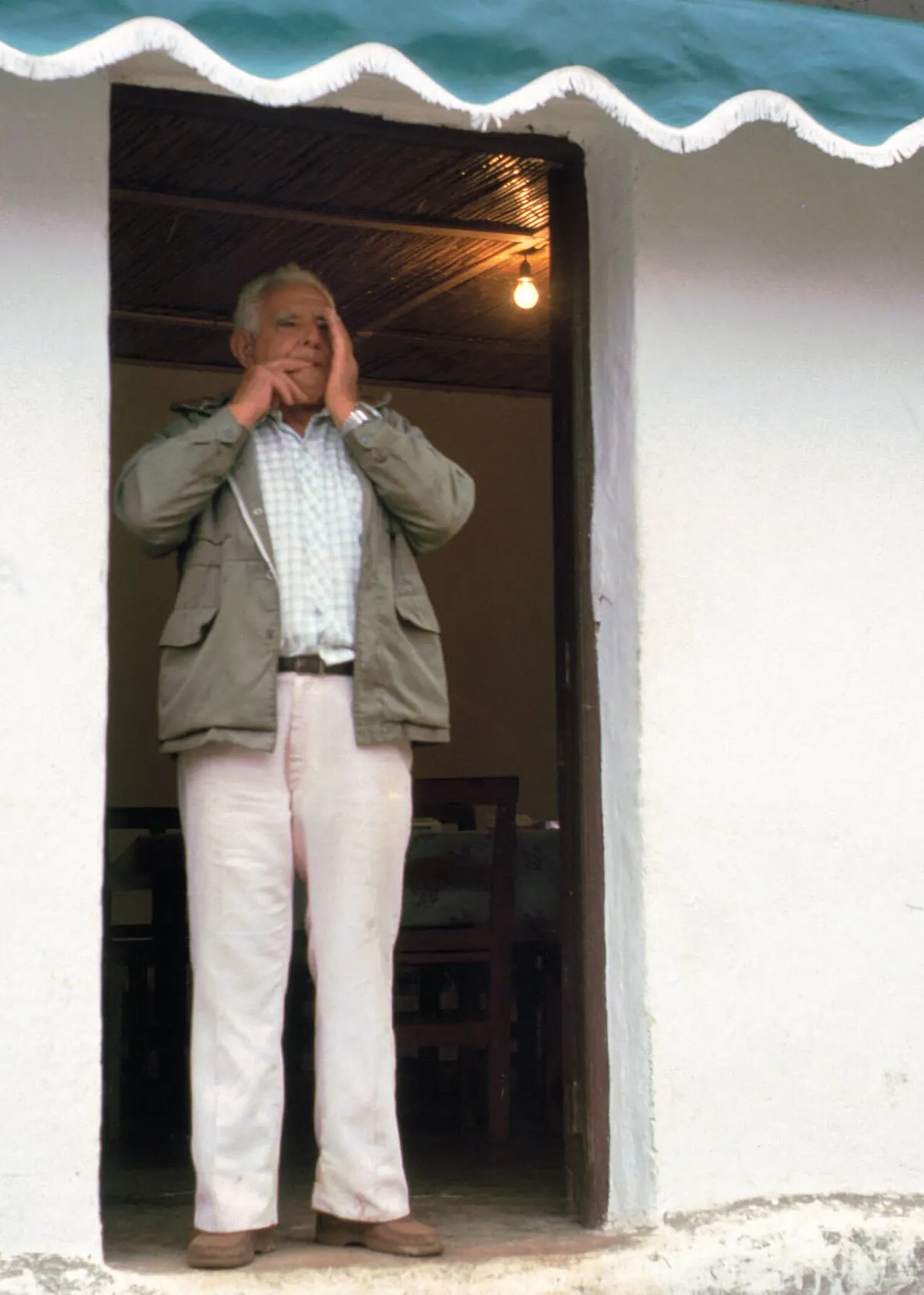
An island where people speak Spanish by whistling
On La Gomera in the Canary Islands, Spanish is whistled across ravines, and every schoolchild learns how.
Basque is related to no other language on Earth
Spanish, French, English, Russian and Hindi are all distant cousins. Basque, spoken between Spain and France, is no one’s cousin at all.
Brutalism isn’t named after being brutal
The architectural style people love to hate takes its name from the French for “raw concrete”.
Buffalo buffalo Buffalo buffalo…
“Buffalo buffalo Buffalo buffalo buffalo buffalo Buffalo buffalo” is a grammatically correct English sentence.
Esperanto has native speakers
An invented language from 1887 has around a thousand people who grew up speaking it from birth, and both Hitler and Stalin persecuted it.
Kazakh has been written in three alphabets in a century
Kazakh moved from Arabic script to Latin in 1929, to Cyrillic in 1940, and is moving back to Latin today. Kazakhs in China still use the Arabic script.
Kazakh names that tell a story
A girl named Ulbolsyn carries a message: “let the next one be a boy”. Traditional Kazakh names record wishes, fears, wars and the day a child was born.
Ketchup started out as a fish sauce
Before it was red and sweet, ketchup was a salty, fermented fish brine from southern China, and later a British sauce made from mushrooms or walnuts.
Lorem ipsum is a mangled Cicero quote
Designers’ favourite placeholder text is a scrambled passage from a 2,000-year-old book about pain and pleasure.
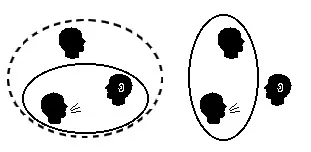
Many languages have two words for “we”
When you say “we’re going to dinner”, are you inviting the listener? English leaves it ambiguous. Hundreds of languages don’t.
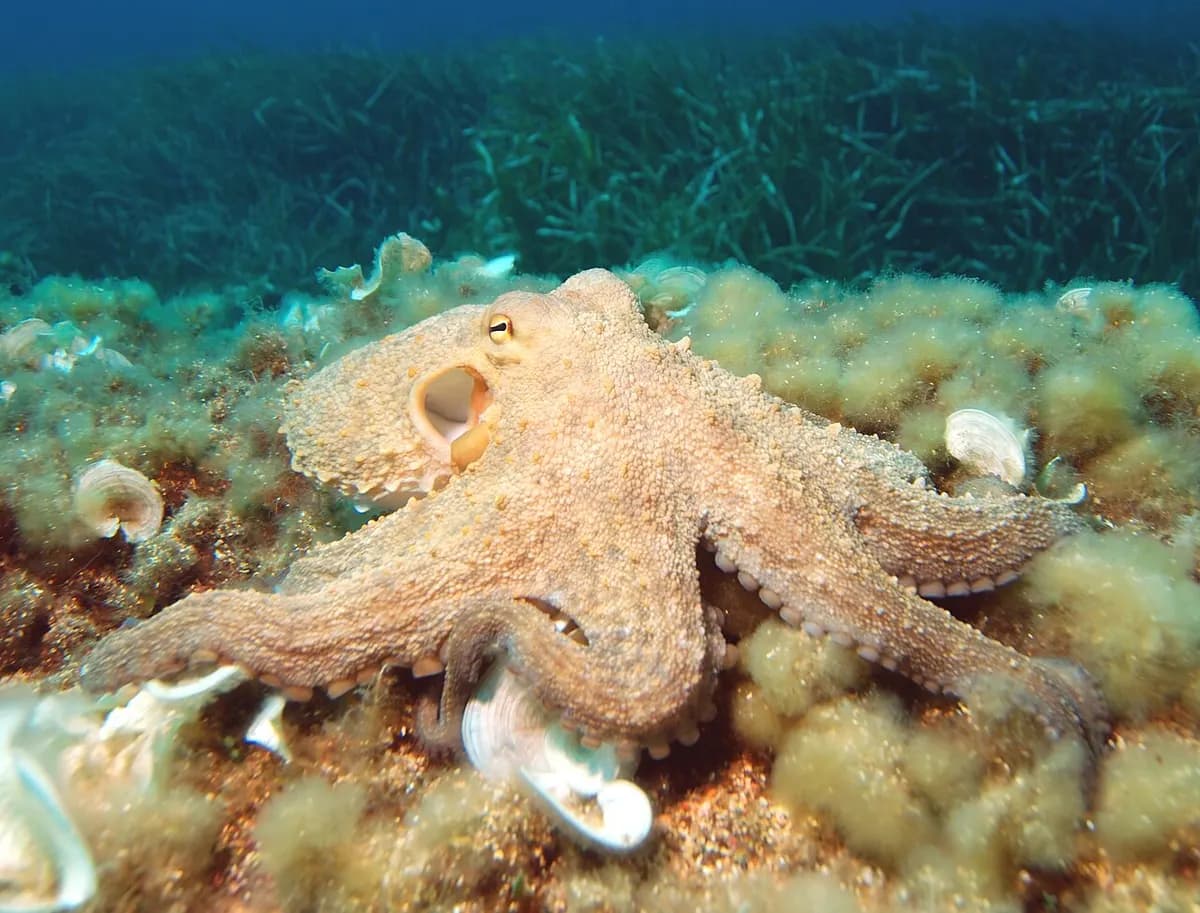
Octopuses have three hearts and blue blood
Two hearts pump blood through the gills, one pumps it to the body, and that one stops beating when the octopus swims.
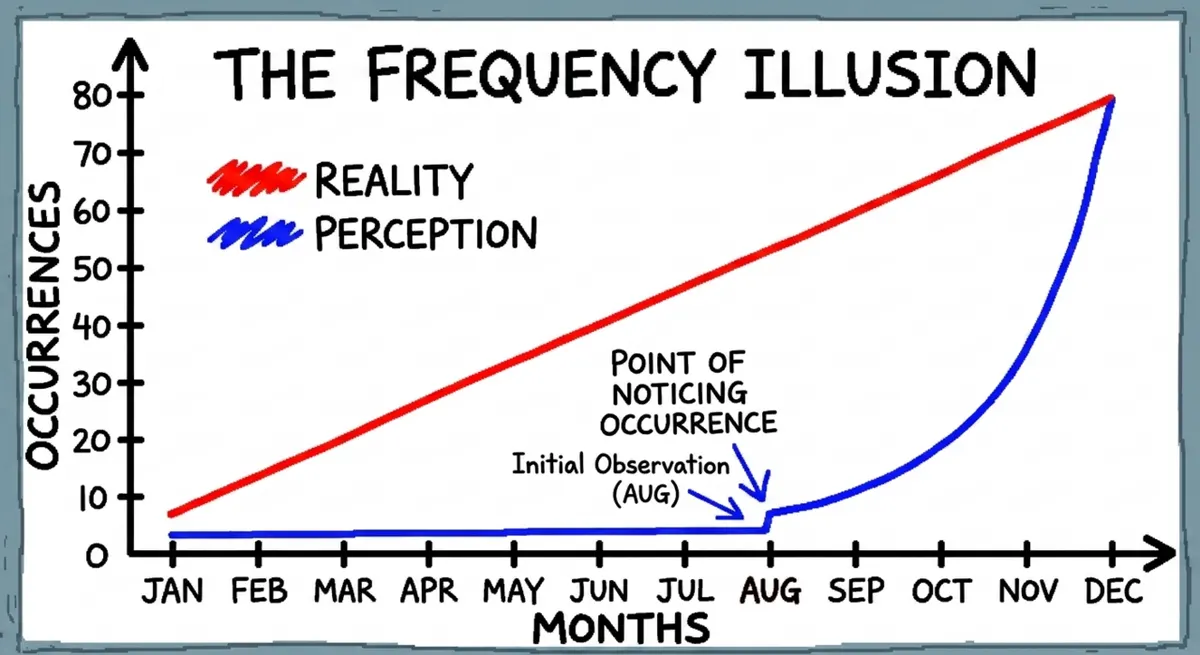
Once you notice something, it’s everywhere
You learn a new word, and the next day you see it three times. The world didn’t change; your attention did.
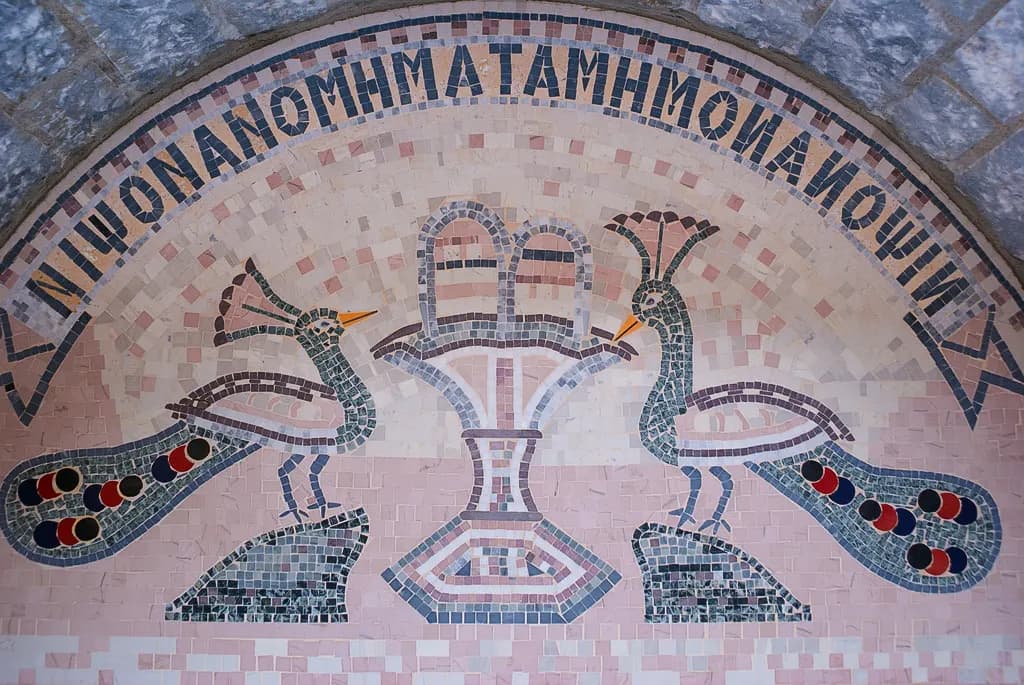
Palindromes are written into your DNA
“A man, a plan, a canal: Panama” has a molecular cousin: your genome is full of sequences that read the same in both directions.
Sherlock Holmes never said “Elementary, my dear Watson”
The most famous line in detective fiction is not in any of Conan Doyle’s stories, though both halves of it are.
Tea if by sea, chai if by land
Almost every language calls tea either “te” or “cha”, and which one it uses depends on how tea first arrived: by Dutch ship or by overland trade.
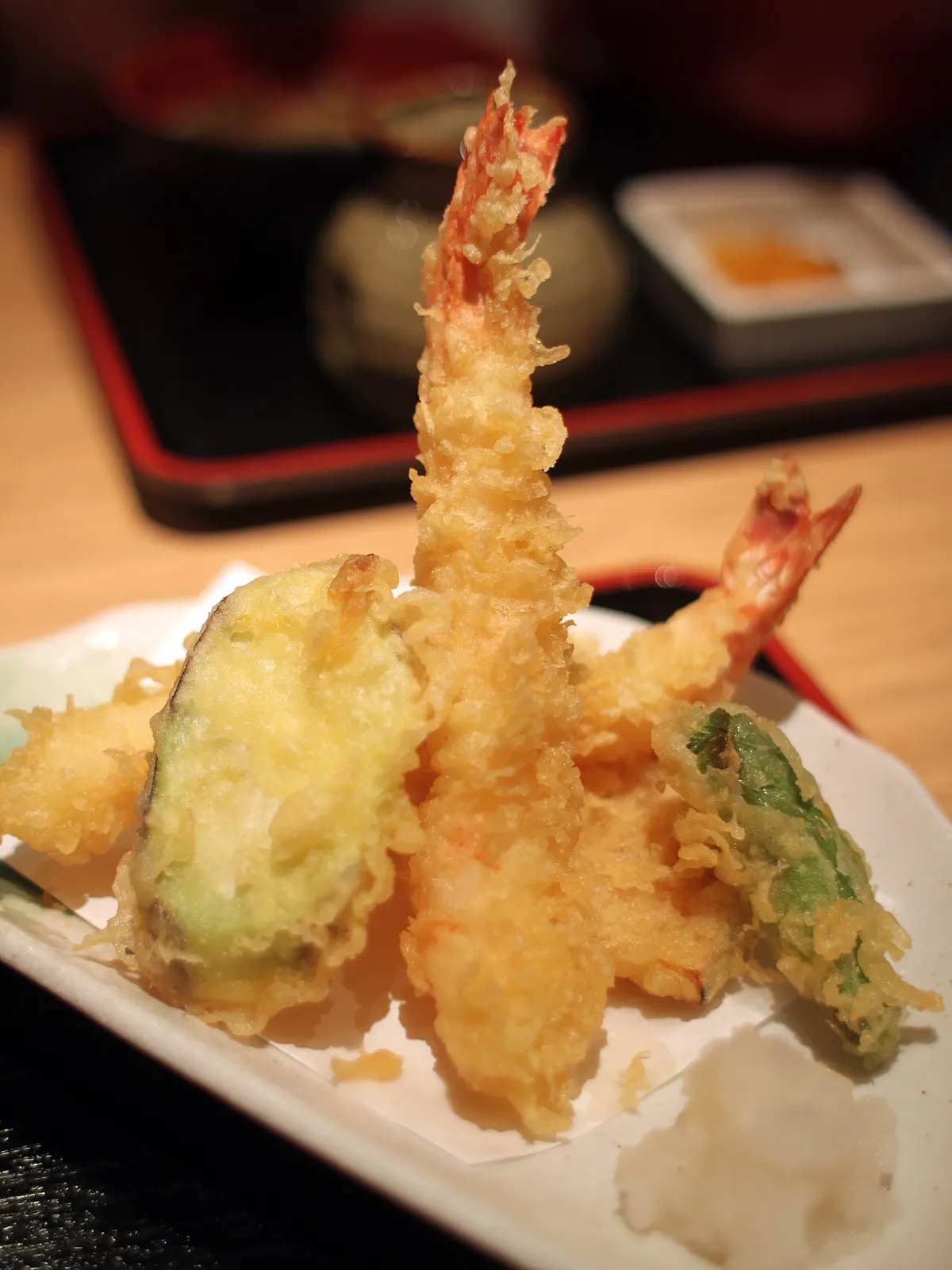
Tempura was brought to Japan by the Portuguese
One of Japan’s most iconic dishes arrived with Portuguese missionaries and traders in the 16th century, and its name may come from Latin.
The Earl of Sandwich probably wasn’t gambling
The sandwich is named after an 18th-century earl. The famous story that he invented it at the card table comes from a travel book’s gossip.
The first computer bug was an actual bug
In 1947 engineers found a moth stuck in a computer and taped it into the logbook. The word “bug” was already older than that.
The Kazakh bride who renames her husband’s family
By custom, a Kazakh daughter-in-law does not say the names of her husband’s elder relatives aloud. Instead she invents a respectful nickname for each one.
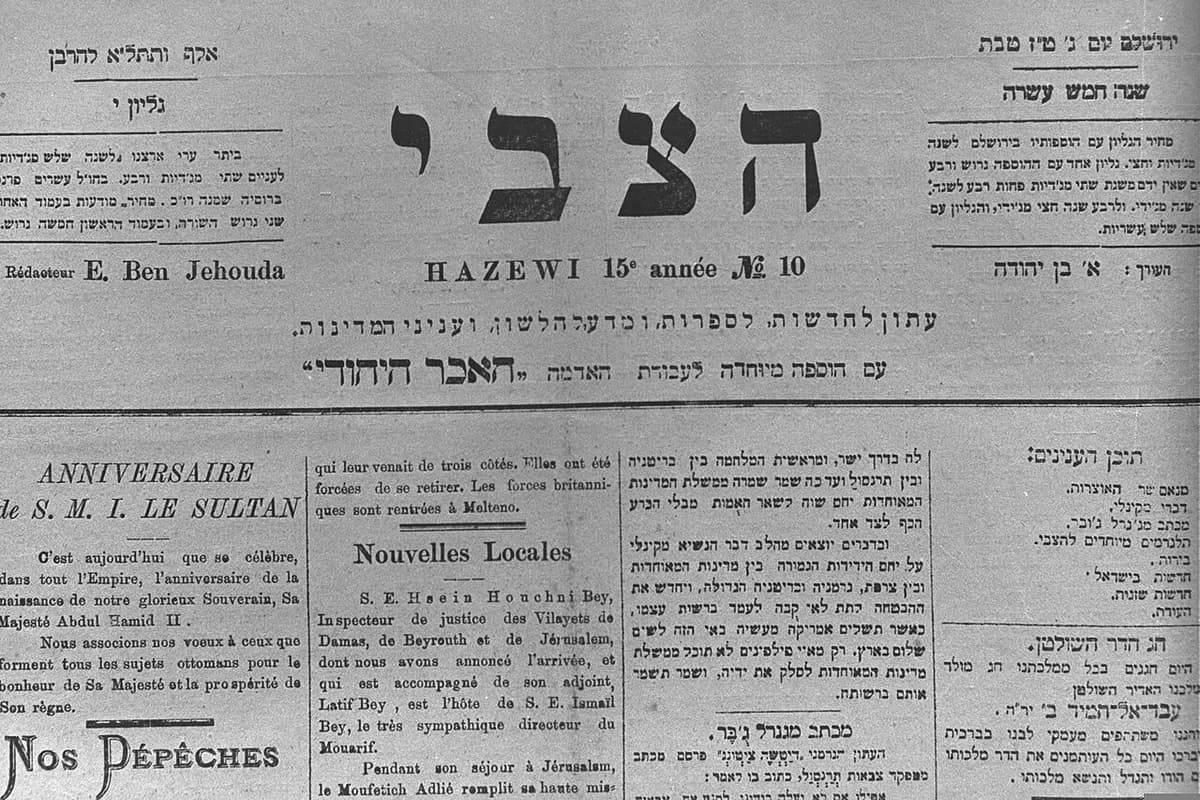
The language that came back after 1,700 years
For about 1,700 years nobody spoke Hebrew as a mother tongue. Then, in 1882, a baby in Jerusalem became its first native speaker in modern times.
The novel with no letter E
In 1969 Georges Perec wrote a whole French novel without using the most common letter in the language. Then someone translated it into English, keeping the rule.
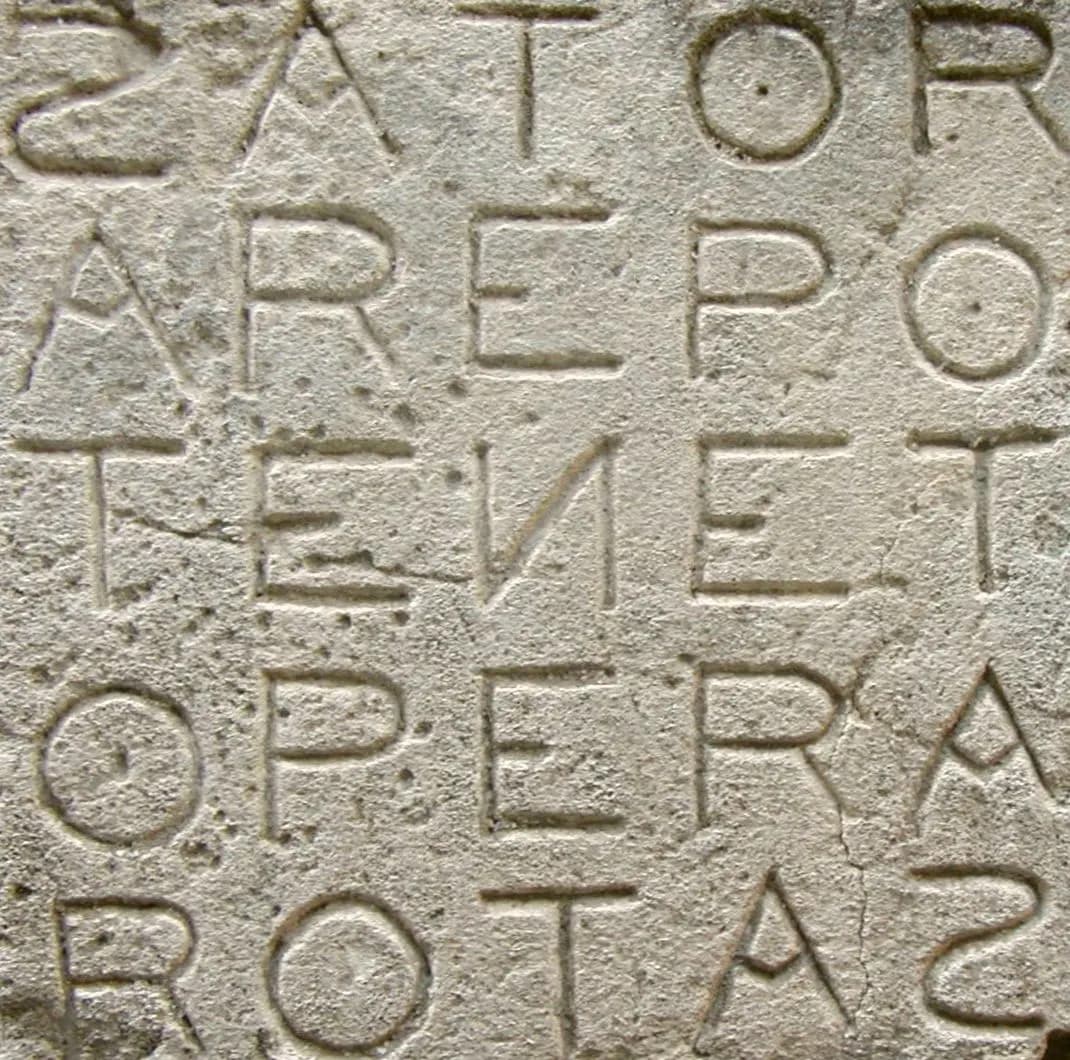
The Sator Square
A five-word Latin puzzle scratched on a wall in Pompeii reads the same in four directions. Nobody agrees on what it means.
Why “mama” sounds the same almost everywhere
Mandarin, Swahili, Persian and Spanish are unrelated, yet children everywhere call their mother something like “mama”. In Georgian, though, “mama” means father.
Why do we say “OK”?
The world’s most recognised word began as a deliberately misspelled joke in a Boston newspaper.
Why English spelling makes no sense
English spelling was frozen just as the language’s vowels were changing, so the spelling records an accent nobody has had for centuries.