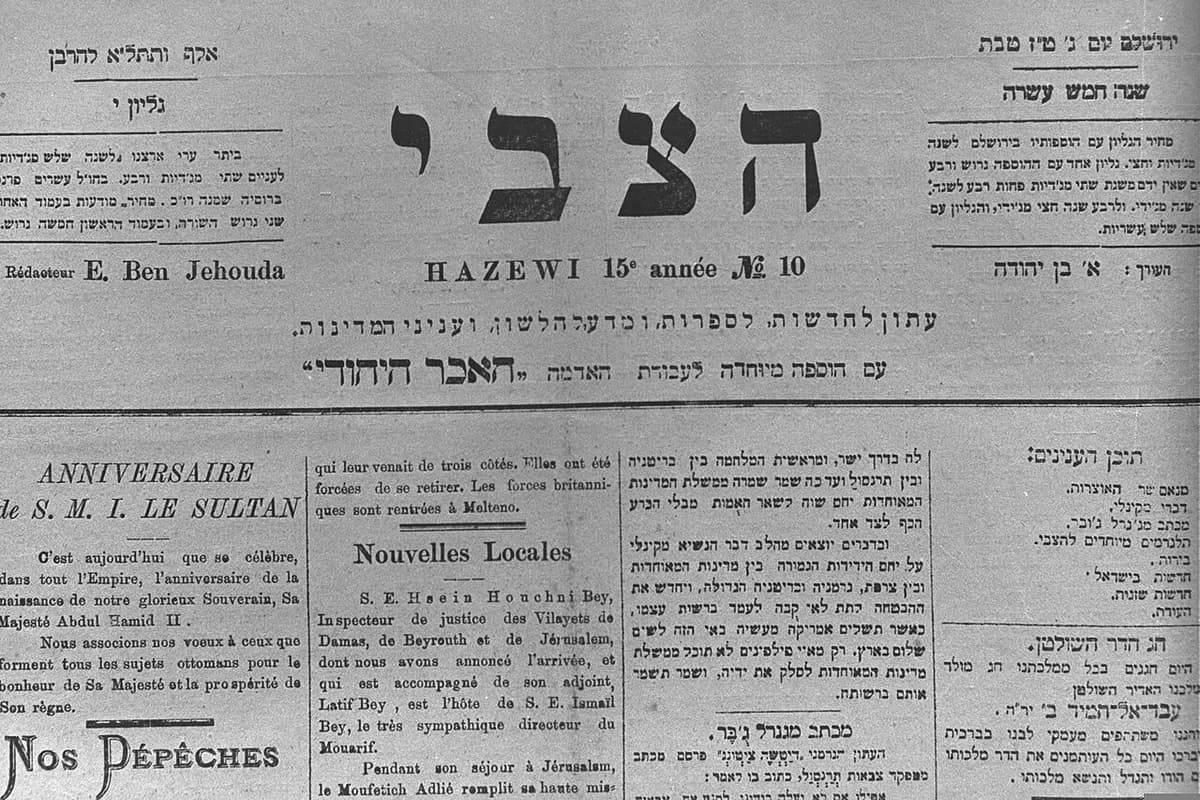
“Ye Olde Shoppe” was always pronounced “the”
The “Y” in “Ye Olde” is a lost English letter, þ (thorn), in disguise. Nobody ever said “yee”.
Old English writers had two letters for the “th” sound: þ (thorn) and ð (eth). Eth disappeared early. Thorn survived into the age of printing.
How þ turned into y
Two things happened at once:
- In late medieval handwriting, the shape of þ became less distinctive and started to look like a y.
- When printing reached England in the 1470s, much of the type came from Belgium and the Netherlands, where nobody used þ. Printers substituted the closest-looking letter: y.
So þe (“the”) was printed as ye, often with a small e written above the y. Readers knew it meant the.
Ye Olde confusion
Once þ had been forgotten, people began reading the Y literally. That gave us the mock-medieval “Ye Olde Tea Shoppe”, read as “yee oldy”. It was never pronounced that way.
(Confusingly, English also had a real word ye, meaning “you”, as in “hear ye”. That one was pronounced with a y. It is a different word.)
Where thorn survives
Icelandic still uses þ every day: the country’s parliament, for example, is the Alþingi.
Bring it up
“‘Ye Olde Shoppe’ should be read ‘the old shop’. The Y is a lost letter called thorn.”
Follow the thread
- Same patternA noodle dish whose name has 58 strokes When writing technology lacks a character, people improvise.
- Same patternKazakh has been written in three alphabets in a century Changes in writing technology and politics reshape alphabets, sometimes losing letters on the way.
- RelatedWhy English spelling makes no sense The same printers who froze English spelling also dropped a letter.
- Same patternWhy your keyboard says QWERTY Technology limits (available type, then keyboards) shaped how we write.