Why do we say “OK”?
The world’s most recognised word began as a deliberately misspelled joke in a Boston newspaper.
In the late 1830s, young Boston journalists had a craze for comic abbreviations of misspelled phrases: “K.Y.” for know yuse (no use), “O.W.” for oll wright (all right), “N.S.” for nuff said. It was the 19th-century version of internet slang.
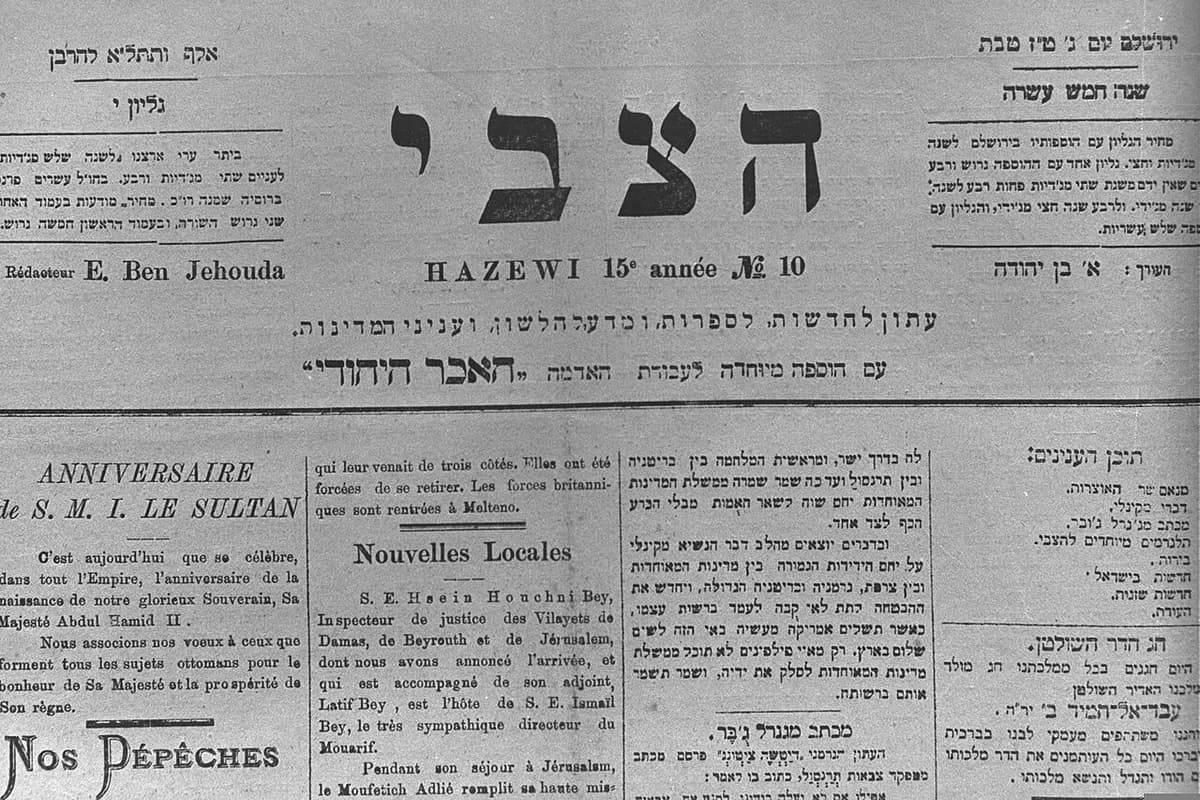
On 23 March 1839, the Boston Morning Post printed “o.k.” for oll korrect. Most of these jokes disappeared within months. OK should have too.
The campaign that saved it
In 1840, President Martin Van Buren ran for re-election. He was from Kinderhook, New York, and his supporters called him “Old Kinderhook” and formed “O.K. Clubs”. The slogan worked twice: it was his nickname and it meant “all correct”. Van Buren lost, but the word had spread across the country.
Why it lasted
OK is short, easy to say in almost any language, and hard to mishear. When telegraph operators needed a quick way to say “received, all good”, OK was ready. Today it is probably the most widely understood expression on Earth. It was even among the first words spoken on the Moon, when Buzz Aldrin said “OK, engine stop” just after landing.
Bring it up
“Did you know ‘OK’ started as a pun on a misspelling, and survived only because of an 1840 election slogan?”
Follow the thread
- Same patternThe first computer bug was an actual bug Like OK, the word spread because a good story attached itself to it.
- Same patternSherlock Holmes never said “Elementary, my dear Watson” Another famous phrase whose real origin is more interesting, and messier, than the popular version.
- Same patternLorem ipsum is a mangled Cicero quote Both are everyday words whose real origin was a mystery until a scholar did the archival work.
- Leads toThe Victorian internet Telegraph operators needed a short, unambiguous acknowledgement, and “OK” fit perfectly.
- RelatedWhy English spelling makes no sense Both show how spelling and sound drift apart, and how a jokey misspelling can only work when spelling is already strange.
- RelatedThe Earl of Sandwich probably wasn’t gambling A person’s name, or nickname, turned into an everyday word.