The first computer programmer was a poet’s daughter
In 1843, a century before electronic computers, Ada Lovelace wrote out a program and imagined machines making music.
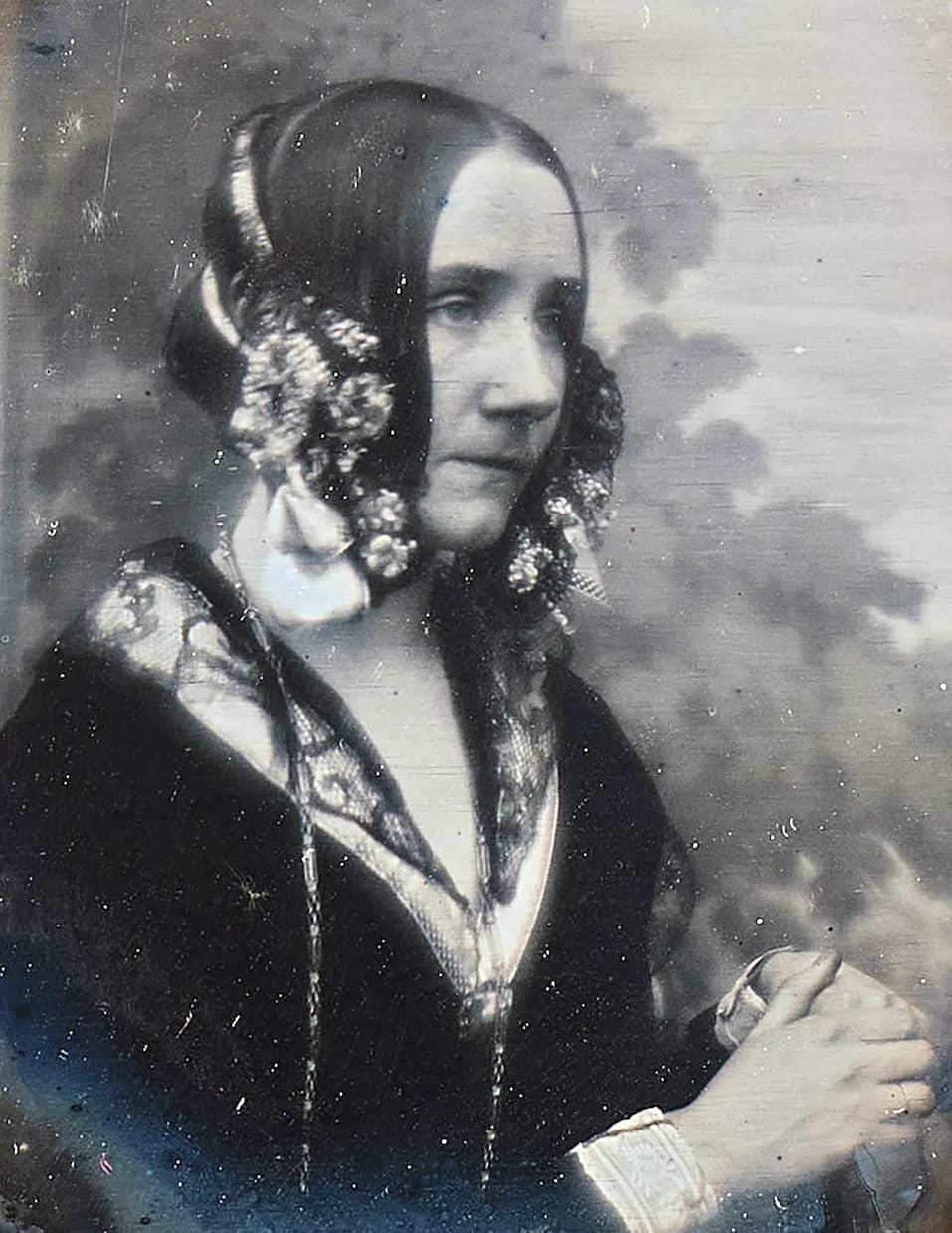
Augusta Ada King, Countess of Lovelace (1815–1852) was the only legitimate child of the poet Lord Byron. Her mother, wary of anything that resembled Byron’s temperament, had her tutored intensively in mathematics.
At 17 she met Charles Babbage, who was designing a mechanical general-purpose computer, the Analytical Engine. In 1843 she translated an Italian engineer’s article about it and added her own notes, which ended up roughly three times longer than the article.
What she wrote
Note G sets out, step by step, how the engine could compute Bernoulli numbers: which operations to perform, in what order, and which variables to store. It is often called the first published computer program.
She also took the idea further than its inventor. The engine, she wrote, “might act upon other things besides number”. If musical notes could be represented symbolically, it “might compose elaborate and scientific pieces of music”. That is the leap from calculator to computer.
“The Analytical Engine weaves algebraical patterns just as the Jacquard loom weaves flowers and leaves.”
Bring it up
“In 1843, Ada Lovelace predicted that computers might one day compose music. The computer she was writing about was never built.”
Follow the thread
- Part ofThe computer that was designed in 1837 Her notes are the most important description of Babbage’s machine and what it could do.
- RelatedComputers began as looms She explained the engine by comparing it to the punched-card loom.
- Leads toThe first computer bug was an actual bug Another woman in computing, Grace Hopper, gave us one of programming’s most famous stories a century later.
- RelatedA volcano gave us Frankenstein Lord Byron, who proposed the ghost-story contest, was Ada Lovelace’s father. She was a baby that summer.
- Same patternA Hollywood star patented a secret radio system Women in computing history whose technical work was long overshadowed by their public image.
- In contrast“Can machines think?”: Turing’s 1950 question Turing argued against “Lady Lovelace’s Objection” that machines can only do what we tell them.