Technology
Machines, code and the ideas behind them.
“Can machines think?”: Turing’s 1950 question
Alan Turing opened a 1950 paper with that question, then replaced it with a test, and answered Ada Lovelace by name.

A Hollywood star patented a secret radio system
In 1942 the film actress Hedy Lamarr and the composer George Antheil patented a frequency-hopping system for guiding torpedoes. The Navy shelved it, but its principle lives on in modern wireless technology.
AI got its name from a summer workshop proposal
In 1955 four researchers asked for funding for “a 2-month, 10-man study of artificial intelligence”, confident they could make a significant advance in one summer.
AI has gone through “winters” before
In 1970 a founder of AI predicted human-level machines within three to eight years. Within a few years funding collapsed, and it collapsed again in the late 1980s.
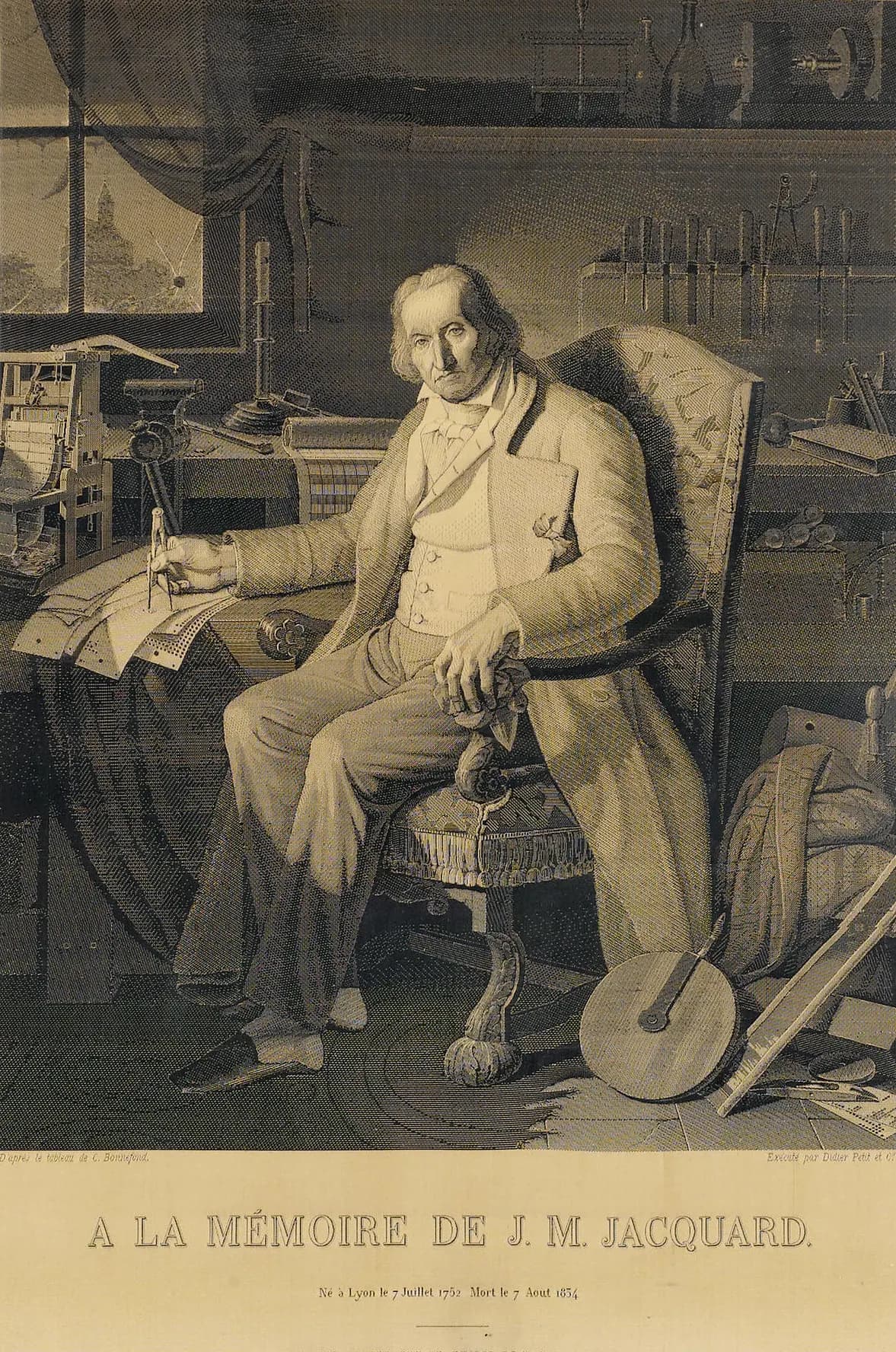
Computers began as looms
The first machine controlled by punched cards was not a calculator. It wove silk.
From a bedroom GPU to ChatGPT
In 2012 a neural network trained on two gaming graphics cards in a student’s bedroom crushed an image-recognition contest. Ten years later, chatbots built on the same lineage reached the public.
In 1958 the Navy said its neural network would one day be conscious
The first trainable neural network, the perceptron, was announced as the embryo of a computer that would “walk, talk, see, write, reproduce itself and be conscious of its existence”.
In a room of 23 people, two probably share a birthday
It sounds impossible with 365 days to choose from, but the odds pass 50% with just 23 people and reach 99.9% with 70.
Julius Caesar’s secret code (and why it failed)
Caesar hid messages by shifting each letter three places. It worked until a 9th-century scholar invented a way to break any cipher like it.
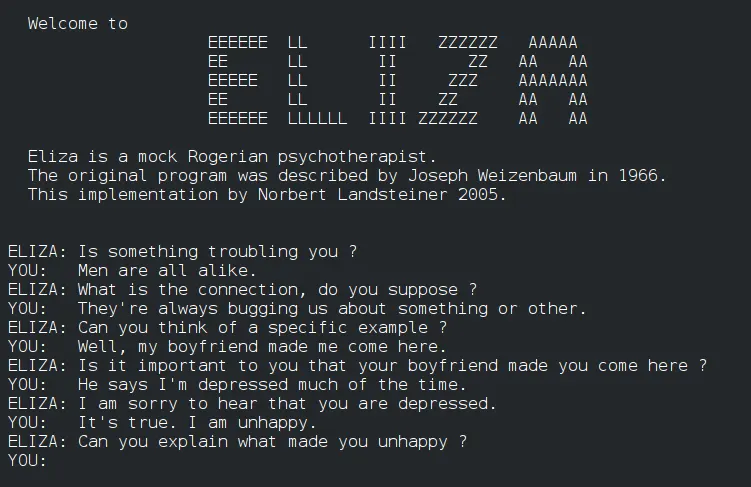
The 1960s chatbot people confided in
ELIZA just reflected your words back as questions. Its creator’s secretary still asked him to leave the room so she could talk to it in private.
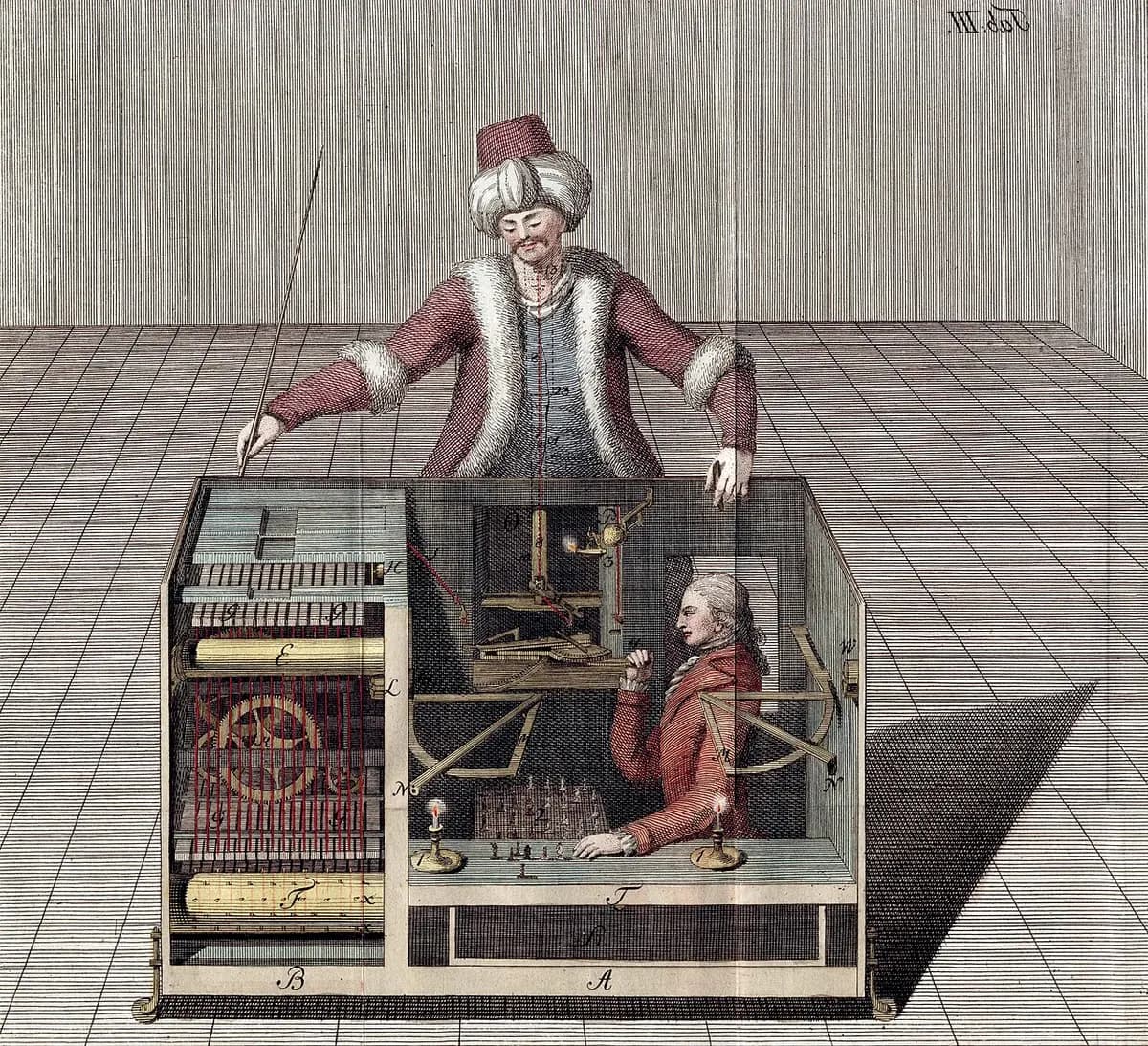
The chess-playing machine that had a man inside
From 1770, a turbaned mechanical figure beat players across Europe and America at chess. It was a brilliant hoax, and Amazon named a service after it.
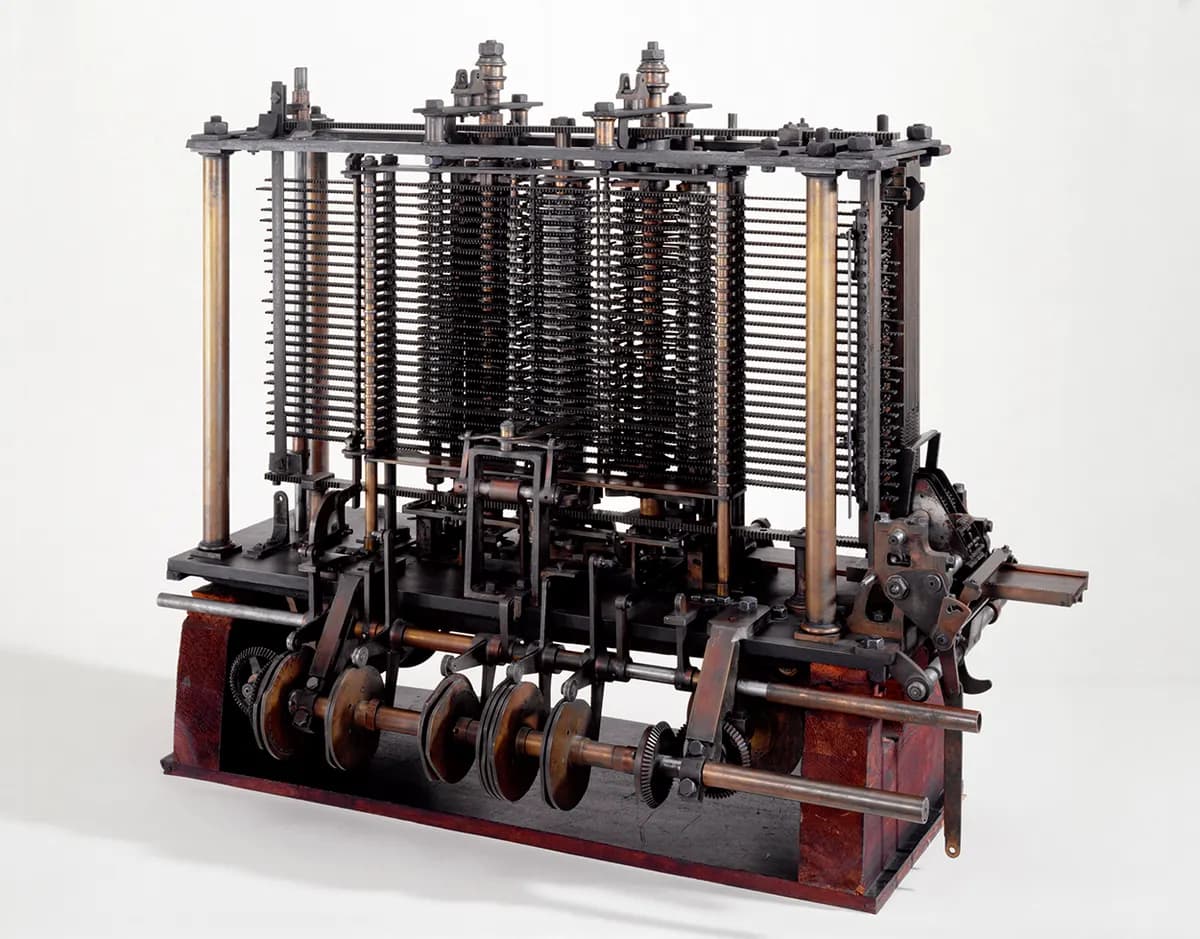
The computer that was designed in 1837
Charles Babbage designed a steam-age machine with memory, a processor and punched-card programs, then never finished building it.
The dream of thinking machines is thousands of years old
Long before computers, people imagined bronze giants, reasoning wheels and a language in which arguments could be settled by calculation.
The first computer bug was an actual bug
In 1947 engineers found a moth stuck in a computer and taped it into the logbook. The word “bug” was already older than that.
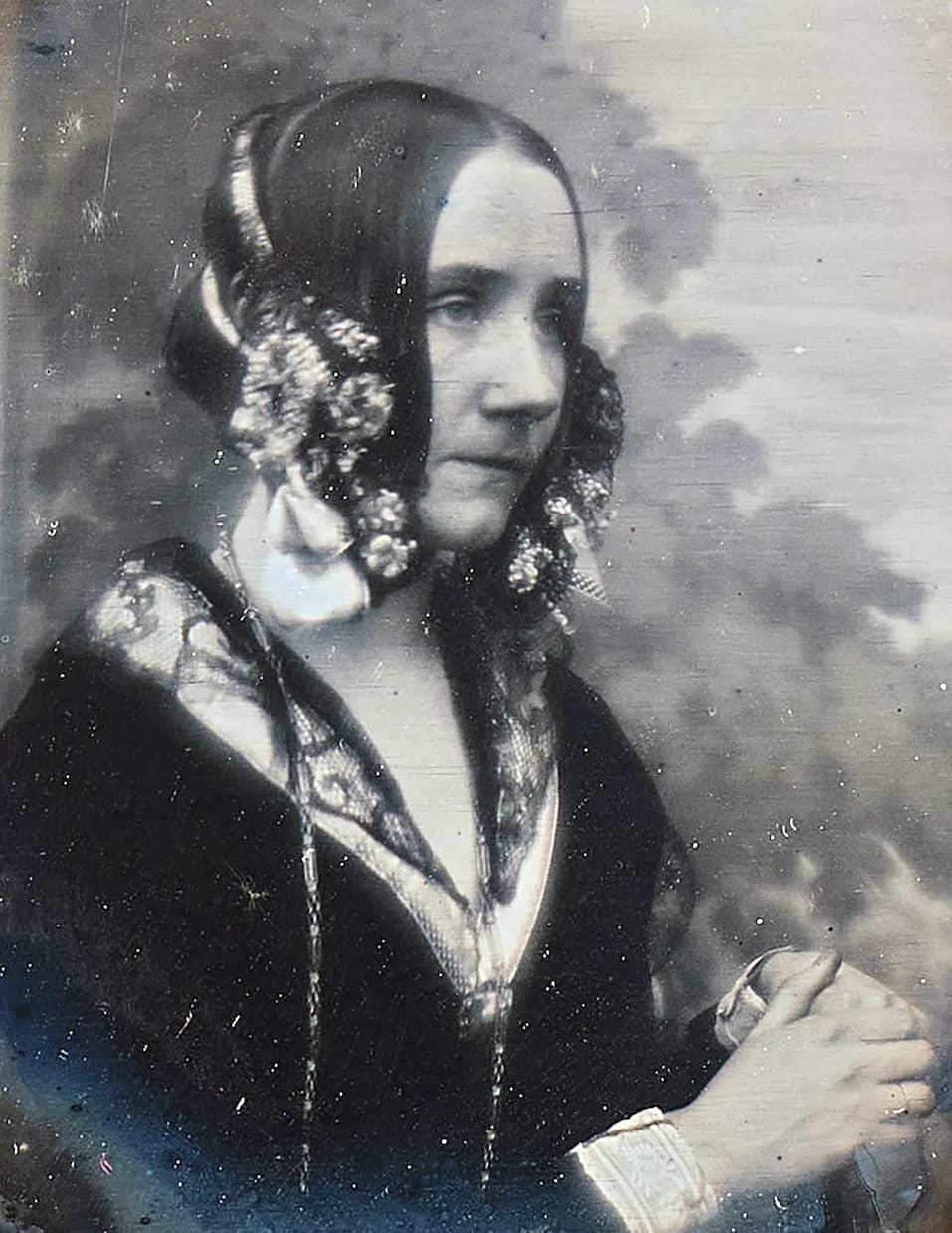
The first computer programmer was a poet’s daughter
In 1843, a century before electronic computers, Ada Lovelace wrote out a program and imagined machines making music.
The first human in space took off from Kazakhstan
Sputnik and Yuri Gagarin both launched from Baikonur, on the Kazakh steppe. Today Russia rents the cosmodrome, and the town around it, from Kazakhstan.
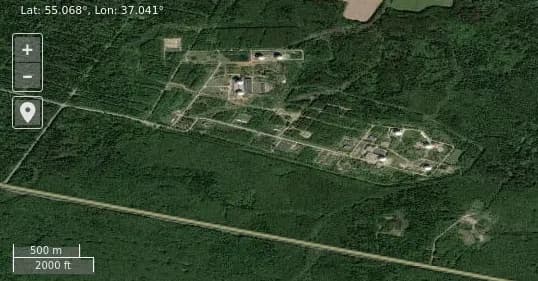
The man who decided the missiles weren’t real
In 1983 a Soviet early-warning system reported five American nuclear missiles on their way. The officer on duty, Stanislav Petrov, judged it a false alarm, and he was right.
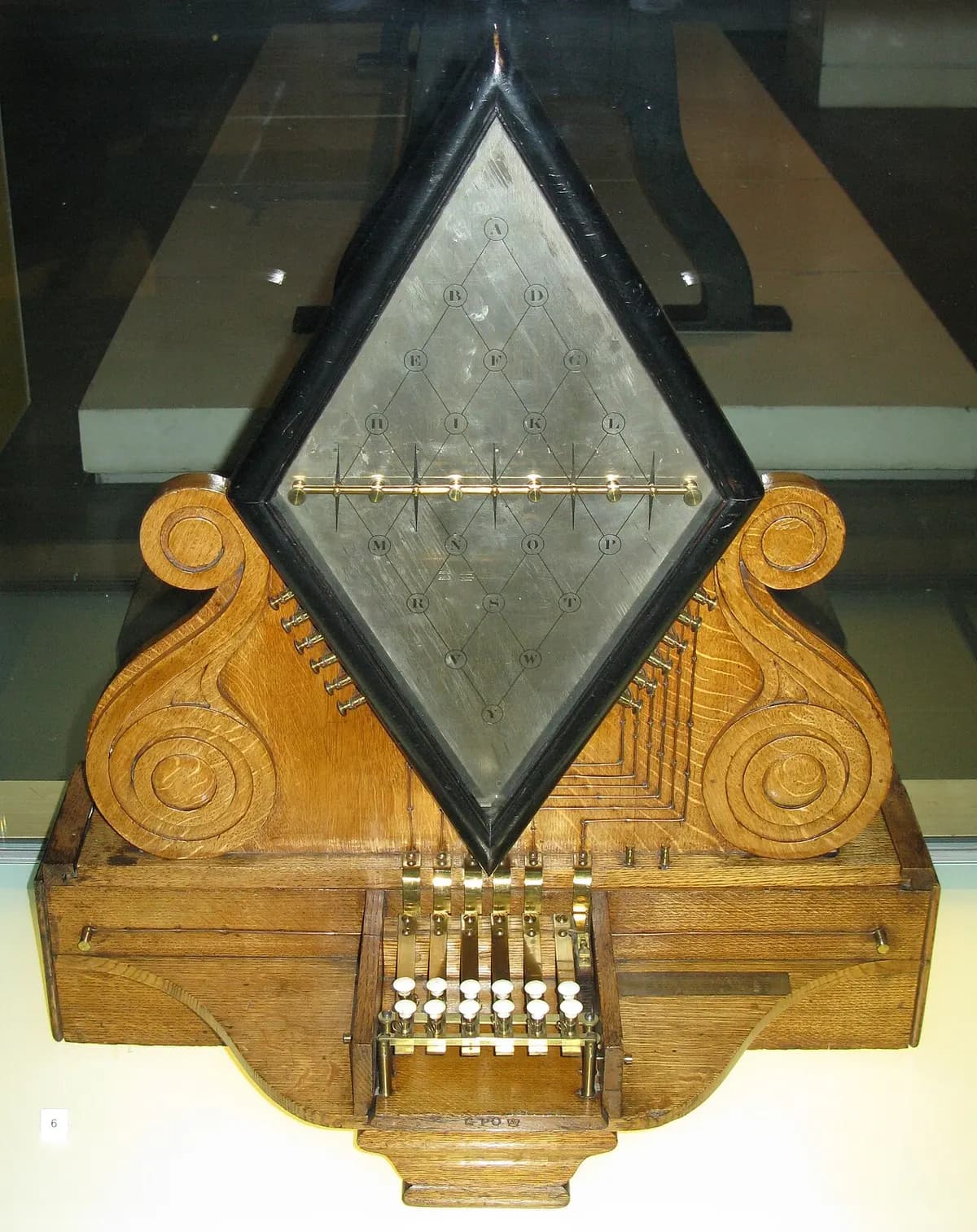
The Victorian internet
Long before email, the telegraph gave the 19th century online romance, hackers, slang and information overload.
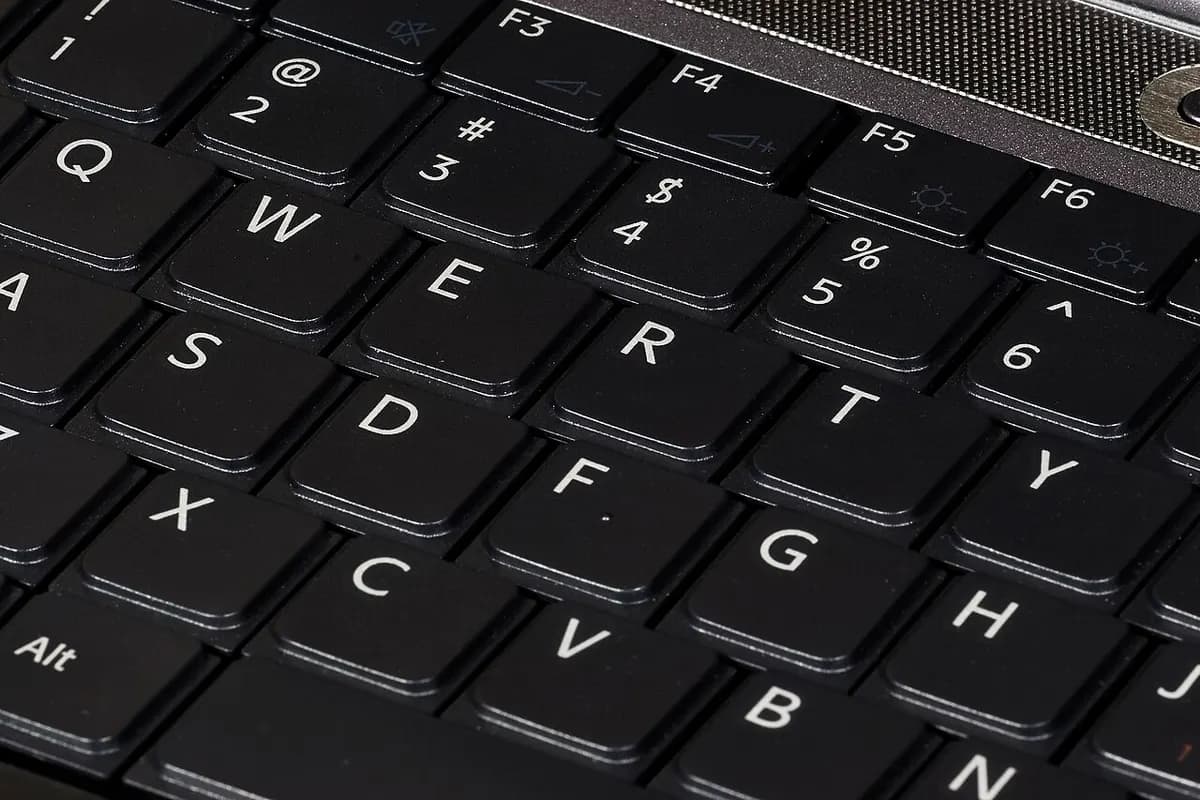
Why your keyboard says QWERTY
The layout you type on every day was designed for a machine that no longer exists, and the famous reason for it may be wrong.