Mathematics
Patterns, numbers and beautiful surprises.
“Can machines think?”: Turing’s 1950 question
Alan Turing opened a 1950 paper with that question, then replaced it with a test, and answered Ada Lovelace by name.
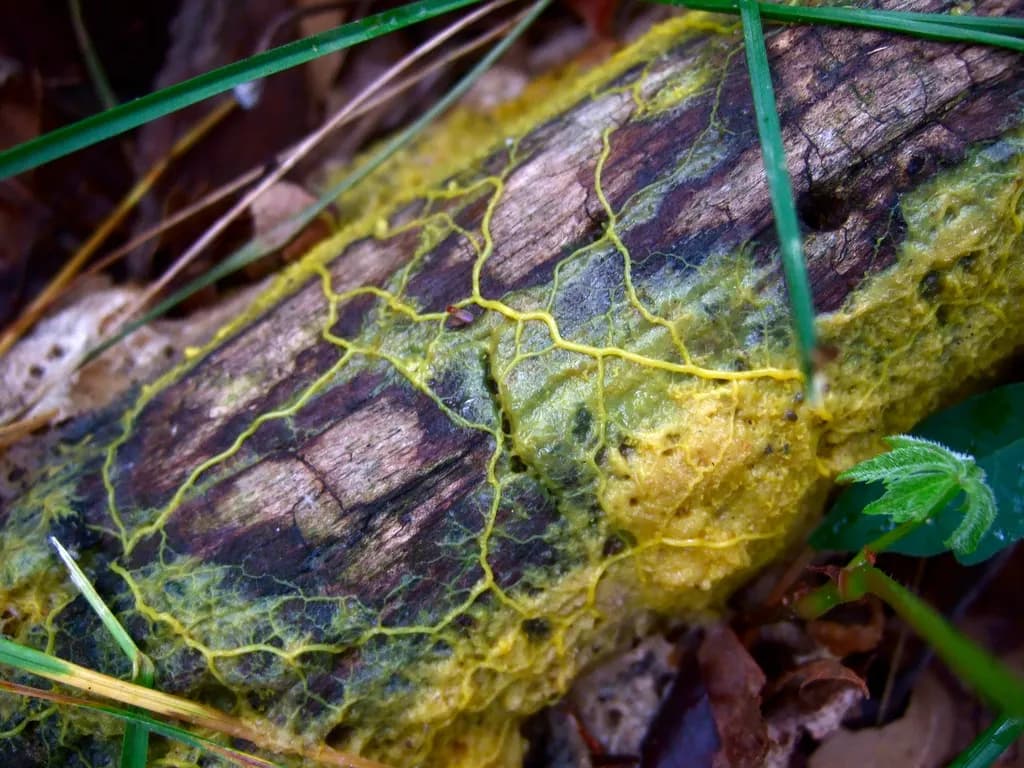
A slime mould designed the Tokyo rail network
Scientists put oat flakes where Tokyo’s cities are. A brainless single-celled organism grew a network remarkably like the real railway.
Fibonacci’s real legacy wasn’t the sequence
The rabbit puzzle made him famous, but Fibonacci’s real impact was teaching Europe to write numbers the way we do now.
In a room of 23 people, two probably share a birthday
It sounds impossible with 365 days to choose from, but the odds pass 50% with just 23 people and reach 99.9% with 70.
Jesus was probably born “Before Christ”
The AD system was invented in 525 by a monk who got the date slightly wrong. Most historians place Jesus’s birth around 6–4 BC.
Julius Caesar’s secret code (and why it failed)
Caesar hid messages by shifting each letter three places. It worked until a 9th-century scholar invented a way to break any cipher like it.
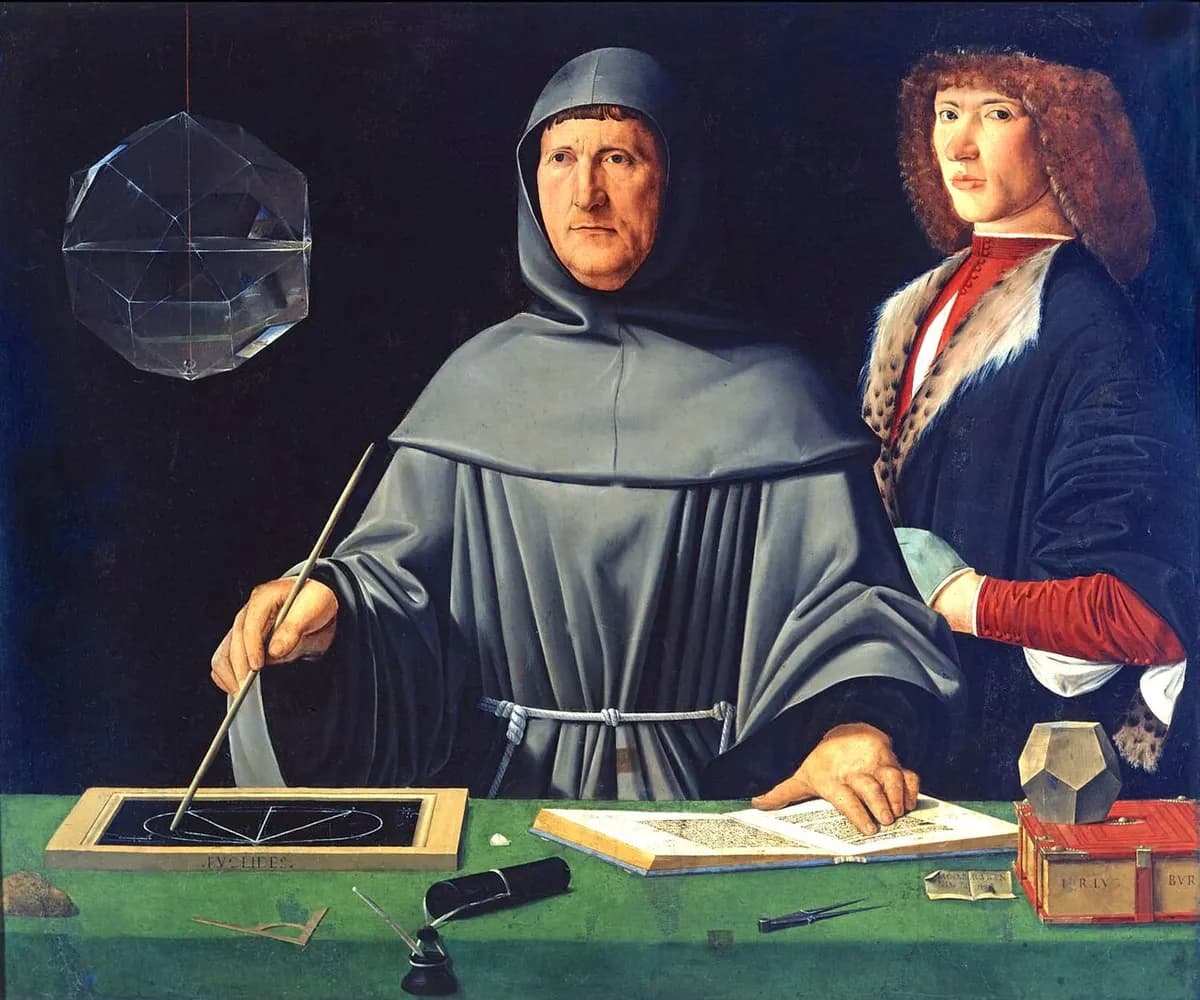
Leonardo’s math teacher wrote the first guide to accounting
The friar who taught Leonardo da Vinci mathematics also published the first printed guide to double-entry bookkeeping, the system nearly every company still uses.
Nepal’s flag comes with geometry instructions
It’s the only national flag that isn’t a rectangle, and Nepal’s constitution explains how to draw it, step by step, like a geometry exercise.
Palindromes are written into your DNA
“A man, a plan, a canal: Panama” has a molecular cousin: your genome is full of sequences that read the same in both directions.
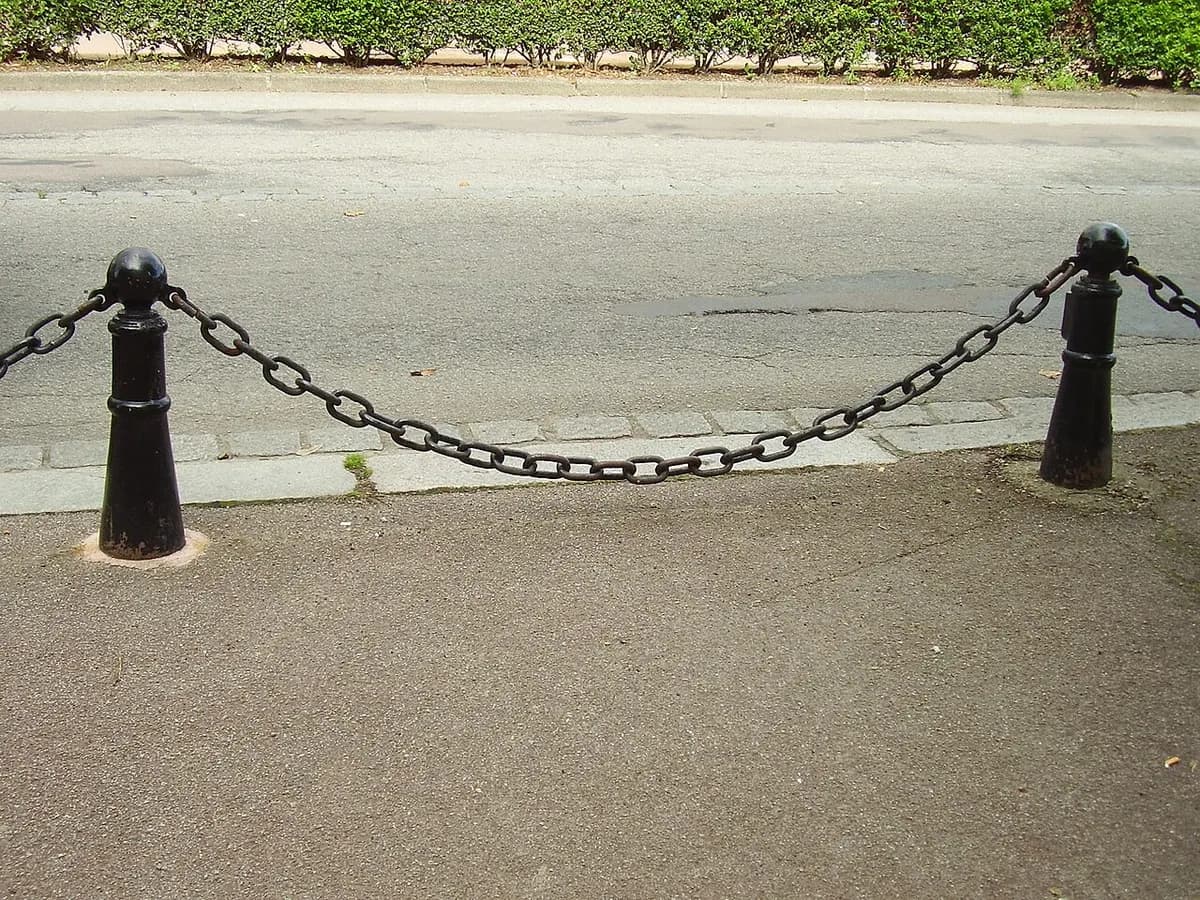
The arch that hangs upside down
Hang a chain from two points, photograph it, flip the picture, and you have the ideal shape for an arch.
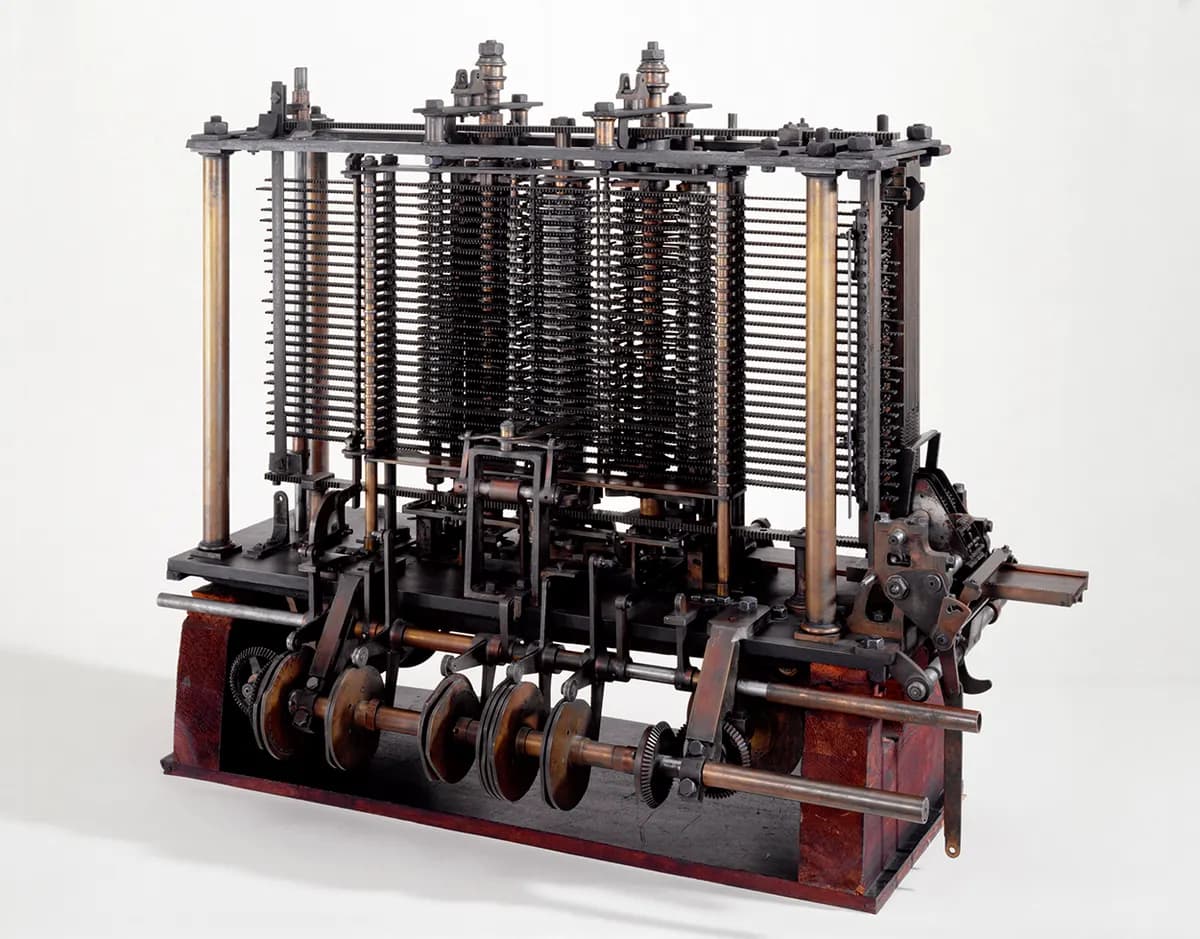
The computer that was designed in 1837
Charles Babbage designed a steam-age machine with memory, a processor and punched-card programs, then never finished building it.
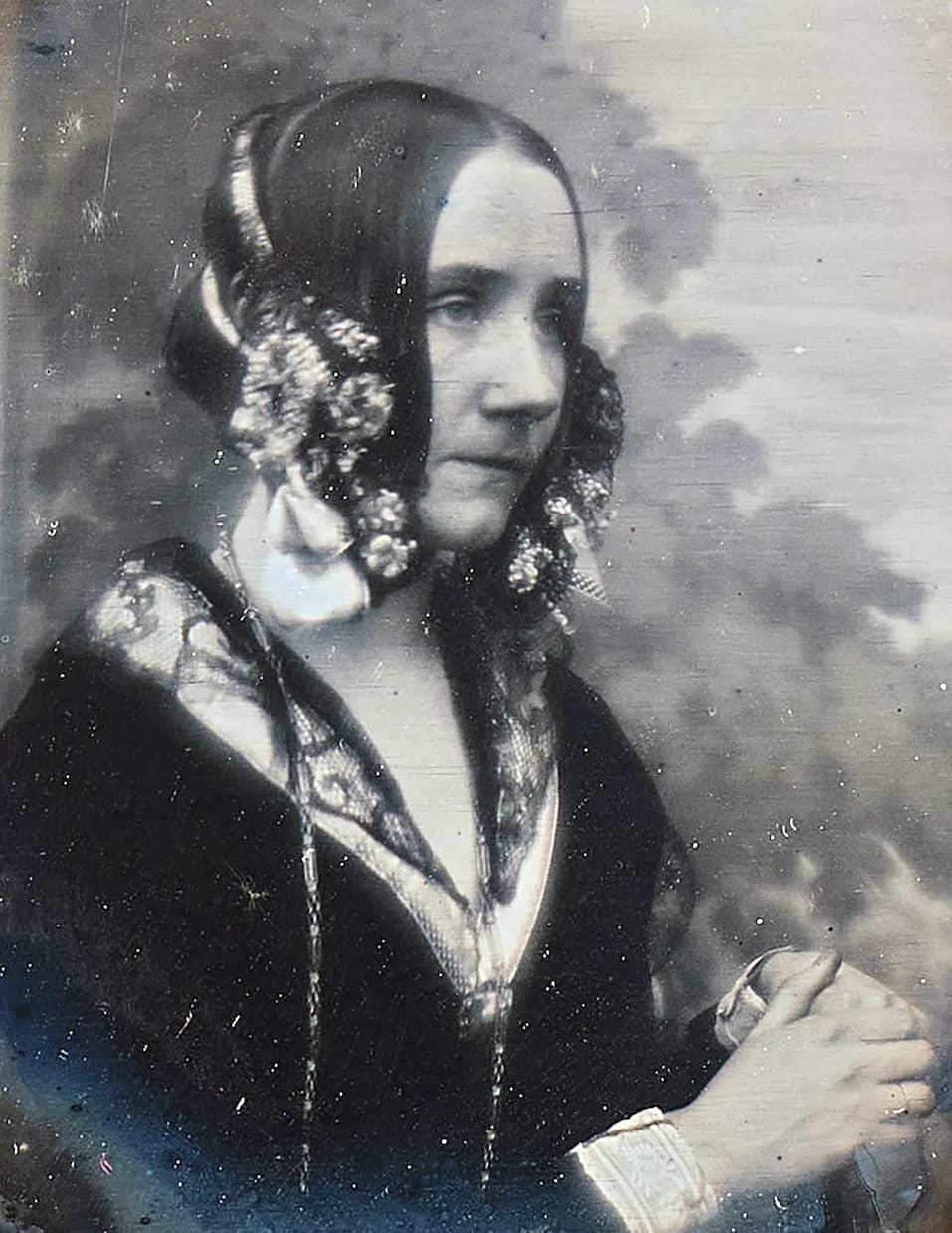
The first computer programmer was a poet’s daughter
In 1843, a century before electronic computers, Ada Lovelace wrote out a program and imagined machines making music.
The golden ratio is less magic than you’ve heard
φ ≈ 1.618 really does appear in sunflowers and pentagons. Most claims about the Parthenon, the Mona Lisa and “perfect beauty” are myths.
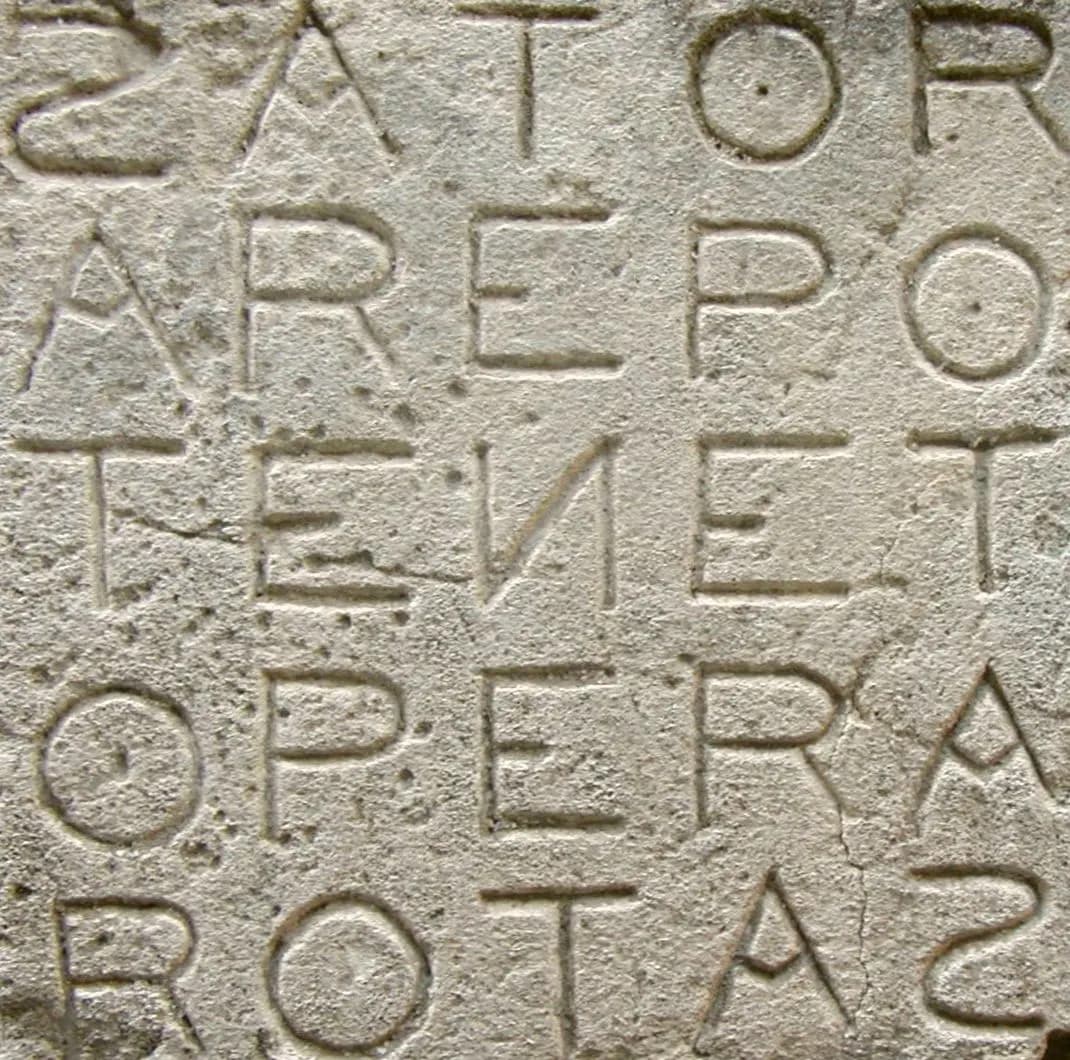
The Sator Square
A five-word Latin puzzle scratched on a wall in Pompeii reads the same in four directions. Nobody agrees on what it means.