An island where people speak Spanish by whistling
On La Gomera in the Canary Islands, Spanish is whistled across ravines, and every schoolchild learns how.
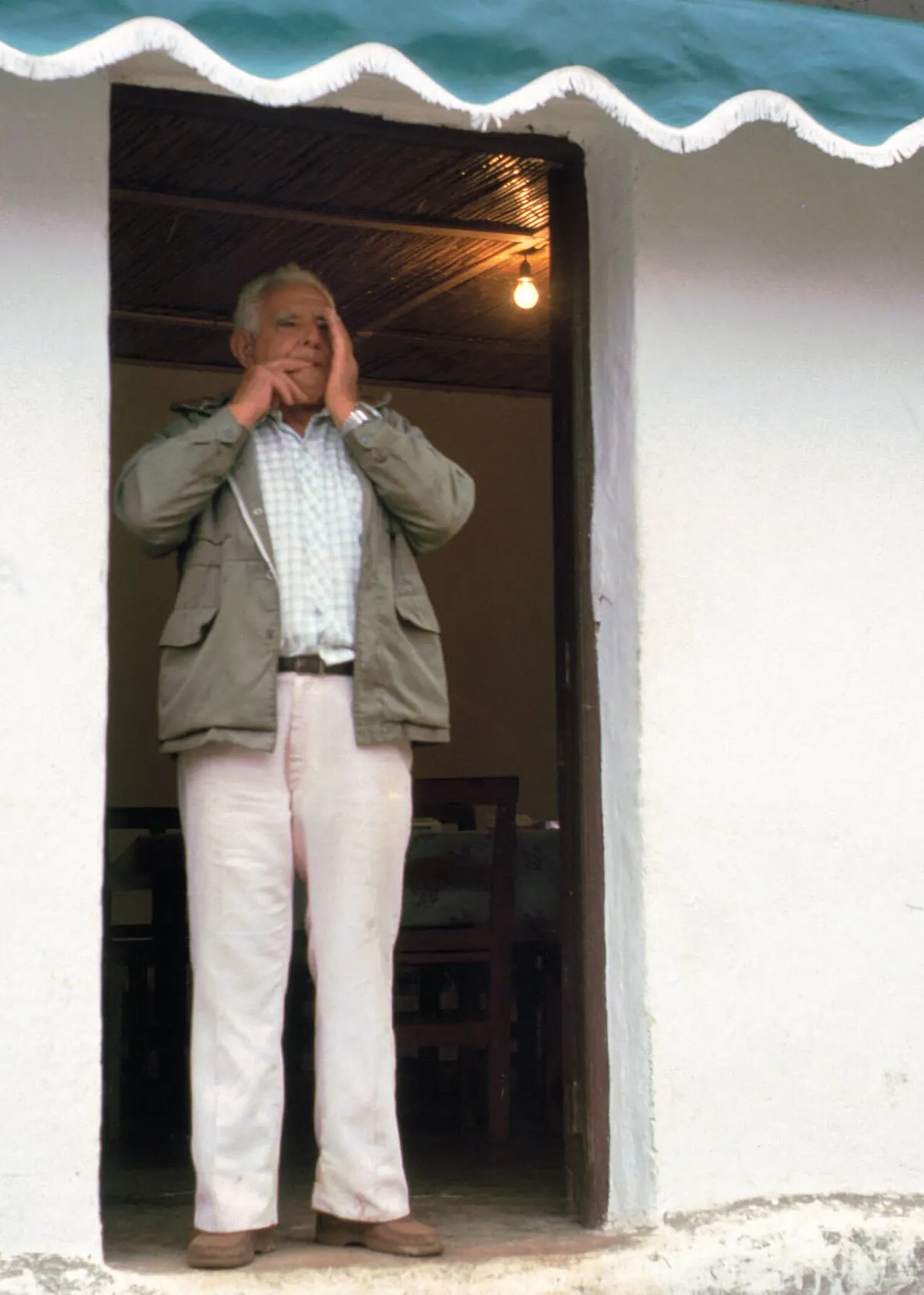
La Gomera is all steep ravines. Walking to a neighbour’s farm might take an hour, but a whistle crosses the valley in seconds. So the islanders learned to whistle their language.
Silbo isn’t a code with a fixed list of signals. It keeps the melody and rhythm of spoken Spanish: vowels become higher or lower pitches, and consonants become breaks and slides in the whistle. A skilled whistler can send messages that carry up to about five kilometres.
Saved by the classroom
The practice goes back to the island’s original inhabitants, the Guanches, and was adapted to Spanish after the Spanish settled the island. By the late 20th century, roads and telephones had made it nearly obsolete. People born between about 1950 and 1980 could often understand it but not whistle it themselves.
In July 1999 Silbo became a compulsory school subject, and in 2009 UNESCO inscribed it on its list of the intangible cultural heritage of humanity. Today Gomeran children learn it alongside maths.
The brain on whistles
Whistled languages are interesting to neuroscientists. Speech is usually processed mostly in the brain’s left hemisphere, while melody leans right. A 2015 study of a whistled form of Turkish found that whistled speech is handled much more evenly by both hemispheres. It’s the same language reaching the brain by a different route.
Bring it up
“There’s an island where kids learn at school to speak Spanish by whistling. It carries for kilometres.”
Follow the thread
- RelatedThe devil’s interval was never banned Another case where pitch and sound carry meaning far beyond the notes themselves.
- Same patternThe Victorian internet Both are ways of sending language over distance by reducing it to a simpler signal.
- RelatedBasque is related to no other language on Earth Two survivors of Europe’s linguistic past, kept alive by small, determined communities.