Society
Customs, institutions and how we live.
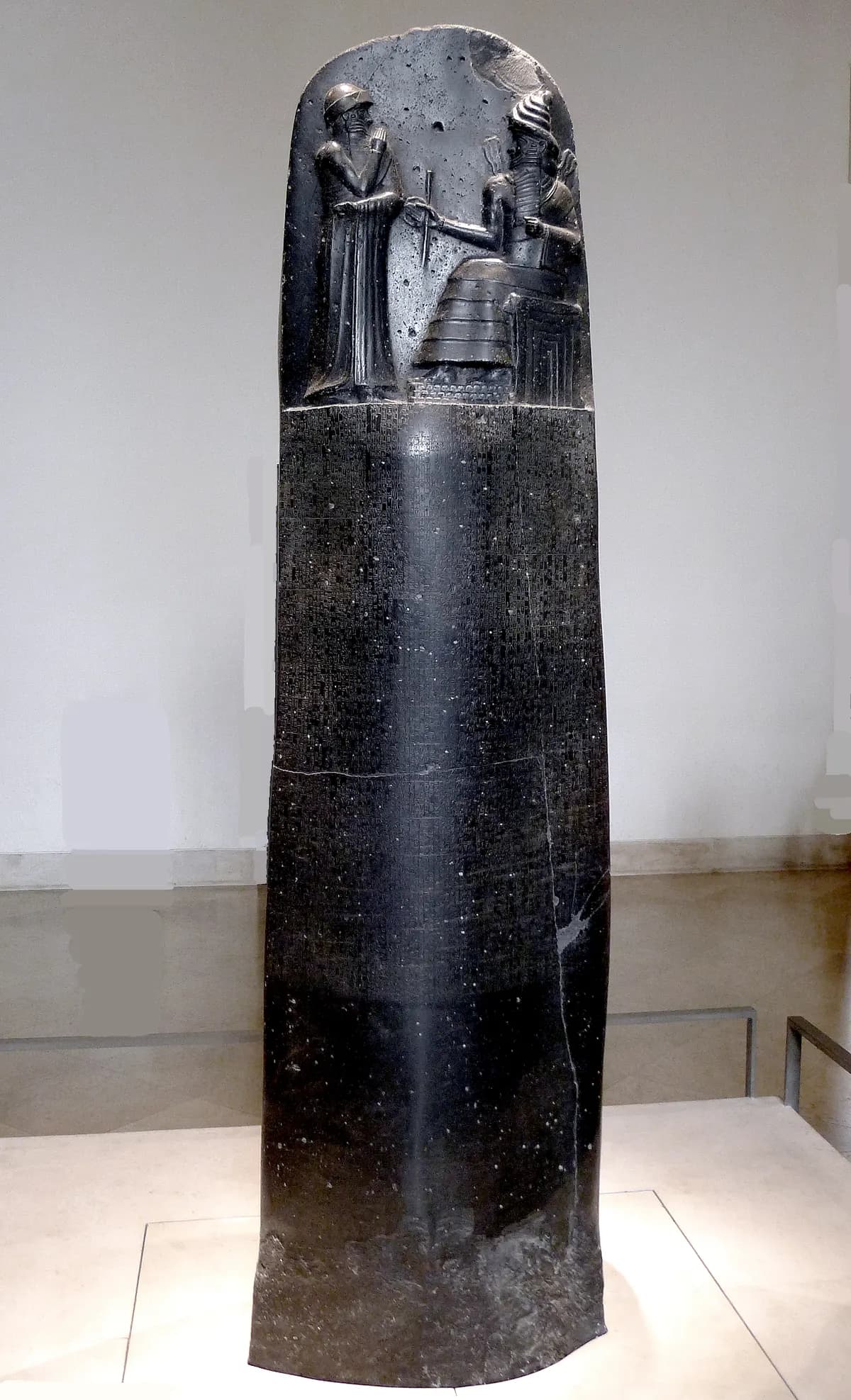
“An eye for an eye” was a step forward
Hammurabi’s 3,800-year-old law code sounds brutal, but it was an attempt to make punishment proportionate, public and predictable.
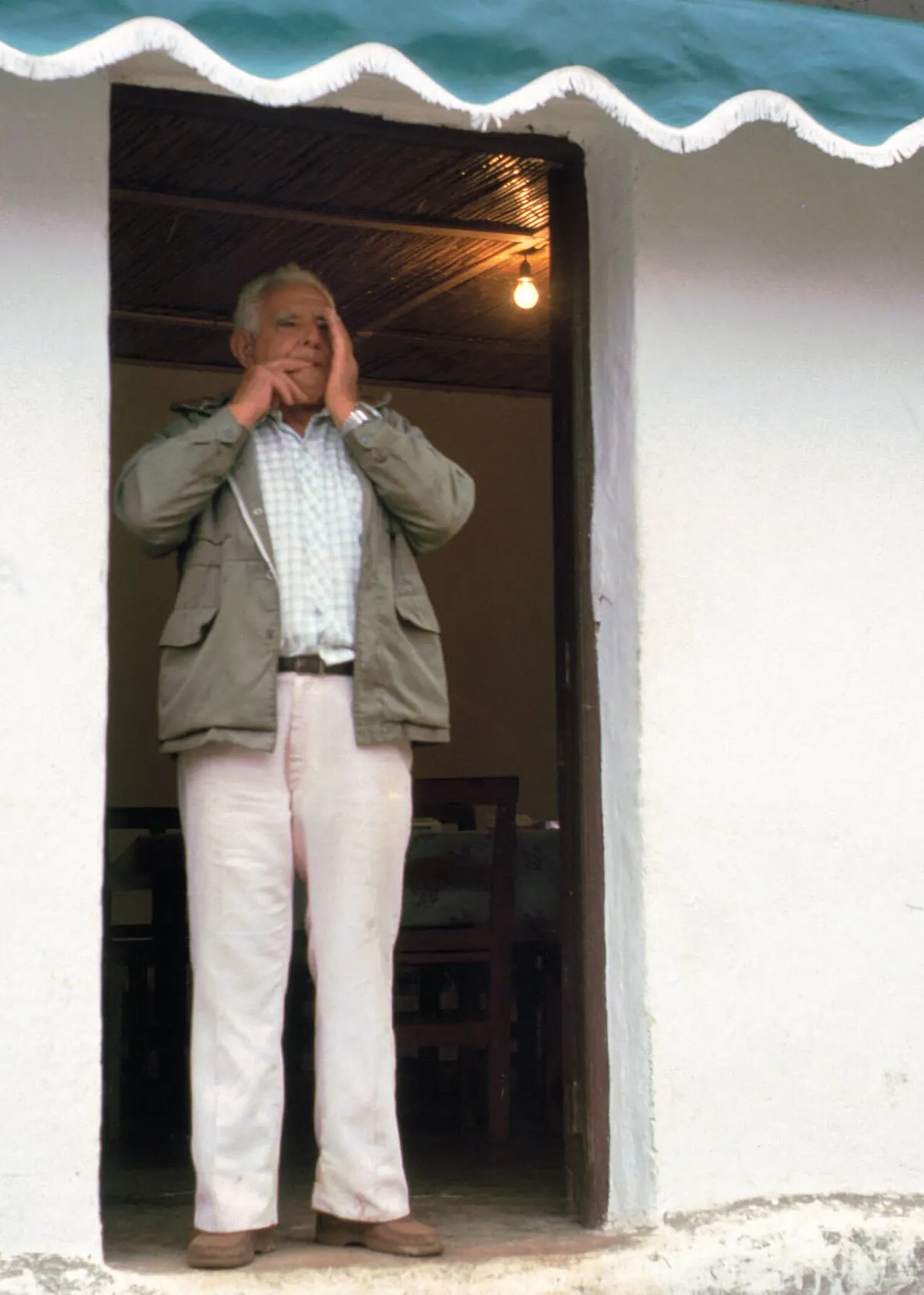
An island where people speak Spanish by whistling
On La Gomera in the Canary Islands, Spanish is whistled across ravines, and every schoolchild learns how.
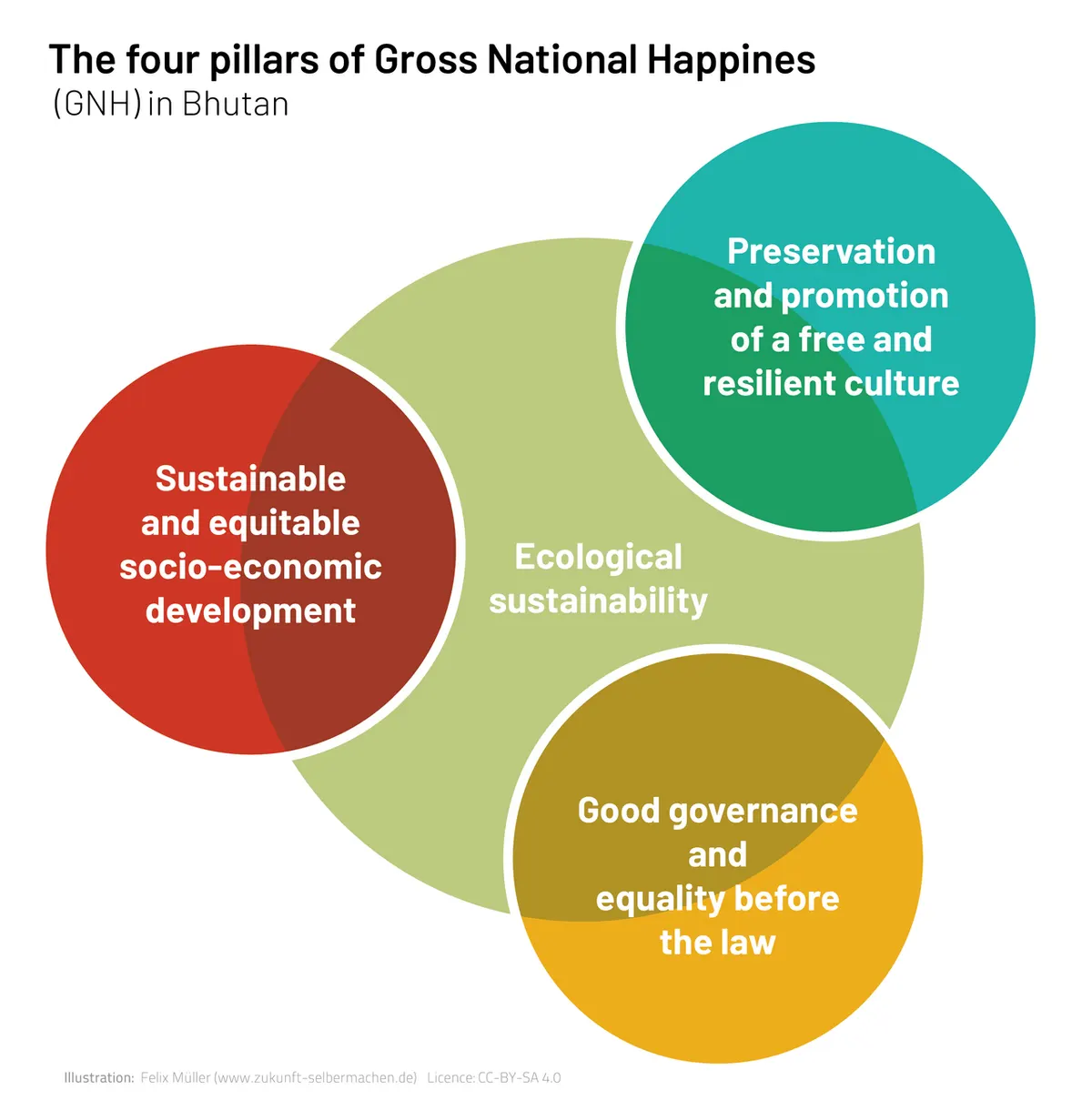
Bhutan measures Gross National Happiness
In 1972 Bhutan’s young king declared that happiness mattered more than GDP. The idea reached the UN, and also attracted serious criticism.
Born Shinto, married Christian, buried Buddhist
Japan has more religious adherents than people. Most of the population is counted as both Shinto and Buddhist, yet most say they have no personal faith.
Chesterton’s fence: ask why it’s there before you tear it down
A 1929 essay gave us one of the most useful rules for anyone who wants to change something: understand it first.
China owns nearly every giant panda on Earth
The pandas in zoos from Washington to Vienna are on loan. China charges rent, and even cubs born abroad belong to Beijing.
China spans five time zones but uses one
All of China runs on Beijing time. In the far west, the sun can rise after 10 a.m. in winter, so many people unofficially keep their own clock.
Fortune cookies are Japanese, by way of California
You won’t find fortune cookies in China. They descend from a Kyoto cracker, reached America through Japanese immigrants, and were taken over by Chinese restaurants during World War II.
How trends spread, from royal courts to TikTok
For a century, the theory was that fashion trickled down from the rich. Then it started bubbling up from the street, and now it moves sideways through algorithms in weeks.
In a Kazakh home, a half-empty cup is a compliment
Kazakh hosts pour tea only part-way, so they can keep refilling it while you stay and talk. A cup filled to the brim can be a polite hint.
In Britain, it’s an offence to handle salmon in suspicious circumstances
It sounds like a joke law. It’s real, it’s still in force, and it has a sensible purpose.
Kazakh names that tell a story
A girl named Ulbolsyn carries a message: “let the next one be a boy”. Traditional Kazakh names record wishes, fears, wars and the day a child was born.
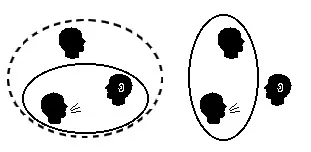
Many languages have two words for “we”
When you say “we’re going to dinner”, are you inviting the listener? English leaves it ambiguous. Hundreds of languages don’t.

Oxford University is older than the Aztec Empire
Teaching at Oxford was under way by 1096. Tenochtitlan, the Aztec capital, was founded in 1325.
Pink for girls and blue for boys is younger than your grandparents
A century ago a trade magazine told shops that pink was for boys. The colour code we treat as ancient only settled in the mid-20th century.
The Bechdel test began as a joke in a comic strip
Three simple questions about a film started life in 1985, and the woman who thought of them wasn’t Alison Bechdel.
The cobra effect: when rewards backfire
Pay people to kill pests and some of them will start breeding pests. The famous cobra version may be a legend, but the rat version in Hanoi really happened.
The Kazakh bride who renames her husband’s family
By custom, a Kazakh daughter-in-law does not say the names of her husband’s elder relatives aloud. Instead she invents a respectful nickname for each one.
The man behind the Miranda warning
“You have the right to remain silent” is named after Ernesto Miranda. He won his Supreme Court case and was convicted again anyway.
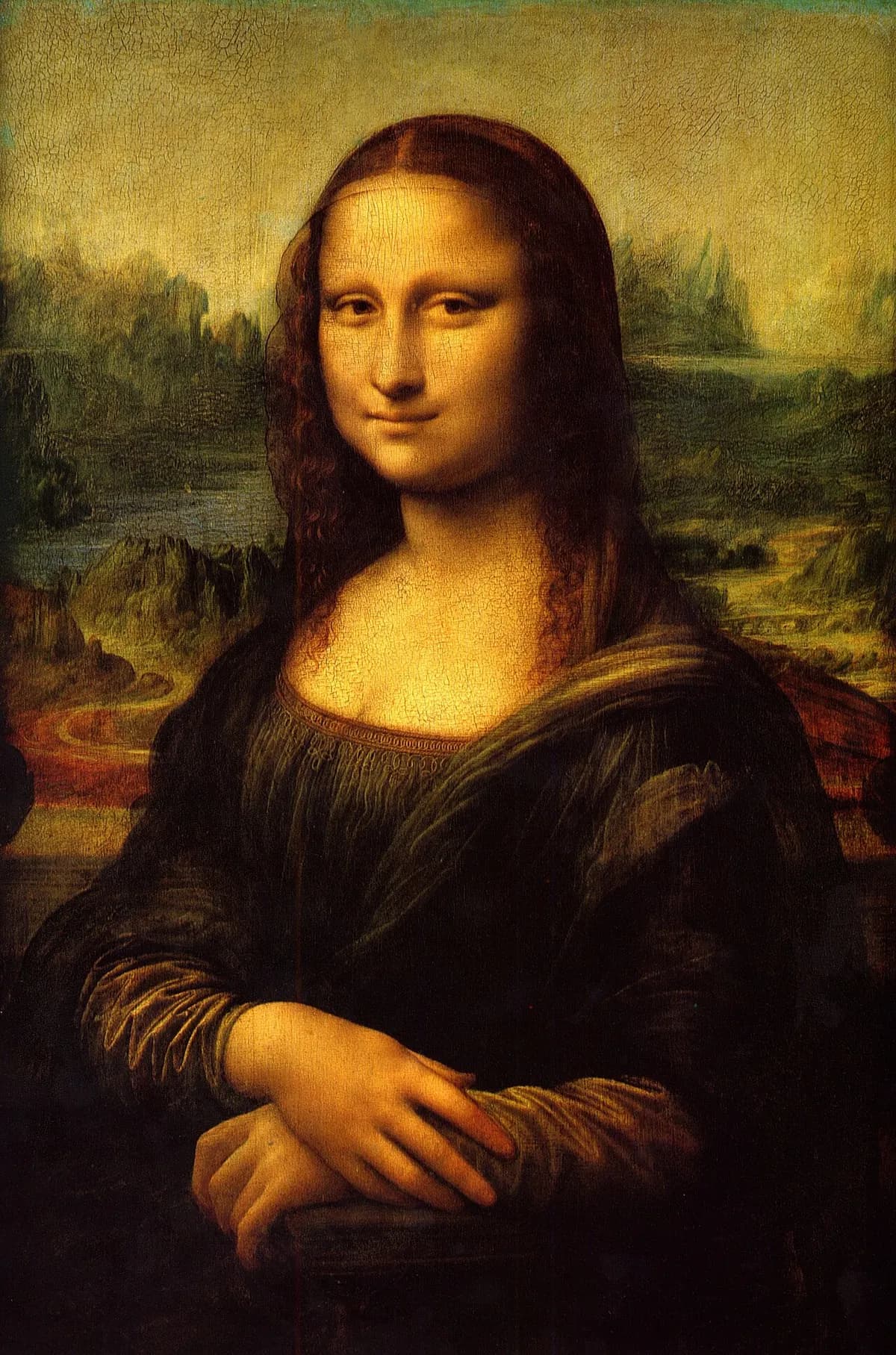
The Mona Lisa became famous by being stolen
In 1911 a handyman walked out of the Louvre with the Mona Lisa under his smock. The two years it was missing turned it into the most famous painting in the world.

The Streisand effect
A photo of Barbra Streisand’s house had been downloaded six times. Then she sued to suppress it, and hundreds of thousands of people looked.
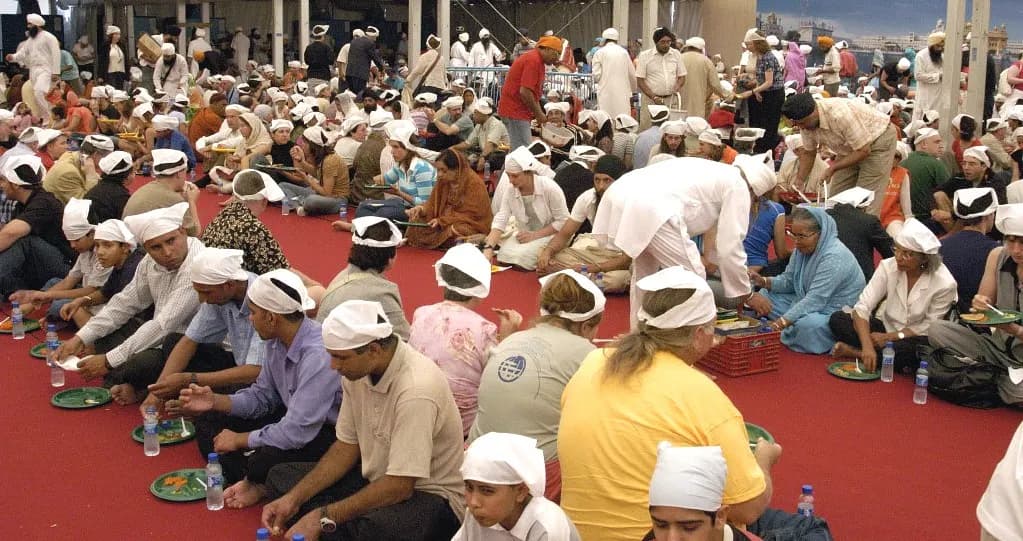
The temple kitchen that feeds tens of thousands every day, free
At the Golden Temple in Amritsar, anyone, of any religion, can sit on the floor and eat a free meal, cooked and served mostly by volunteers.
The veil of ignorance
Design a society without knowing which person in it you will be, and watch what changes.
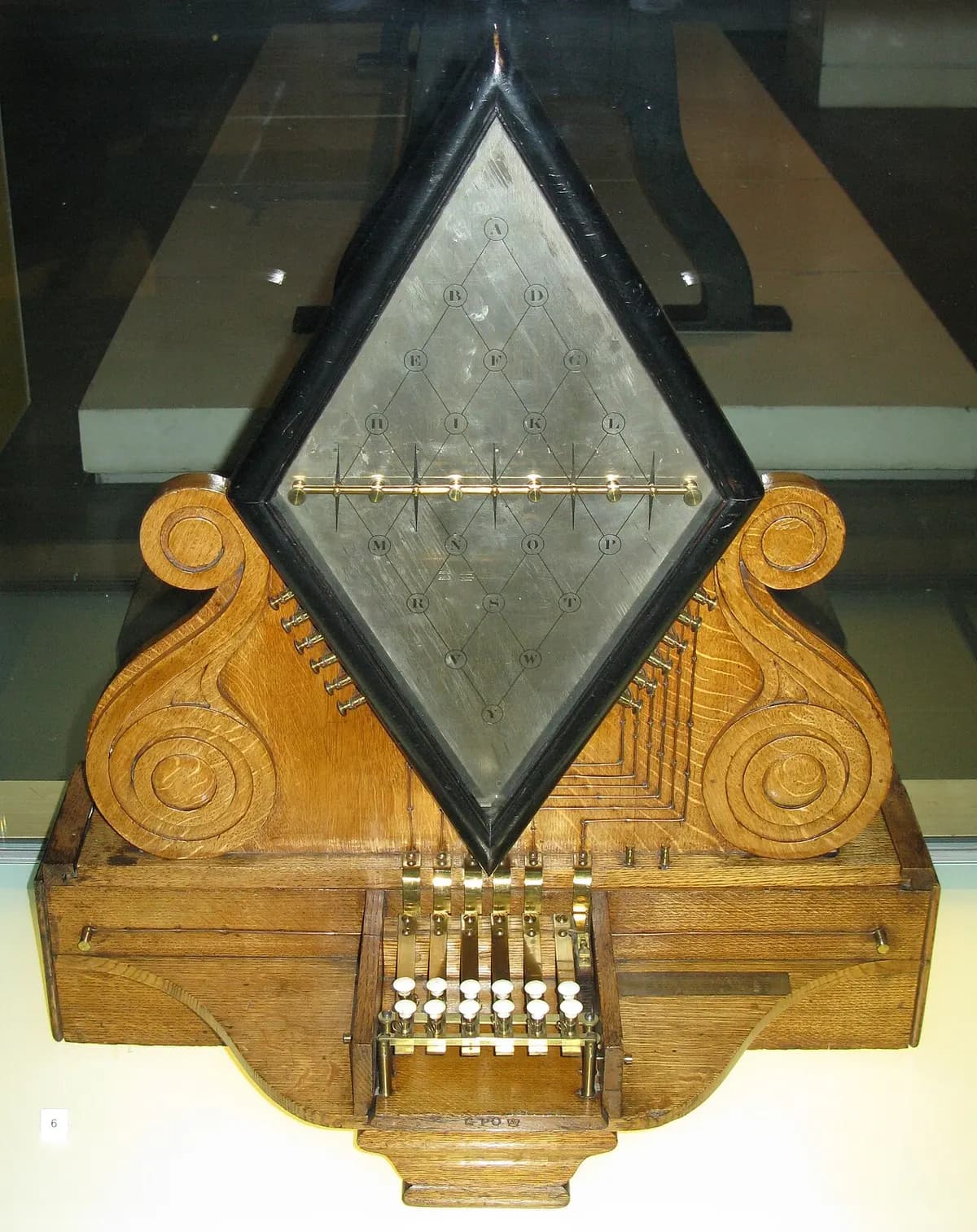
The Victorian internet
Long before email, the telegraph gave the 19th century online romance, hackers, slang and information overload.
Three meals a day is a fairly modern habit
In much of medieval northern Europe, people ate two main meals: a midday dinner and an early supper. Breakfast became normal because of towns, work and school.
When a measure becomes a target
Hospitals cut waiting times by not counting patients. Schools teach to the test. The same law explains both.
Who lives in Xi’an’s Muslim Quarter
In the heart of an ancient Chinese capital is a mosque that looks like a Buddhist temple, run by a Muslim people descended partly from Silk Road traders.

Why do we say “OK”?
The world’s most recognised word began as a deliberately misspelled joke in a Boston newspaper.
Why many Kazakhs can name seven generations of ancestors
A Kazakh child is traditionally expected to know seven fathers back, and the rule exists to prevent marriage between relatives.