The Streisand effect
A photo of Barbra Streisand’s house had been downloaded six times. Then she sued to suppress it, and hundreds of thousands of people looked.
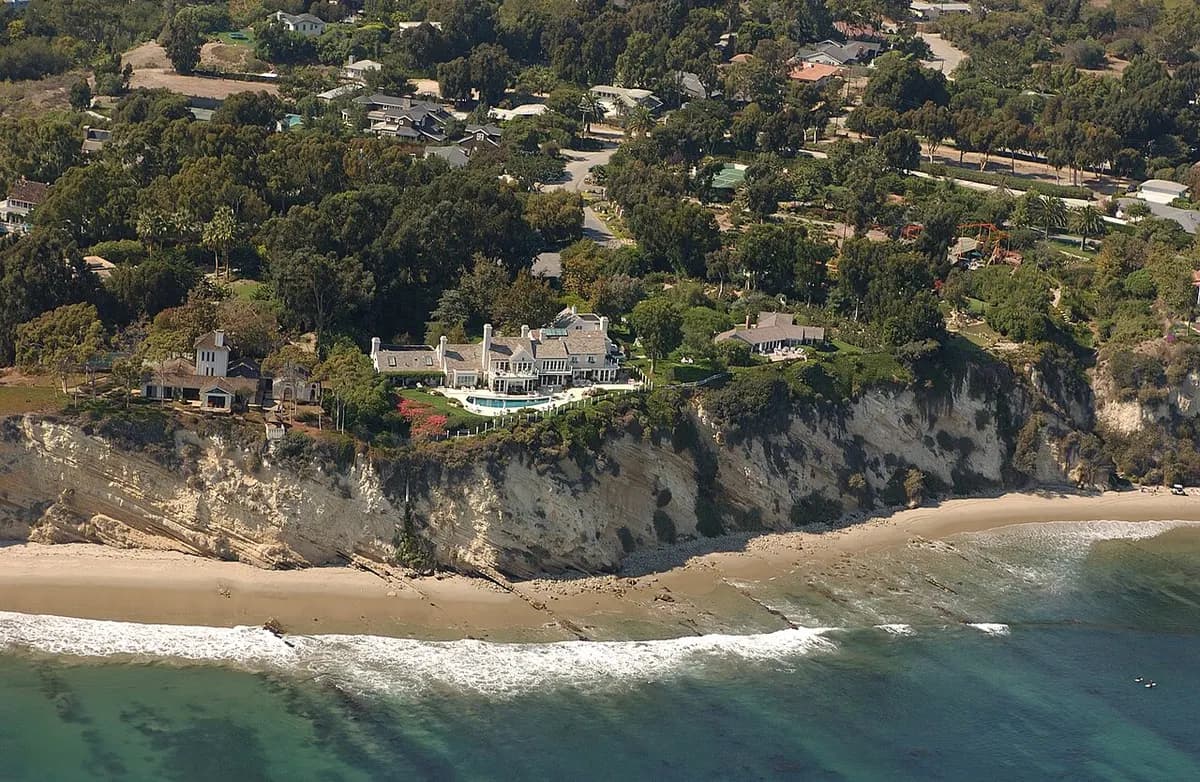
The California Coastal Records Project photographed the entire California coastline from a helicopter to document erosion: more than 12,000 images. One of them, image #3850, happened to include Barbra Streisand’s clifftop home.
She sued the photographer, Kenneth Adelman, for $50 million over invasion of privacy. Before the lawsuit, the image had been downloaded six times, two of those by her own lawyers. Once the lawsuit was reported, more than 400,000 people visited the site in the following month.
The case was dismissed, and Streisand was ordered to pay Adelman’s legal fees.
Naming it
In 2005, Mike Masnick of the blog Techdirt coined the term “Streisand effect” for a different case of a takedown backfiring. It stuck because the pattern keeps recurring: companies suing critics, governments blocking websites, celebrities trying to remove unflattering photos.
Why it happens
- Suppression is news. A lawsuit is a better story than the photo.
- Forbidden information becomes more desirable (psychologists call this reactance).
- Online, copying is effortless, so every takedown attempt invites copies.
Bring it up
“The photo of Barbra Streisand’s house had been downloaded just six times, two of them by her own lawyers, before she sued.”
Follow the thread
- Same patternThe Mona Lisa became famous by being stolen Absence and scandal creating more attention than presence ever did.
- Same patternThe city in Kazakhstan that provoked Genghis Khan An act meant to show strength produced the opposite of what its author wanted.
- Same patternThe cobra effect: when rewards backfire An attempt to reduce something that ends up multiplying it.
- RelatedA skateboard, a bottle of juice, and a 43-year-old hit Online attention is unpredictable: it can make a 2003 photo or a 1977 song suddenly famous.