Geography
Places, borders and the shape of the Earth.
A volcano gave us Frankenstein
A massive eruption in Indonesia in 1815 caused a cold, stormy summer in Switzerland, which kept a group of writers indoors telling ghost stories.
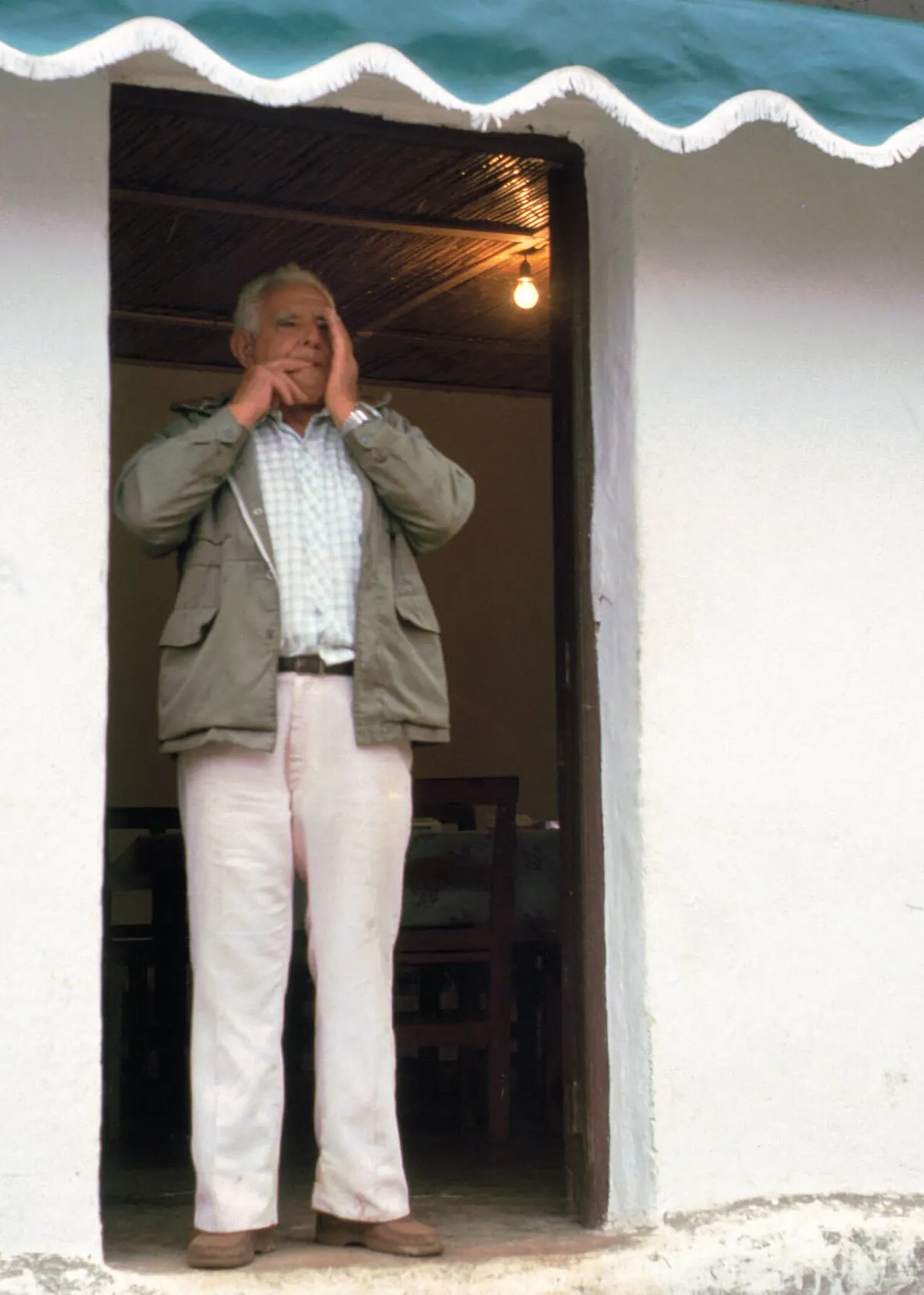
An island where people speak Spanish by whistling
On La Gomera in the Canary Islands, Spanish is whistled across ravines, and every schoolchild learns how.
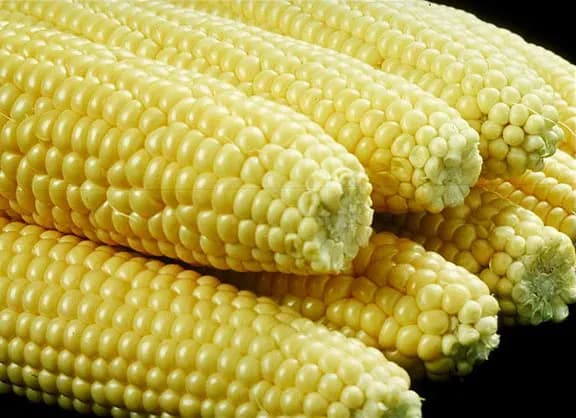
Before 1492, Italy had no tomatoes and Thailand had no chillies
Many “ancient” national dishes depend on ingredients that crossed the Atlantic after Columbus. Some of them are surprisingly recent.
China spans five time zones but uses one
All of China runs on Beijing time. In the far west, the sun can rise after 10 a.m. in winter, so many people unofficially keep their own clock.
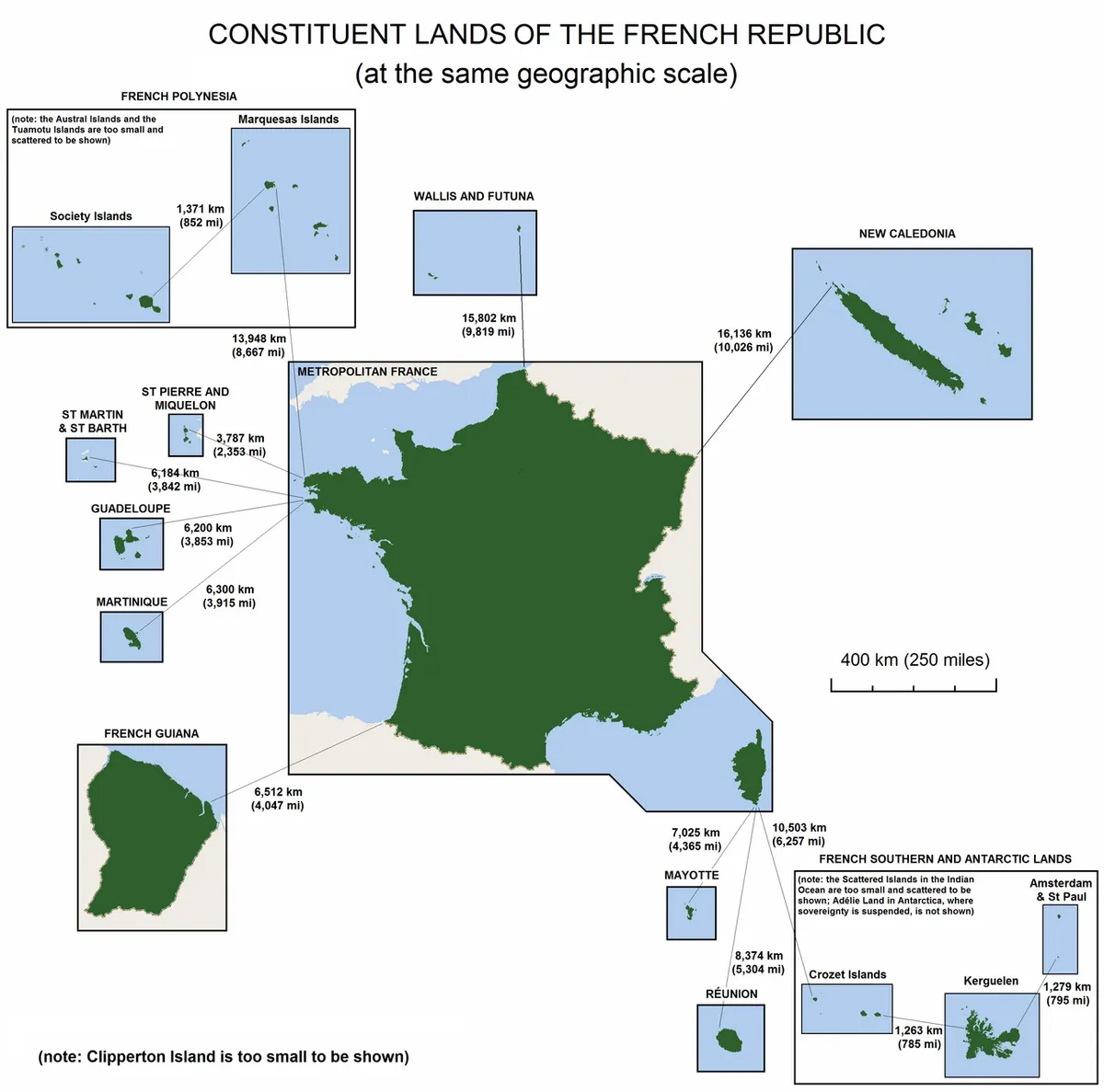
France has more time zones than any other country
Not Russia, not the United States: France. And mainland France itself runs an hour ahead of where its geography says it should, because of 1940.
Kazakhstan brought half of a dying sea back to life
The Aral Sea was once the world’s fourth-largest lake. Soviet irrigation drained it into a desert, but a dam built by Kazakhstan in 2005 revived its northern part, and the fish came back.
Kiribati moved the International Date Line
Until 1995 Kiribati was split by the date line, so different parts of the country were on different days. So it moved the line.
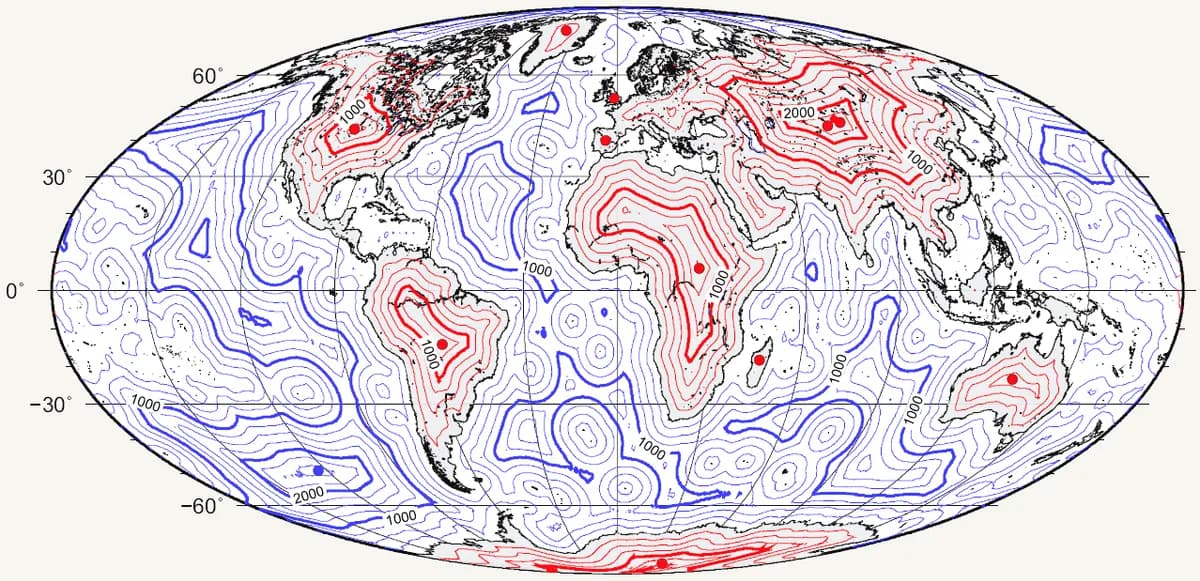
Point Nemo, where spacecraft go to die
There is a spot in the Pacific so remote that the nearest humans are often the astronauts passing overhead.
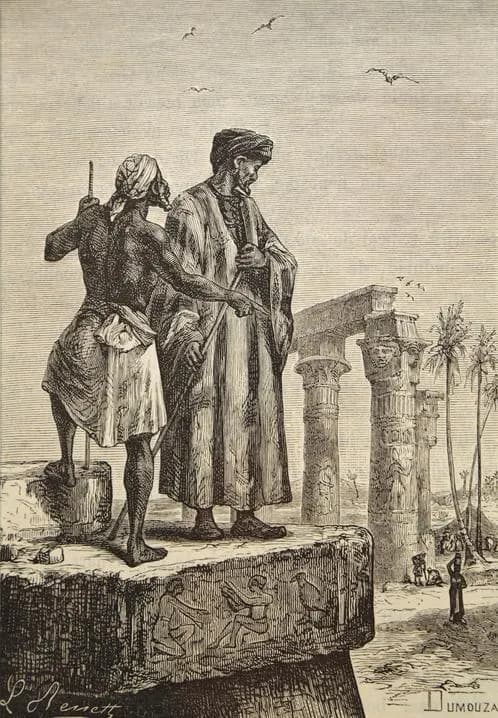
The traveller who went five times farther than Marco Polo
In 1325 a 21-year-old from Tangier set out on pilgrimage to Mecca. He came home 29 years later, having travelled an estimated 117,000 km.
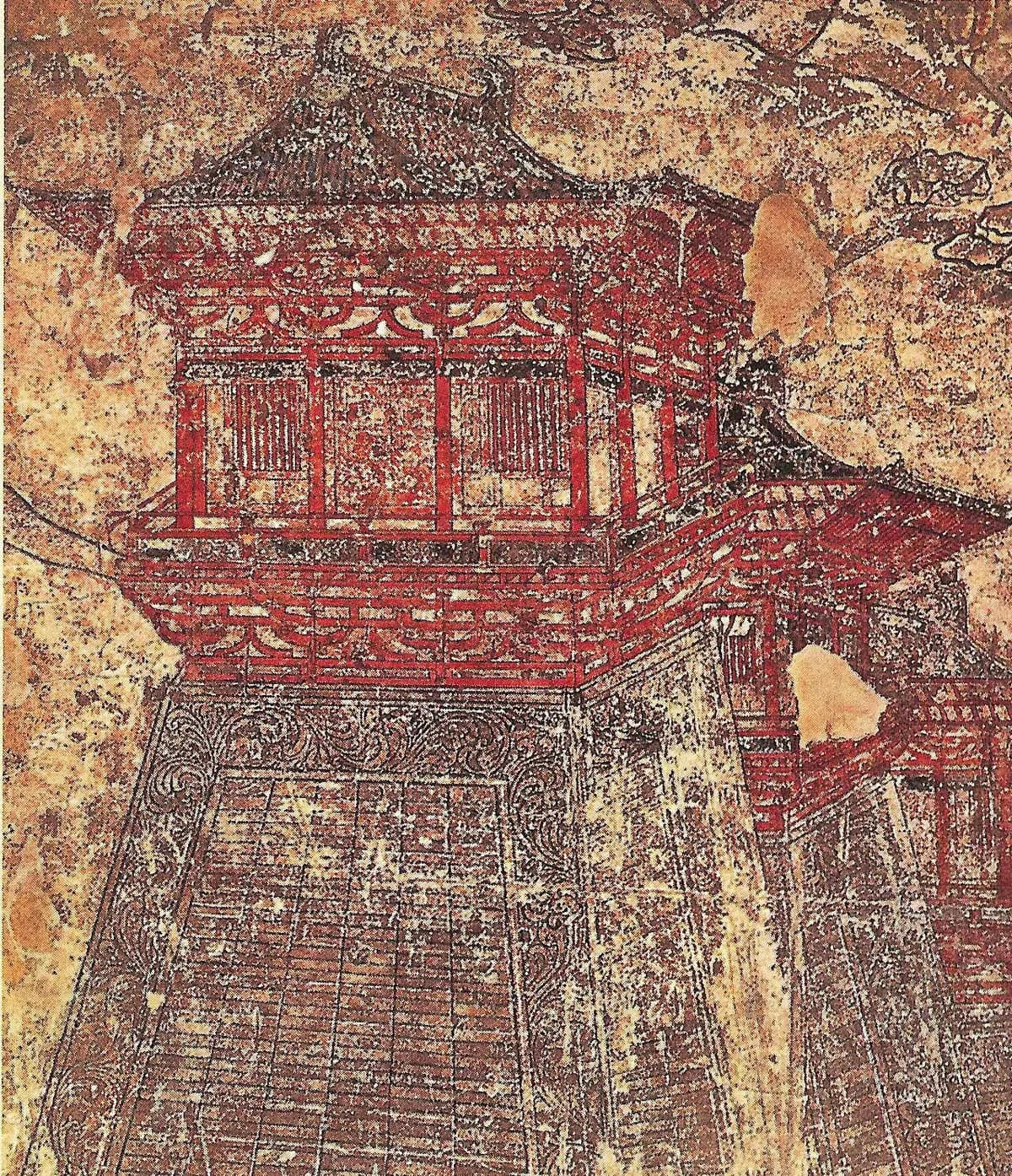
Xi’an was once one of the largest cities on Earth
Around 750, the city now called Xi’an was Chang’an: a “million-man city” at the eastern end of the Silk Road, home to Persians, Sogdians, Arabs and Christian monks.