Kazakhstan’s national symbol might be a woman
The “Golden Man” on top of Almaty’s Independence Monument is a Saka warrior found in 1969 in a costume of about 4,000 gold pieces. Archaeologists still can’t say for sure whether the warrior was a man.
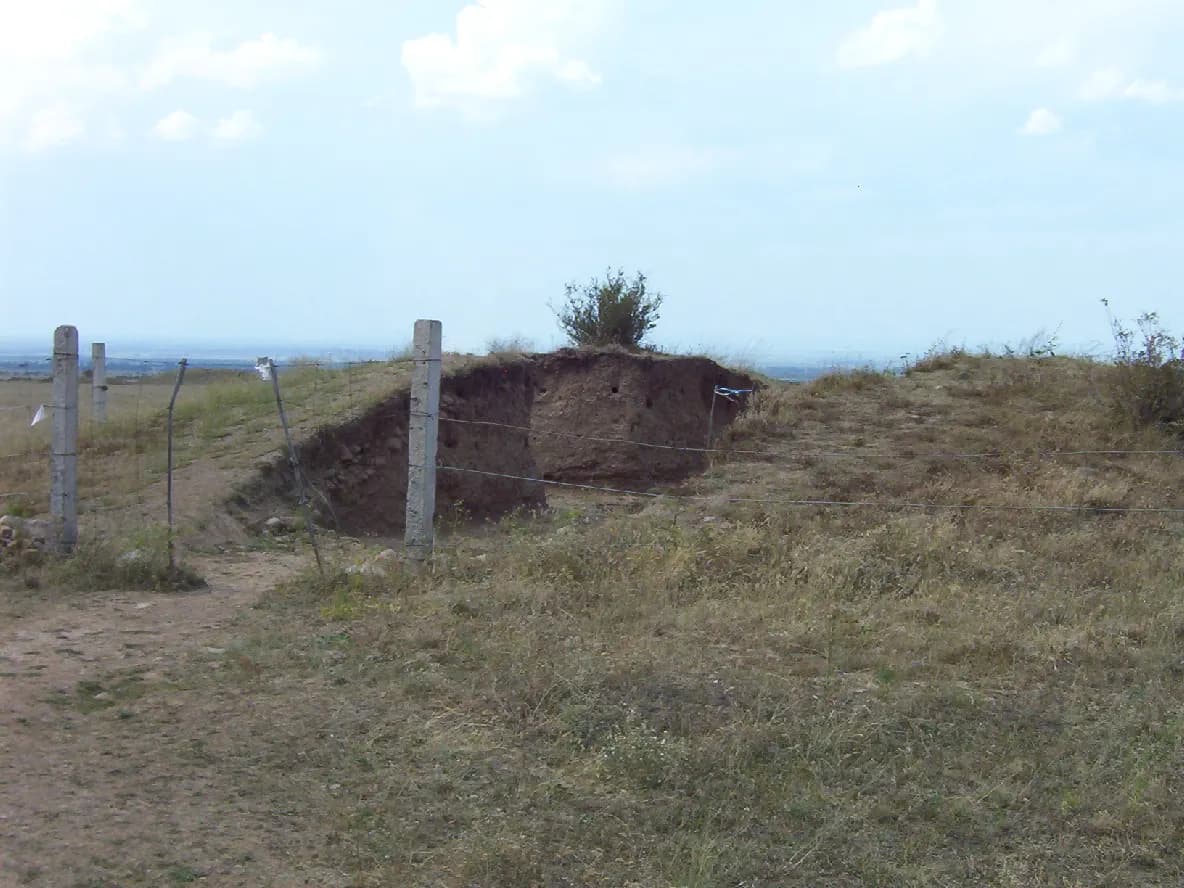
In 1969, archaeologists working on a burial mound (kurgan) near the town of Issyk (Esik), about 50 km east of Almaty, found a side chamber that tomb robbers had missed. Inside lay the remains of a young person dressed in extraordinary clothes: a tall pointed headdress, a jacket, belt, trousers and boots covered with about 4,000 gold ornaments, many shaped like animals such as snow leopards, horses and birds.
The burial belongs to the Saka, Iranian-speaking nomads of the steppe (cousins of the Scythians) and dates to around the 4th–3rd century BC. The person was about 18 years old.
A nation’s symbol
Restored and reconstructed, the figure became known as the Golden Man (Altyn Adam). After independence it became one of Kazakhstan’s most important symbols: a statue of the Golden Man stands on top of the Independence Monument in Almaty, and the image is reproduced widely across the country. It stands for an ancient, sophisticated steppe culture and for the idea that Kazakhstan’s history goes back far beyond the Russian and Soviet periods.
Man or woman?
The skeleton was badly preserved, and the sex is uncertain. Some researchers argue that the costume and grave goods are consistent with a high-status woman: Saka and Scythian women were sometimes buried with weapons, and warrior women appear in ancient Greek accounts of the steppe. Others hold to the original identification as a young prince.
Without better-preserved remains or DNA testing, the question stays open. It shows how much of what we “know” about ancient people depends on assumptions made at the moment of discovery.
The mysterious bowl
The grave also contained a small silver bowl with a short inscription in an unknown or disputed script. It is one of the earliest known writings from the region, and scholars still disagree on how to read it.
Bring it up
“The Golden Man, Kazakhstan’s national symbol, might actually have been a woman. Archaeologists still aren’t sure.”