The story behind…
Origins of things you see every day.
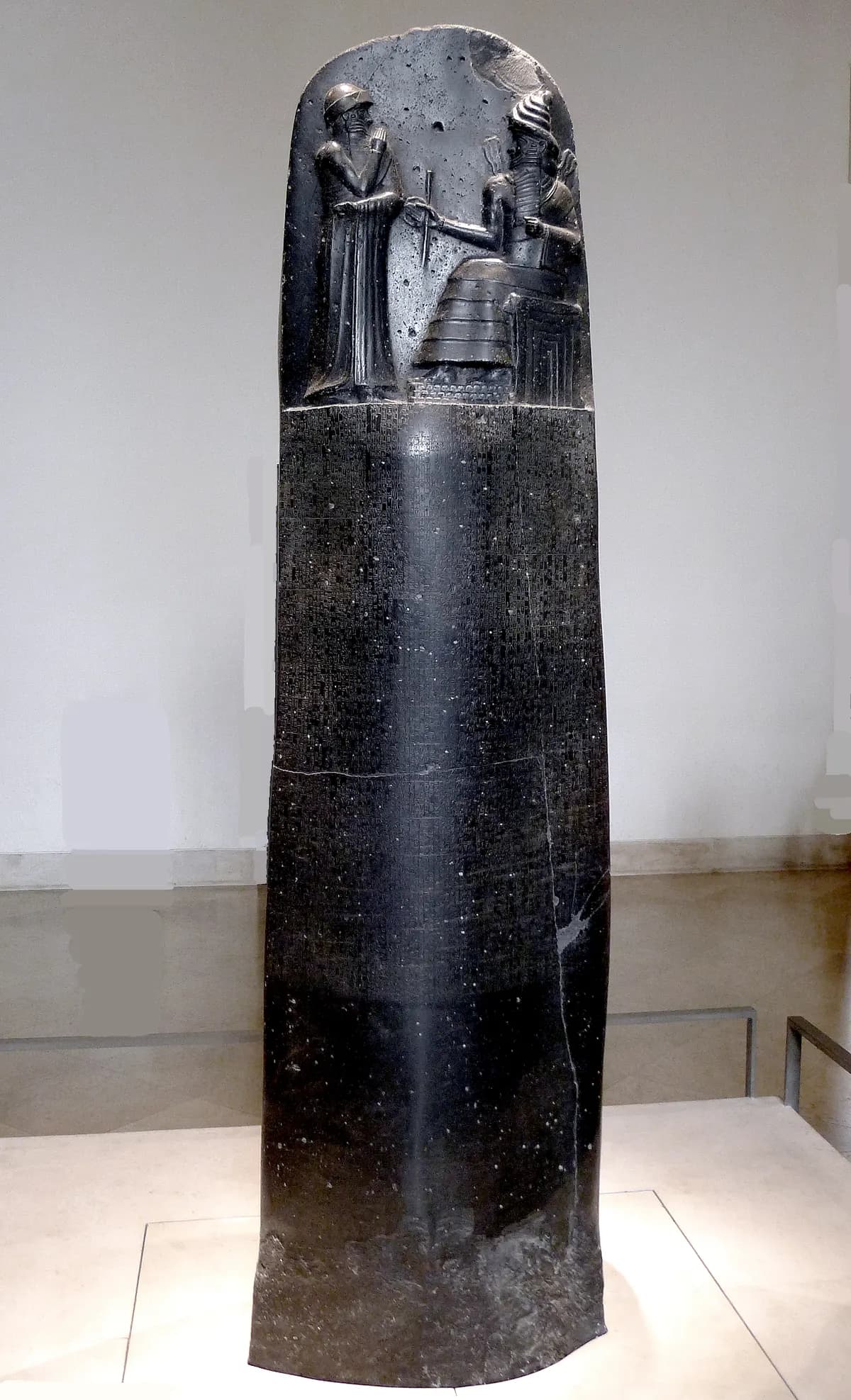
“An eye for an eye” was a step forward
Hammurabi’s 3,800-year-old law code sounds brutal, but it was an attempt to make punishment proportionate, public and predictable.
“Can machines think?”: Turing’s 1950 question
Alan Turing opened a 1950 paper with that question, then replaced it with a test, and answered Ada Lovelace by name.
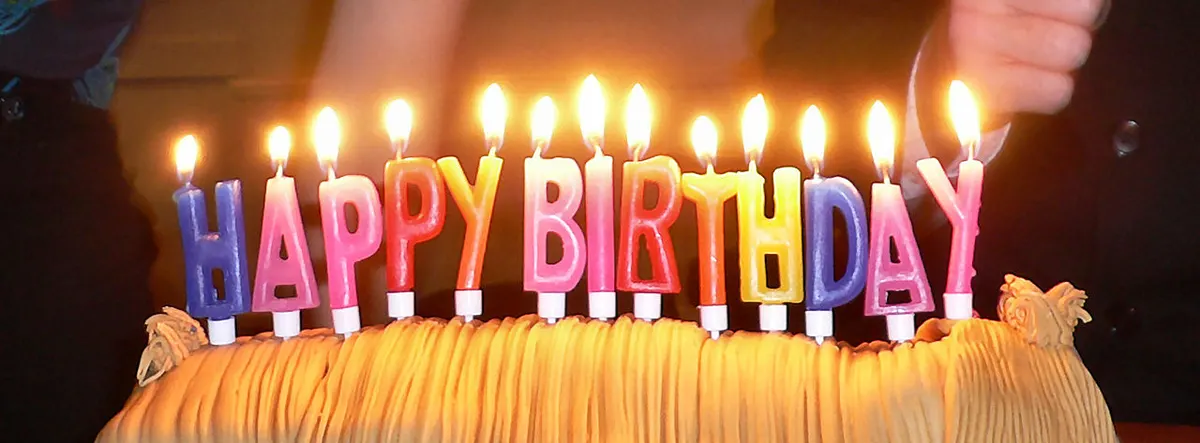
“Happy Birthday” was copyrighted until 2015
For decades, a company collected around $2 million a year in licensing fees for the world’s most-sung song. Then a court found the claim was never valid.

A Hollywood star patented a secret radio system
In 1942 the film actress Hedy Lamarr and the composer George Antheil patented a frequency-hopping system for guiding torpedoes. The Navy shelved it, but its principle lives on in modern wireless technology.
A skateboard, a bottle of juice, and a 43-year-old hit
In 2020 a man skateboarded to work drinking cranberry juice and lip-syncing Fleetwood Mac. The video sent “Dreams”, released in 1977, back into the US Top 20.
A volcano gave us Frankenstein
A massive eruption in Indonesia in 1815 caused a cold, stormy summer in Switzerland, which kept a group of writers indoors telling ghost stories.
AI got its name from a summer workshop proposal
In 1955 four researchers asked for funding for “a 2-month, 10-man study of artificial intelligence”, confident they could make a significant advance in one summer.
An 18-year-old’s failed medicine set off a fashion craze
In 1856 a student trying to make a malaria drug produced a purple stain instead, and within two years Europe was wearing mauve.
Brutalism isn’t named after being brutal
The architectural style people love to hate takes its name from the French for “raw concrete”.

Caesar salad was invented in Mexico
It has nothing to do with Julius Caesar. It was improvised in Tijuana in the 1920s by an Italian-American restaurateur named Caesar Cardini.
Chekhov’s gun: what the quote really said
Every writer knows the rule that a gun on the wall must go off. The sources say it was spread across three different remarks.
Chesterton’s fence: ask why it’s there before you tear it down
A 1929 essay gave us one of the most useful rules for anyone who wants to change something: understand it first.
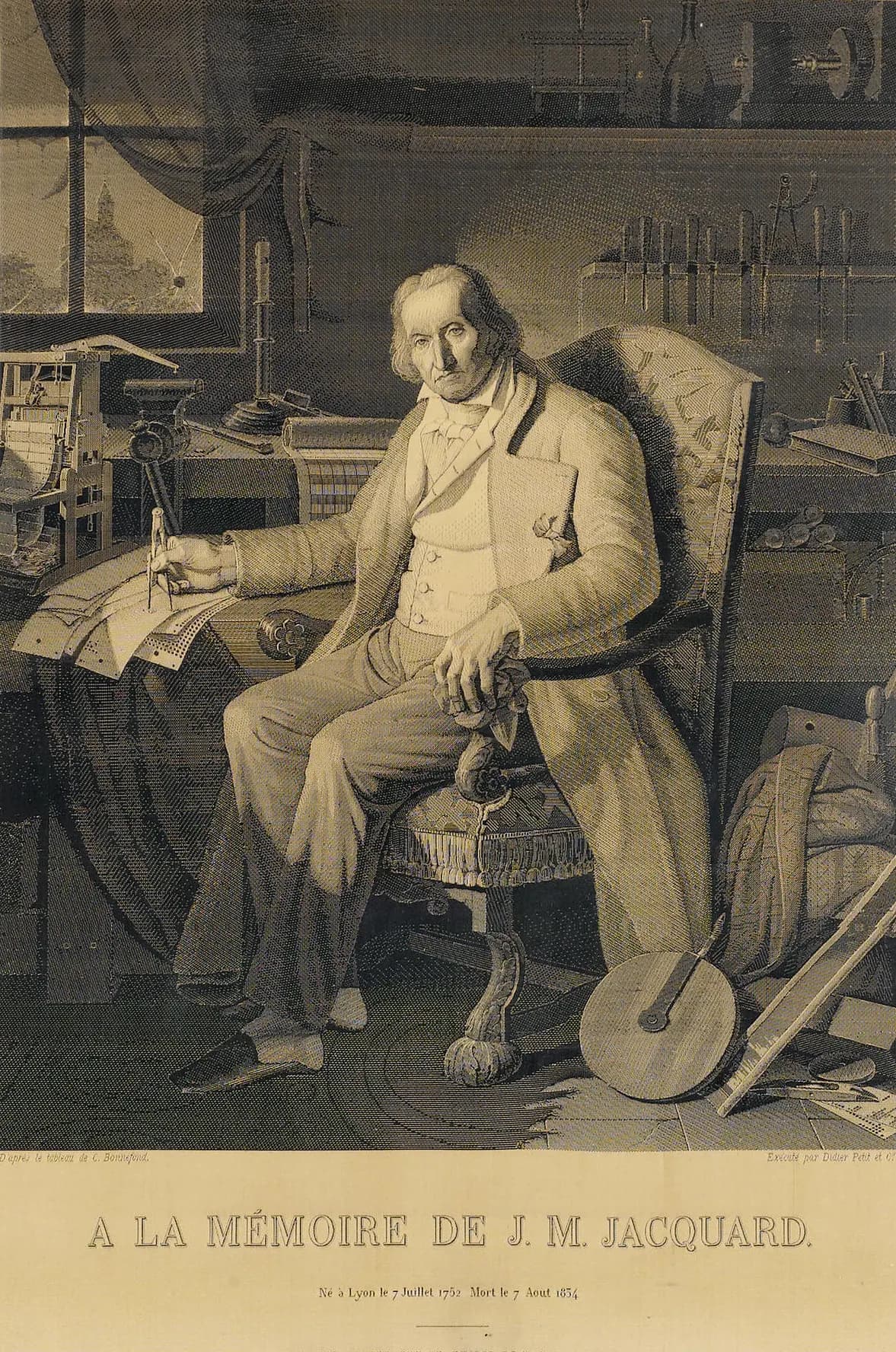
Computers began as looms
The first machine controlled by punched cards was not a calculator. It wove silk.
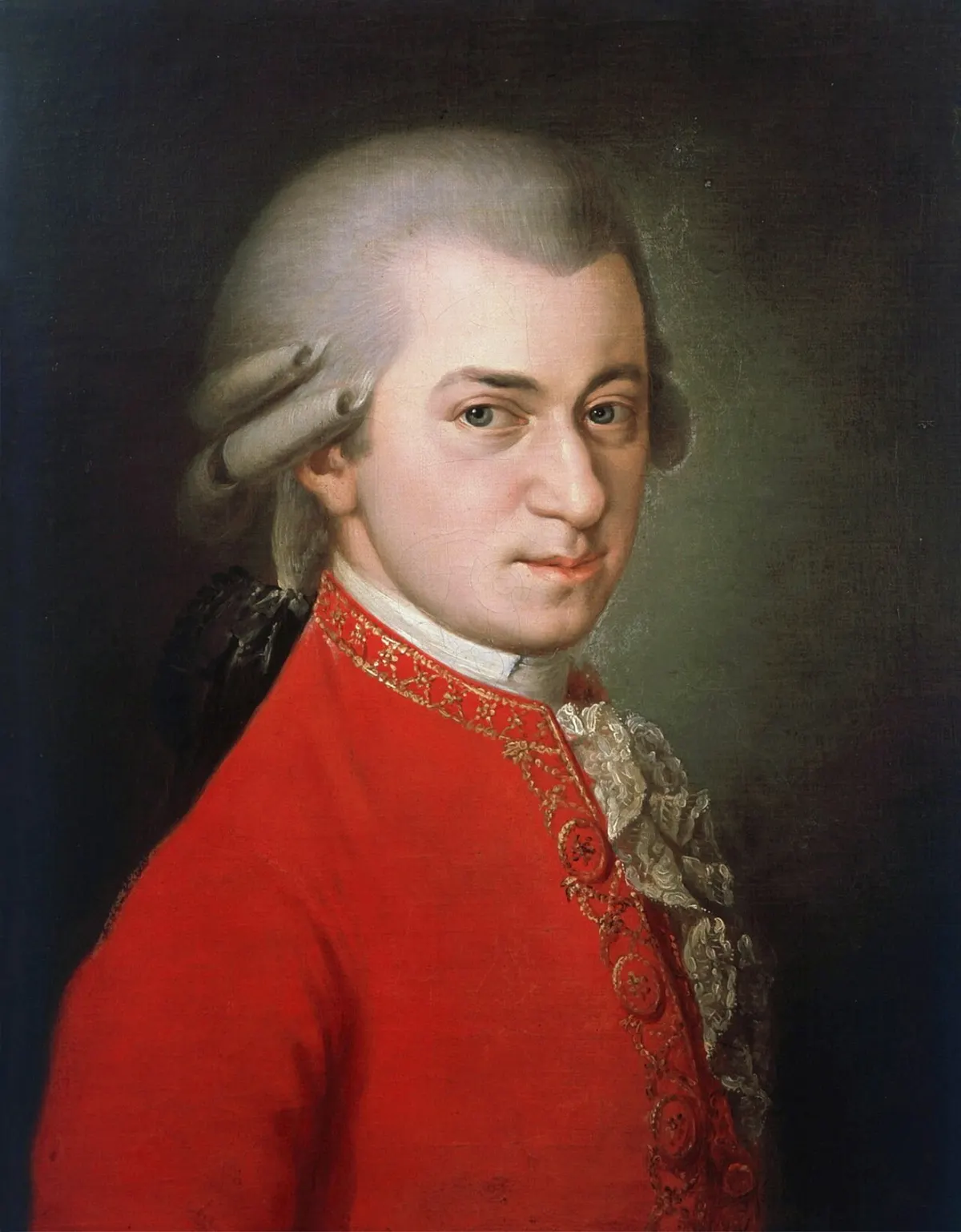
Does listening to Mozart make you smarter?
A small 1993 experiment about spatial puzzles turned into the belief that Mozart makes babies clever. The science never said that.
Esperanto has native speakers
An invented language from 1887 has around a thousand people who grew up speaking it from birth, and both Hitler and Stalin persecuted it.
Fibonacci’s real legacy wasn’t the sequence
The rabbit puzzle made him famous, but Fibonacci’s real impact was teaching Europe to write numbers the way we do now.
Fortune cookies are Japanese, by way of California
You won’t find fortune cookies in China. They descend from a Kyoto cracker, reached America through Japanese immigrants, and were taken over by Chinese restaurants during World War II.
From a bedroom GPU to ChatGPT
In 2012 a neural network trained on two gaming graphics cards in a student’s bedroom crushed an image-recognition contest. Ten years later, chatbots built on the same lineage reached the public.

General Tso’s chicken is unknown in General Tso’s home province
America’s favourite Chinese takeaway dish was invented in Taiwan, sweetened in New York, and was too sweet to sell in Hunan.
In 1958 the Navy said its neural network would one day be conscious
The first trainable neural network, the perceptron, was announced as the embryo of a computer that would “walk, talk, see, write, reproduce itself and be conscious of its existence”.

Japan learned curry from the British Navy
Japanese curry came from India by way of the British, was adopted by the Japanese navy to fight a deadly vitamin deficiency, and is still served on navy ships every Friday.
Julius Caesar’s secret code (and why it failed)
Caesar hid messages by shifting each letter three places. It worked until a 9th-century scholar invented a way to break any cipher like it.
Kazakhstan brought half of a dying sea back to life
The Aral Sea was once the world’s fourth-largest lake. Soviet irrigation drained it into a desert, but a dam built by Kazakhstan in 2005 revived its northern part, and the fish came back.
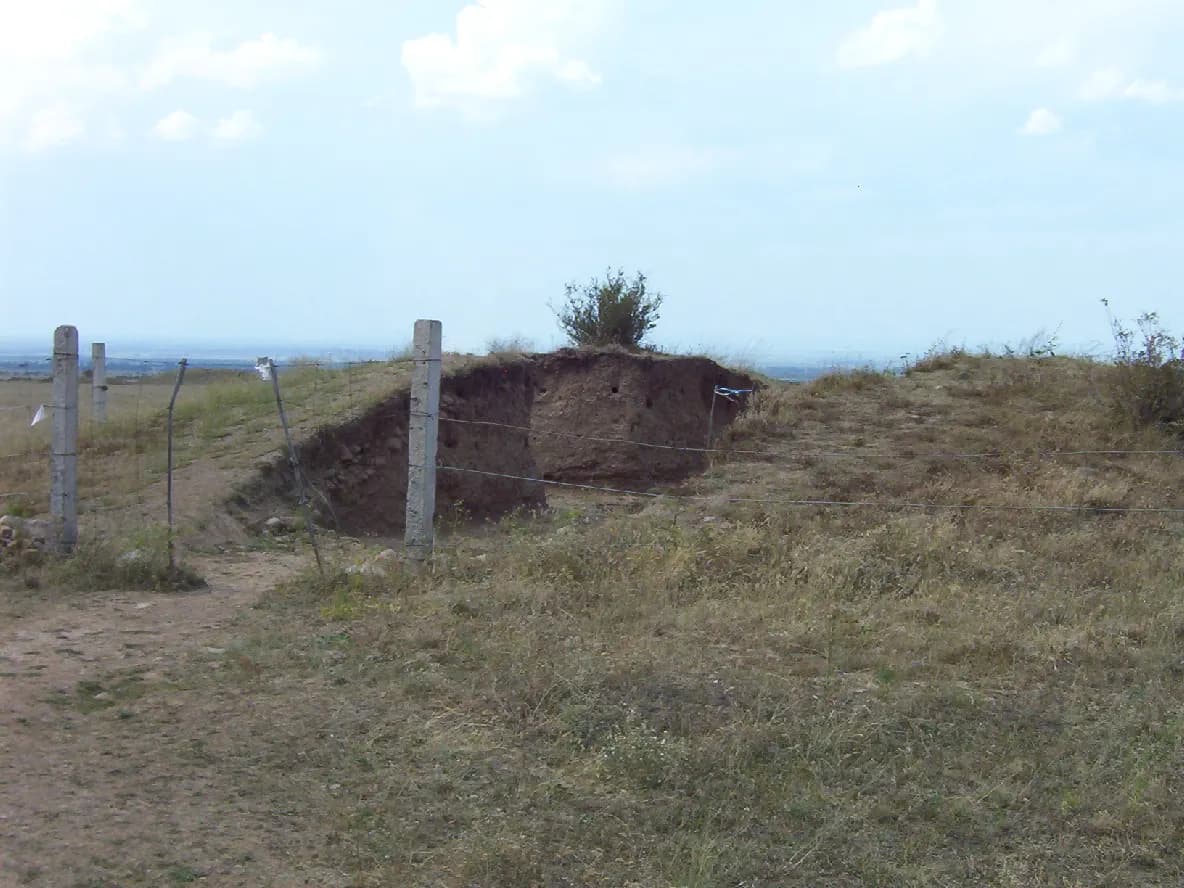
Kazakhstan’s national symbol might be a woman
The “Golden Man” on top of Almaty’s Independence Monument is a Saka warrior found in 1969 in a costume of about 4,000 gold pieces. Archaeologists still can’t say for sure whether the warrior was a man.
Ketchup started out as a fish sauce
Before it was red and sweet, ketchup was a salty, fermented fish brine from southern China, and later a British sauce made from mushrooms or walnuts.
Lorem ipsum is a mangled Cicero quote
Designers’ favourite placeholder text is a scrambled passage from a 2,000-year-old book about pain and pleasure.
Sherlock Holmes never said “Elementary, my dear Watson”
The most famous line in detective fiction is not in any of Conan Doyle’s stories, though both halves of it are.
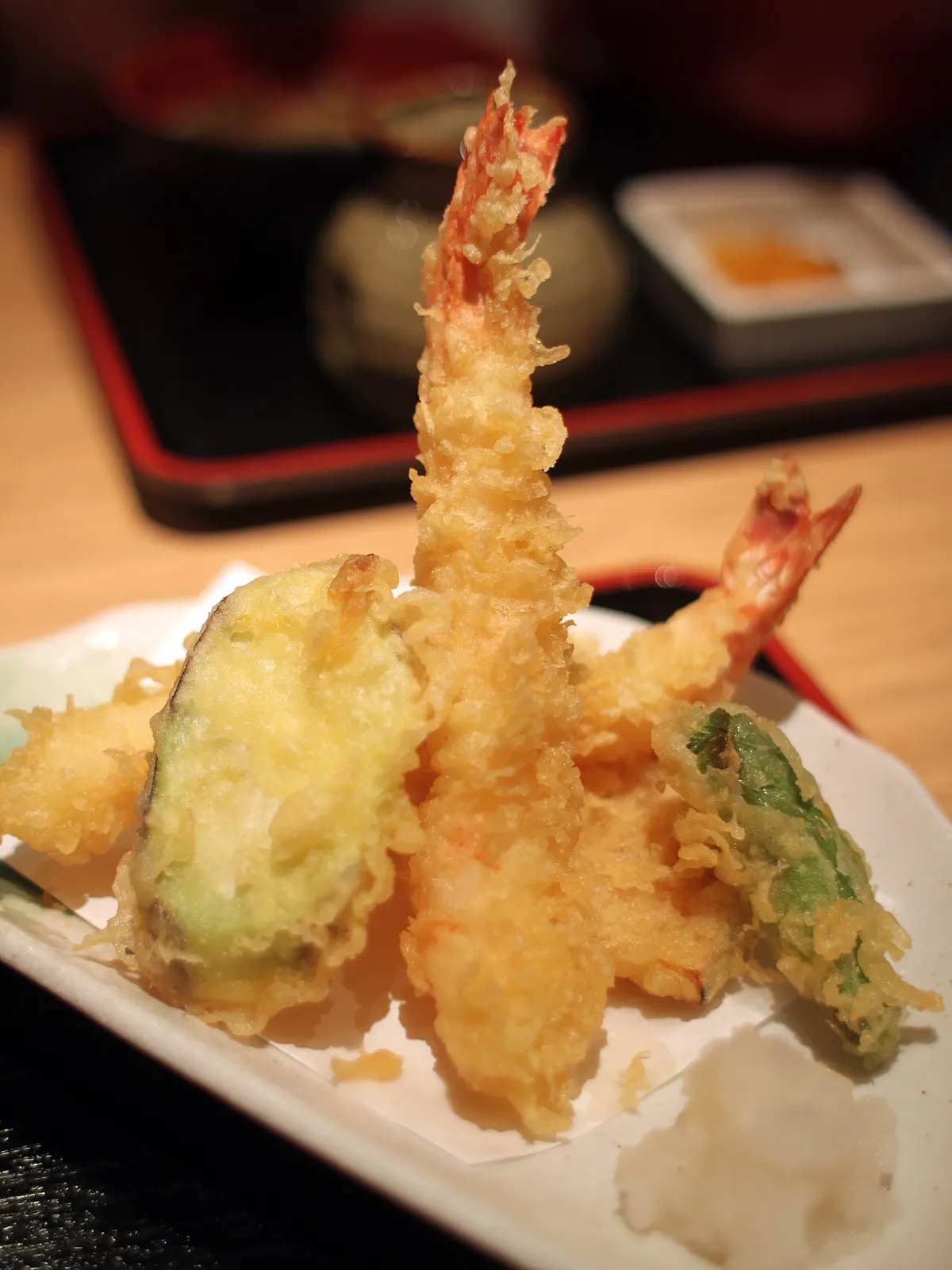
Tempura was brought to Japan by the Portuguese
One of Japan’s most iconic dishes arrived with Portuguese missionaries and traders in the 16th century, and its name may come from Latin.
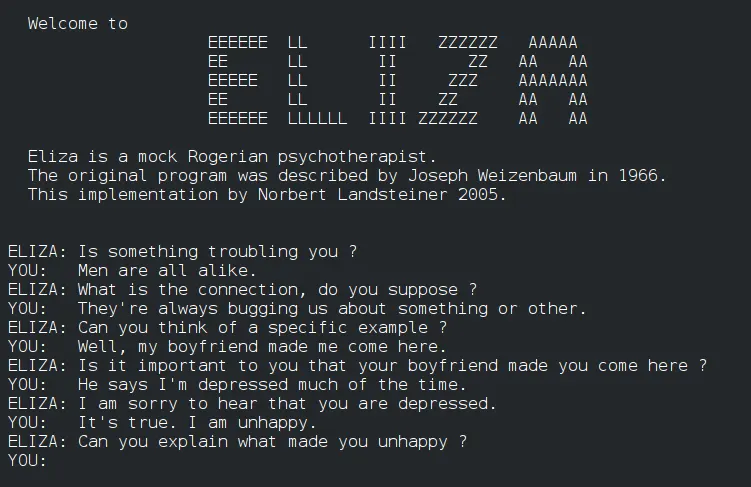
The 1960s chatbot people confided in
ELIZA just reflected your words back as questions. Its creator’s secretary still asked him to leave the room so she could talk to it in private.
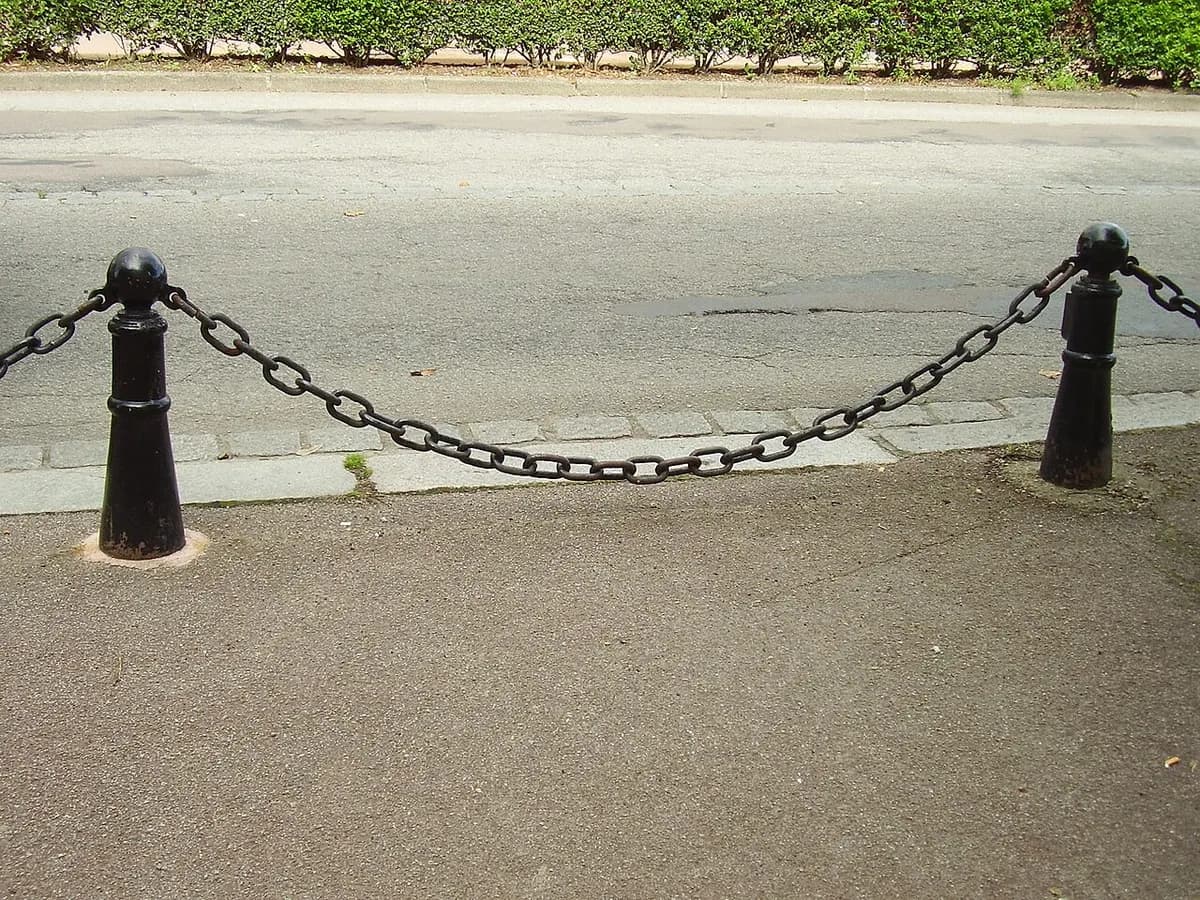
The arch that hangs upside down
Hang a chain from two points, photograph it, flip the picture, and you have the ideal shape for an arch.
The Bechdel test began as a joke in a comic strip
Three simple questions about a film started life in 1985, and the woman who thought of them wasn’t Alison Bechdel.
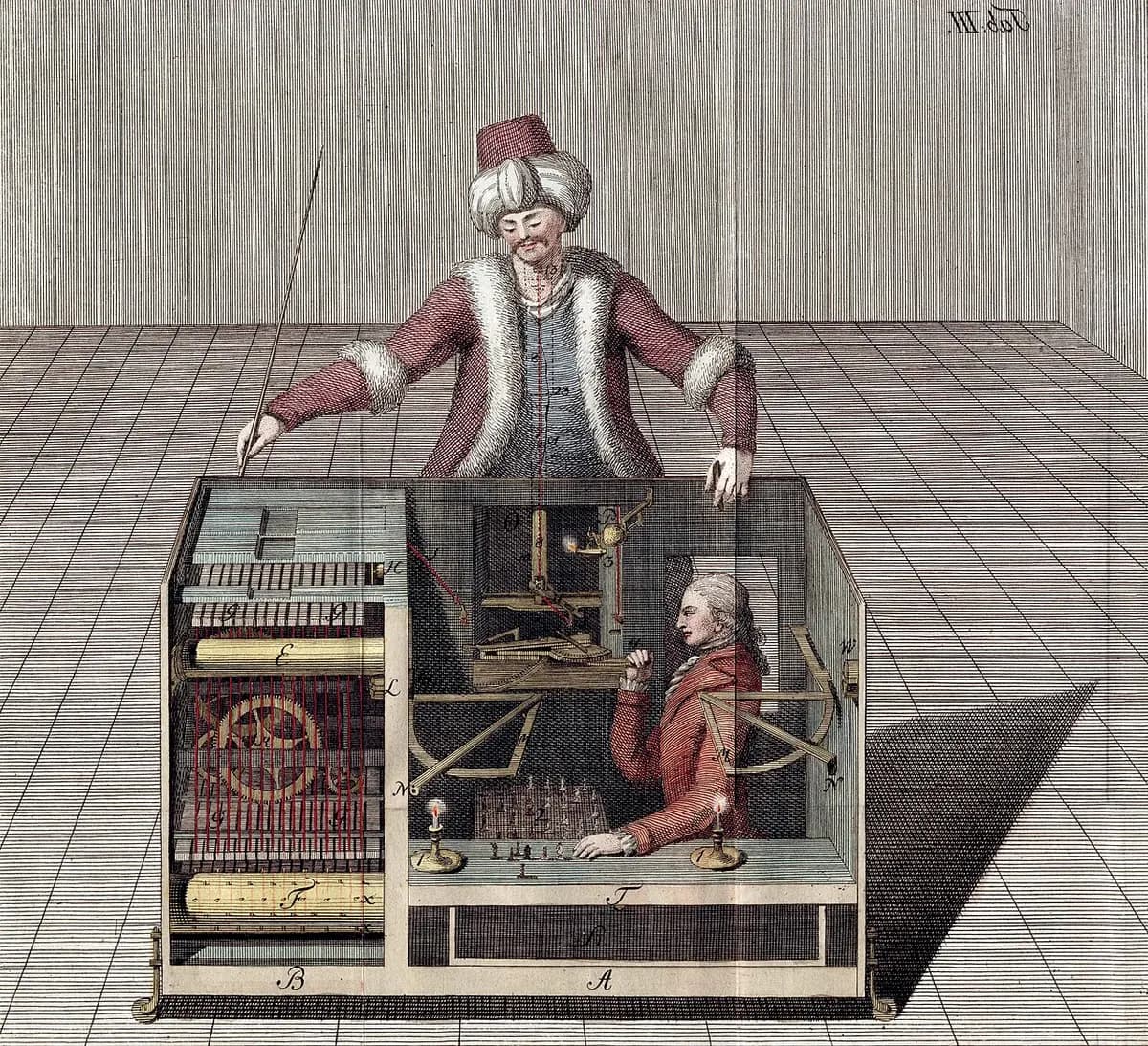
The chess-playing machine that had a man inside
From 1770, a turbaned mechanical figure beat players across Europe and America at chess. It was a brilliant hoax, and Amazon named a service after it.
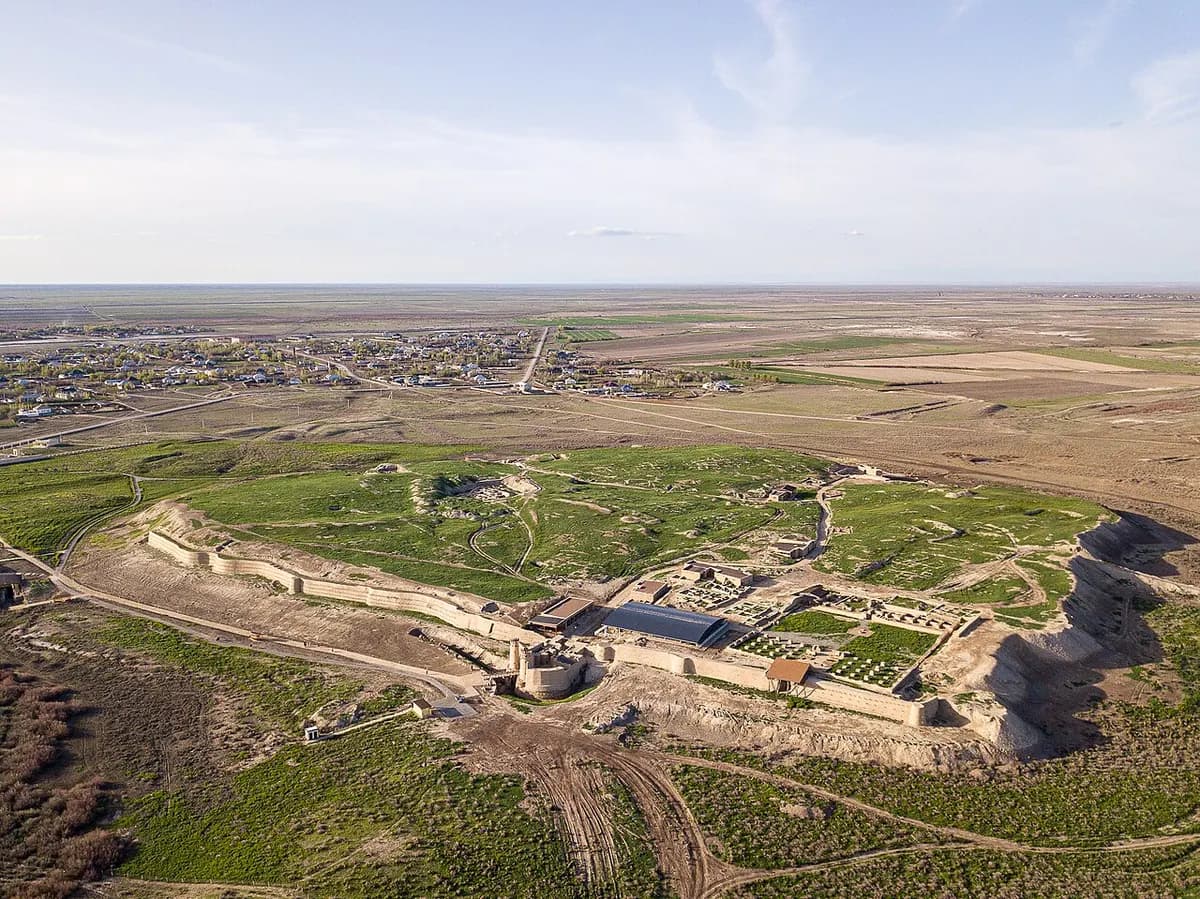
The city in Kazakhstan that provoked Genghis Khan
In 1218 the governor of Otrar, a Silk Road city in today’s southern Kazakhstan, executed a Mongol trade caravan. The insult launched one of the most destructive invasions in history.
The cobra effect: when rewards backfire
Pay people to kill pests and some of them will start breeding pests. The famous cobra version may be a legend, but the rat version in Hanoi really happened.
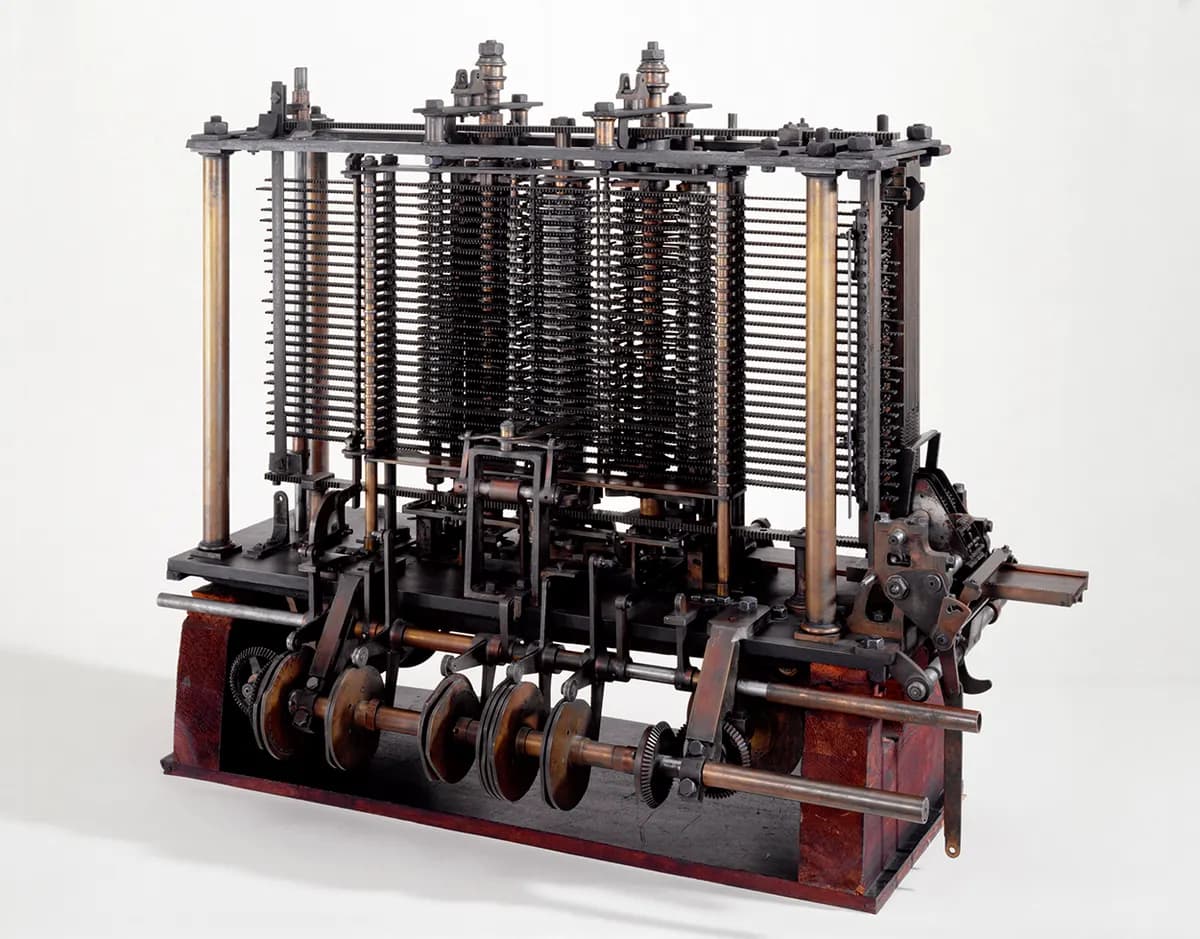
The computer that was designed in 1837
Charles Babbage designed a steam-age machine with memory, a processor and punched-card programs, then never finished building it.
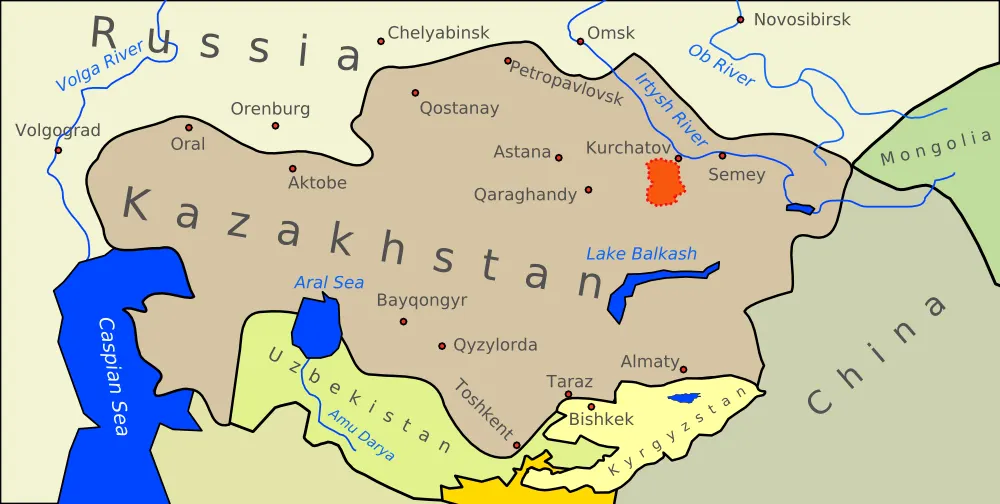
The country that gave up the world’s fourth-largest nuclear arsenal
The Soviet Union set off 456 nuclear explosions in Kazakhstan. After independence, Kazakhstan closed the test site and gave up about 1,400 nuclear warheads.
The croissant is Austrian (sort of)
France’s most famous breakfast pastry descends from the Viennese kipferl, brought to Paris by an Austrian entrepreneur around 1839.
The devil’s interval was never banned
The tritone is said to have been outlawed by the medieval Church as ‘the devil in music’. The phrase is real, but the ban looks like a story that grew in the retelling.
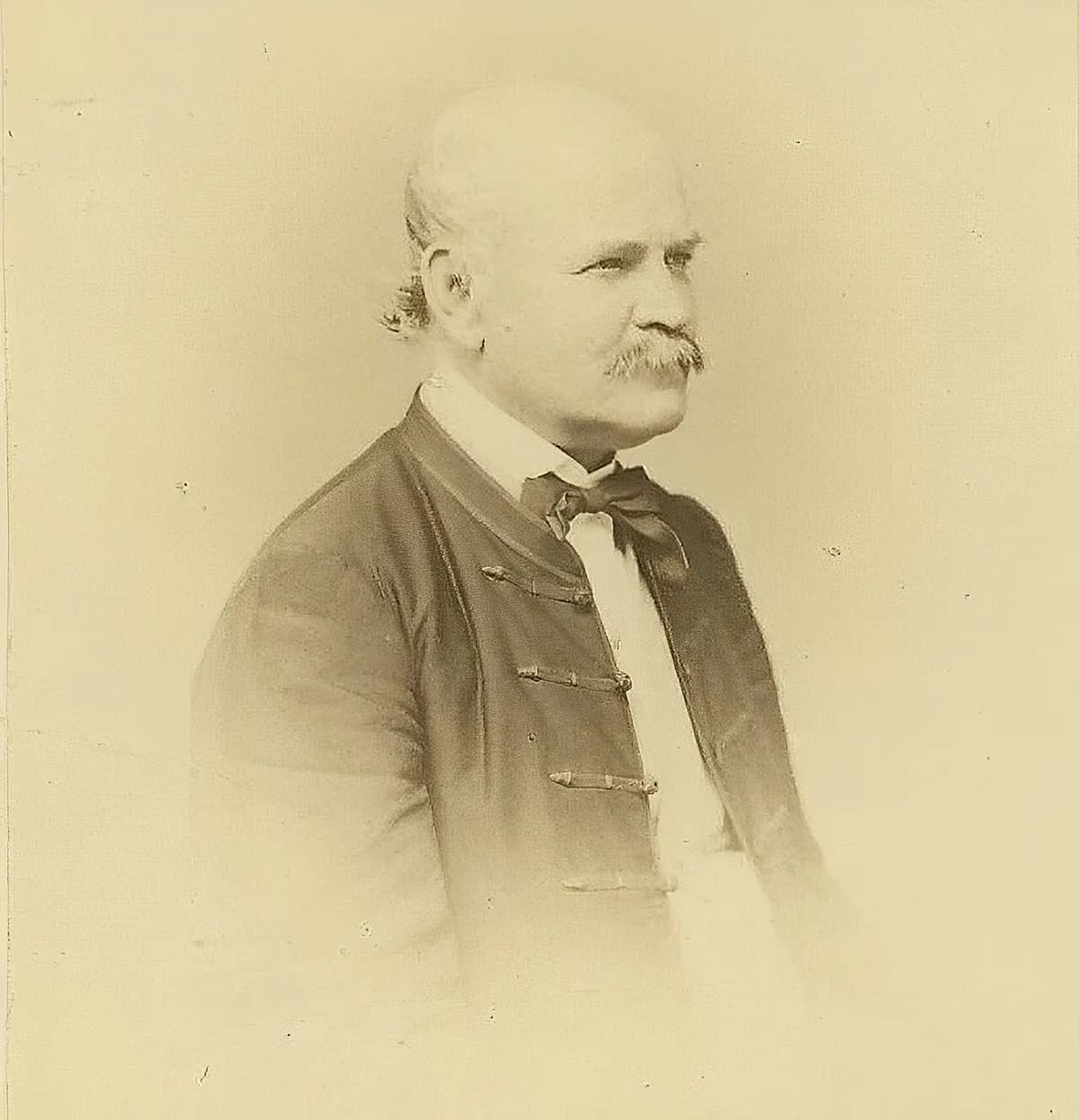
The doctor who said “wash your hands”
In 1847 Ignaz Semmelweis cut deaths on a Vienna maternity ward from about 18% to around 2% by making doctors wash their hands. The story of what happened next is more complicated than the legend.
The dream of thinking machines is thousands of years old
Long before computers, people imagined bronze giants, reasoning wheels and a language in which arguments could be settled by calculation.
The Dunning–Kruger effect is not what the internet says
It started with a bank robber who thought lemon juice made him invisible. The famous “Mount Stupid” chart was never in the paper.
The Earl of Sandwich probably wasn’t gambling
The sandwich is named after an 18th-century earl. The famous story that he invented it at the card table comes from a travel book’s gossip.
The first computer bug was an actual bug
In 1947 engineers found a moth stuck in a computer and taped it into the logbook. The word “bug” was already older than that.
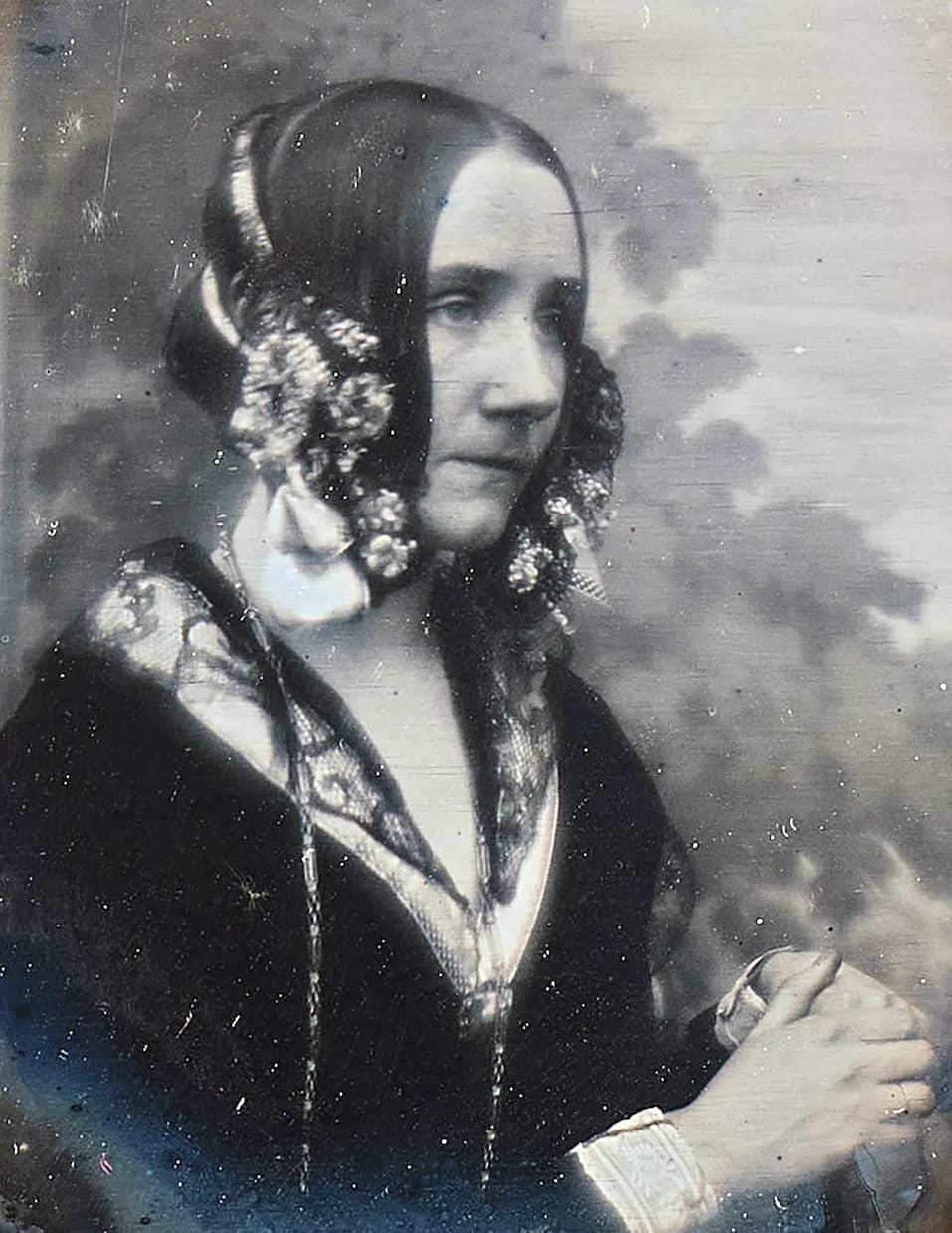
The first computer programmer was a poet’s daughter
In 1843, a century before electronic computers, Ada Lovelace wrote out a program and imagined machines making music.
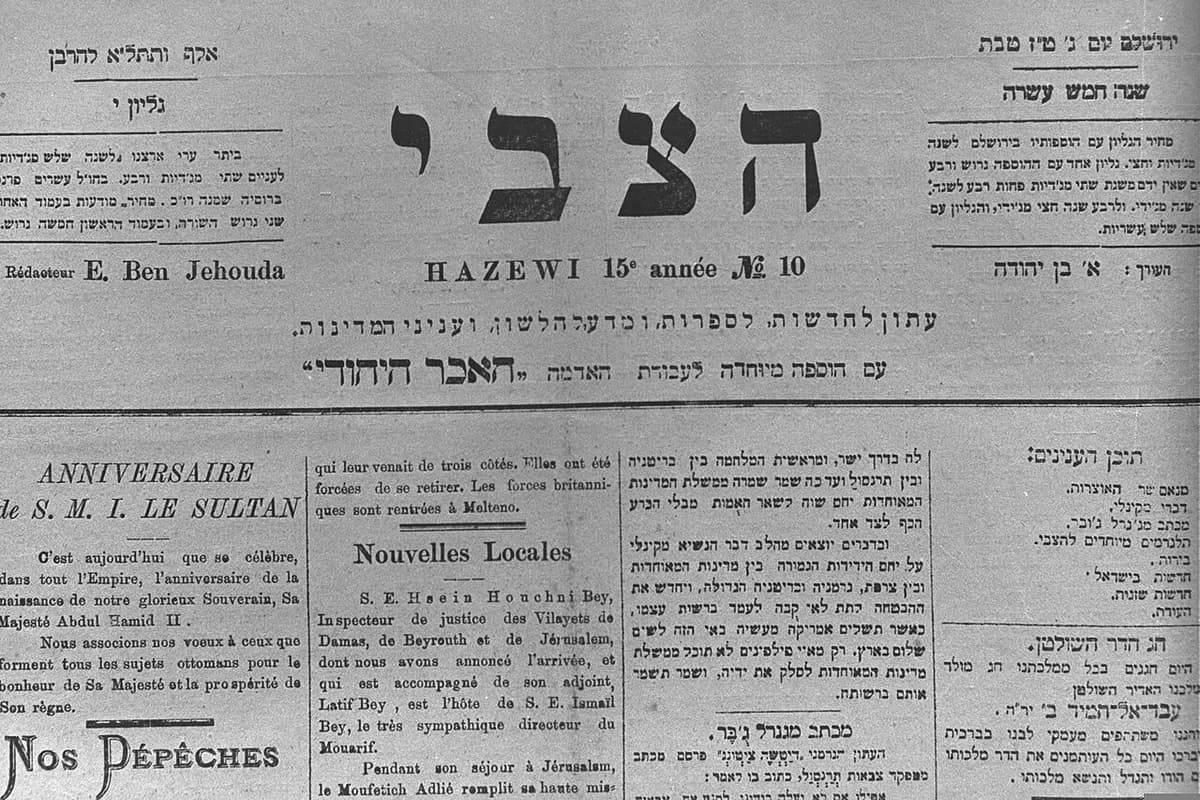
The language that came back after 1,700 years
For about 1,700 years nobody spoke Hebrew as a mother tongue. Then, in 1882, a baby in Jerusalem became its first native speaker in modern times.
The man behind the Miranda warning
“You have the right to remain silent” is named after Ernesto Miranda. He won his Supreme Court case and was convicted again anyway.
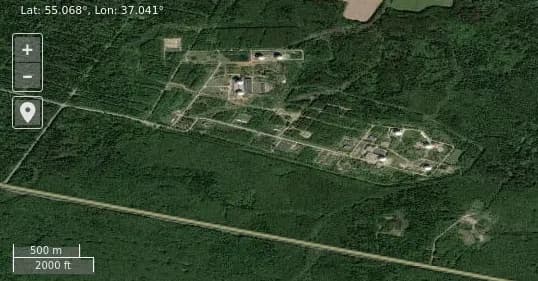
The man who decided the missiles weren’t real
In 1983 a Soviet early-warning system reported five American nuclear missiles on their way. The officer on duty, Stanislav Petrov, judged it a false alarm, and he was right.
The mixtape we sent to the stars
Two spacecraft leaving the solar system carry a gold-plated record with whale song, a kiss, 55 greetings and Chuck Berry’s “Johnny B. Goode”.
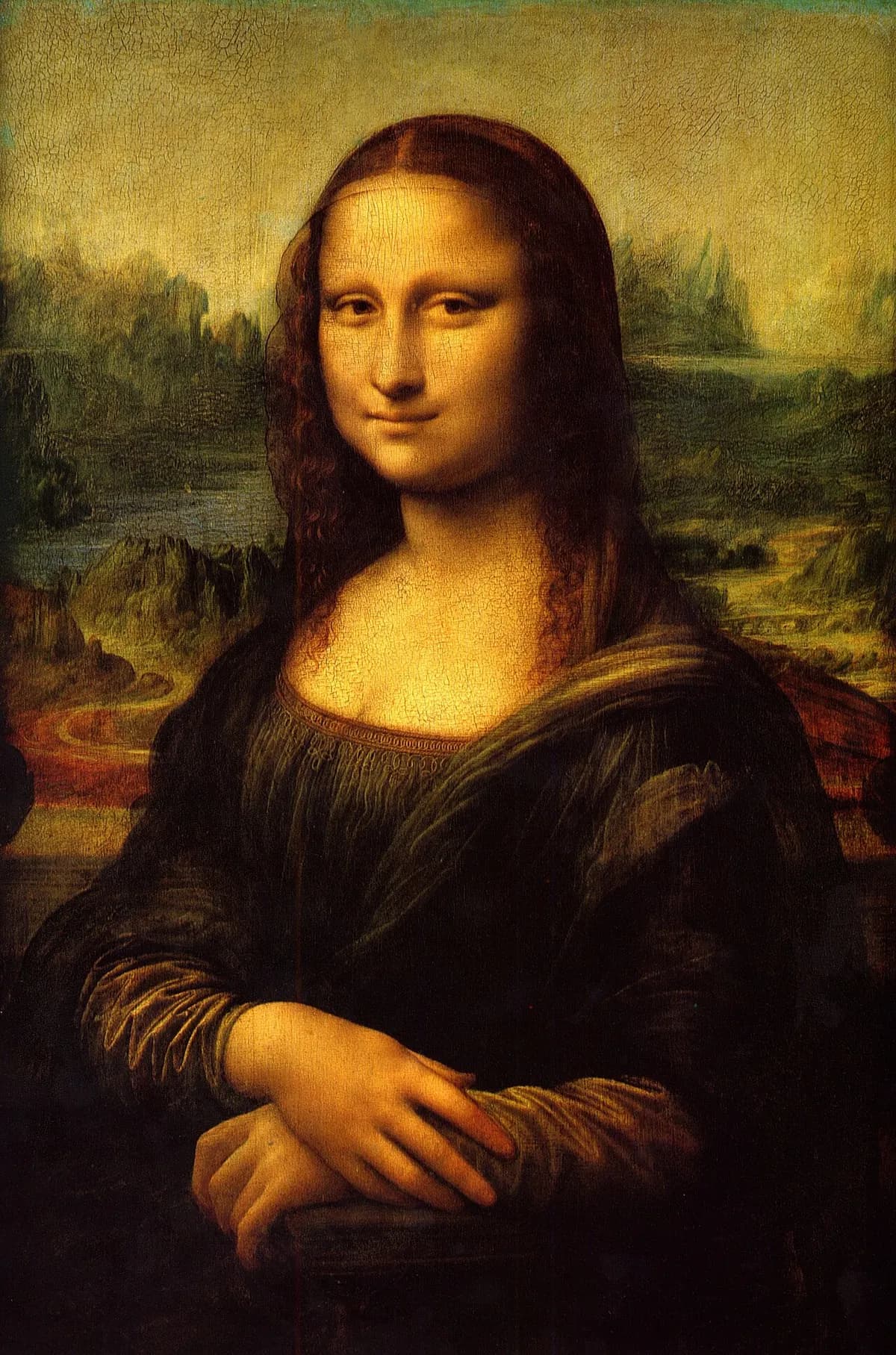
The Mona Lisa became famous by being stolen
In 1911 a handyman walked out of the Louvre with the Mona Lisa under his smock. The two years it was missing turned it into the most famous painting in the world.
The novel with no letter E
In 1969 Georges Perec wrote a whole French novel without using the most common letter in the language. Then someone translated it into English, keeping the rule.
The Pale Blue Dot
In 1990, from about 6 billion kilometres away, Voyager 1 turned around and photographed Earth. We take up less than a pixel.

The pizza Margherita story is probably a myth
Every pizzeria tells it: in 1889 a Naples pizzaiolo invented a red, white and green pizza for Queen Margherita. Historians have found little evidence it happened.
The Post-it Note came from a failed glue
A 3M chemist made an adhesive that barely stuck. It took six years and a slipping hymn-book bookmark to find a use for it.
The same face, three different emotions
A 1920s Soviet experiment showed that audiences read emotion into an actor’s blank face, depending on the shot that came before it.
The scream that has been in hundreds of films
One man’s scream, recorded for a 1951 western, turns up in Star Wars and Indiana Jones. It is named after a character who barely appears.
The snail in the ginger beer
A woman in Paisley, a bottle of ginger beer and a snail that was never proved to exist became the case on which the modern law of negligence rests.
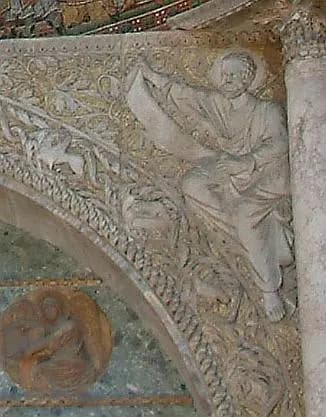
The spandrel: a by-product that looks like a purpose
Not every feature of a living thing was ‘designed’ for a job. Two biologists borrowed a word from cathedral builders to make the point, and then architects argued about whether they had the cathedral right.
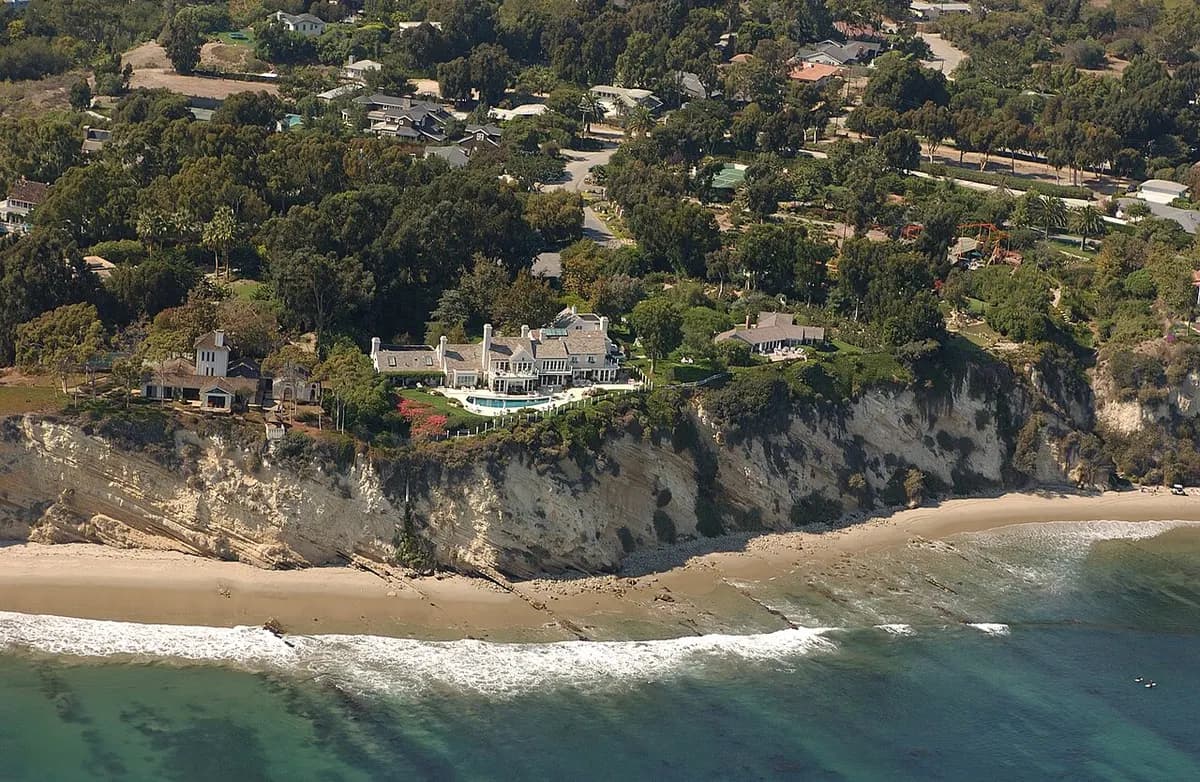
The Streisand effect
A photo of Barbra Streisand’s house had been downloaded six times. Then she sued to suppress it, and hundreds of thousands of people looked.

The Terracotta Army was found by farmers digging a well
In 1974 farmers near Xi’an dug into an army of more than 8,000 clay soldiers. The emperor’s tomb next to it has never been opened, and the soil around it contains unusually high levels of mercury.
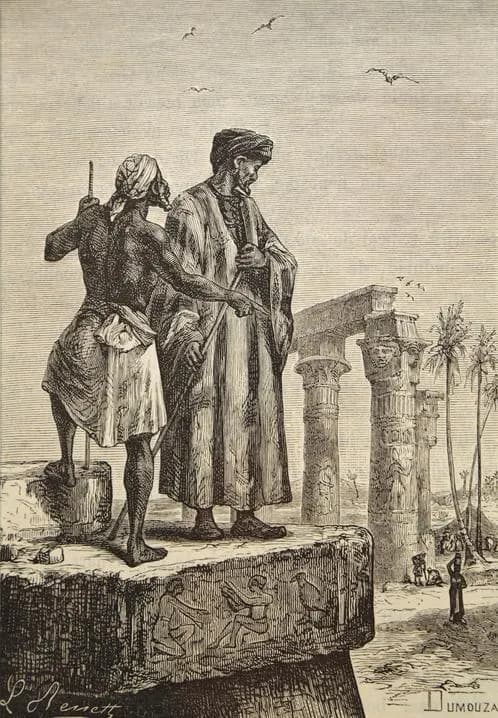
The traveller who went five times farther than Marco Polo
In 1325 a 21-year-old from Tangier set out on pilgrimage to Mecca. He came home 29 years later, having travelled an estimated 117,000 km.
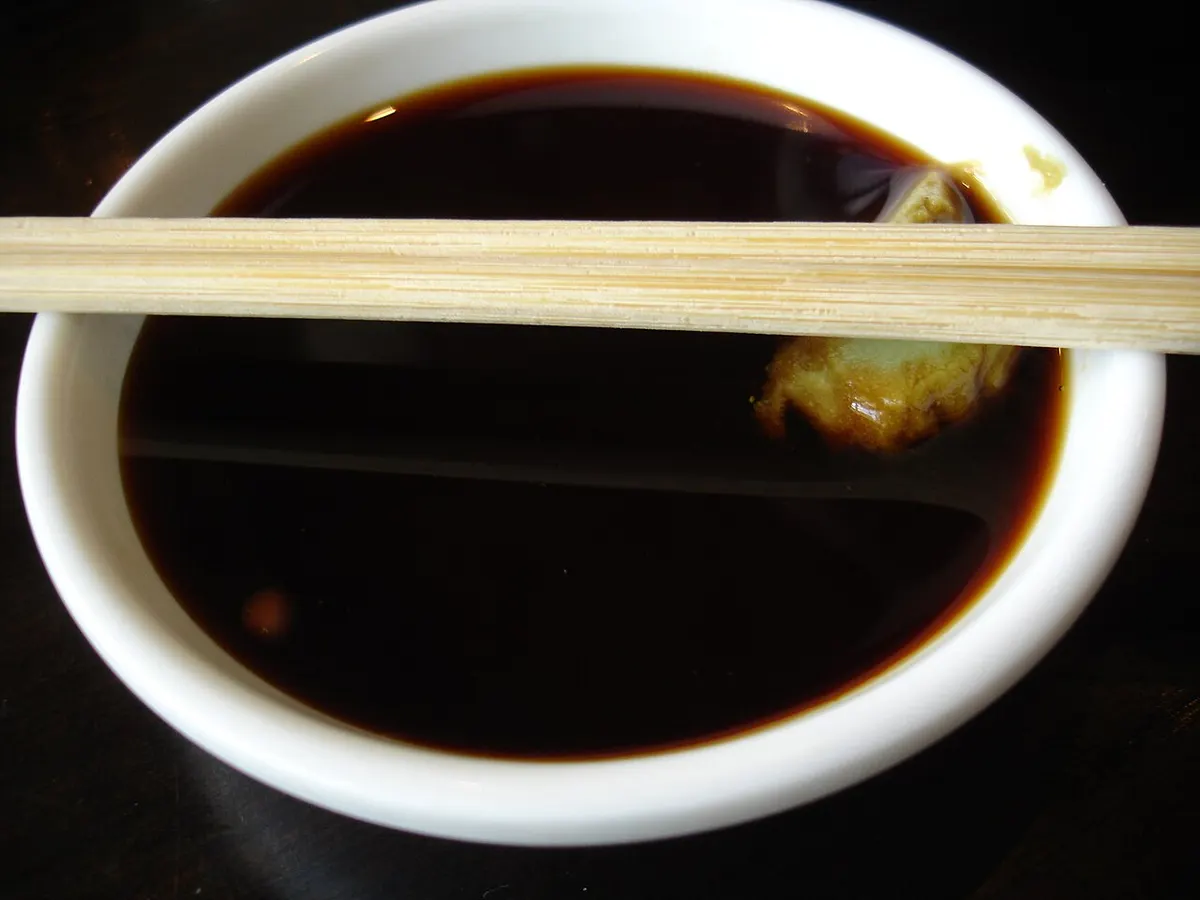
Umami: the taste discovered in a bowl of soup
In 1908 a Japanese chemist wondered why his wife’s seaweed broth tasted so good, and identified a fifth basic taste.
Venice stands on an upside-down forest
Under the palaces of Venice are millions of wooden stakes driven into the mud of the lagoon, some of them for more than a thousand years.
Who lives in Xi’an’s Muslim Quarter
In the heart of an ancient Chinese capital is a mosque that looks like a Buddhist temple, run by a Muslim people descended partly from Silk Road traders.
Why do we say “OK”?
The world’s most recognised word began as a deliberately misspelled joke in a Boston newspaper.
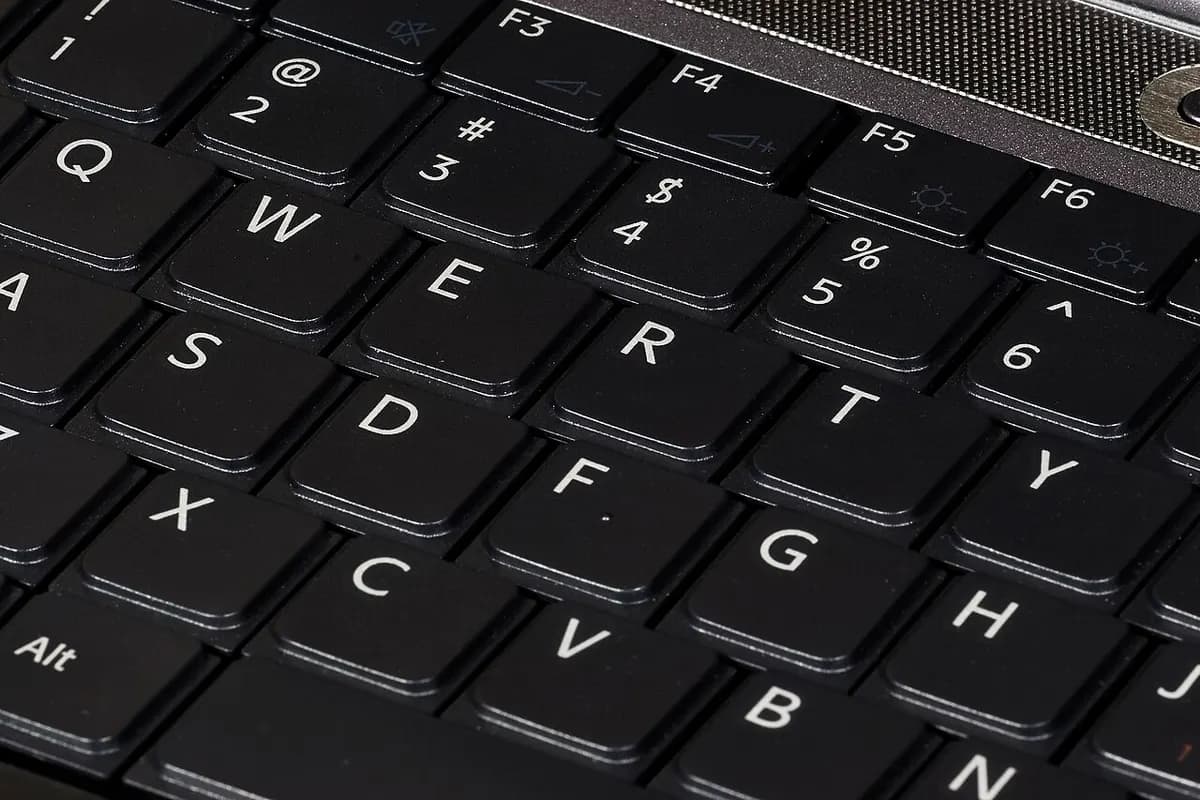
Why your keyboard says QWERTY
The layout you type on every day was designed for a machine that no longer exists, and the famous reason for it may be wrong.
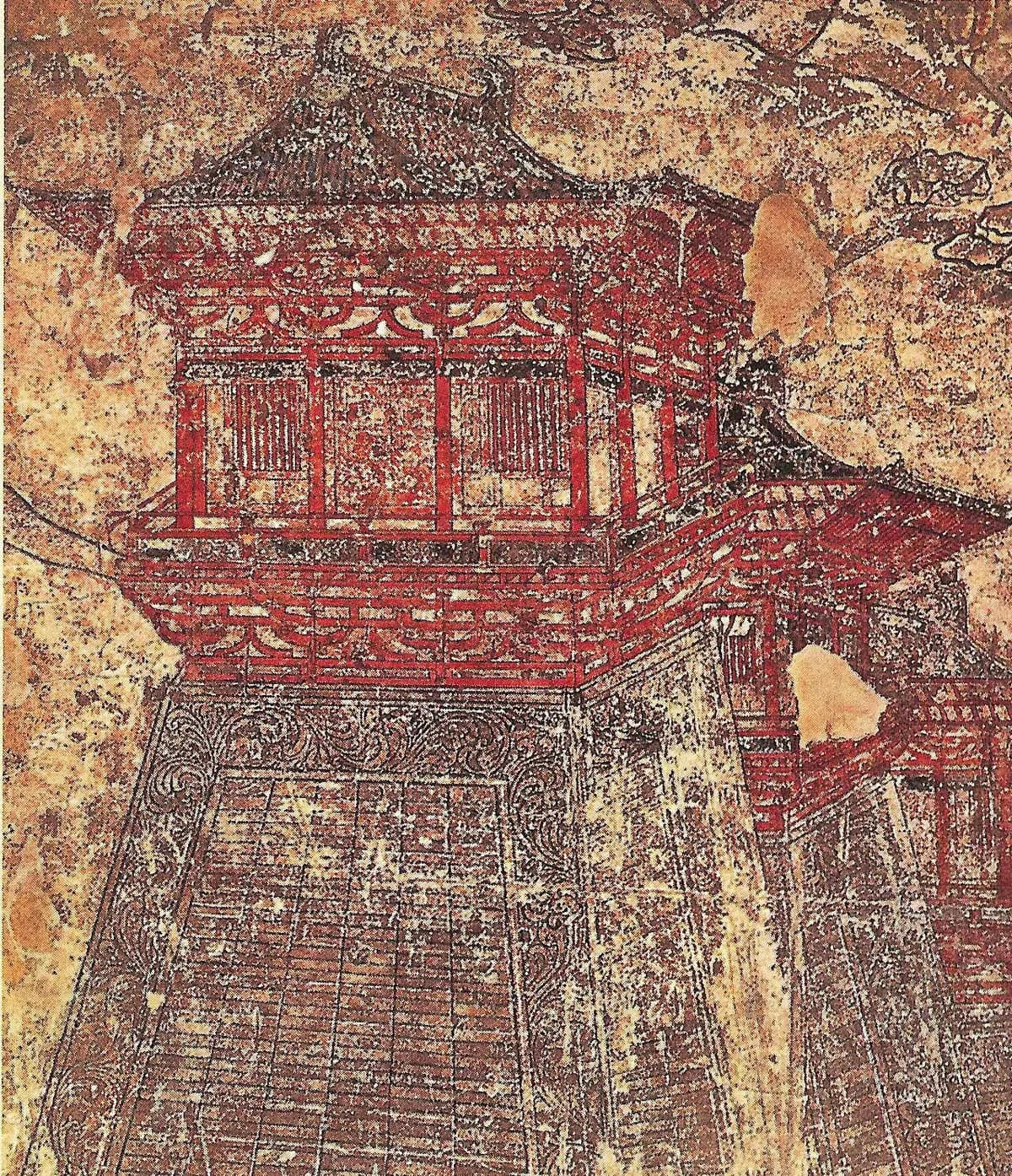
Xi’an was once one of the largest cities on Earth
Around 750, the city now called Xi’an was Chang’an: a “million-man city” at the eastern end of the Silk Road, home to Persians, Sogdians, Arabs and Christian monks.