Useful to know
Knowledge that quietly makes life easier.
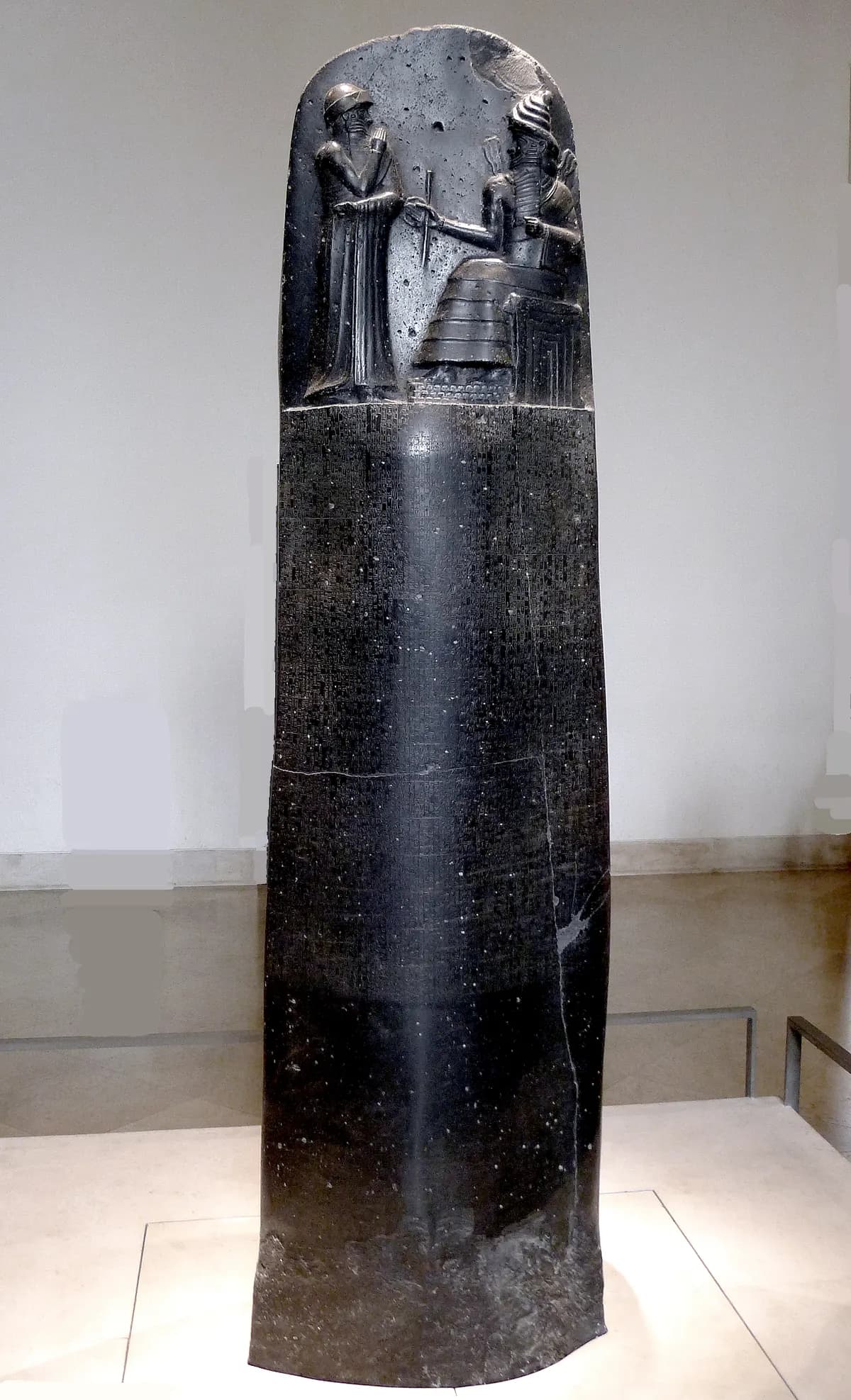
“An eye for an eye” was a step forward
Hammurabi’s 3,800-year-old law code sounds brutal, but it was an attempt to make punishment proportionate, public and predictable.
“Ye Olde Shoppe” was always pronounced “the”
The “Y” in “Ye Olde” is a lost English letter, þ (thorn), in disguise. Nobody ever said “yee”.
AI has gone through “winters” before
In 1970 a founder of AI predicted human-level machines within three to eight years. Within a few years funding collapsed, and it collapsed again in the late 1980s.
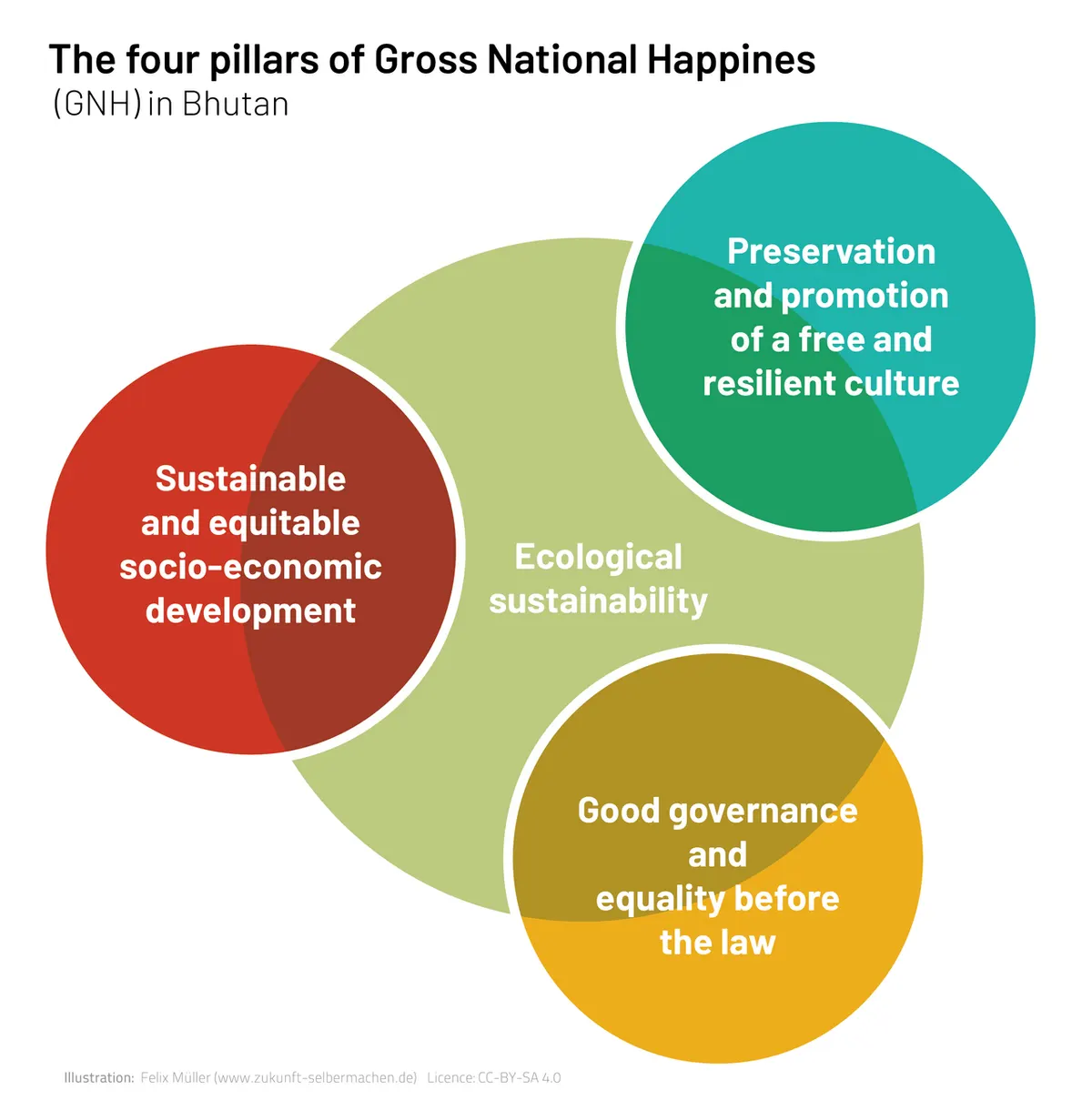
Bhutan measures Gross National Happiness
In 1972 Bhutan’s young king declared that happiness mattered more than GDP. The idea reached the UN, and also attracted serious criticism.
Born Shinto, married Christian, buried Buddhist
Japan has more religious adherents than people. Most of the population is counted as both Shinto and Buddhist, yet most say they have no personal faith.
Chekhov’s gun: what the quote really said
Every writer knows the rule that a gun on the wall must go off. The sources say it was spread across three different remarks.
Chesterton’s fence: ask why it’s there before you tear it down
A 1929 essay gave us one of the most useful rules for anyone who wants to change something: understand it first.
Do skirts really get shorter when the economy booms?
The “hemline index” says hemlines rise with stock prices. It’s usually credited to an economist in 1926, who didn’t actually propose it.
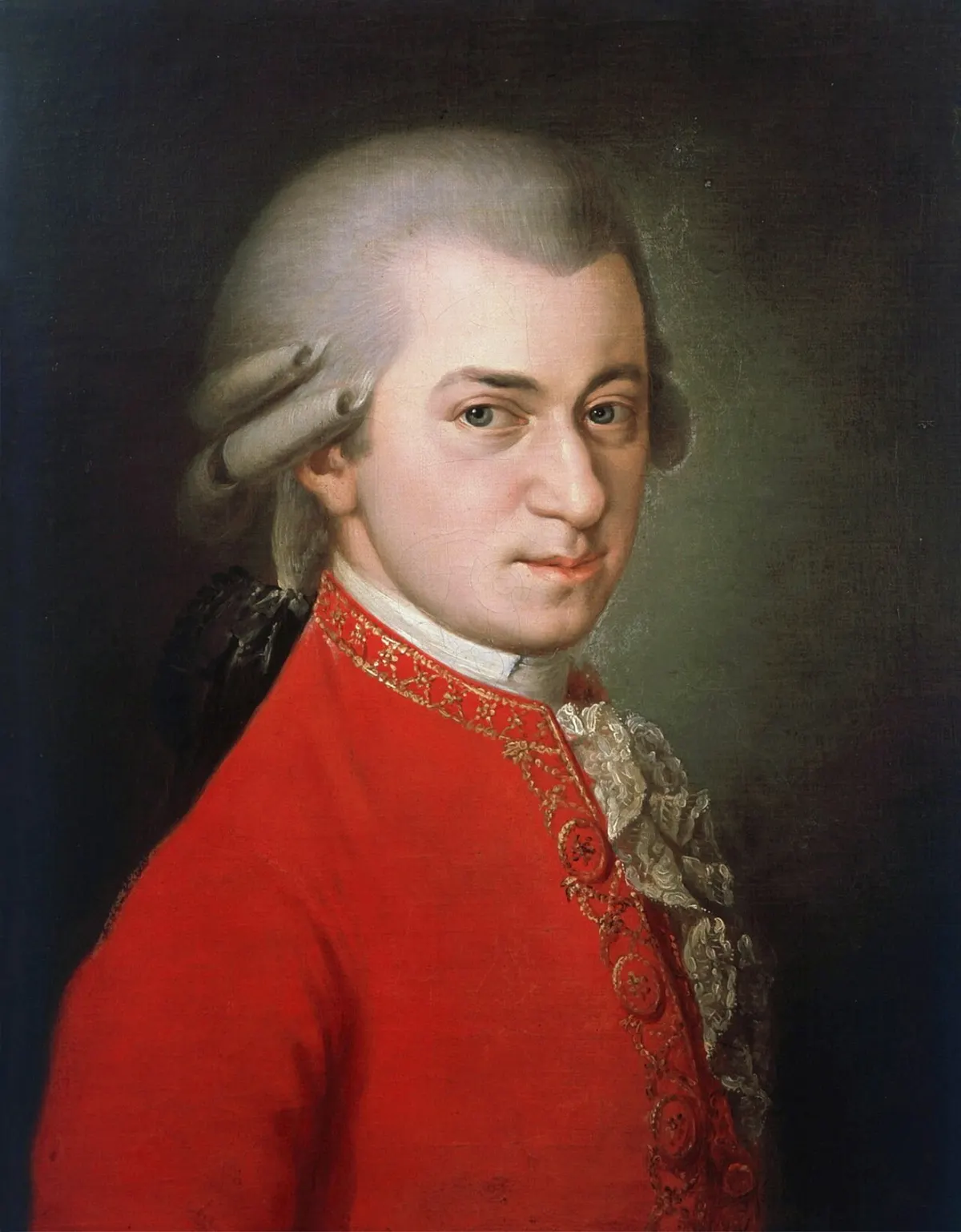
Does listening to Mozart make you smarter?
A small 1993 experiment about spatial puzzles turned into the belief that Mozart makes babies clever. The science never said that.
How a meat-eater’s body survives on bamboo
The giant panda is a bear with a carnivore’s gut, eating a plant it can barely digest. It survives by eating almost constantly and spending almost no energy.
How trends spread, from royal courts to TikTok
For a century, the theory was that fashion trickled down from the rich. Then it started bubbling up from the street, and now it moves sideways through algorithms in weeks.
In a Kazakh home, a half-empty cup is a compliment
Kazakh hosts pour tea only part-way, so they can keep refilling it while you stay and talk. A cup filled to the brim can be a polite hint.
In a room of 23 people, two probably share a birthday
It sounds impossible with 365 days to choose from, but the odds pass 50% with just 23 people and reach 99.9% with 70.
In Britain, it’s an offence to handle salmon in suspicious circumstances
It sounds like a joke law. It’s real, it’s still in force, and it has a sensible purpose.
Julius Caesar’s secret code (and why it failed)
Caesar hid messages by shifting each letter three places. It worked until a 9th-century scholar invented a way to break any cipher like it.
Kazakh has been written in three alphabets in a century
Kazakh moved from Arabic script to Latin in 1929, to Cyrillic in 1940, and is moving back to Latin today. Kazakhs in China still use the Arabic script.
Kazakhstan brought half of a dying sea back to life
The Aral Sea was once the world’s fourth-largest lake. Soviet irrigation drained it into a desert, but a dam built by Kazakhstan in 2005 revived its northern part, and the fish came back.
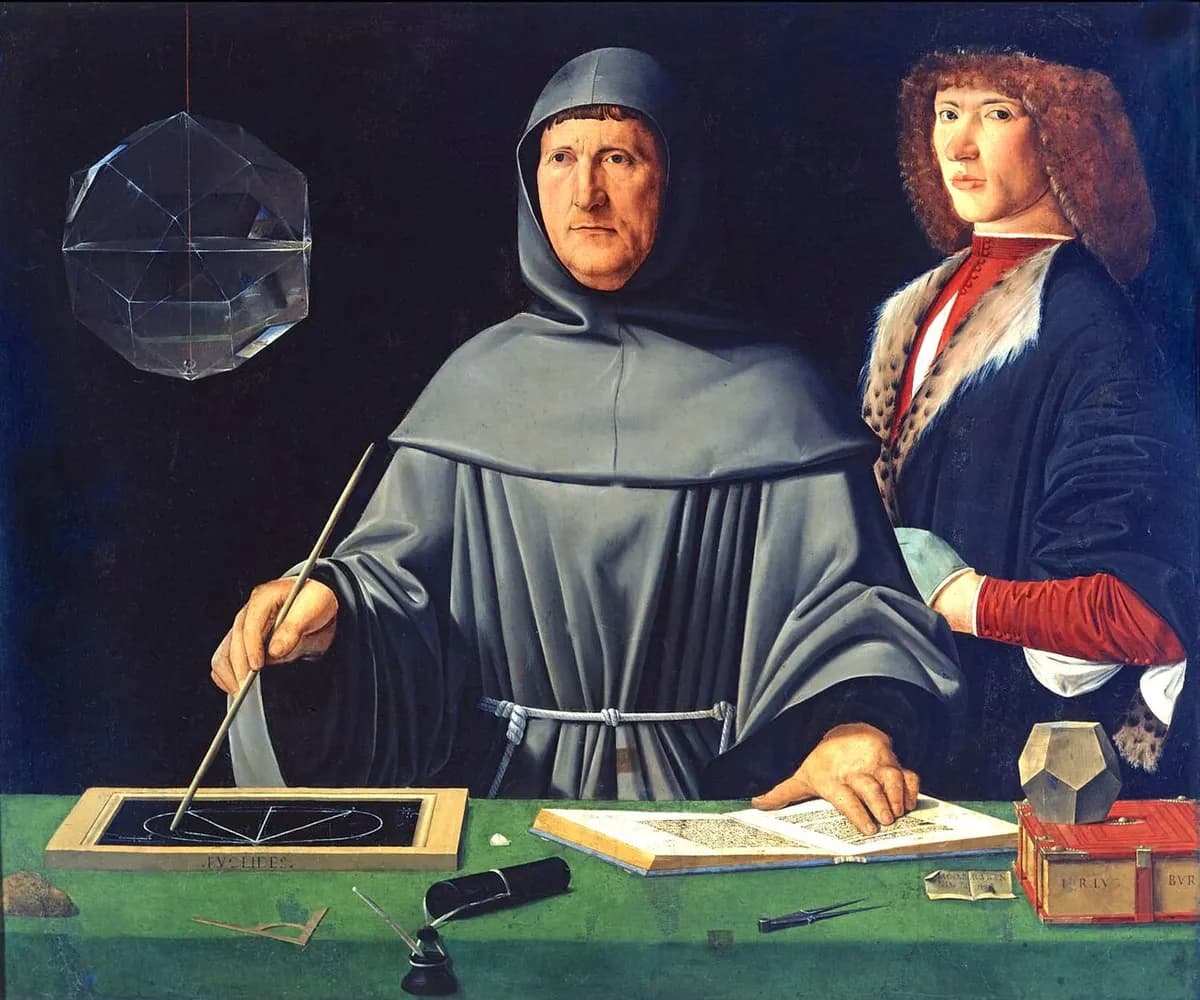
Leonardo’s math teacher wrote the first guide to accounting
The friar who taught Leonardo da Vinci mathematics also published the first printed guide to double-entry bookkeeping, the system nearly every company still uses.
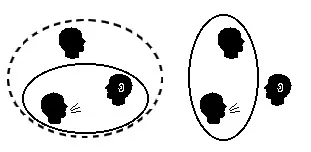
Many languages have two words for “we”
When you say “we’re going to dinner”, are you inviting the listener? English leaves it ambiguous. Hundreds of languages don’t.
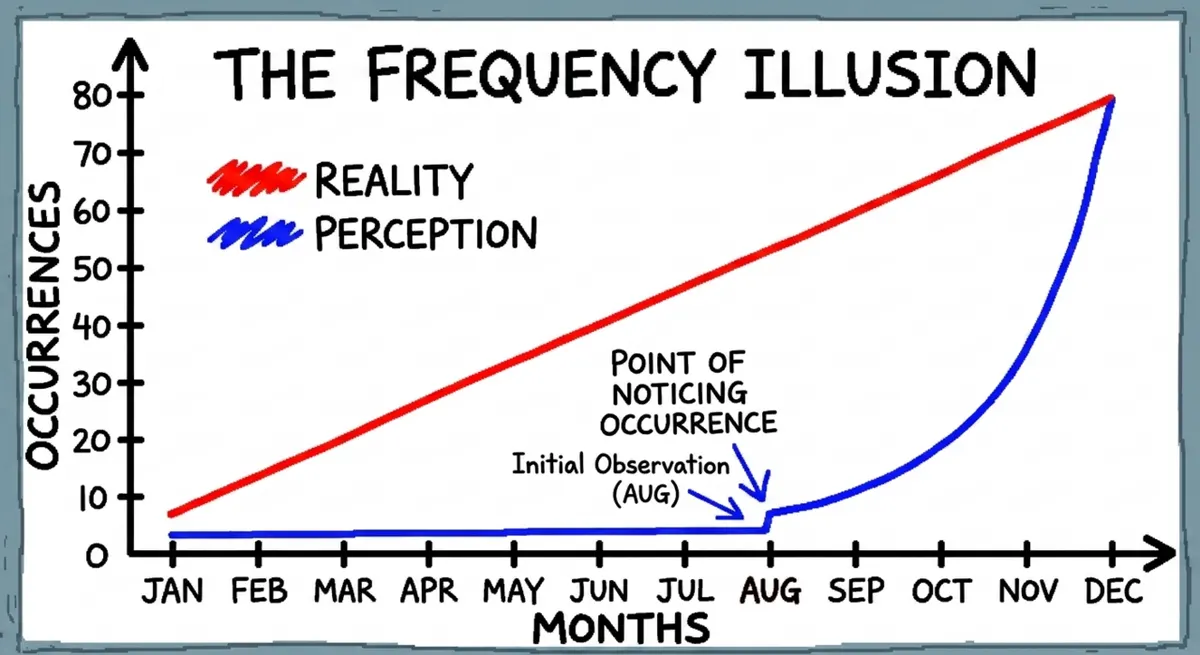
Once you notice something, it’s everywhere
You learn a new word, and the next day you see it three times. The world didn’t change; your attention did.
Sichuan pepper makes your lips buzz at 50 Hz
It isn’t a pepper and it isn’t hot. It makes your mouth tingle, and researchers found the tingling feels like a vibration of about 50 times a second.
Spicy isn’t a taste. It’s pain.
Chilli “heat” triggers the same receptor that detects a burn. Birds can’t feel it, and that seems to be the point.
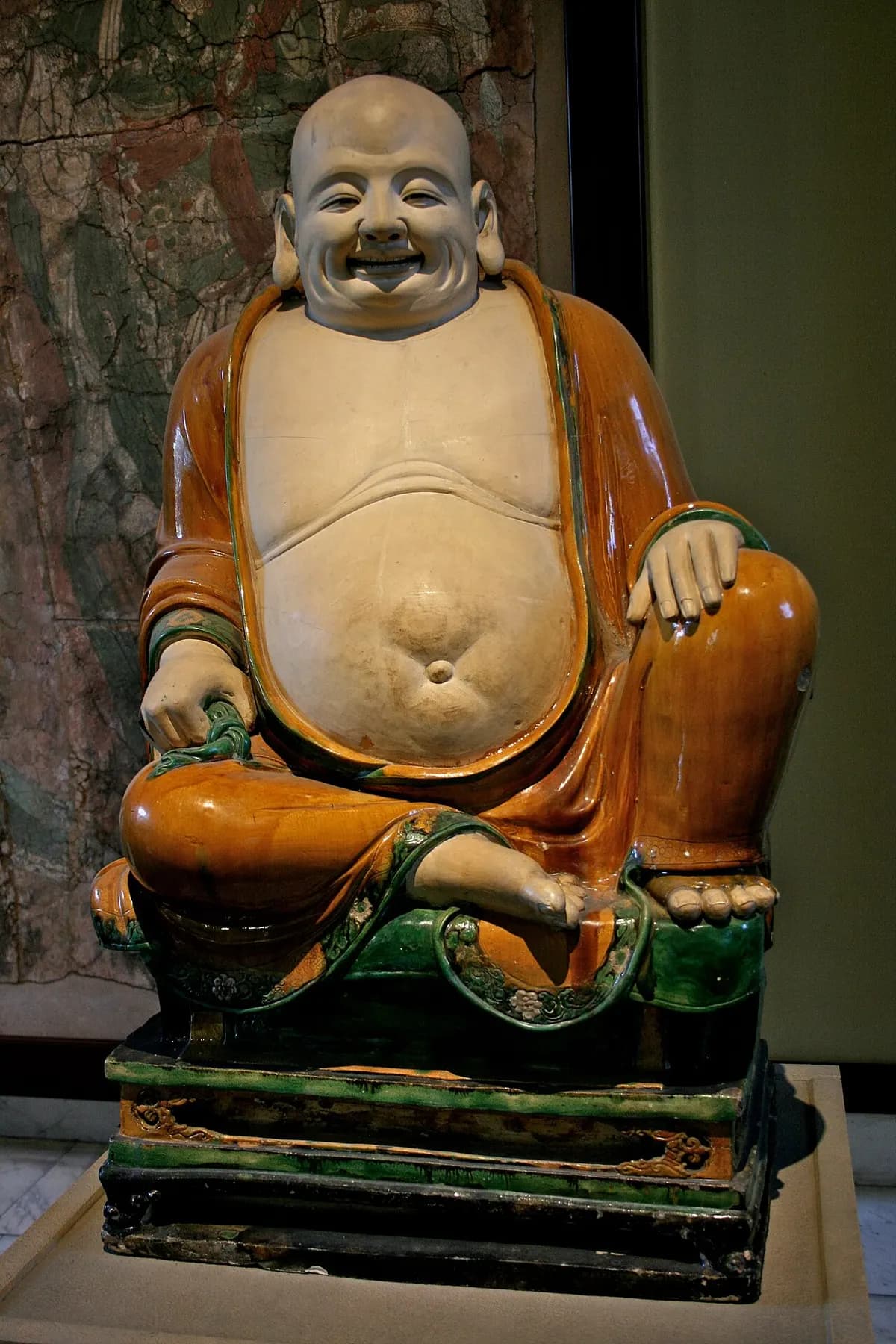
The “Laughing Buddha” isn’t the Buddha
The cheerful, round-bellied figure in restaurants and gift shops is Budai, a Chinese monk from about a thousand years ago, not Siddhartha Gautama.
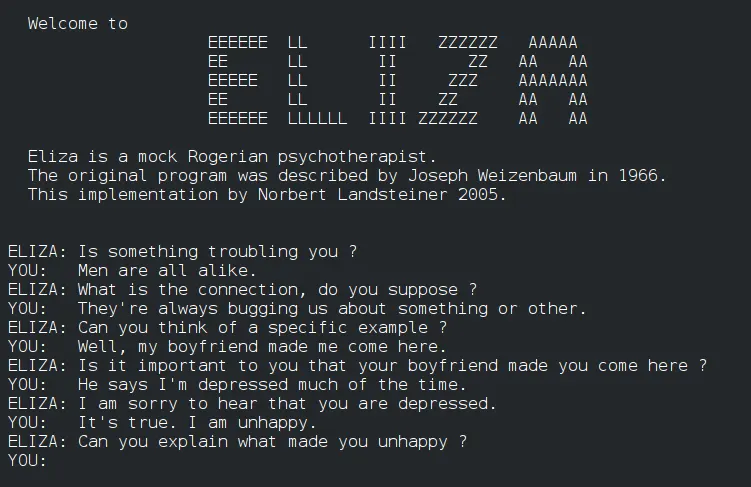
The 1960s chatbot people confided in
ELIZA just reflected your words back as questions. Its creator’s secretary still asked him to leave the room so she could talk to it in private.
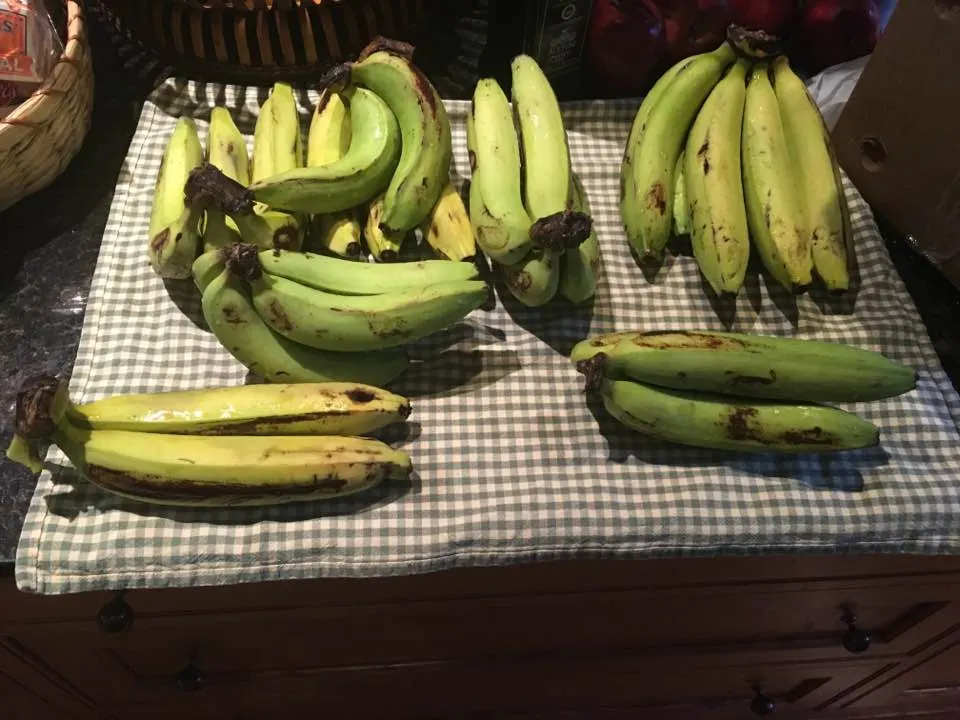
The banana your grandparents ate is gone
Until the 1950s, the world’s export banana was the Gros Michel. A fungus wiped it out, and the Cavendish we eat today may face the same fate.
The Big Mac index
A 1986 joke in The Economist became one of the most cited ways to compare currencies, using the price of a hamburger.
The cobra effect: when rewards backfire
Pay people to kill pests and some of them will start breeding pests. The famous cobra version may be a legend, but the rat version in Hanoi really happened.
The devil’s interval was never banned
The tritone is said to have been outlawed by the medieval Church as ‘the devil in music’. The phrase is real, but the ban looks like a story that grew in the retelling.
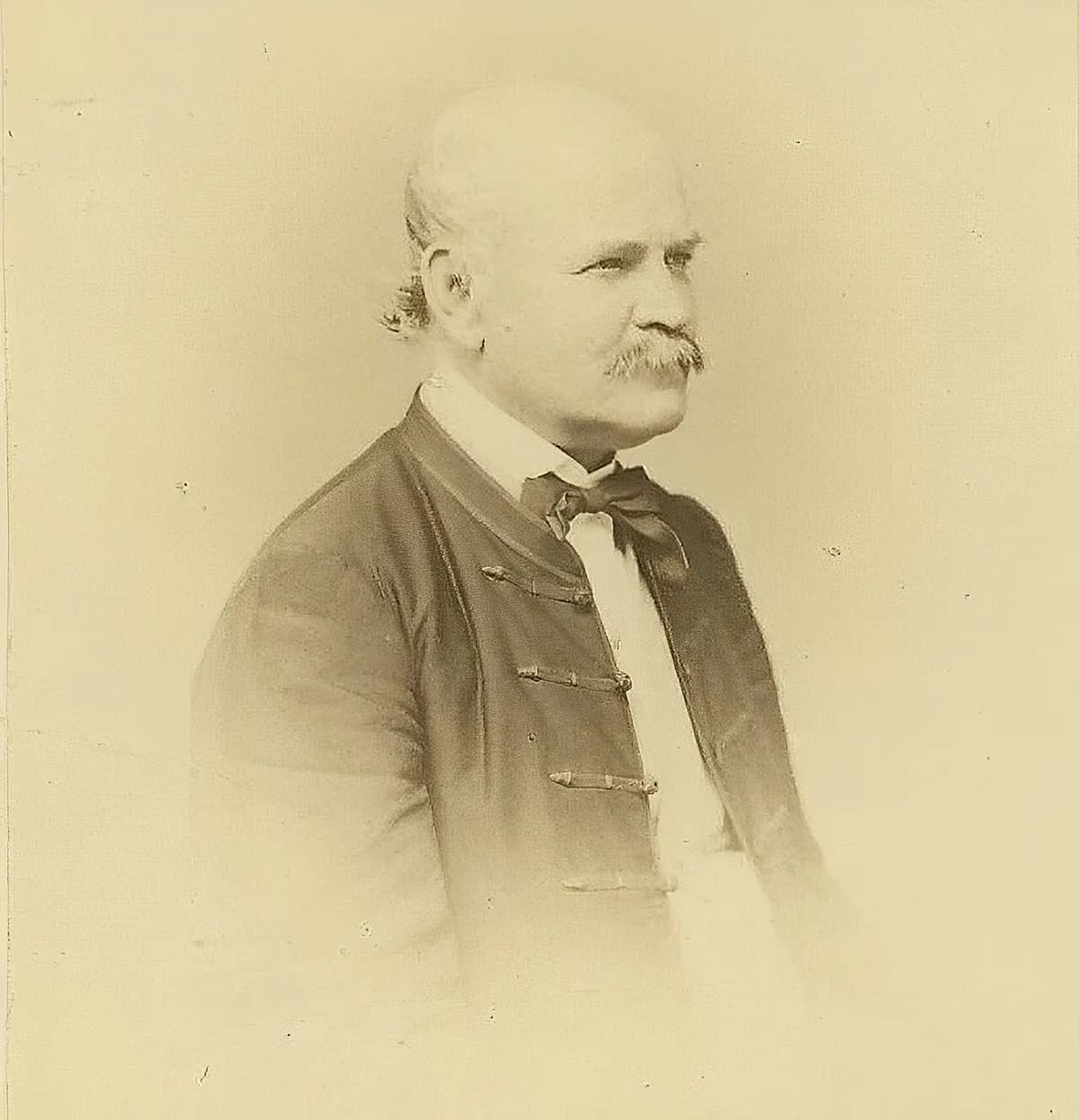
The doctor who said “wash your hands”
In 1847 Ignaz Semmelweis cut deaths on a Vienna maternity ward from about 18% to around 2% by making doctors wash their hands. The story of what happened next is more complicated than the legend.
The Dunning–Kruger effect is not what the internet says
It started with a bank robber who thought lemon juice made him invisible. The famous “Mount Stupid” chart was never in the paper.
The Earl of Sandwich probably wasn’t gambling
The sandwich is named after an 18th-century earl. The famous story that he invented it at the card table comes from a travel book’s gossip.
The golden ratio is less magic than you’ve heard
φ ≈ 1.618 really does appear in sunflowers and pentagons. Most claims about the Parthenon, the Mona Lisa and “perfect beauty” are myths.
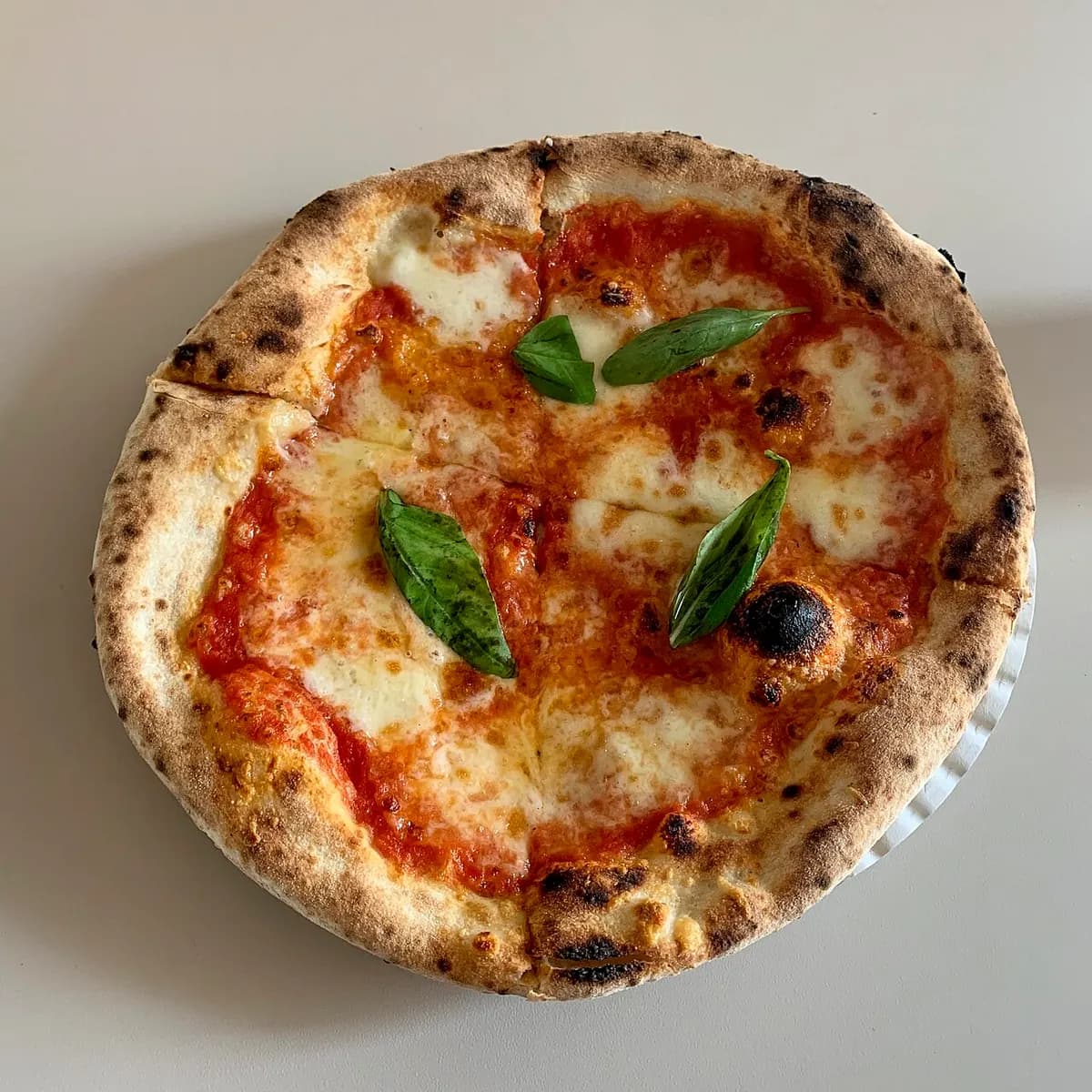
The pizza Margherita story is probably a myth
Every pizzeria tells it: in 1889 a Naples pizzaiolo invented a red, white and green pizza for Queen Margherita. Historians have found little evidence it happened.
The Post-it Note came from a failed glue
A 3M chemist made an adhesive that barely stuck. It took six years and a slipping hymn-book bookmark to find a use for it.
The Ship of Theseus
If you replace every plank of a ship one by one, is it still the same ship? And if someone builds a second ship from the old planks, which one is the original?

The Streisand effect
A photo of Barbra Streisand’s house had been downloaded six times. Then she sued to suppress it, and hundreds of thousands of people looked.

The temple kitchen that feeds tens of thousands every day, free
At the Golden Temple in Amritsar, anyone, of any religion, can sit on the floor and eat a free meal, cooked and served mostly by volunteers.
The veil of ignorance
Design a society without knowing which person in it you will be, and watch what changes.
Three meals a day is a fairly modern habit
In much of medieval northern Europe, people ate two main meals: a midday dinner and an early supper. Breakfast became normal because of towns, work and school.

Umami: the taste discovered in a bowl of soup
In 1908 a Japanese chemist wondered why his wife’s seaweed broth tasted so good, and identified a fifth basic taste.
When a measure becomes a target
Hospitals cut waiting times by not counting patients. Schools teach to the test. The same law explains both.
Why “mama” sounds the same almost everywhere
Mandarin, Swahili, Persian and Spanish are unrelated, yet children everywhere call their mother something like “mama”. In Georgian, though, “mama” means father.

Why Christmas is on 25 December
The Bible never gives a date for Jesus’s birth. Historians have two main explanations for 25 December, and many Orthodox Christians celebrate on 7 January.
Why English spelling makes no sense
English spelling was frozen just as the language’s vowels were changing, so the spelling records an accent nobody has had for centuries.
Why lottery winners aren’t as happy as you’d think
We adapt to good fortune surprisingly fast. Psychologists call it the hedonic treadmill: you keep running and stay in the same place.
Why many Kazakhs can name seven generations of ancestors
A Kazakh child is traditionally expected to know seven fathers back, and the rule exists to prevent marriage between relatives.
Why Ramadan moves about 11 days earlier every year
The Islamic calendar follows the moon, not the sun, so Ramadan travels through every season in about 33 years.

Why the sky is blue, and not violet
Air scatters blue light more than red. By that logic the sky should be violet. Here is why it isn’t.

Why your keyboard says QWERTY
The layout you type on every day was designed for a machine that no longer exists, and the famous reason for it may be wrong.
Why your parents’ clothes look ridiculous, and your grandparents’ look charming
In 1937 a museum curator mapped how we feel about a style over time: “indecent” ten years early, “hideous” ten years late, “charming” after seventy.
You can’t see the Great Wall from the Moon
The famous claim was made in 1754, two centuries before anyone went to space. China’s first astronaut said he couldn’t see it.