Learn in 5 minutes
A whole idea, start to finish, over a coffee.
Brutalism isn’t named after being brutal
The architectural style people love to hate takes its name from the French for “raw concrete”.
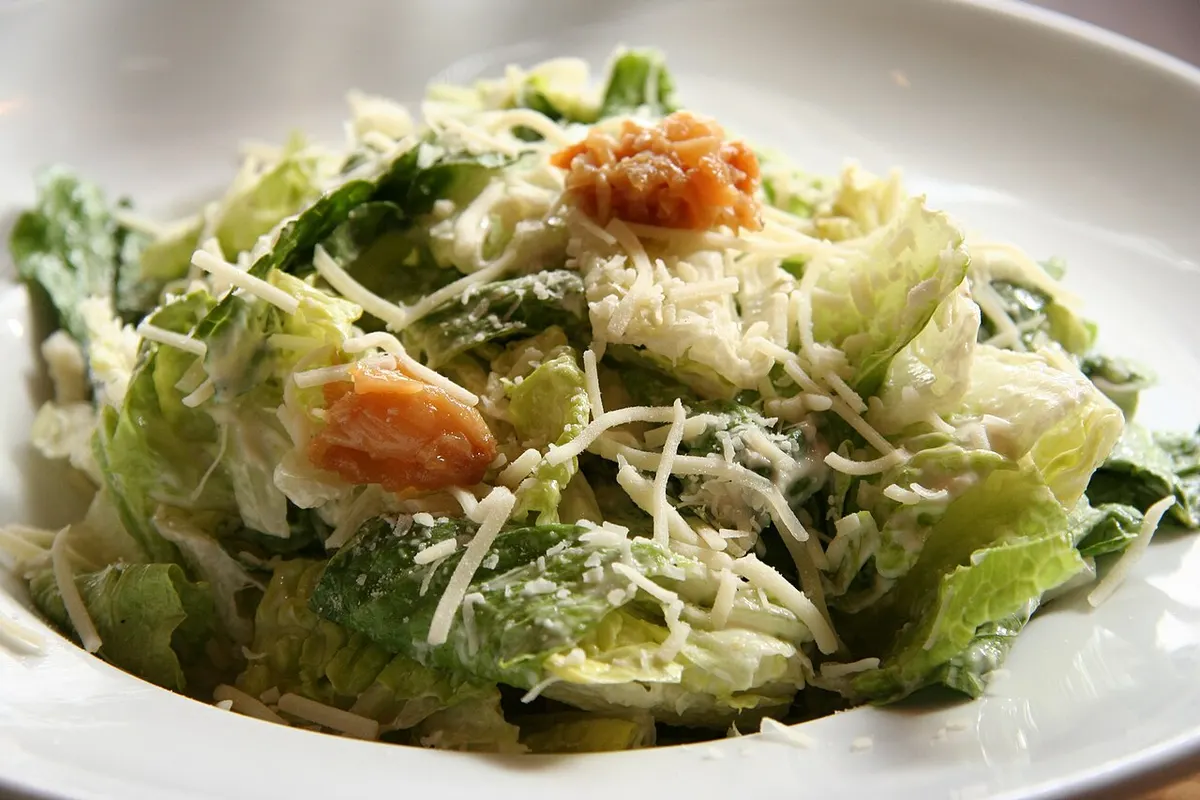
Caesar salad was invented in Mexico
It has nothing to do with Julius Caesar. It was improvised in Tijuana in the 1920s by an Italian-American restaurateur named Caesar Cardini.

Octopuses have three hearts and blue blood
Two hearts pump blood through the gills, one pumps it to the body, and that one stops beating when the octopus swims.

Oxford University is older than the Aztec Empire
Teaching at Oxford was under way by 1096. Tenochtitlan, the Aztec capital, was founded in 1325.
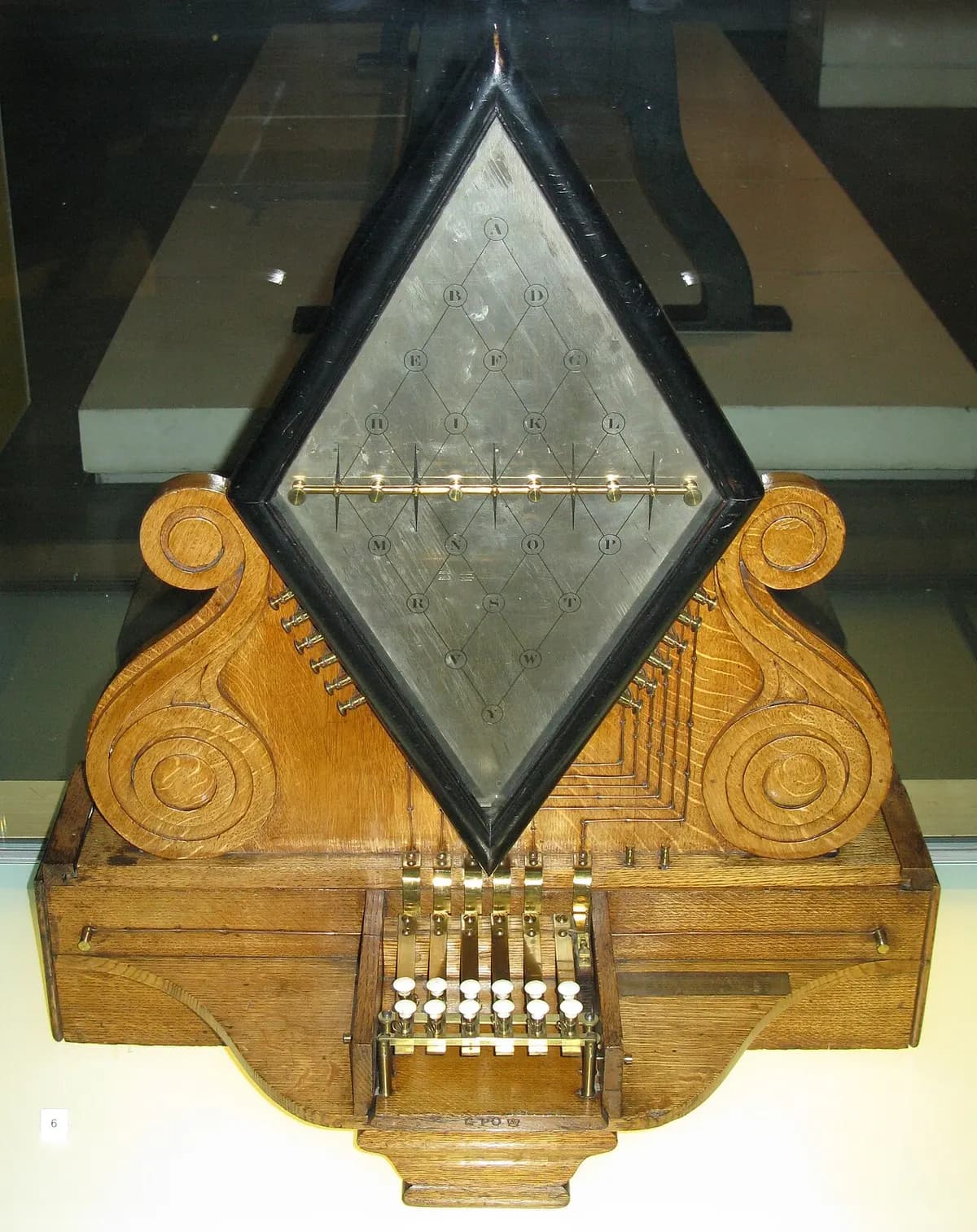
The Victorian internet
Long before email, the telegraph gave the 19th century online romance, hackers, slang and information overload.
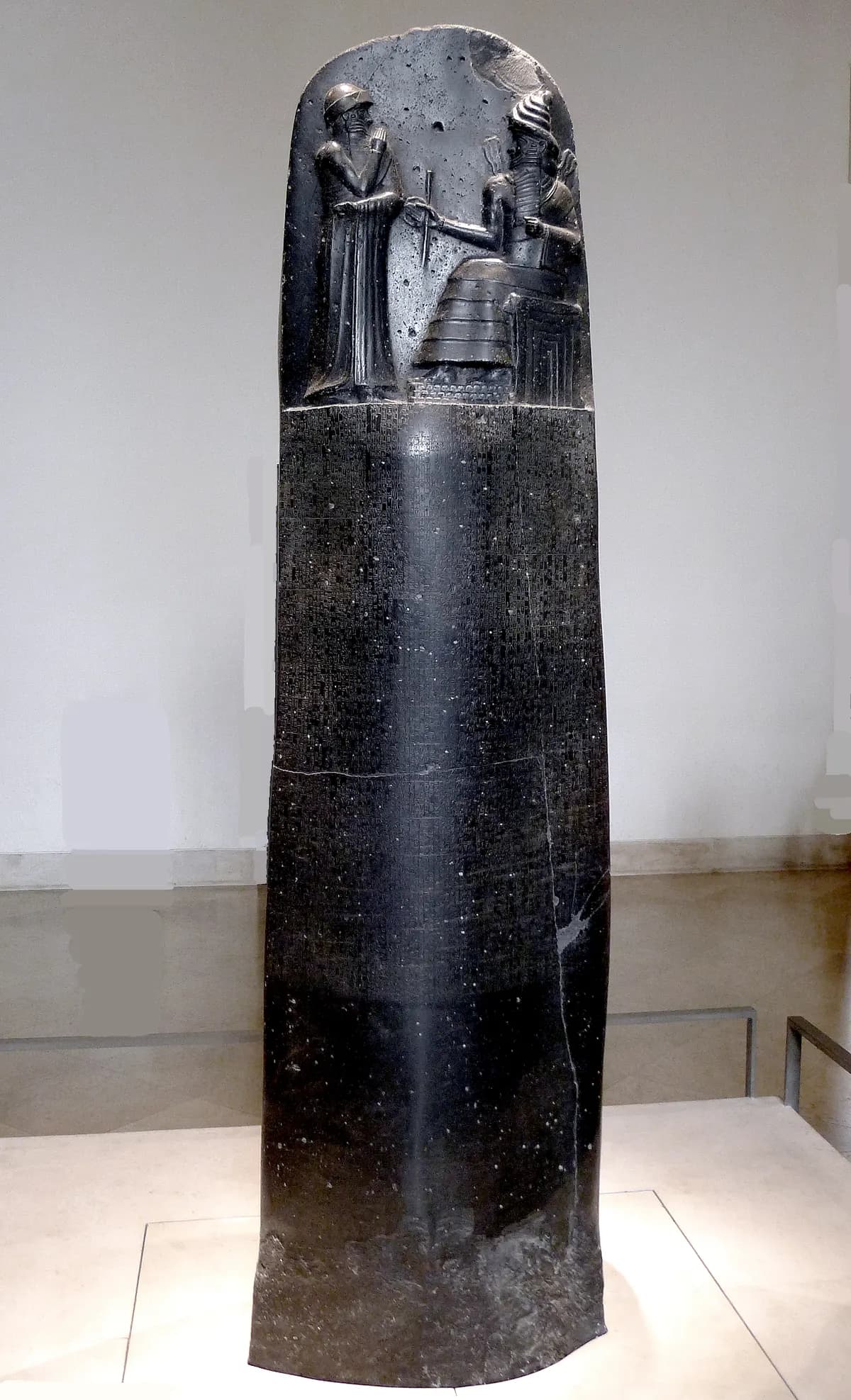
“An eye for an eye” was a step forward
Hammurabi’s 3,800-year-old law code sounds brutal, but it was an attempt to make punishment proportionate, public and predictable.
“Kazakh” and “Cossack” are the same word
The name of the Kazakh people most likely means a free wanderer, and the Cossacks of Ukraine and Russia share the same root.
“Ye Olde Shoppe” was always pronounced “the”
The “Y” in “Ye Olde” is a lost English letter, þ (thorn), in disguise. Nobody ever said “yee”.

A noodle dish whose name has 58 strokes
Xi’an’s wide, hand-pulled biangbiang noodles are written with one of the most complex Chinese characters in use. It wasn’t in any dictionary, and only entered Unicode in 2020.
Basque is related to no other language on Earth
Spanish, French, English, Russian and Hindi are all distant cousins. Basque, spoken between Spain and France, is no one’s cousin at all.
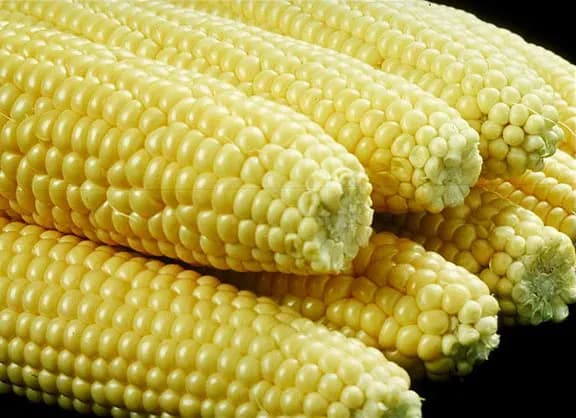
Before 1492, Italy had no tomatoes and Thailand had no chillies
Many “ancient” national dishes depend on ingredients that crossed the Atlantic after Columbus. Some of them are surprisingly recent.
Chekhov’s gun: what the quote really said
Every writer knows the rule that a gun on the wall must go off. The sources say it was spread across three different remarks.
Chesterton’s fence: ask why it’s there before you tear it down
A 1929 essay gave us one of the most useful rules for anyone who wants to change something: understand it first.
China owns nearly every giant panda on Earth
The pandas in zoos from Washington to Vienna are on loan. China charges rent, and even cubs born abroad belong to Beijing.
China spans five time zones but uses one
All of China runs on Beijing time. In the far west, the sun can rise after 10 a.m. in winter, so many people unofficially keep their own clock.

Cleopatra lived closer to the Moon landing than to the pyramids
The Great Pyramid was already about 2,500 years old when Cleopatra was born. Ancient history is much longer than it feels.
Do skirts really get shorter when the economy booms?
The “hemline index” says hemlines rise with stock prices. It’s usually credited to an economist in 1926, who didn’t actually propose it.

Every apple you have eaten comes from Kazakhstan
The main wild ancestor of the domestic apple still grows in forests in the mountains around Almaty, a city whose name is often linked to the Kazakh word for apple.
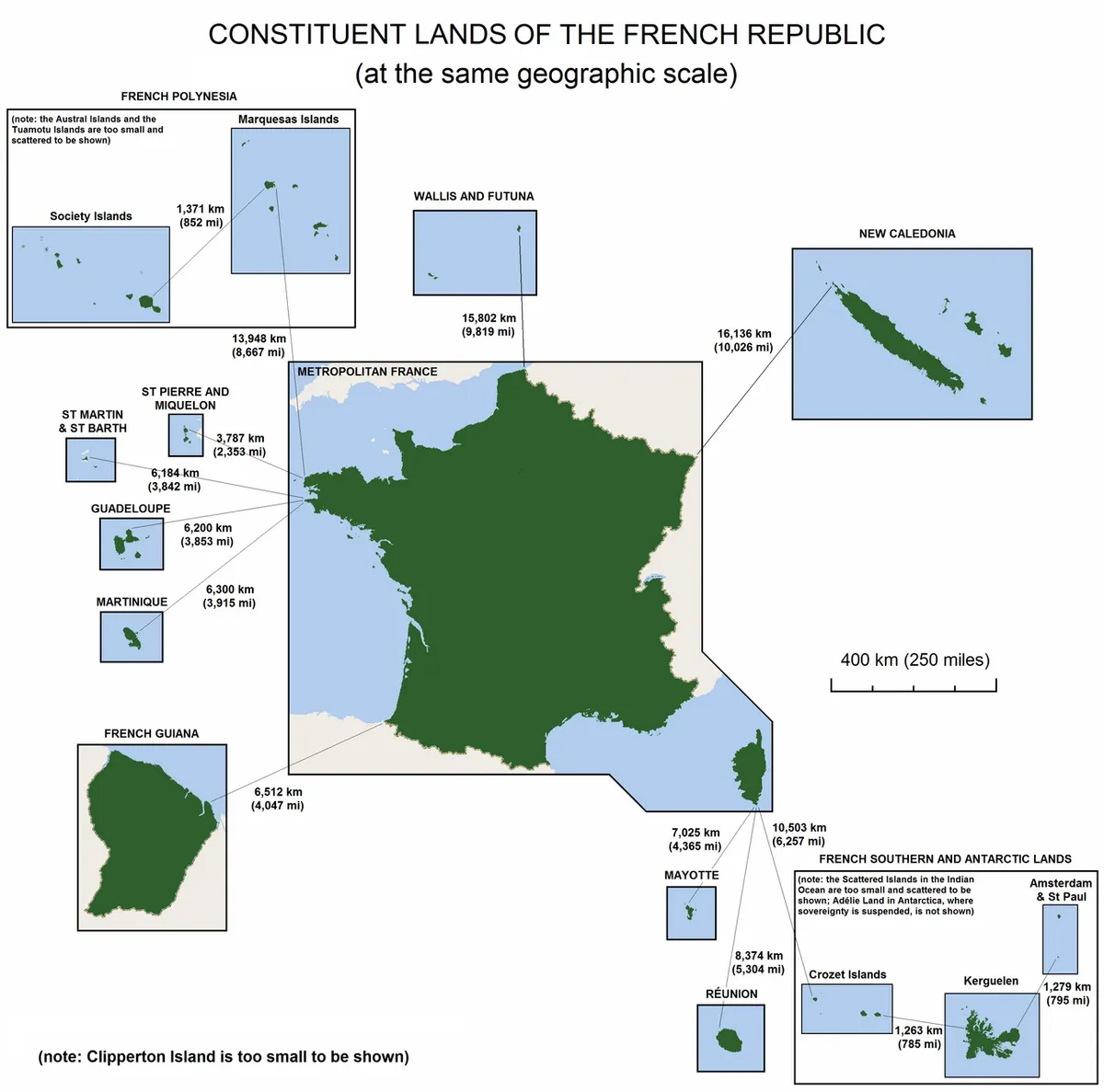
France has more time zones than any other country
Not Russia, not the United States: France. And mainland France itself runs an hour ahead of where its geography says it should, because of 1940.
In a Kazakh home, a half-empty cup is a compliment
Kazakh hosts pour tea only part-way, so they can keep refilling it while you stay and talk. A cup filled to the brim can be a polite hint.
In a room of 23 people, two probably share a birthday
It sounds impossible with 365 days to choose from, but the odds pass 50% with just 23 people and reach 99.9% with 70.
Jesus was probably born “Before Christ”
The AD system was invented in 525 by a monk who got the date slightly wrong. Most historians place Jesus’s birth around 6–4 BC.
Julius Caesar’s secret code (and why it failed)
Caesar hid messages by shifting each letter three places. It worked until a 9th-century scholar invented a way to break any cipher like it.
Kazakh names that tell a story
A girl named Ulbolsyn carries a message: “let the next one be a boy”. Traditional Kazakh names record wishes, fears, wars and the day a child was born.
Nepal’s flag comes with geometry instructions
It’s the only national flag that isn’t a rectangle, and Nepal’s constitution explains how to draw it, step by step, like a geometry exercise.
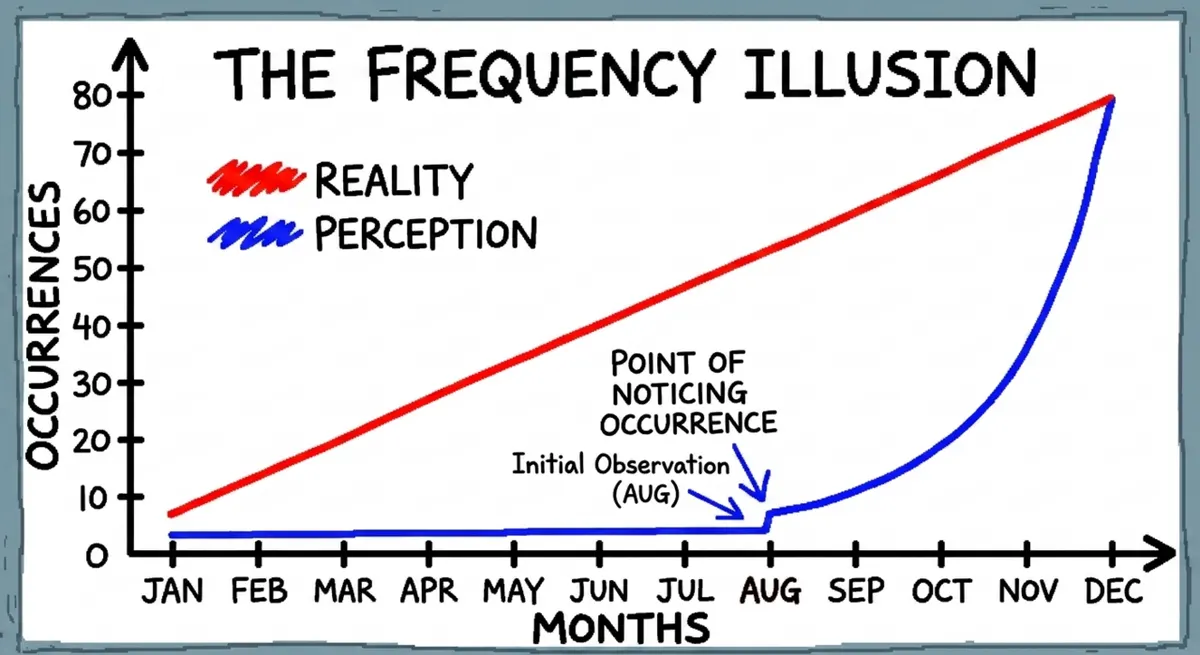
Once you notice something, it’s everywhere
You learn a new word, and the next day you see it three times. The world didn’t change; your attention did.
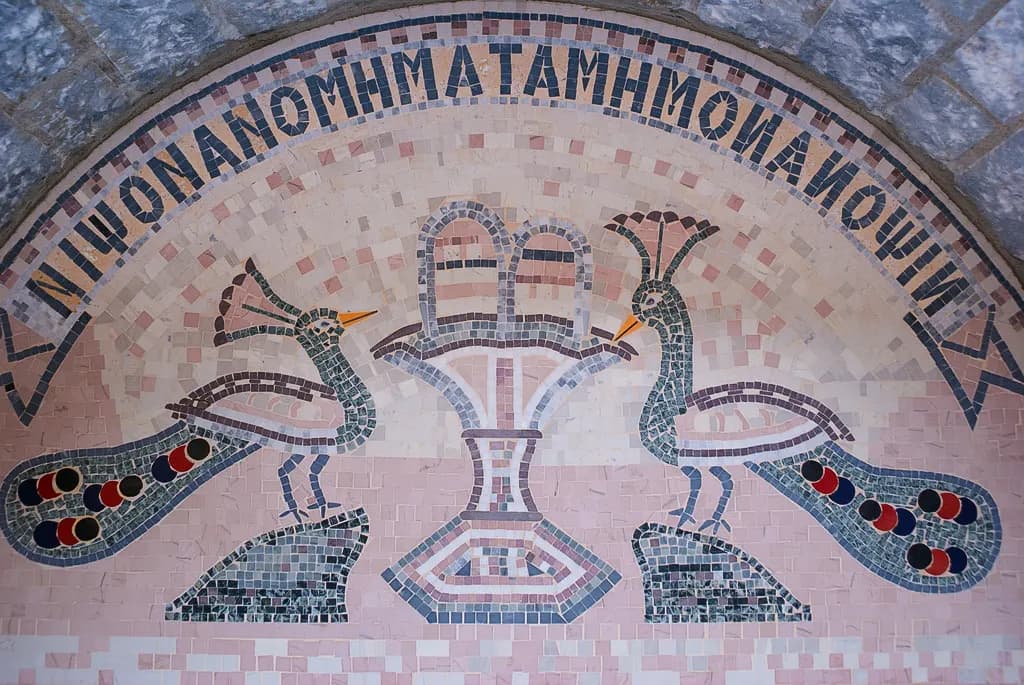
Palindromes are written into your DNA
“A man, a plan, a canal: Panama” has a molecular cousin: your genome is full of sequences that read the same in both directions.
Pink for girls and blue for boys is younger than your grandparents
A century ago a trade magazine told shops that pink was for boys. The colour code we treat as ancient only settled in the mid-20th century.
Sherlock Holmes never said “Elementary, my dear Watson”
The most famous line in detective fiction is not in any of Conan Doyle’s stories, though both halves of it are.
Sichuan pepper makes your lips buzz at 50 Hz
It isn’t a pepper and it isn’t hot. It makes your mouth tingle, and researchers found the tingling feels like a vibration of about 50 times a second.
Tea if by sea, chai if by land
Almost every language calls tea either “te” or “cha”, and which one it uses depends on how tea first arrived: by Dutch ship or by overland trade.
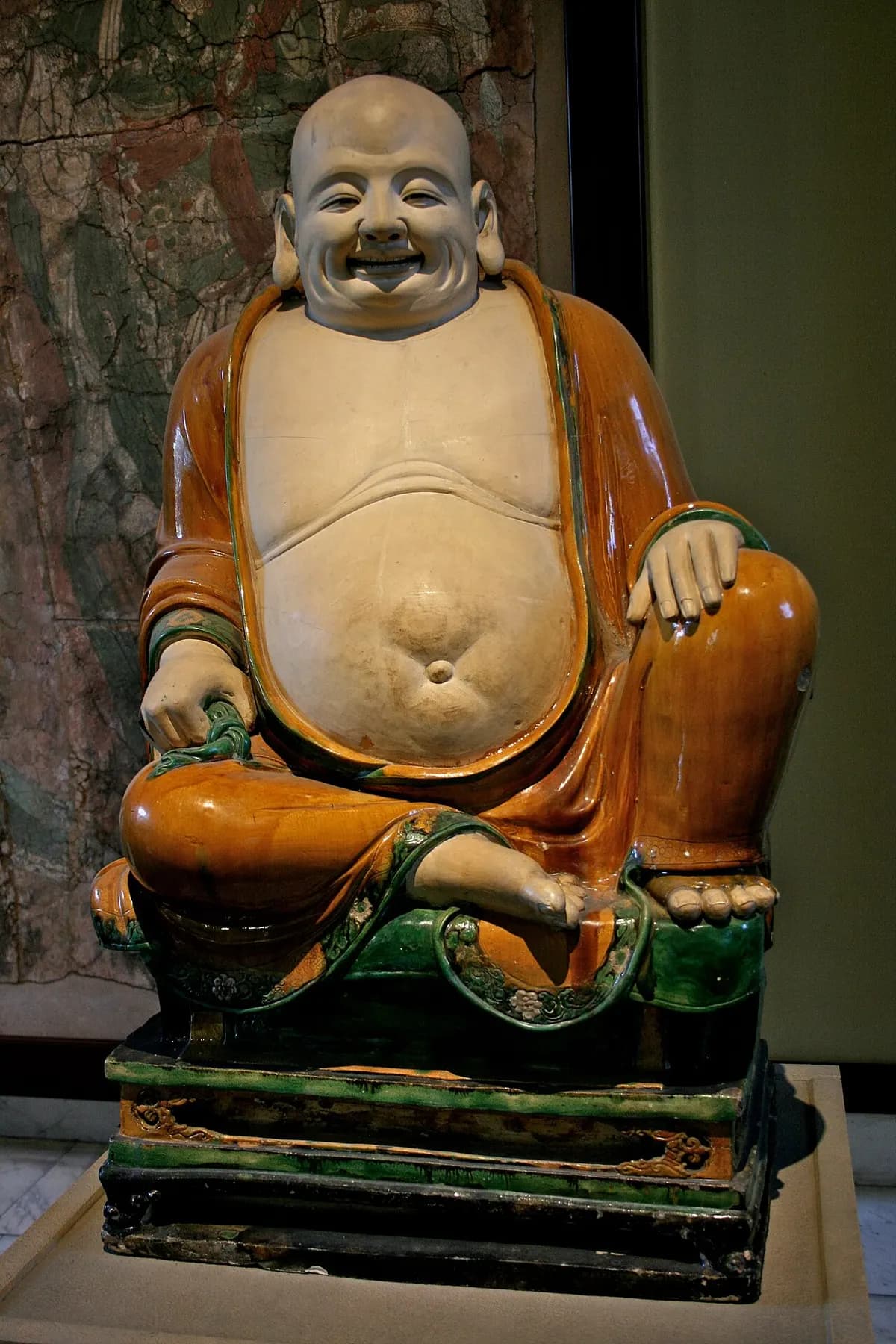
The “Laughing Buddha” isn’t the Buddha
The cheerful, round-bellied figure in restaurants and gift shops is Budai, a Chinese monk from about a thousand years ago, not Siddhartha Gautama.
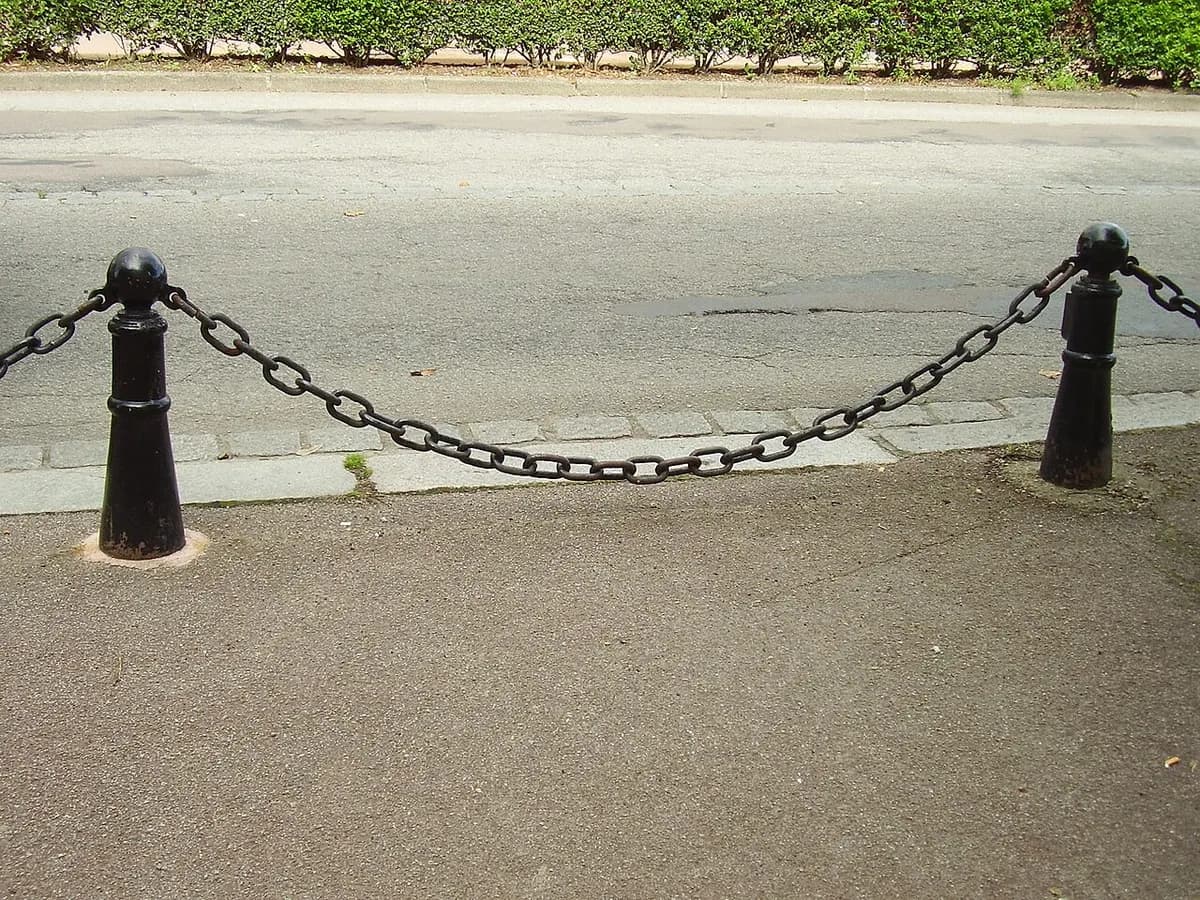
The arch that hangs upside down
Hang a chain from two points, photograph it, flip the picture, and you have the ideal shape for an arch.
The Big Mac index
A 1986 joke in The Economist became one of the most cited ways to compare currencies, using the price of a hamburger.
The first human in space took off from Kazakhstan
Sputnik and Yuri Gagarin both launched from Baikonur, on the Kazakh steppe. Today Russia rents the cosmodrome, and the town around it, from Kazakhstan.
The Ship of Theseus
If you replace every plank of a ship one by one, is it still the same ship? And if someone builds a second ship from the old planks, which one is the original?
The snail in the ginger beer
A woman in Paisley, a bottle of ginger beer and a snail that was never proved to exist became the case on which the modern law of negligence rests.
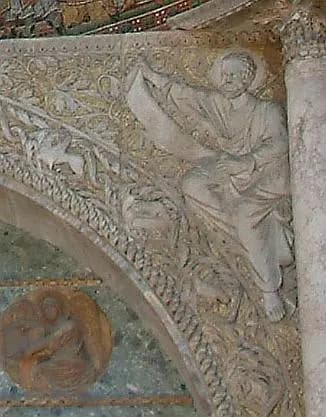
The spandrel: a by-product that looks like a purpose
Not every feature of a living thing was ‘designed’ for a job. Two biologists borrowed a word from cathedral builders to make the point, and then architects argued about whether they had the cathedral right.
The veil of ignorance
Design a society without knowing which person in it you will be, and watch what changes.
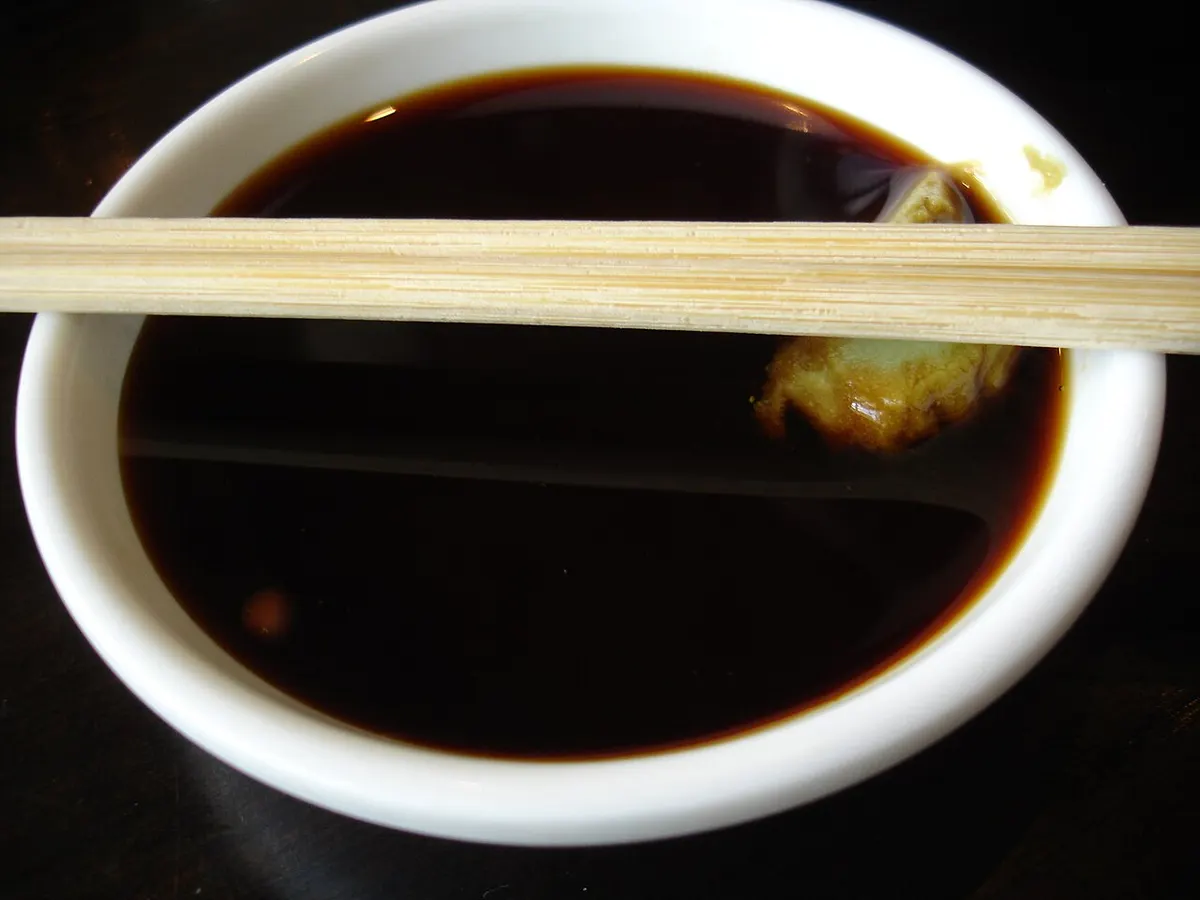
Umami: the taste discovered in a bowl of soup
In 1908 a Japanese chemist wondered why his wife’s seaweed broth tasted so good, and identified a fifth basic taste.
When a measure becomes a target
Hospitals cut waiting times by not counting patients. Schools teach to the test. The same law explains both.
Why “mama” sounds the same almost everywhere
Mandarin, Swahili, Persian and Spanish are unrelated, yet children everywhere call their mother something like “mama”. In Georgian, though, “mama” means father.
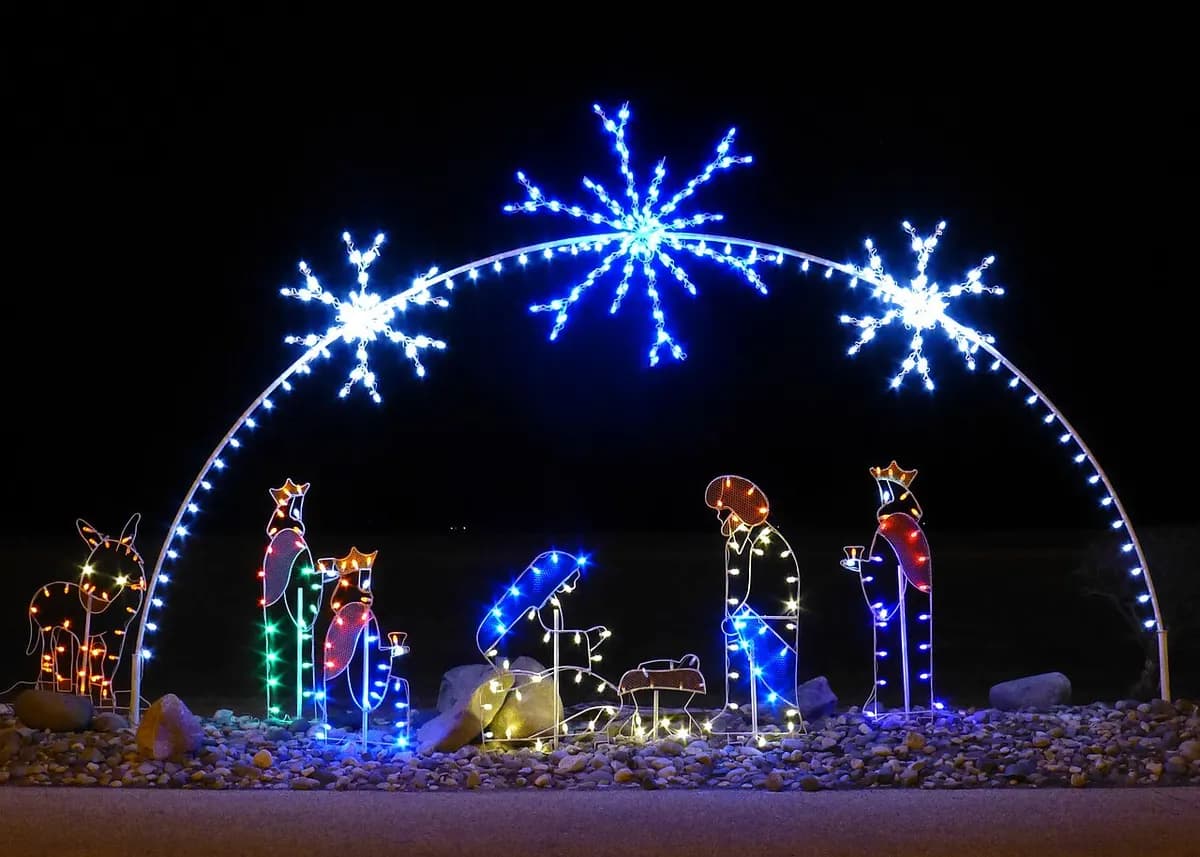
Why Christmas is on 25 December
The Bible never gives a date for Jesus’s birth. Historians have two main explanations for 25 December, and many Orthodox Christians celebrate on 7 January.
Why do we say “OK”?
The world’s most recognised word began as a deliberately misspelled joke in a Boston newspaper.
Why English spelling makes no sense
English spelling was frozen just as the language’s vowels were changing, so the spelling records an accent nobody has had for centuries.
Why lottery winners aren’t as happy as you’d think
We adapt to good fortune surprisingly fast. Psychologists call it the hedonic treadmill: you keep running and stay in the same place.
Why Ramadan moves about 11 days earlier every year
The Islamic calendar follows the moon, not the sun, so Ramadan travels through every season in about 33 years.

Why the sky is blue, and not violet
Air scatters blue light more than red. By that logic the sky should be violet. Here is why it isn’t.
Why your parents’ clothes look ridiculous, and your grandparents’ look charming
In 1937 a museum curator mapped how we feel about a style over time: “indecent” ten years early, “hideous” ten years late, “charming” after seventy.
You can’t see the Great Wall from the Moon
The famous claim was made in 1754, two centuries before anyone went to space. China’s first astronaut said he couldn’t see it.
The Bechdel test began as a joke in a comic strip
Three simple questions about a film started life in 1985, and the woman who thought of them wasn’t Alison Bechdel.