Strange but true
Things that sound made up, and aren't.

A noodle dish whose name has 58 strokes
Xi’an’s wide, hand-pulled biangbiang noodles are written with one of the most complex Chinese characters in use. It wasn’t in any dictionary, and only entered Unicode in 2020.
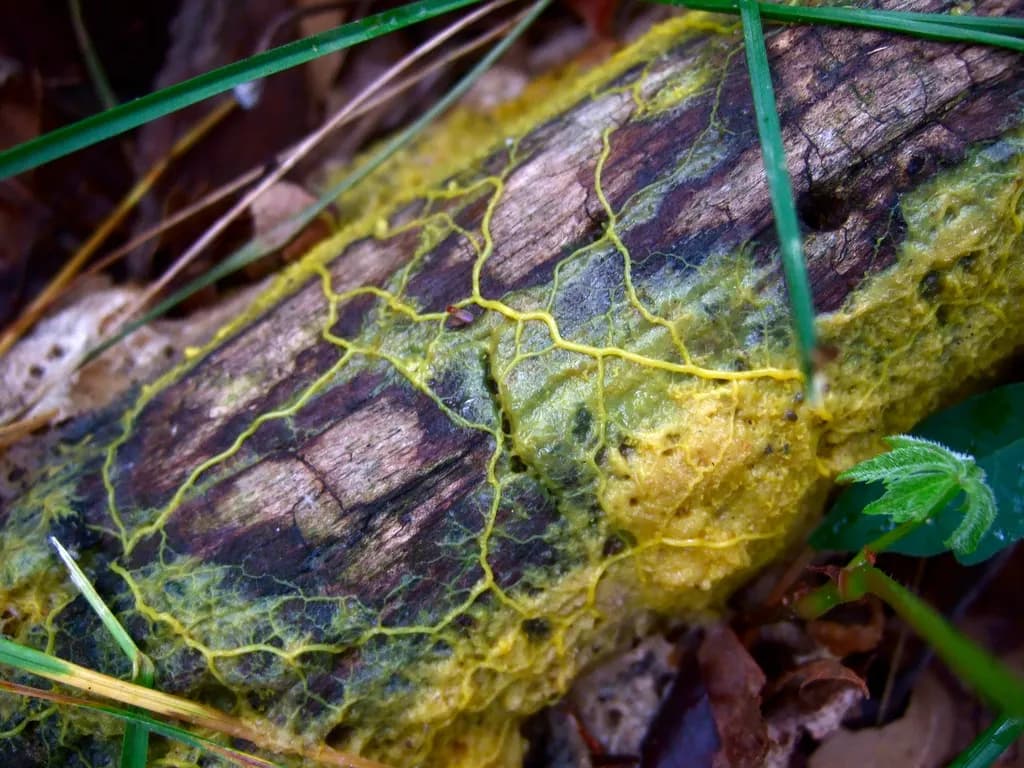
A slime mould designed the Tokyo rail network
Scientists put oat flakes where Tokyo’s cities are. A brainless single-celled organism grew a network remarkably like the real railway.
An 18-year-old’s failed medicine set off a fashion craze
In 1856 a student trying to make a malaria drug produced a purple stain instead, and within two years Europe was wearing mauve.
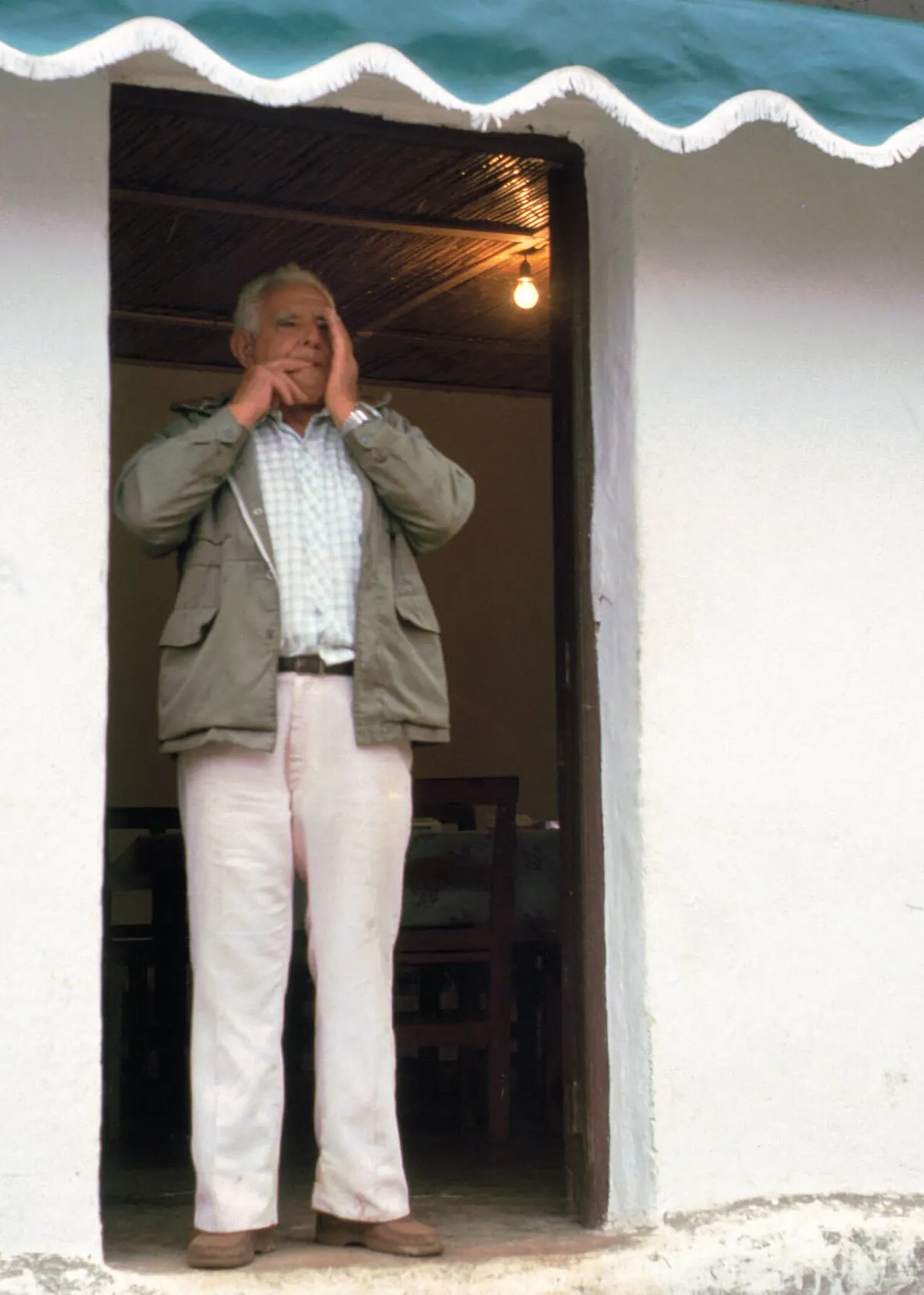
An island where people speak Spanish by whistling
On La Gomera in the Canary Islands, Spanish is whistled across ravines, and every schoolchild learns how.
Basque is related to no other language on Earth
Spanish, French, English, Russian and Hindi are all distant cousins. Basque, spoken between Spain and France, is no one’s cousin at all.
Buffalo buffalo Buffalo buffalo…
“Buffalo buffalo Buffalo buffalo buffalo buffalo Buffalo buffalo” is a grammatically correct English sentence.
Carrots used to be purple
The earliest cultivated carrots were purple and yellow. The orange carrot became dominant in the Netherlands, and a famous patriotic explanation for it is probably a myth.
China spans five time zones but uses one
All of China runs on Beijing time. In the far west, the sun can rise after 10 a.m. in winter, so many people unofficially keep their own clock.

Cleopatra lived closer to the Moon landing than to the pyramids
The Great Pyramid was already about 2,500 years old when Cleopatra was born. Ancient history is much longer than it feels.
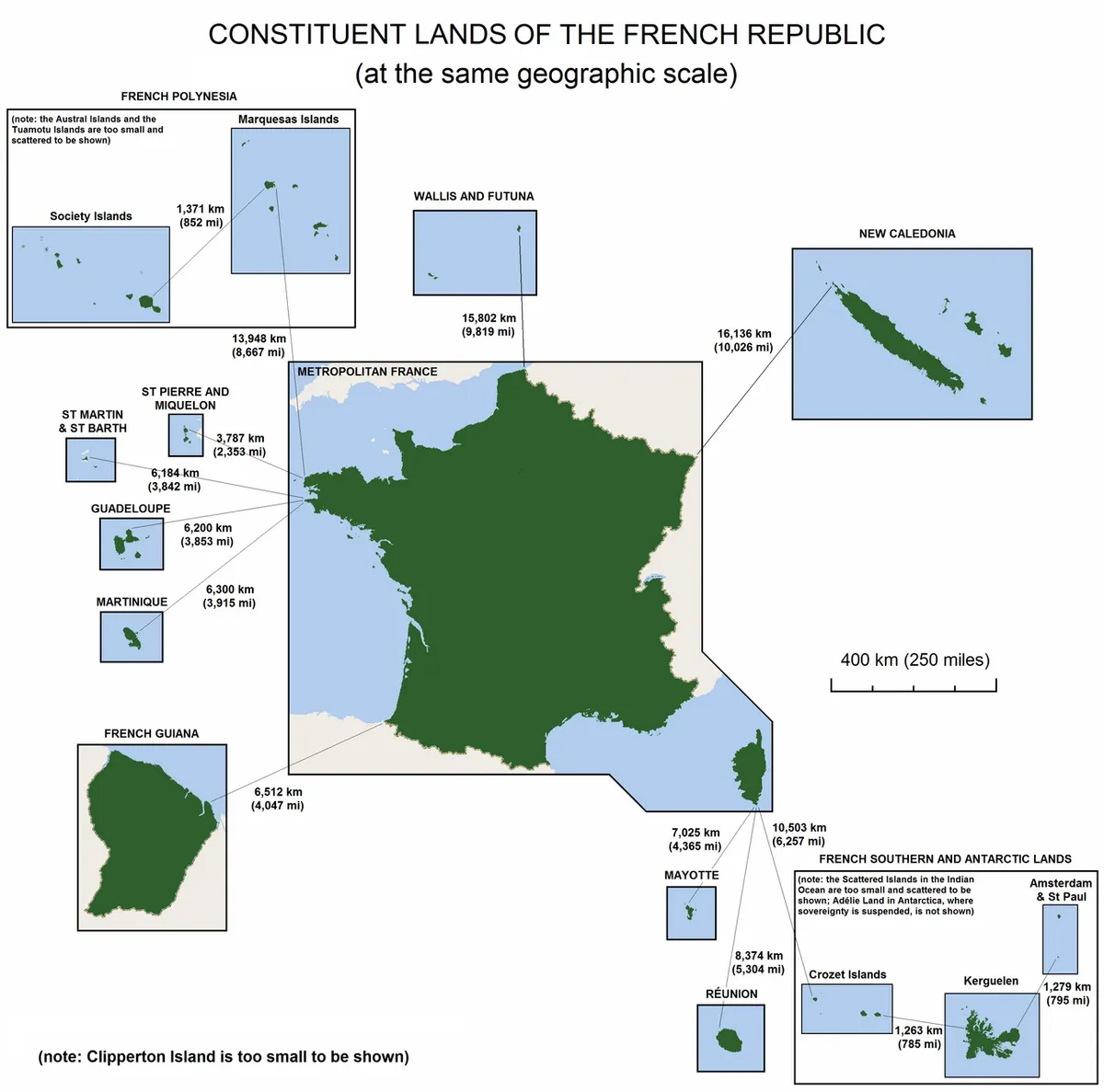
France has more time zones than any other country
Not Russia, not the United States: France. And mainland France itself runs an hour ahead of where its geography says it should, because of 1940.
In a room of 23 people, two probably share a birthday
It sounds impossible with 365 days to choose from, but the odds pass 50% with just 23 people and reach 99.9% with 70.
In Britain, it’s an offence to handle salmon in suspicious circumstances
It sounds like a joke law. It’s real, it’s still in force, and it has a sensible purpose.
Jesus was probably born “Before Christ”
The AD system was invented in 525 by a monk who got the date slightly wrong. Most historians place Jesus’s birth around 6–4 BC.
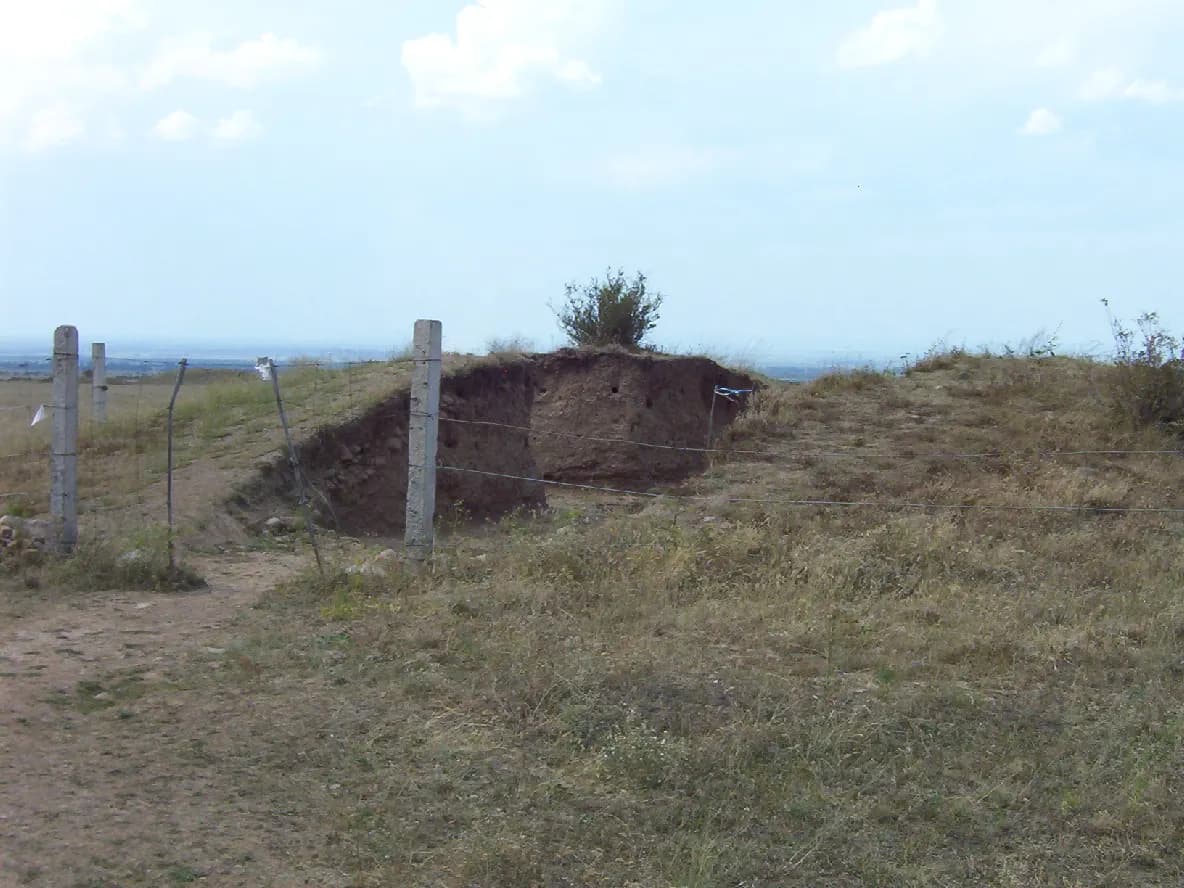
Kazakhstan’s national symbol might be a woman
The “Golden Man” on top of Almaty’s Independence Monument is a Saka warrior found in 1969 in a costume of about 4,000 gold pieces. Archaeologists still can’t say for sure whether the warrior was a man.
Kiribati moved the International Date Line
Until 1995 Kiribati was split by the date line, so different parts of the country were on different days. So it moved the line.
Nepal’s flag comes with geometry instructions
It’s the only national flag that isn’t a rectangle, and Nepal’s constitution explains how to draw it, step by step, like a geometry exercise.

Octopuses have three hearts and blue blood
Two hearts pump blood through the gills, one pumps it to the body, and that one stops beating when the octopus swims.

Oxford University is older than the Aztec Empire
Teaching at Oxford was under way by 1096. Tenochtitlan, the Aztec capital, was founded in 1325.
Pandas are almost absent from classical Chinese art
Dragons, tigers, cranes and even crickets fill Chinese painting and poetry. The animal now synonymous with China barely appears at all.
Pink for girls and blue for boys is younger than your grandparents
A century ago a trade magazine told shops that pink was for boys. The colour code we treat as ancient only settled in the mid-20th century.
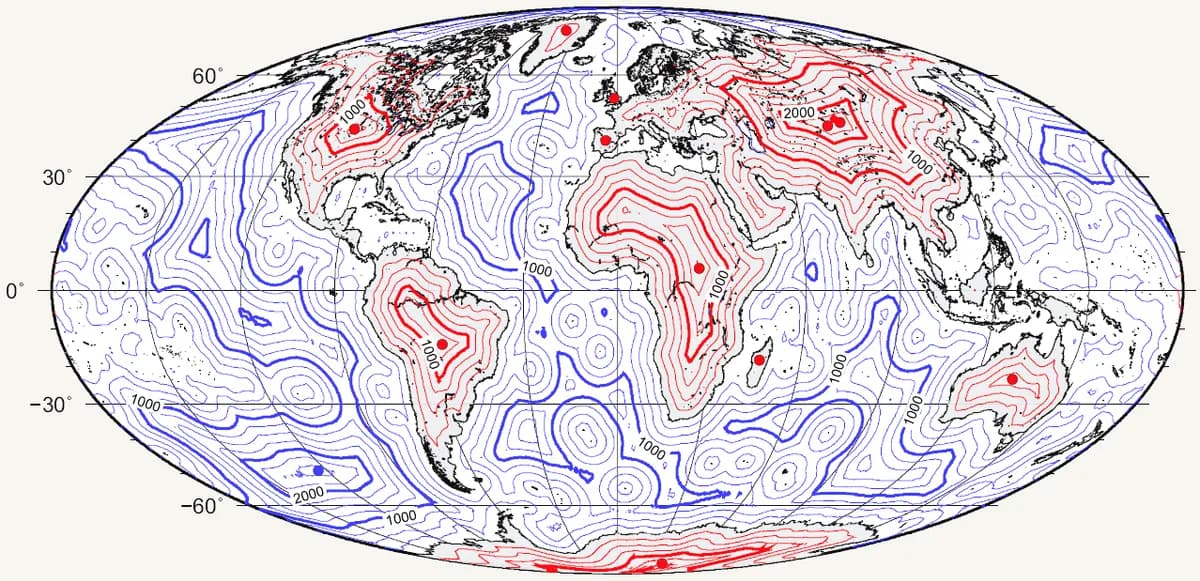
Point Nemo, where spacecraft go to die
There is a spot in the Pacific so remote that the nearest humans are often the astronauts passing overhead.
Sichuan pepper makes your lips buzz at 50 Hz
It isn’t a pepper and it isn’t hot. It makes your mouth tingle, and researchers found the tingling feels like a vibration of about 50 times a second.
The “last wild horse” descends from tamed horses of the Kazakh steppe
5,500 years ago, people at Botai in northern Kazakhstan were bridling horses and probably milking mares. Their horses’ descendants became Przewalski’s horse, long thought to be truly wild.

The arch that hangs upside down
Hang a chain from two points, photograph it, flip the picture, and you have the ideal shape for an arch.
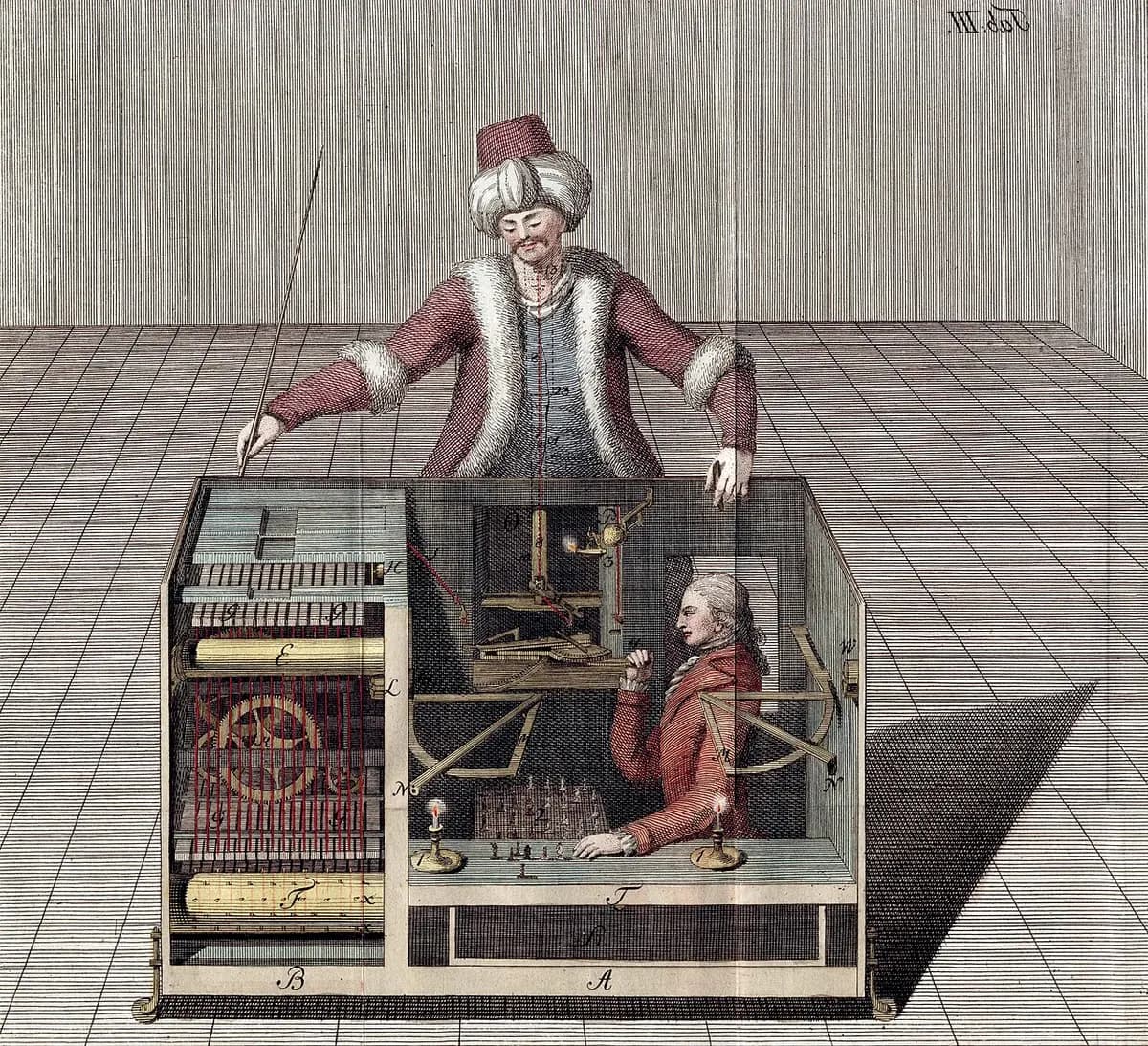
The chess-playing machine that had a man inside
From 1770, a turbaned mechanical figure beat players across Europe and America at chess. It was a brilliant hoax, and Amazon named a service after it.
The devil’s interval was never banned
The tritone is said to have been outlawed by the medieval Church as ‘the devil in music’. The phrase is real, but the ban looks like a story that grew in the retelling.
The first computer bug was an actual bug
In 1947 engineers found a moth stuck in a computer and taped it into the logbook. The word “bug” was already older than that.
The Kazakh bride who renames her husband’s family
By custom, a Kazakh daughter-in-law does not say the names of her husband’s elder relatives aloud. Instead she invents a respectful nickname for each one.
The novel with no letter E
In 1969 Georges Perec wrote a whole French novel without using the most common letter in the language. Then someone translated it into English, keeping the rule.
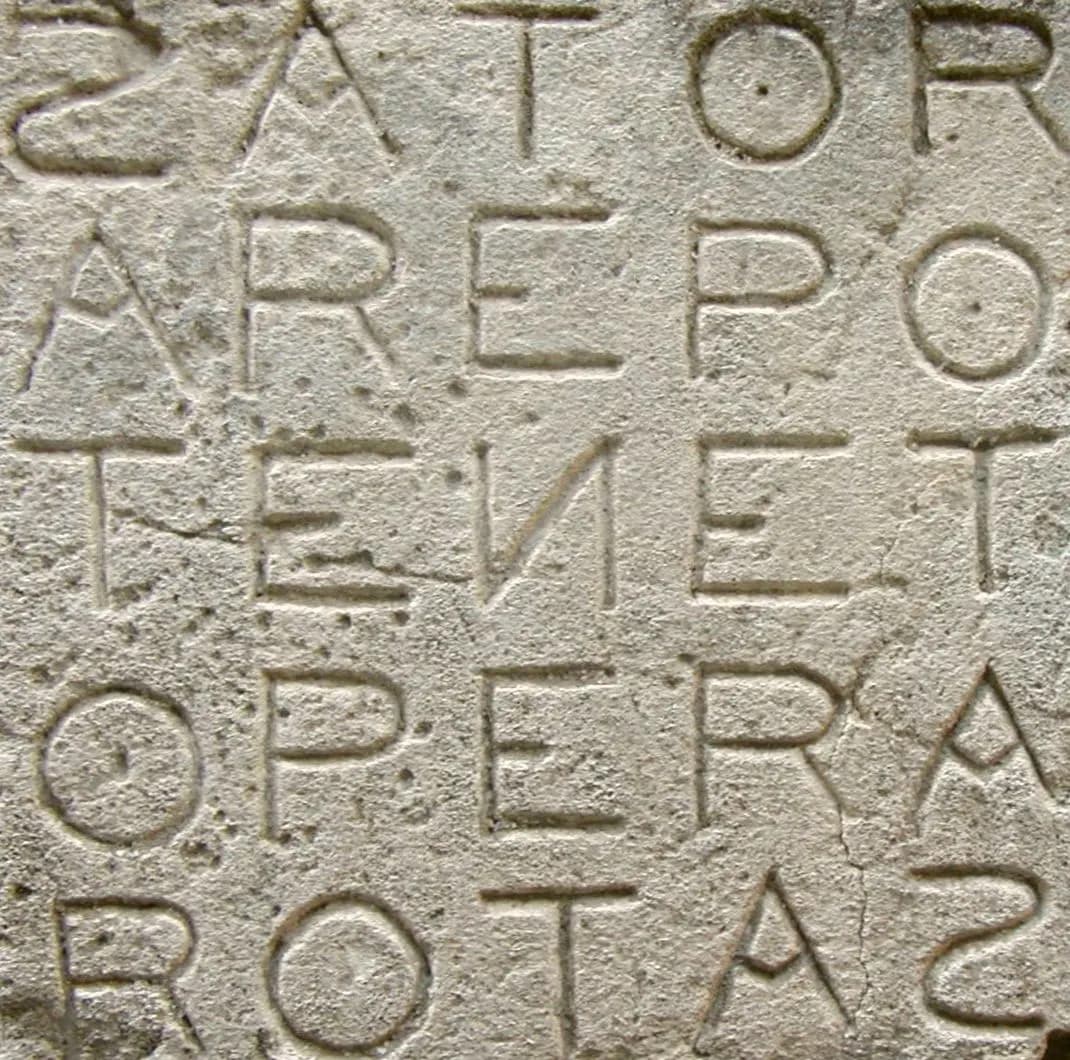
The Sator Square
A five-word Latin puzzle scratched on a wall in Pompeii reads the same in four directions. Nobody agrees on what it means.
The scream that has been in hundreds of films
One man’s scream, recorded for a 1951 western, turns up in Star Wars and Indiana Jones. It is named after a character who barely appears.
Venice stands on an upside-down forest
Under the palaces of Venice are millions of wooden stakes driven into the mud of the lagoon, some of them for more than a thousand years.