Deep dive
For when one layer isn't enough.
“Can machines think?”: Turing’s 1950 question
Alan Turing opened a 1950 paper with that question, then replaced it with a test, and answered Ada Lovelace by name.
A volcano gave us Frankenstein
A massive eruption in Indonesia in 1815 caused a cold, stormy summer in Switzerland, which kept a group of writers indoors telling ghost stories.
An 18-year-old’s failed medicine set off a fashion craze
In 1856 a student trying to make a malaria drug produced a purple stain instead, and within two years Europe was wearing mauve.
Chekhov’s gun: what the quote really said
Every writer knows the rule that a gun on the wall must go off. The sources say it was spread across three different remarks.
How a meat-eater’s body survives on bamboo
The giant panda is a bear with a carnivore’s gut, eating a plant it can barely digest. It survives by eating almost constantly and spending almost no energy.
How trends spread, from royal courts to TikTok
For a century, the theory was that fashion trickled down from the rich. Then it started bubbling up from the street, and now it moves sideways through algorithms in weeks.
In 1958 the Navy said its neural network would one day be conscious
The first trainable neural network, the perceptron, was announced as the embryo of a computer that would “walk, talk, see, write, reproduce itself and be conscious of its existence”.
The Bechdel test began as a joke in a comic strip
Three simple questions about a film started life in 1985, and the woman who thought of them wasn’t Alison Bechdel.
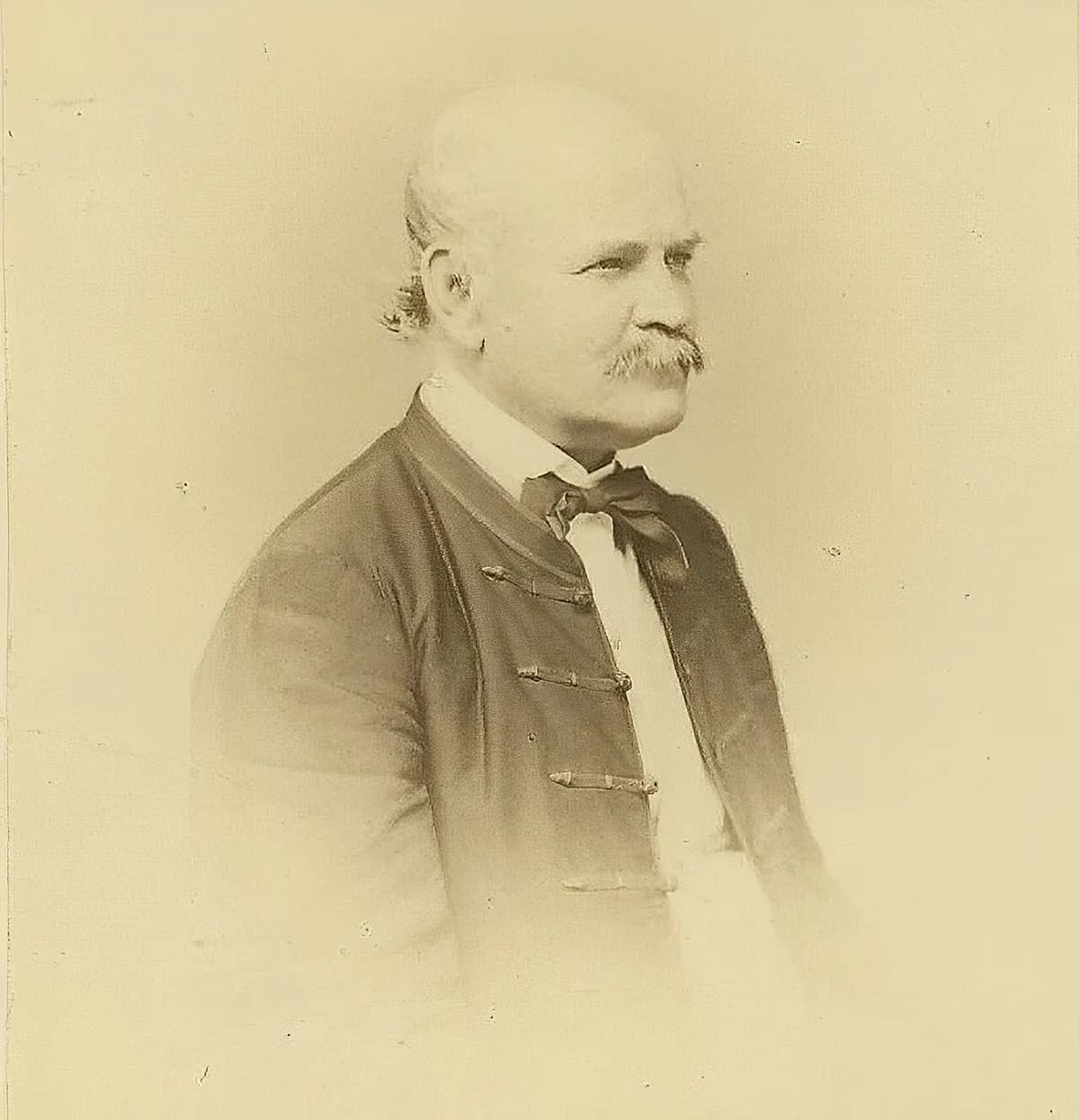
The doctor who said “wash your hands”
In 1847 Ignaz Semmelweis cut deaths on a Vienna maternity ward from about 18% to around 2% by making doctors wash their hands. The story of what happened next is more complicated than the legend.
The dream of thinking machines is thousands of years old
Long before computers, people imagined bronze giants, reasoning wheels and a language in which arguments could be settled by calculation.
The Dunning–Kruger effect is not what the internet says
It started with a bank robber who thought lemon juice made him invisible. The famous “Mount Stupid” chart was never in the paper.
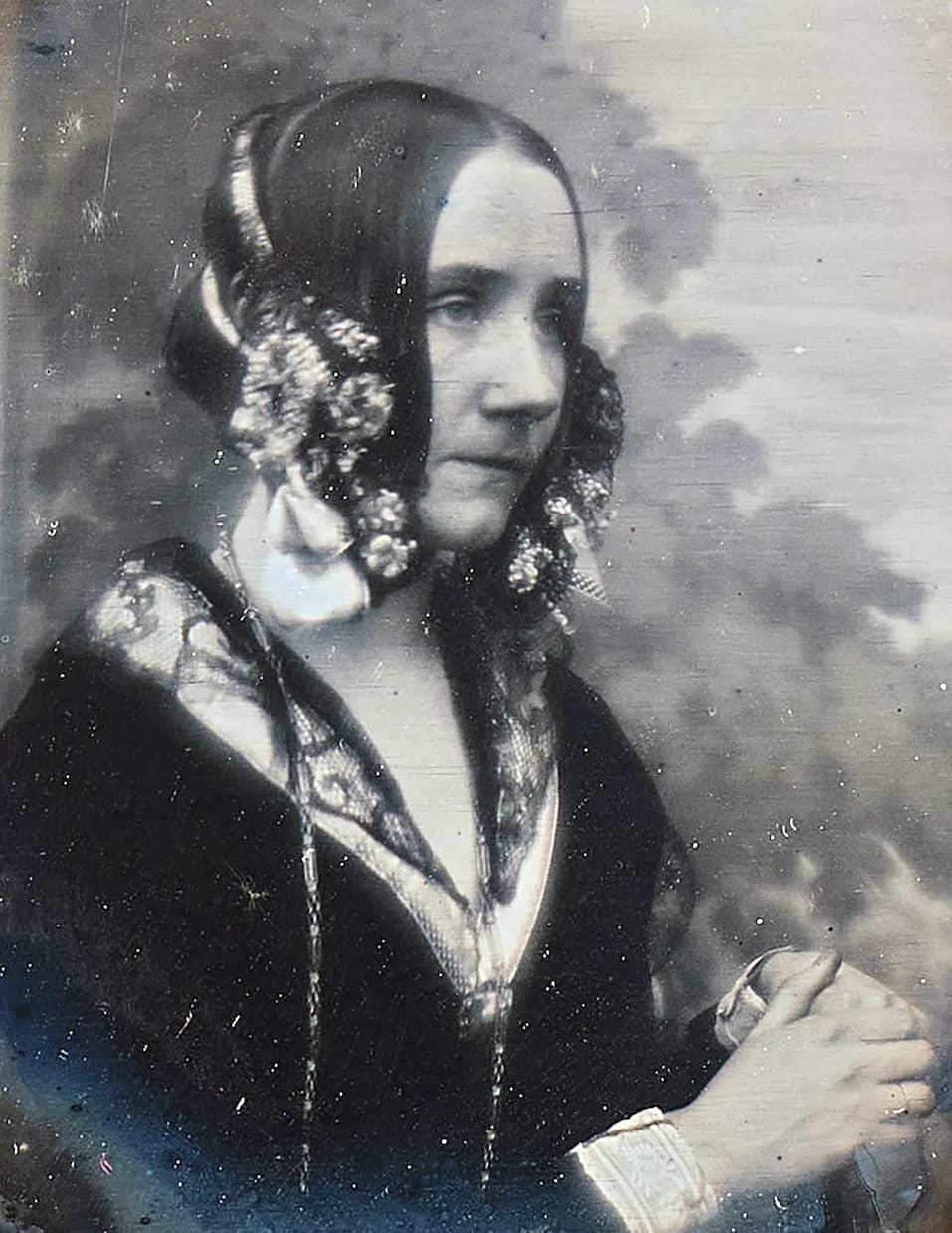
The first computer programmer was a poet’s daughter
In 1843, a century before electronic computers, Ada Lovelace wrote out a program and imagined machines making music.
The golden ratio is less magic than you’ve heard
φ ≈ 1.618 really does appear in sunflowers and pentagons. Most claims about the Parthenon, the Mona Lisa and “perfect beauty” are myths.
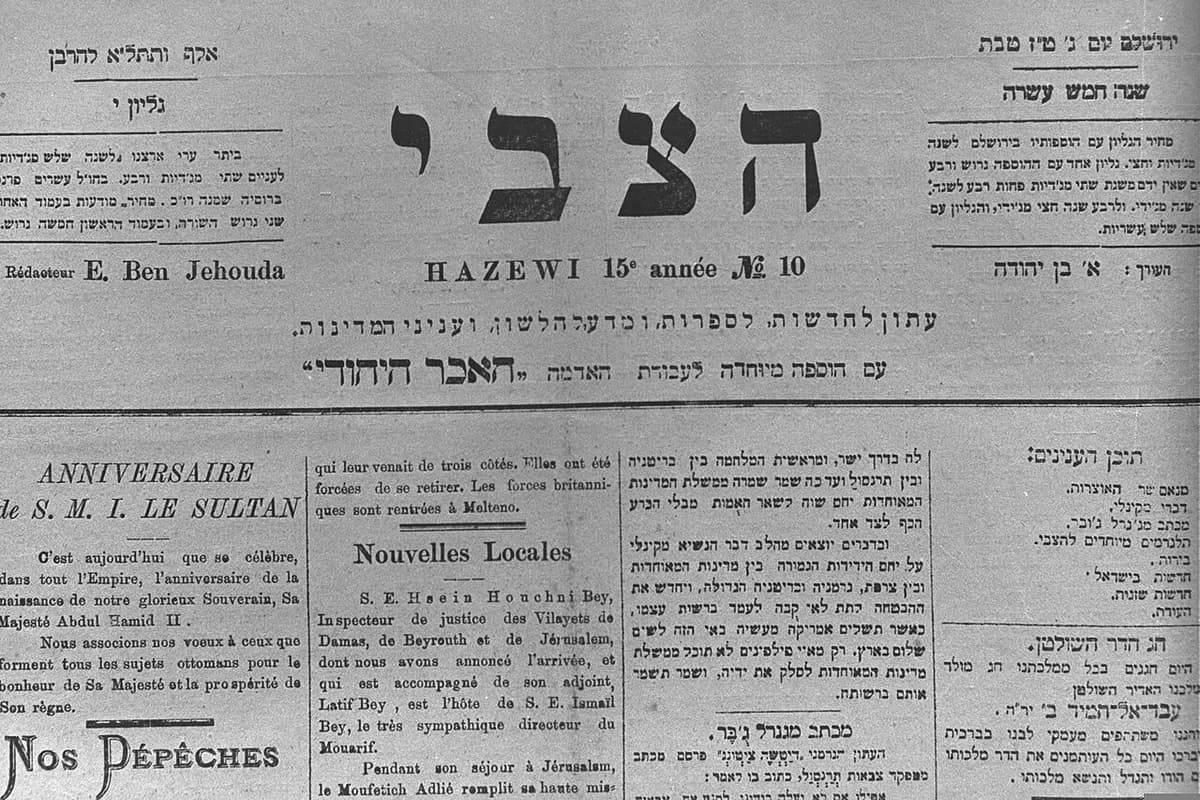
The language that came back after 1,700 years
For about 1,700 years nobody spoke Hebrew as a mother tongue. Then, in 1882, a baby in Jerusalem became its first native speaker in modern times.
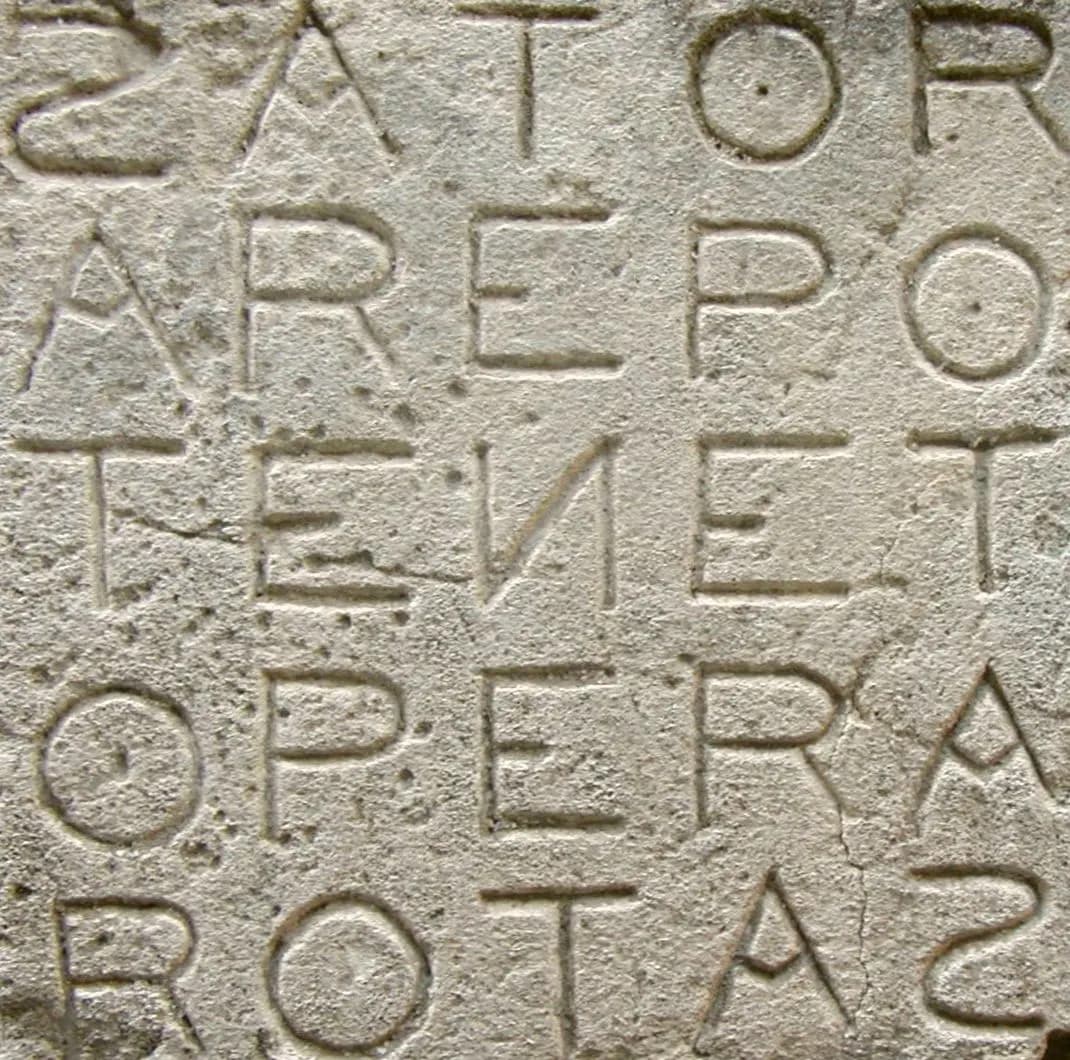
The Sator Square
A five-word Latin puzzle scratched on a wall in Pompeii reads the same in four directions. Nobody agrees on what it means.
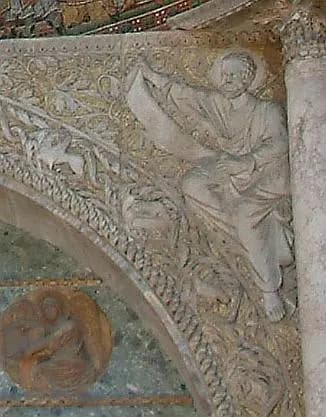
The spandrel: a by-product that looks like a purpose
Not every feature of a living thing was ‘designed’ for a job. Two biologists borrowed a word from cathedral builders to make the point, and then architects argued about whether they had the cathedral right.

The Terracotta Army was found by farmers digging a well
In 1974 farmers near Xi’an dug into an army of more than 8,000 clay soldiers. The emperor’s tomb next to it has never been opened, and the soil around it contains unusually high levels of mercury.
Why do we say “OK”?
The world’s most recognised word began as a deliberately misspelled joke in a Boston newspaper.