Psychology
Why minds do what they do.
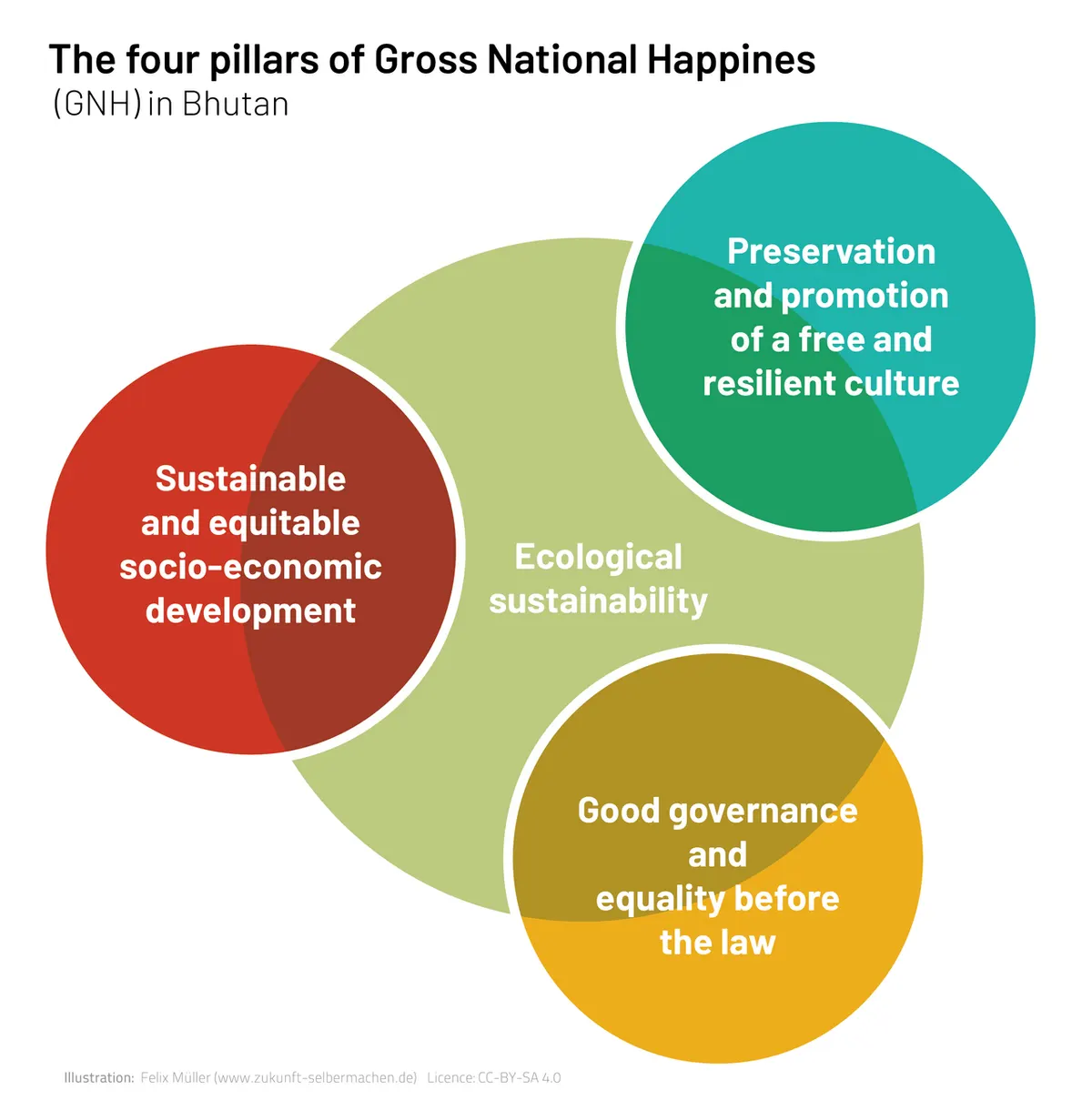
Bhutan measures Gross National Happiness
In 1972 Bhutan’s young king declared that happiness mattered more than GDP. The idea reached the UN, and also attracted serious criticism.
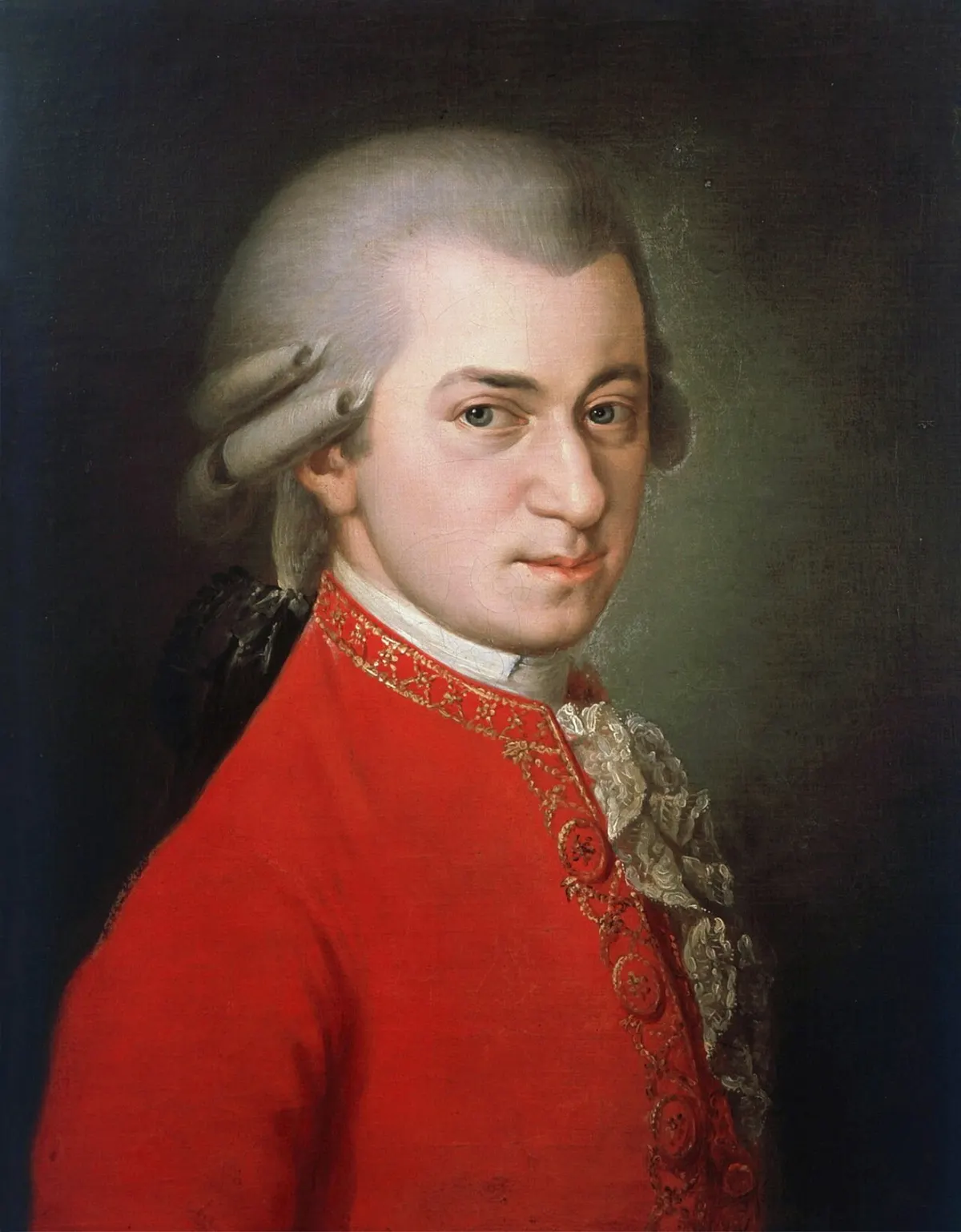
Does listening to Mozart make you smarter?
A small 1993 experiment about spatial puzzles turned into the belief that Mozart makes babies clever. The science never said that.
How trends spread, from royal courts to TikTok
For a century, the theory was that fashion trickled down from the rich. Then it started bubbling up from the street, and now it moves sideways through algorithms in weeks.
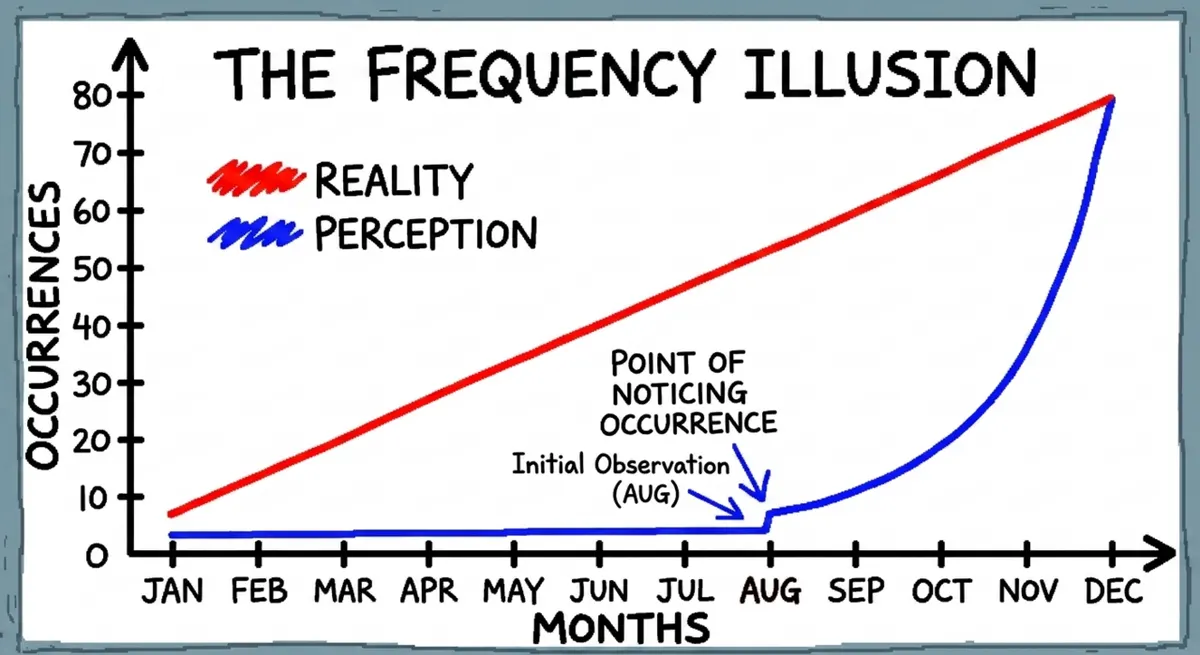
Once you notice something, it’s everywhere
You learn a new word, and the next day you see it three times. The world didn’t change; your attention did.
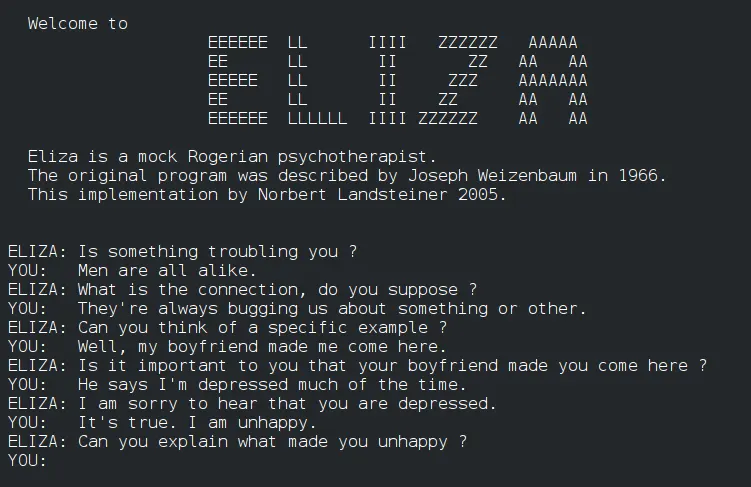
The 1960s chatbot people confided in
ELIZA just reflected your words back as questions. Its creator’s secretary still asked him to leave the room so she could talk to it in private.
The Dunning–Kruger effect is not what the internet says
It started with a bank robber who thought lemon juice made him invisible. The famous “Mount Stupid” chart was never in the paper.
The same face, three different emotions
A 1920s Soviet experiment showed that audiences read emotion into an actor’s blank face, depending on the shot that came before it.
When a measure becomes a target
Hospitals cut waiting times by not counting patients. Schools teach to the test. The same law explains both.
Why “mama” sounds the same almost everywhere
Mandarin, Swahili, Persian and Spanish are unrelated, yet children everywhere call their mother something like “mama”. In Georgian, though, “mama” means father.
Why lottery winners aren’t as happy as you’d think
We adapt to good fortune surprisingly fast. Psychologists call it the hedonic treadmill: you keep running and stay in the same place.
Why your parents’ clothes look ridiculous, and your grandparents’ look charming
In 1937 a museum curator mapped how we feel about a style over time: “indecent” ten years early, “hideous” ten years late, “charming” after seventy.